Exploration of a Trans-Himalayan lake-desert habitat showed indigenous cryo-adapted microorganisms to have intrinsic abilities to mitigate environmental warming and protect cold/frigid ecosystems from structural perturbations
https://t.co/S6hF0bEgjv
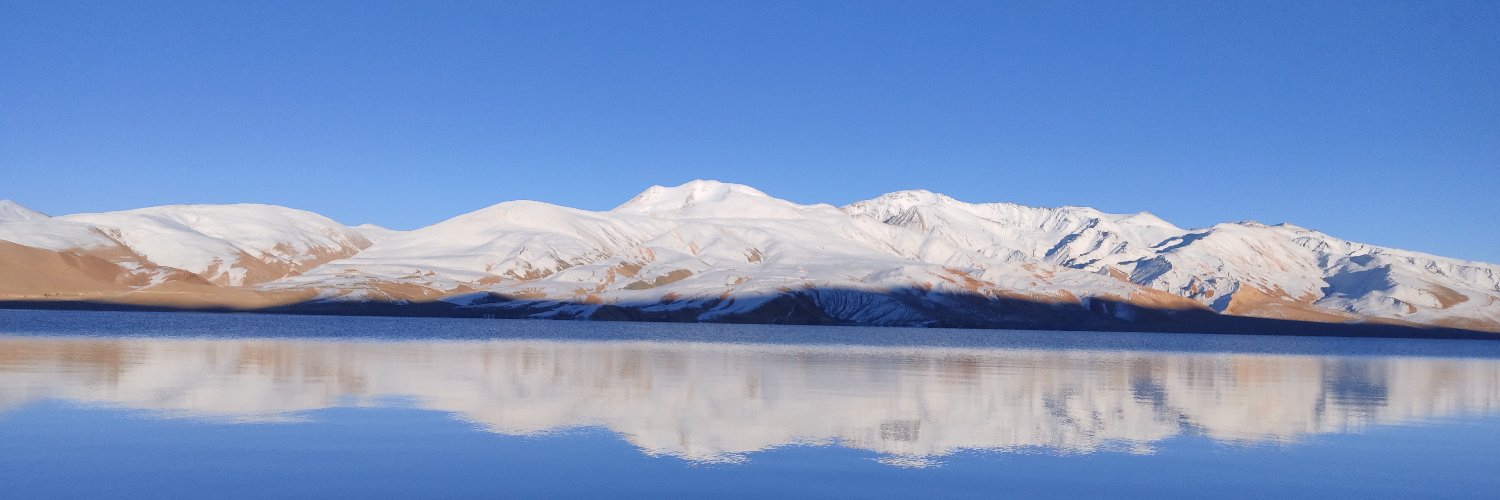
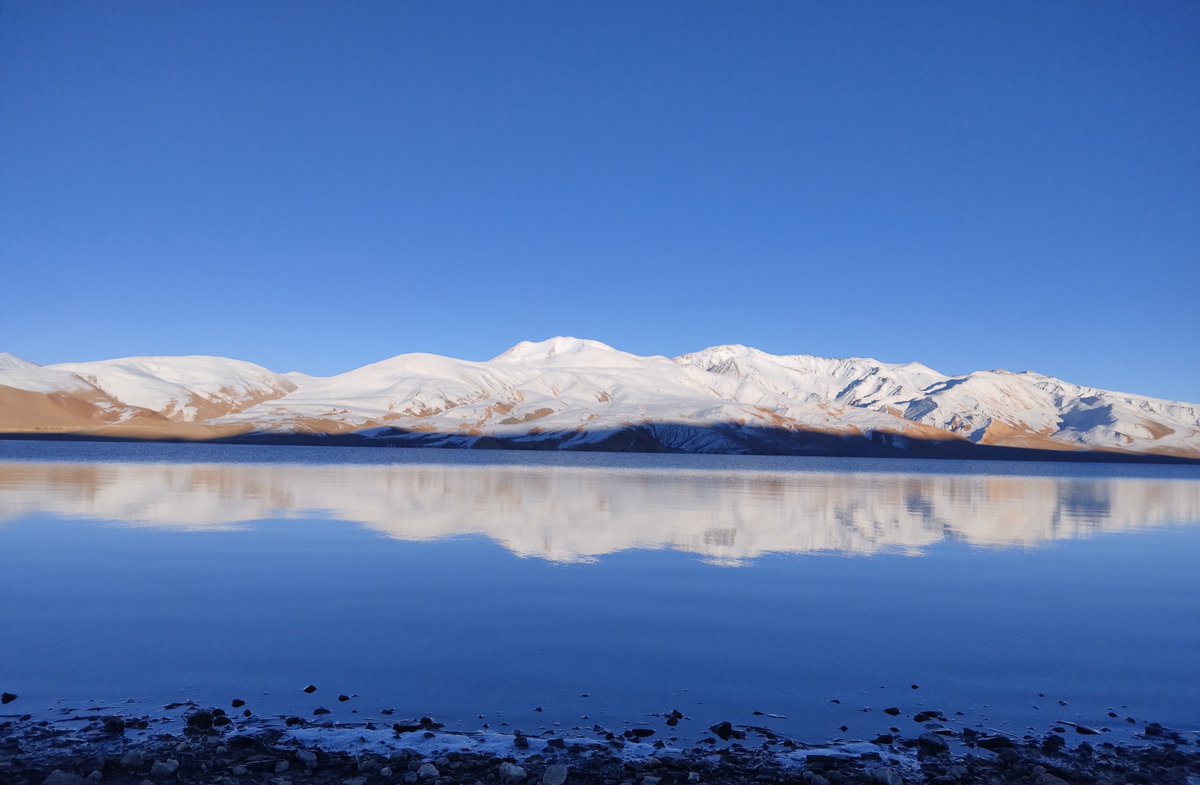
Excited to share our research article published in Archives of Microbiology, where we have explored the microbial life of Tso Moriri, a unique high-altitude lake-desert ecosystem in Ladakh, which remains frozen for a major part of the year. We collected samples from the lake water, sediment, and weathered rock dust from a lakeside hill, and we were able to isolate 61 isolates that belonged to 27 species-level entities that are adapted to the cold. We then investigated how these tiny bugs survive and thrive in extreme conditions, such as growing in low and even sub-zero temperatures as well as at high temperatures up to 42°C, which helps us understand their fate with climate warming. We also wanted to explore their ability to break down complex organic matter at low and sub-zero temperatures. What we found was remarkable: some of these microbes remained active even at -10°C and were able to utilize complex organic matter at low as well as sub-zero temperatures. When we took a closer look at their genomes, we found their genomes as well as their habitat’s metagenomes harboured genes for a range of traits that help these microbes to adapt to the extremes of temperature, turn over carbon, tolerate stress, and even produce antibiotics. Metagenomic analysis of these habitats revealed that, although the isolated strains occurred at relatively low abundance in situ, their broader taxonomic groups, diverse chemoorganoheterotrophic bacteria, and CAZyme-encoding genes were consistently detected across these Tso Moriri habitats, suggesting an important role for organic carbon degradation in the ecosystem’s biogeochemistry. Based on the observed decline in organotrophic growth and activity with increasing temperature, the study proposes a contextual model in which native psychrophilic communities may influence greenhouse-gas-linked processes and warming feedback in cold ecosystems. Notably, several native actinobacterial isolates showed antibiosis potential against mesophilic bacteria, indicating a possible natural defense against warming-associated microbial invasion. We therefore hypothesize that, as climate warming facilitates the entry of non-native, thermally better-adapted microbes into these cold-desert ecosystems, indigenous microbial communities may contribute both to feedback regulation of environmental warming and to the protection of fragile ecosystem structures. In conclusion, the present study provides novel insights into the ecological role of cold-adapted microbial communities and their potential in maintaining stability, enhancing resilience, and limiting structural perturbations in cold and frigid ecosystems. Taken together, the results establish the Trans-Himalayan region as an intriguing natural laboratory to probe into the response of cold-adapted microbes to climate change and their ecological functions in determining the stability, resilience, and future trajectory of vulnerable high-altitude ecosystems. #Microbiology #MicrobialEcology #EnvironmentalMicrobiology #Extremophiles #Cryosphere #Himalayas #ClimateChange #Metagenomics #TsoMoriri #Ladakh
https://t.co/HHOz8PZMP1
We have submitted our Abstracts, have you submitted yours? Please don't take the game to the wire ... submit before the working week ends ... don't keep it hanging fire till the whole week's end ... Have a GREAT weekend!
https://t.co/6UOOT5Z47T
Bacteria in our planet's frozen realms wage a two-front war: cooling the planet via negative feedback mechanisms that control growth, thereby diminishing greenhouse gas emissions, while shielding their home from mesophilic microbial invaders by antibiosis. https://t.co/c8z7xdwjmM
https://t.co/F3Tcrx2lEY
Carbon-remineralizing bacteria of this amazing cryosphere abate climate warming via negative feedback control of growth, and so greenhouse gas emission. They also mitigate ecosystem perturbation by antibiosis against microbial weeds from warmer territories
Psychrophilic and cryophilic bacterial copiotrophs from a Trans-Himalayan lake-desert ecosystem as biogeothermometers of warming, ... https://t.co/Mi04dtdxxW #biorxiv_micrbio
https://t.co/uYR2T798hS
AI is summarizing take-home news from research papers with the comprehension power of middle-bench mediocres who goof up info, miss out key points; but never give up studying; eventually score decent marks to leave lazy, clever colleagues in their wake.
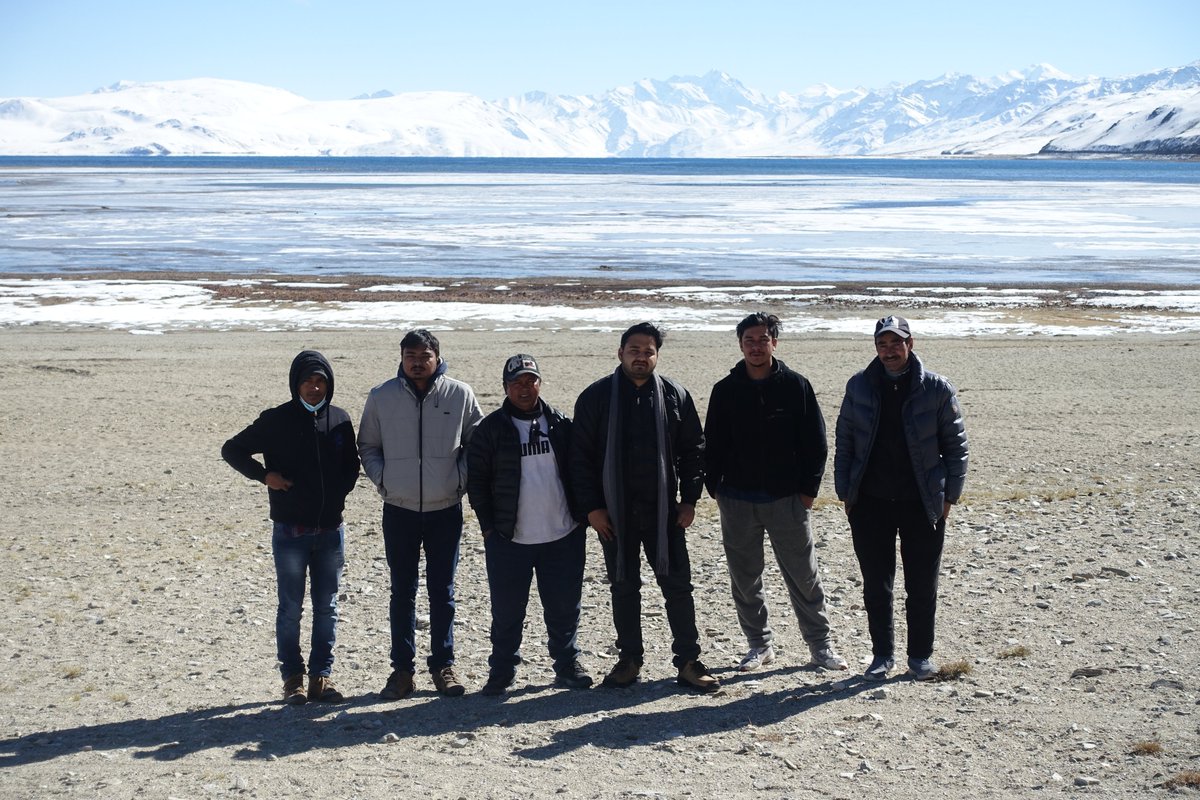
See you @ Emerging Trends in Bioscience Research [ETBR-2025] on 5th and 6th of February 2025, at the Dept. of Biological Sciences, Aliah University, Kolkata
https://t.co/xx3BBDutQK
Kudos to Emil, Laura, Emeline, Jordon, Beate, and Ranjani for the much-needed, and timely, treatise on the "Widespread occurrence of dissolved oxygen anomalies, aerobic microbes, and oxygen-producing metabolic pathways in apparently anoxic environments!"
https://t.co/9OaykWIOp6
PLoS has given a huge fillip to the "Hot Spring Mesophiles" issue by publishing the "Authors' Responses to all Four Reviewers" at
https://t.co/WAp76RLJUA
and
https://t.co/S9MTfiCAbm
for the paper
https://t.co/BwDIzMydRR
Some papers are such that they can only come out in PLoS One ...
https://t.co/BwDIzMydRR
>15-gb WGS data, >32-mb SI data, >18,000-word text:
might just be found substantial enough to believe "mesophilic bacteria also live in hot springs!"
Kind attention: @MicrobiomDigest
Exact venue, time, and duration are now known for all sessions of Goldschmidt'24! We heartily invite all our friends in Extreme Biology & Biogeochemistry to be there at Waldorf (3rd floor) & Salon C (Lower Level), Hilton Chicago, through Tuesday 20 August
https://t.co/xOgIVvWkOg
Would simply love to be grilled about our tryst with the esoteric Obligate Aerobes of Anoxia
Please come to our Goldschmidt '24 session at Waldorf, 3rd floor, Hilton Chicago, on 20 August, to unravel this enigma. Expecting huge fireworks from all quarters!
https://t.co/LqHWg1imkk
Friends whose libraries don't subscribe Archives of Microbiology,
Please access full text (enhanced PDF) of "Extremely Oligotrophic and Complex-carbon-degrading Microaerobic Bacteria from Arabian Sea Oxygen Minimum Zone Sediments" via the SharedIt link
https://t.co/U1q0Fnbeyj
Only a week left to submit Abstract for Goldschmidt '24 (Chicago 18-23 August). Submit in our session 9g (The coupled C-S-Fe cycles: Present, Deep time, and Beyond the Earth) as soon as you can: a lecture by Prof Timothy Lyons is going to be a big draw https://t.co/YSWLm7b2eY
More light on "metabolically-active obligate aerobes in the sulfidic sediments of a marine hypoxic zone" (DOI below). Hopefully, I'll talk about their sustenance, and role in C-S cycling, at Goldschmidt2024 https://t.co/cjx1usNoix
Arch Microbiol 206, 179:
https://t.co/trclTmrwRg









![WriddhimanGhosh's tweet photo. See you @ Emerging Trends in Bioscience Research [ETBR-2025] on 5th and 6th of February 2025, at the Dept. of Biological Sciences, Aliah University, Kolkata
https://t.co/xx3BBDutQK https://t.co/V2fGyiwHrO](https://pbs.twimg.com/media/Ge-DOiAXgAAnZL3.jpg)


