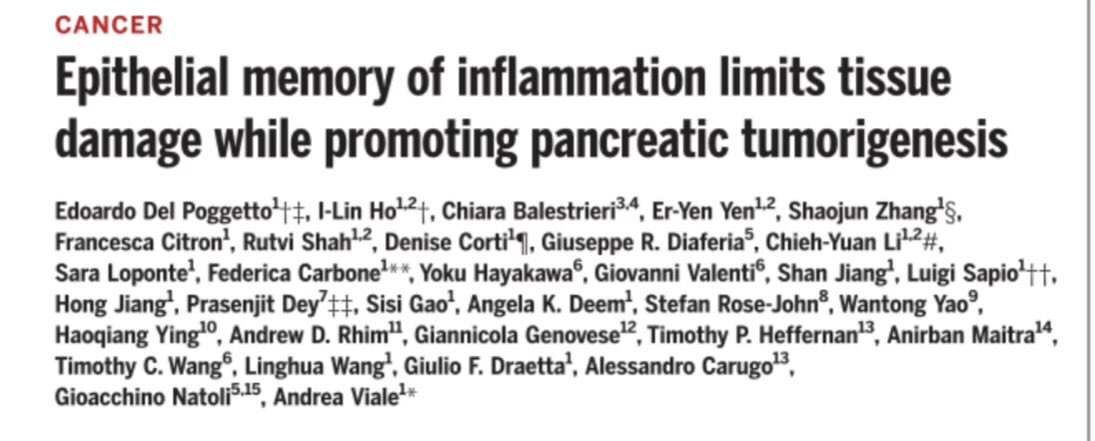
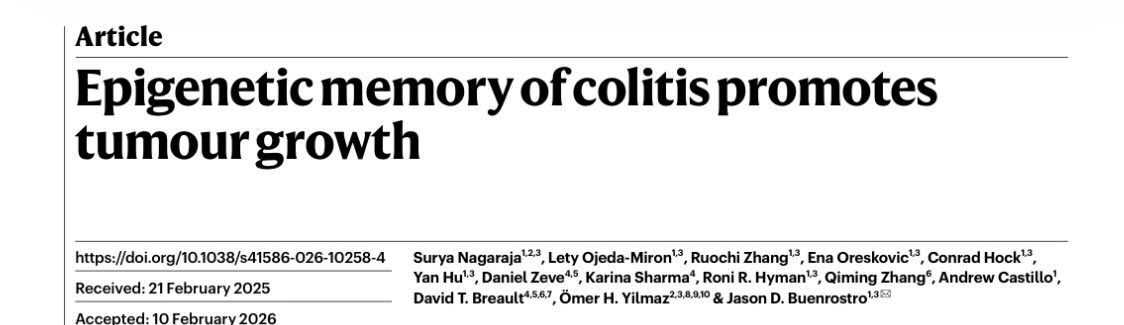
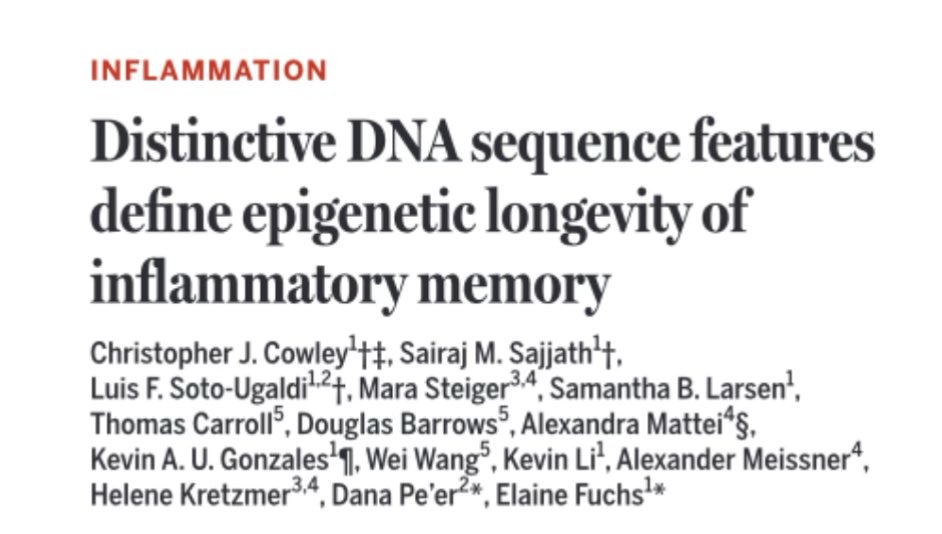
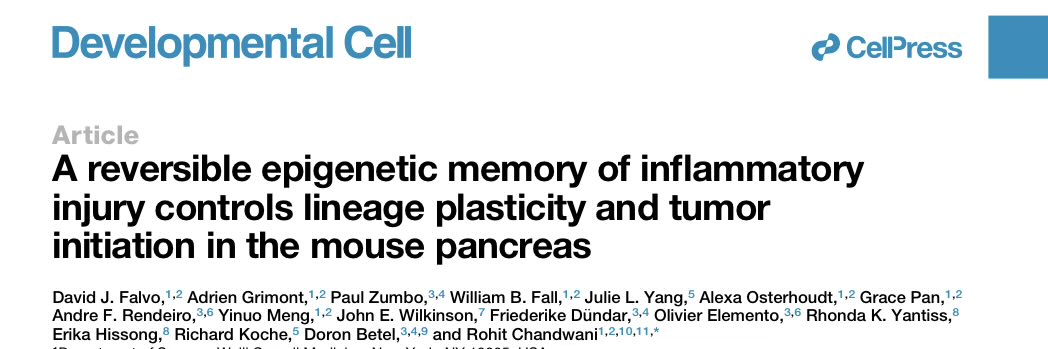
Multiple recent papers (two just this week) highlighting the role of inflammation in sculpting “epigenetic memory” and promoting tumorigenesis across various solid organs.
https://t.co/N3tAKyGluC
https://t.co/dbTqy9rTQr
https://t.co/M2TuFCKRea
https://t.co/iav4PoFH1d
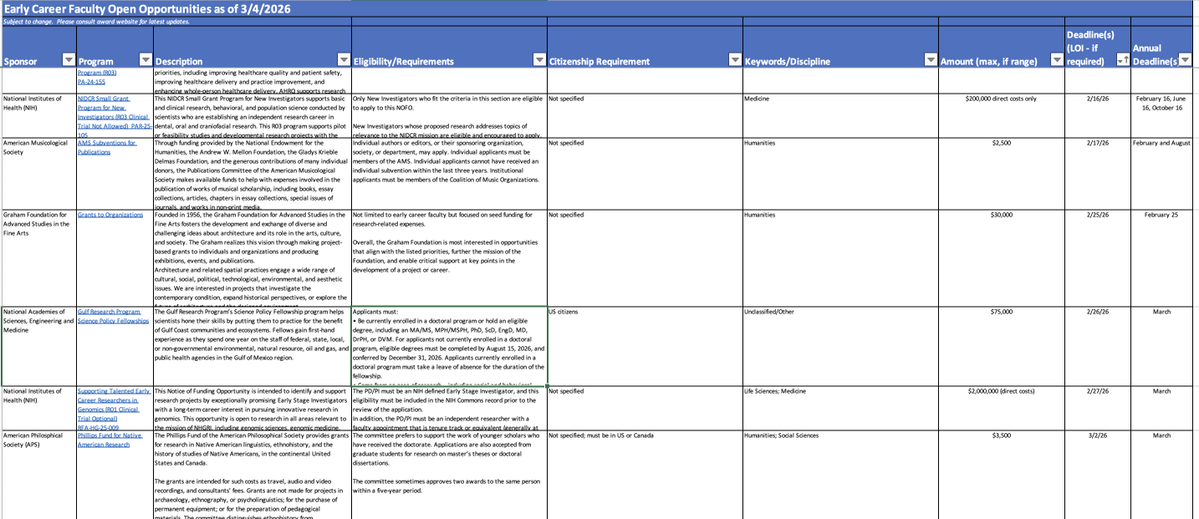
Here is our updated database of grants for early careers researchers in all fields.
It goes way beyond traditional NIH and NSF funding opportunities. We list 428 types of grants.
Download it here: https://t.co/RGXGrdp2uf
Happy to share with you my recent work on deciphering the epigenomic dysregulation of cis-regulatory elements and retrotransposons in hepatocellular carcinoma 🎉
https://t.co/7twOu9REcR
Wonderful experience working with @KevinYipLab and Prof. Alfred CHENG. Congrats to us all!
Happy to share our latest work on Polycomb repression reprogramming in early development, spearheaded by two super talented Ph.D students Yitian Zeng and Feng Kong. https://t.co/kHbOyBC1zZ
Chromatin folks: don't miss GRC/GRS Genome Architecture in Cell Fate and Disease, June 15-20 2025 Ventura, CA. Registration deadline: Mar 18, 2025. https://t.co/Wc1h5YTKDq
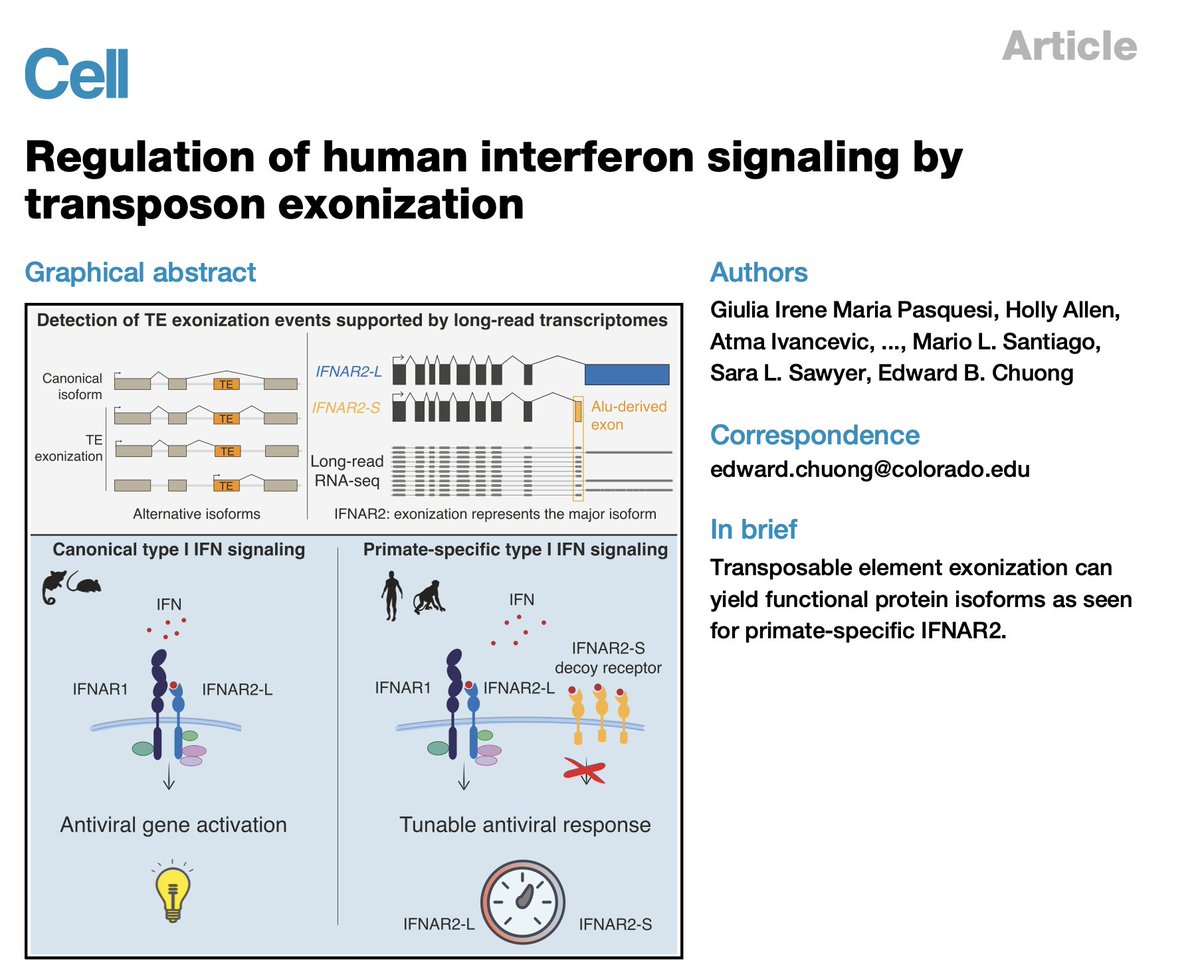
I’m excited to share our latest study led by
@GiuliaPasquesi out today in @CellPressNews , uncovering a new way transposons have been repurposed for human interferon signaling! Read on for a thread on cryptic splice variants, decoy receptors, and viruses (1/N) 👇🧵
BREAKING NEWS
The Royal Swedish Academy of Sciences has decided to award the 2024 #NobelPrize in Chemistry with one half to David Baker “for computational protein design” and the other half jointly to Demis Hassabis and John M. Jumper “for protein structure prediction.”
BREAKING NEWS
The 2024 #NobelPrize in Physiology or Medicine has been awarded to Victor Ambros and Gary Ruvkun for the discovery of microRNA and its role in post-transcriptional gene regulation.
BREAKING NEWS
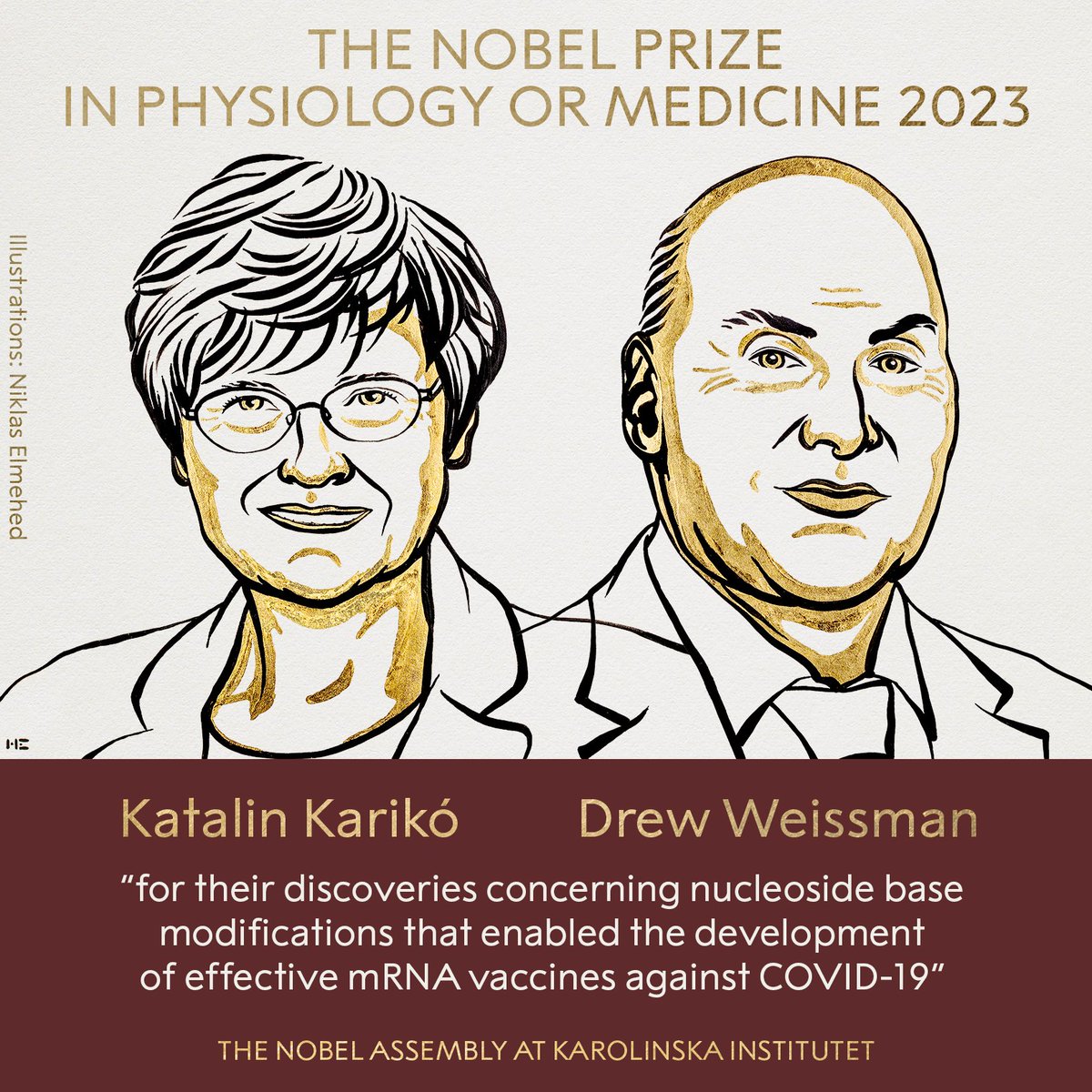
The 2023 #NobelPrize in Physiology or Medicine has been awarded to Katalin Karikó and Drew Weissman for their discoveries concerning nucleoside base modifications that enabled the development of effective mRNA vaccines against COVID-19.
🧵 Writing the Statistical Analysis Section of a Manuscript: A Guide
1/ 📜 Introduction:
When drafting a manuscript, the statistical analysis section provides clarity on how you analyzed the data. It's the backbone of your results, ensuring your findings are robust and credible.
2/ 📌 Start with Objectives:
Begin by reiterating the study's objectives or research questions. This sets the stage and reminds readers why certain analyses were performed.
3/ 📊 Descriptive Statistics:
Mention the basic descriptive statistics you utilized. This includes measures of central tendency (mean, median) and dispersion (range, standard deviation).
4/ 🔍 Specify the Tests:
Clearly state which statistical tests were used for each analysis. Whether it's t-tests, ANOVAs, regression analyses, or chi-square tests, be specific.
5/ 🛠 Software & Version:
State the statistical software package and version used. E.g., "All analyses were performed using R version 4.0.2."
6/ 🧮 Assumptions:
For many statistical tests, certain assumptions need to be met. Discuss any checks you performed (like tests for normality) and how any violations were addressed.
7/ 🔄 Handling Missing Data:
Address how you dealt with missing data – whether you used listwise deletion, imputation, or another method. Transparency is key!
8/ 🚫 Correction for Multiple Tests:
If you conducted many tests, discuss how you corrected for multiple comparisons (e.g., Bonferroni correction) to reduce the risk of Type I errors.
9/ 📈 Effect Sizes & Confidence Intervals:
Besides p-values, mention any effect sizes (like Cohen's d) and confidence intervals. They provide additional insight into the practical significance and precision of estimates.
10/ 🔄 Sensitivity Analyses:
If you conducted any sensitivity or supplementary analyses, briefly describe them. This showcases the robustness of your primary results.
11/ 🤝 Collaboration:
If you collaborated with a statistician or data analyst, mention this. It can enhance the credibility of your analysis section.
12/ 📝 Clear Language:
Use clear and concise language. Avoid jargon. The goal is to make it accessible to readers from diverse backgrounds.
13/ 🔄 Replicability:
Where possible, provide supplementary material (like a code or dataset) that would allow others to replicate your analysis.
14/ 💡 Conclusion:
Wrap up by emphasizing the rigorous approach you took. Reinforce that your methods were appropriate for answering the research questions.
15/ 🙌 Feedback:
Once your draft is ready, consider getting feedback from colleagues or a statistician. A fresh pair of eyes can spot ambiguities or errors.
📌 Final Thought:
A well-structured statistical analysis section lends credibility to your research. It ensures your study's findings are both valid and reproducible. Happy writing! 🖋
If you found this thread helpful, please like, share, and comment! #Statistics #DataScience #ResearchTips
Early-bird registration deadline is less than 3 weeks away for the annual CEEHRC meeting!
If you would like your abstract to be considered for a talk as well as apply for a travel award, the submission deadline is also on September 15.
https://t.co/dSIWp80BID