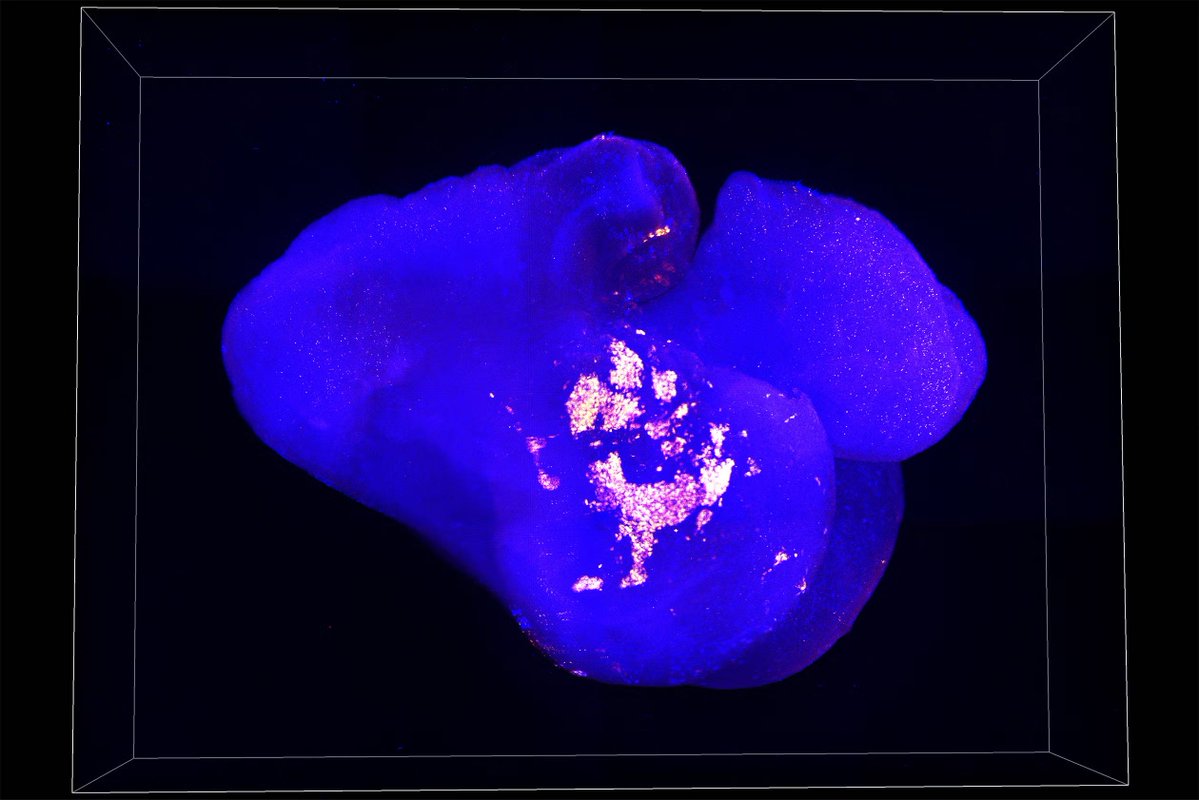
Your organs aren't just following orders from the brain.
A new Yale study finds that organs like the heart, lungs, and intestines build and shape their own nervous systems, then communicate back to the brain in a two-way conversation. One of the most striking findings is that heart tissue can reprogram neurons from the gut to start behaving like heart neurons.
Researchers say the discovery could eventually open new paths for treating conditions like Parkinson's disease and other organ-based illnesses. See what else researchers found: https://t.co/82WnnIPmra
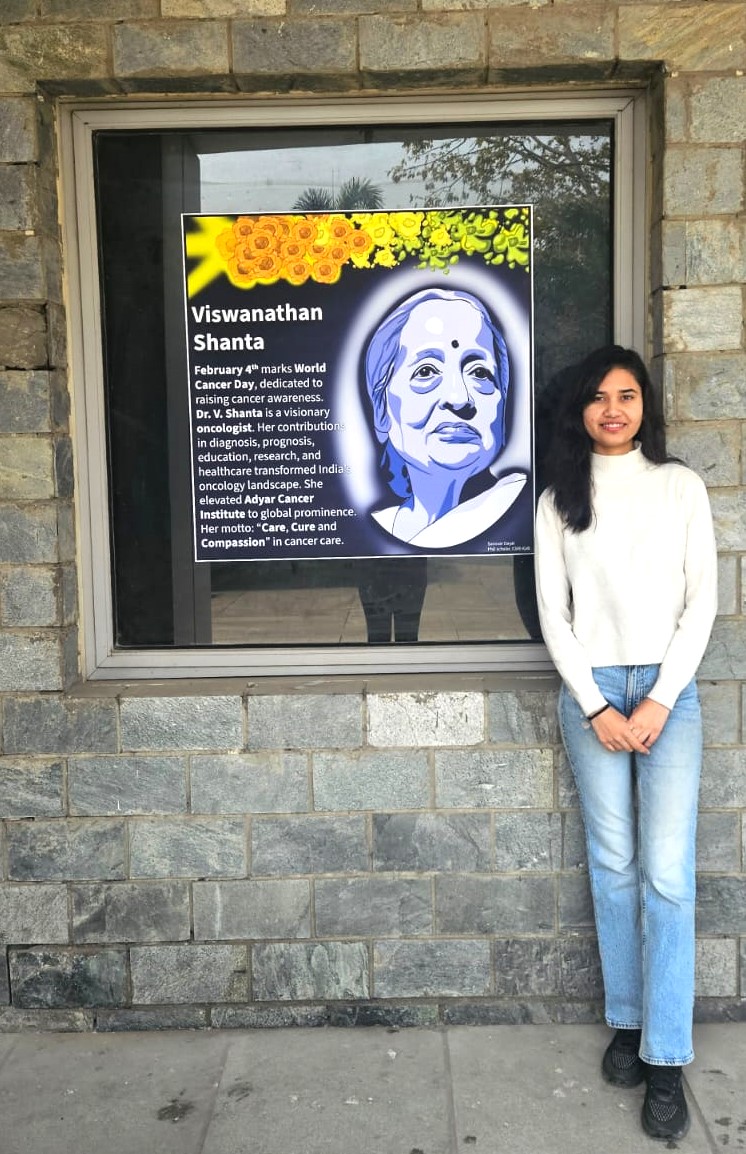
World Cancer Day 2026- Remembering a compassionate oncologist V. Shanta of Adyar Cancer Institute. Artwork Credit: Sanovar Dayal, PhD student, IGIB. @AcSIR_India
Our study identifies Mgat4b, a N-glycosyltransferase enriched in pigment progenitors, as a regulator of directional melanocyte migration & establishment of McSC pool during early dev & show that Mgat4b mut cells fail to initiate melanoma in zebrafish https://t.co/Wt3Z9NeZBx (1/3)
Thank you, @narendramodi Ji! On behalf of the people of Andhra Pradesh, I congratulate you on the NDA's victory in the Lok Sabha and Andhra Pradesh Assembly Elections. Our people of Andhra Pradesh have blessed us with a remarkable mandate. This mandate is a reflection of their trust in our alliance and its vision for the state. Together with our people, we shall rebuild Andhra Pradesh and restore its glory.
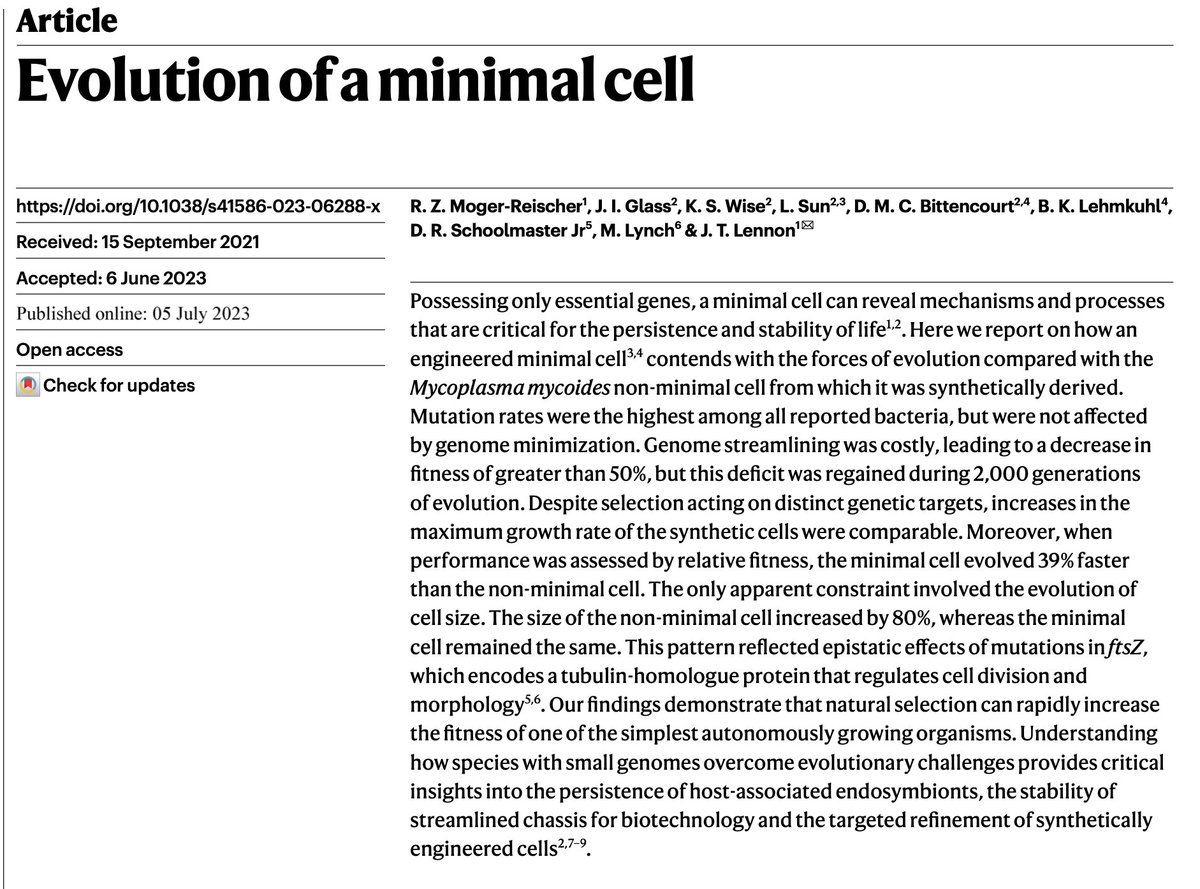
A mind-blowing paper has come out today in @Nature
In 2016, JC Venter Institute scientists trimmed a bacterial genome to its barest minimum required for life to synthesize what they called a "minimal genome" (https://t.co/Rk8oZJ0bUj).
Today, a group of scientists from Indiana University reports how that minimal genome evolved over 2000 generations in comparison to the non-minimal genome.
The authors found that even when you reduce a bacterial genome to its absolute minimum where every nucleotide matters, the genome undergoes mutational events generation after generation as much as the non-minimal genome. One simply cannot stop the evolution.
Just over 300 days of evolution (equivalent to 40,000 years in humans) the minimal cell has gained everything it lacked in fitness on day one in comparison to the non-minimal cell.
When comparing the evolved traits between the minimal and non-minimal cells, the scientists found something striking. The evolutionary process increased the cell size of non-minimal cells but not that of the minimal cell. But that is not the striking part.
The scientists were able to identify the key mutation that resulted in cell size evolution. And it turned out that the mutation that helped the non-minimal cells to grow bigger is the same that helped the minimal cells to stay smaller. Growing bigger had a survival advantage for non-minimal cells and not growing bigger had a survival advantage for minimal cells. So, the mutation had a context-dependent effect. This just demonstrates that the evolutionary effects on traits have no absolute direction. All that matter is what is beneficial for the organism's survival.
The conclusion of the paper is metaphorically a quote from the Jurassic Park movie:
“Listen, if there’s one thing the history of evolution has taught us is that life will not be contained. Life breaks free. It expands to new territories, and it crashes through barriers painfully, maybe even dangerously, but . . . life finds a way". (https://t.co/UlxRlb86CT)
https://t.co/zA9OAqSoAu
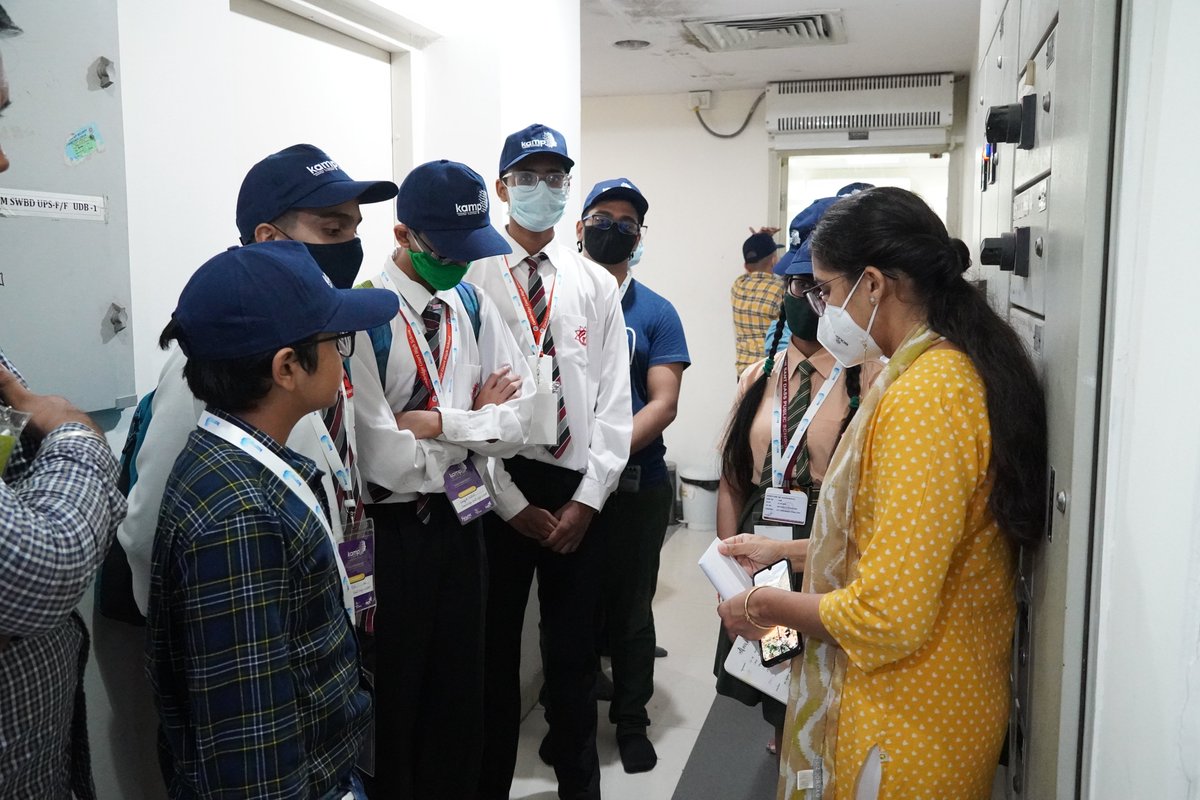
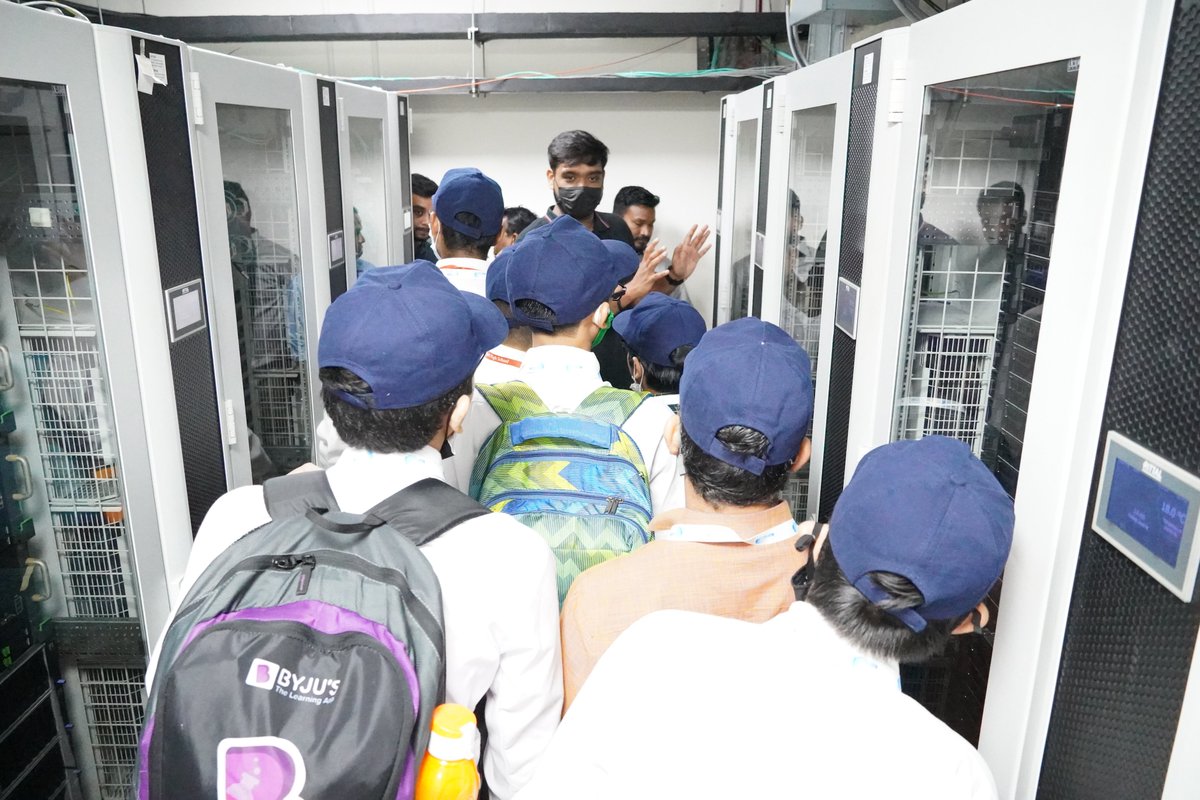
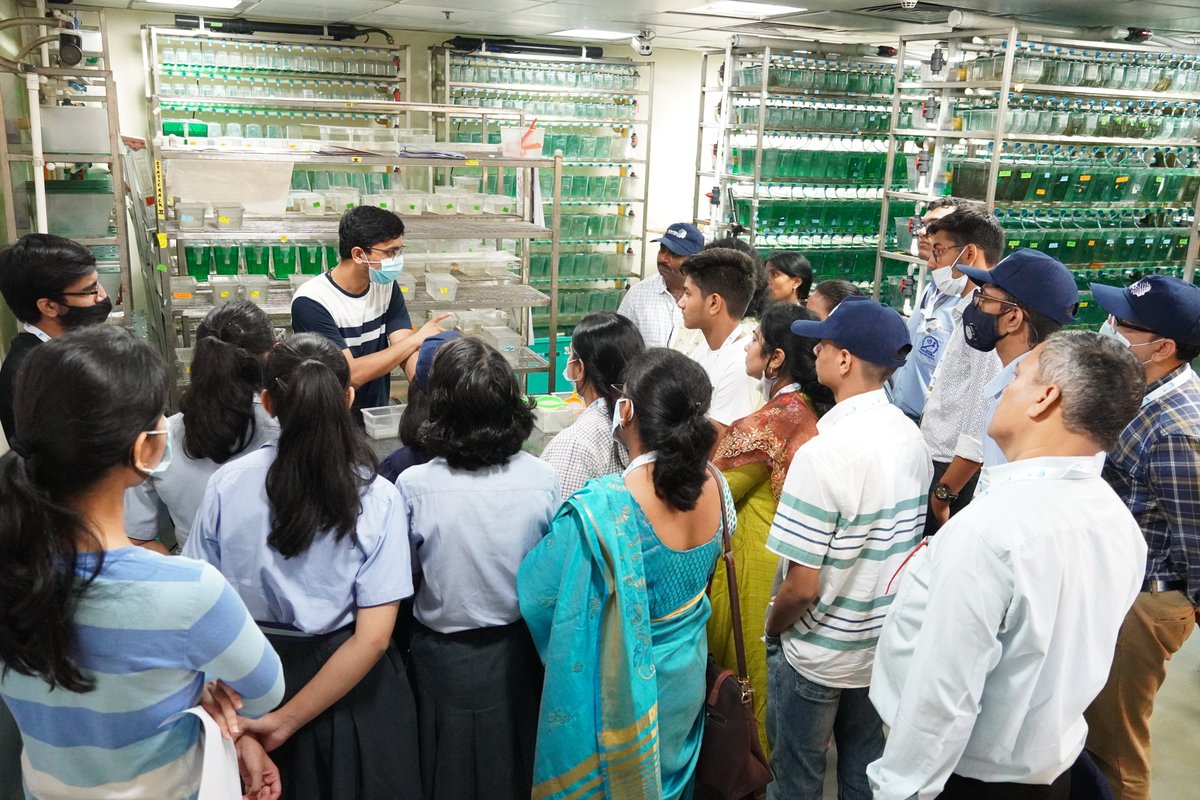
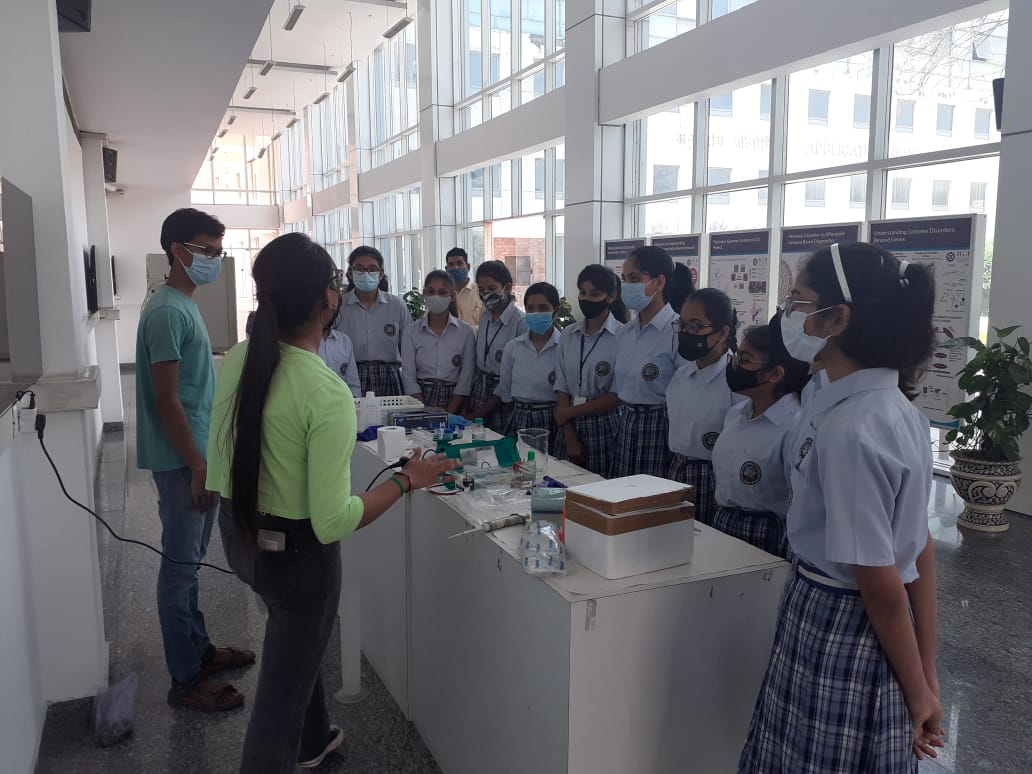
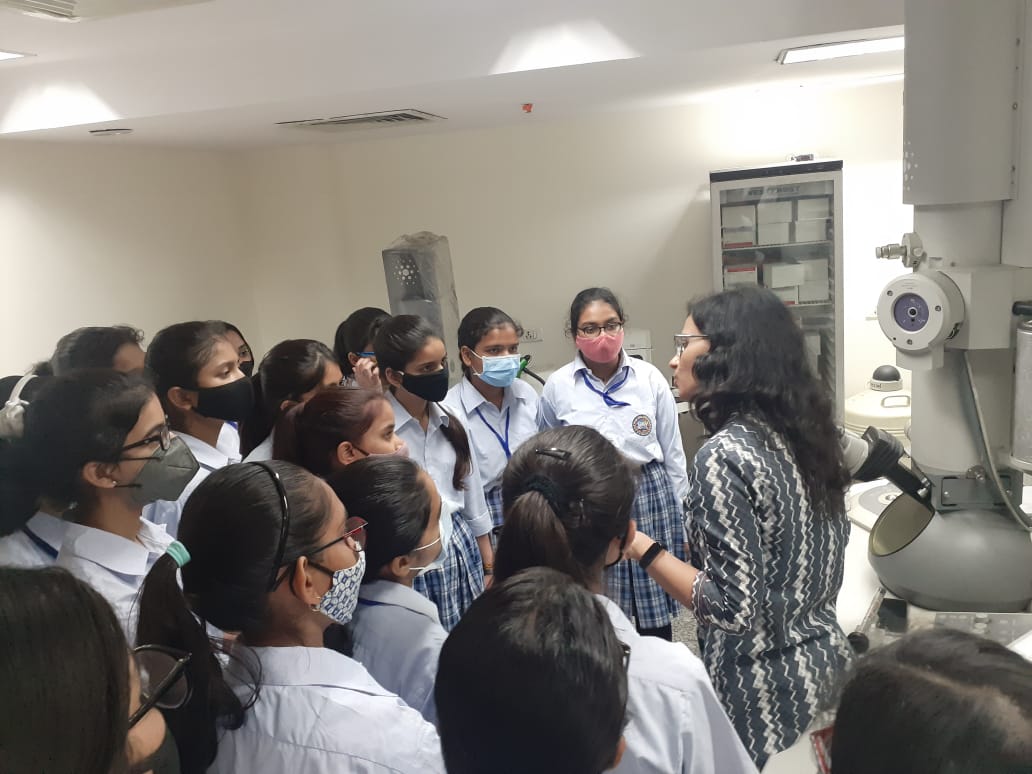
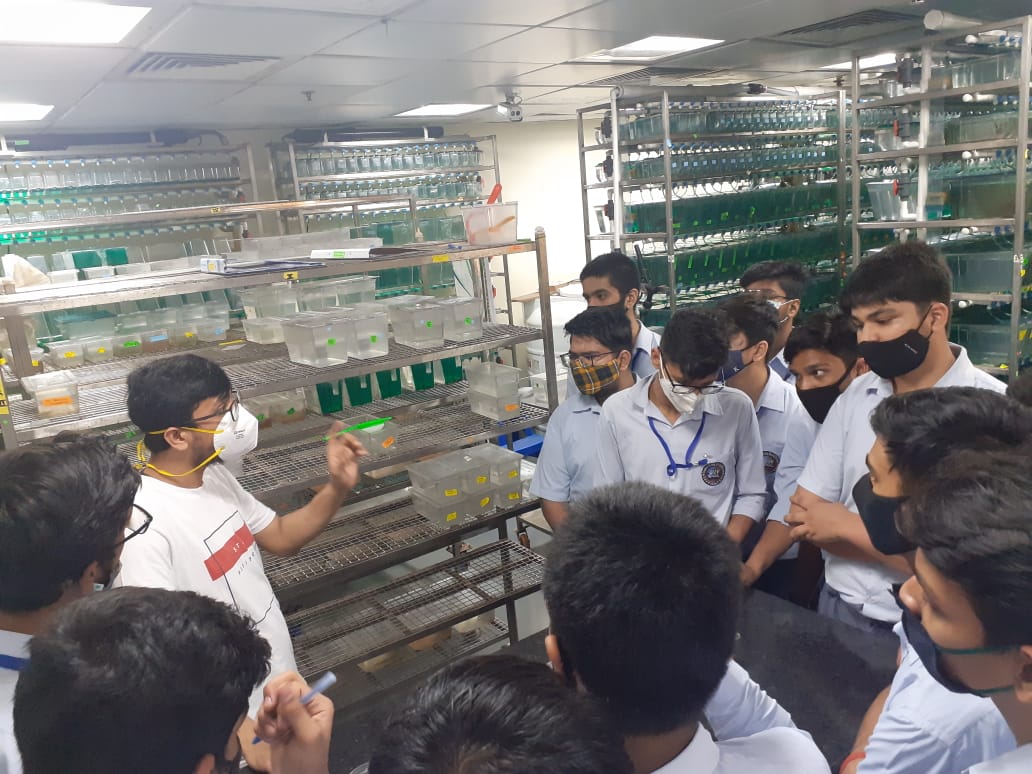
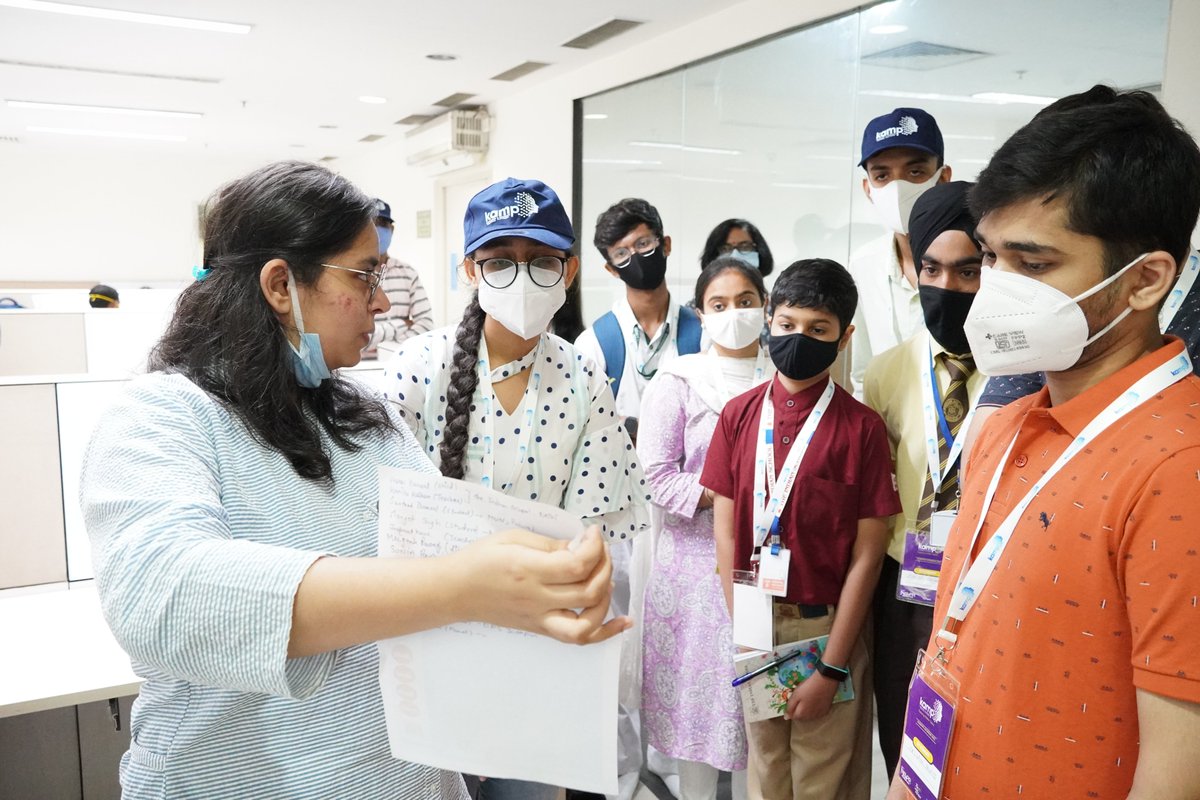
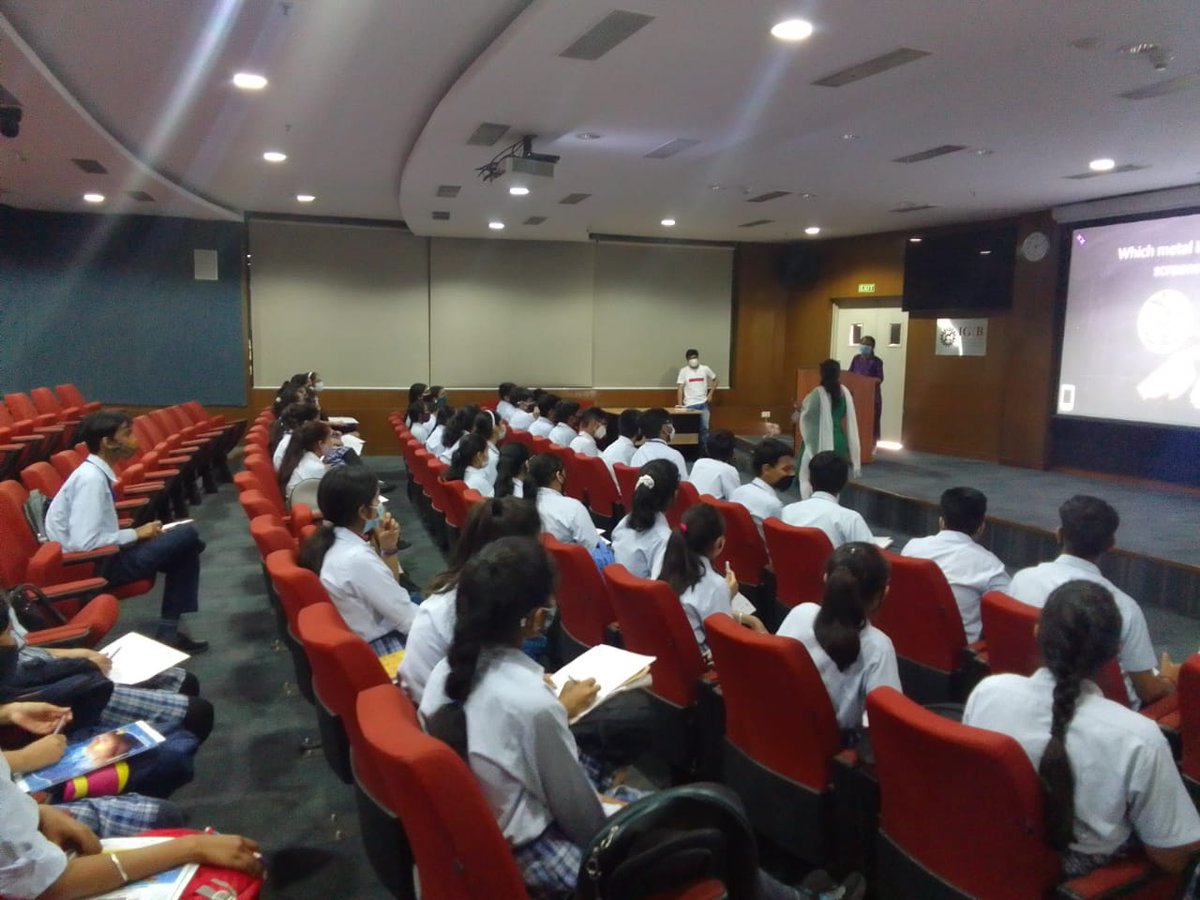
The pre #CSIRFoundationDay2022 celebrations have started at @CSIR_IND#IGIB.
On 8th Sep, we hosted students (and their guardians) from schools across the nation who witnessed the various colors of genomics research.
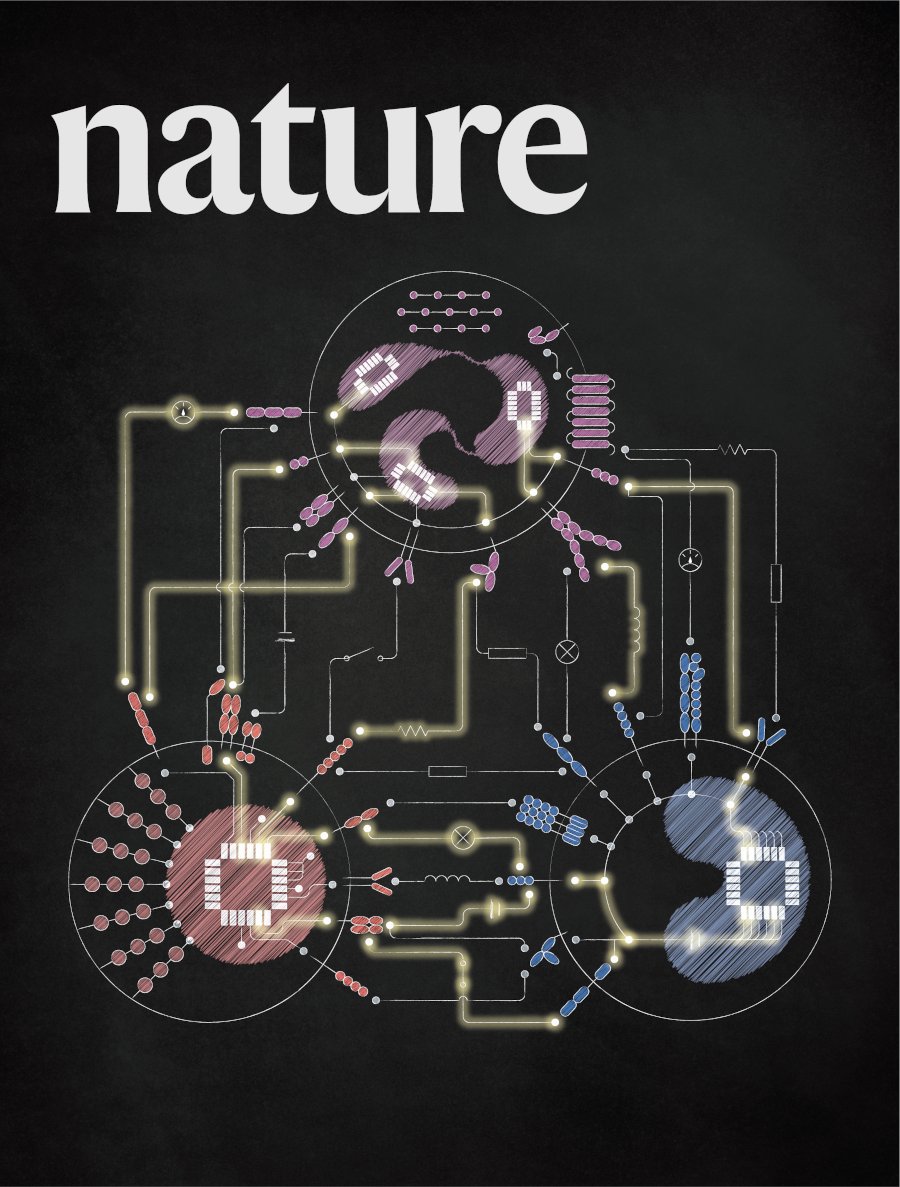
For centuries we've had anatomical maps of how the body's organs are connected, but what would a diagram of the immune system’s connections look like? In @Nature we report our initiative to map the "interactome" that links human immune cells together (1/14)https://t.co/sj4BKiITGd
The May issue of Pulse is out! This is what IGIBians were upto (along with doing science) in the last month,
https://t.co/v4bKXPs6tu
Kudos to the IGIB Pulse Team and all the contributors for bringing out yet another beautiful issue.
Nobel prize for CRISPR in 2020!!! the buck doesn't stop there, find out further applications of #geneediting in therapeutics through our newly published book chapter by #wiley#astrazeneca in the book titled "Genome Editing in Drug Discovery" https://t.co/4zclD6Q3Uf