Asst Prof @LSHTM, Country Scientific Lead @IneosOxford @UniofOxford, PhD @Cambridge_Uni | Antimicrobial Resistance| Public Health |Pandemic Preparedness |Epid
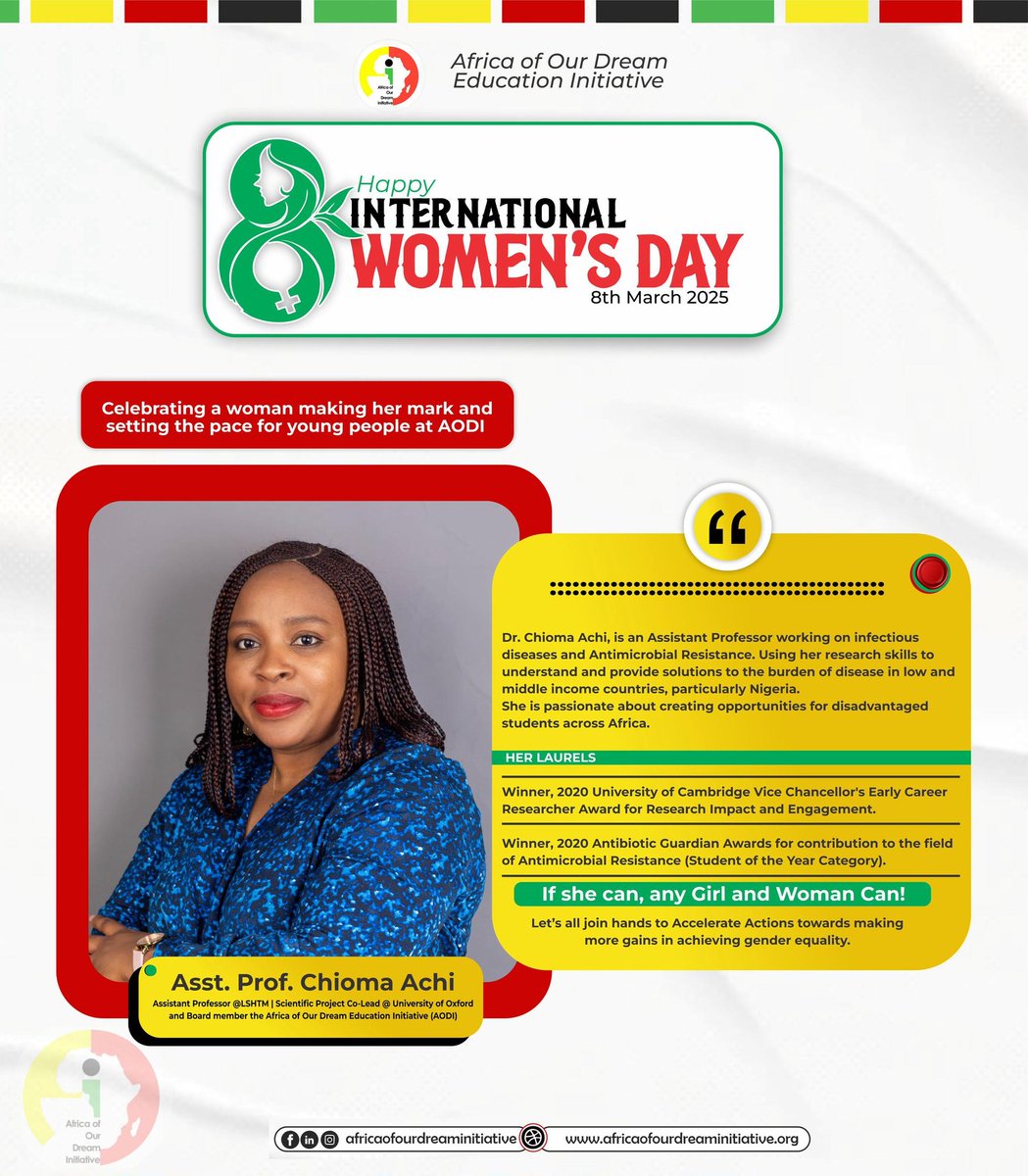
Extremely humbled to have won the University of Cambridge Vice Chancellor's Early Career Researcher Award. This wouldn't have been possible without the support of @markaholmes, @CambridgeAfrica and @CamUniEngage funding and the amazing team of volunteers @pepf_amr
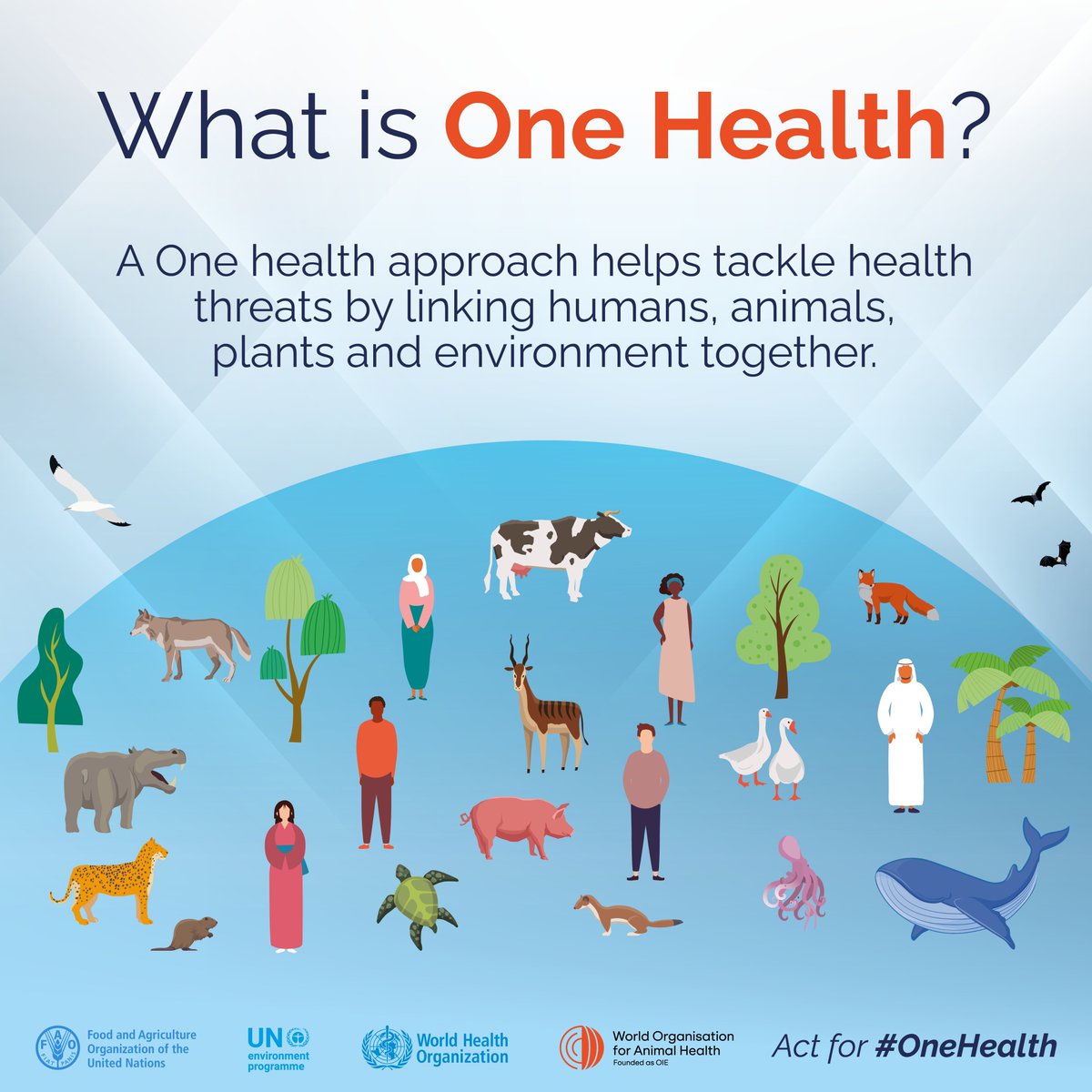
@WOAH@WHO@nighealthwatch This year's theme: "Act Together for One Health", therefore reminds us to work across sectors to combat emerging health threats.
Happy One Health Day! /4
How possible is it for us humans to dissociate ourselves from our environment and the ecosystem around us?
Absoutely impossible!
We are reminded on this World One Health Day that our health as humans does not exist in a vacuum and we are greatly impacted /1
@WOAH@WHO@nighealthwatch environment, microplastics running into our marine food chains which then end up on our tables, and so on.
With these in mind, we must realise that boundaries are only artificial and whatever affects one sector affects us all.
@WOAH@WHO@nighealthwatch by the health of animals, plants, and the ecosystem around us.
Think about the effects of climate change on our health, new viruses jumping from animals (whose habitat might have been displaced) to humans, shared antimicrobial resistance genes between humans, animals and the /2
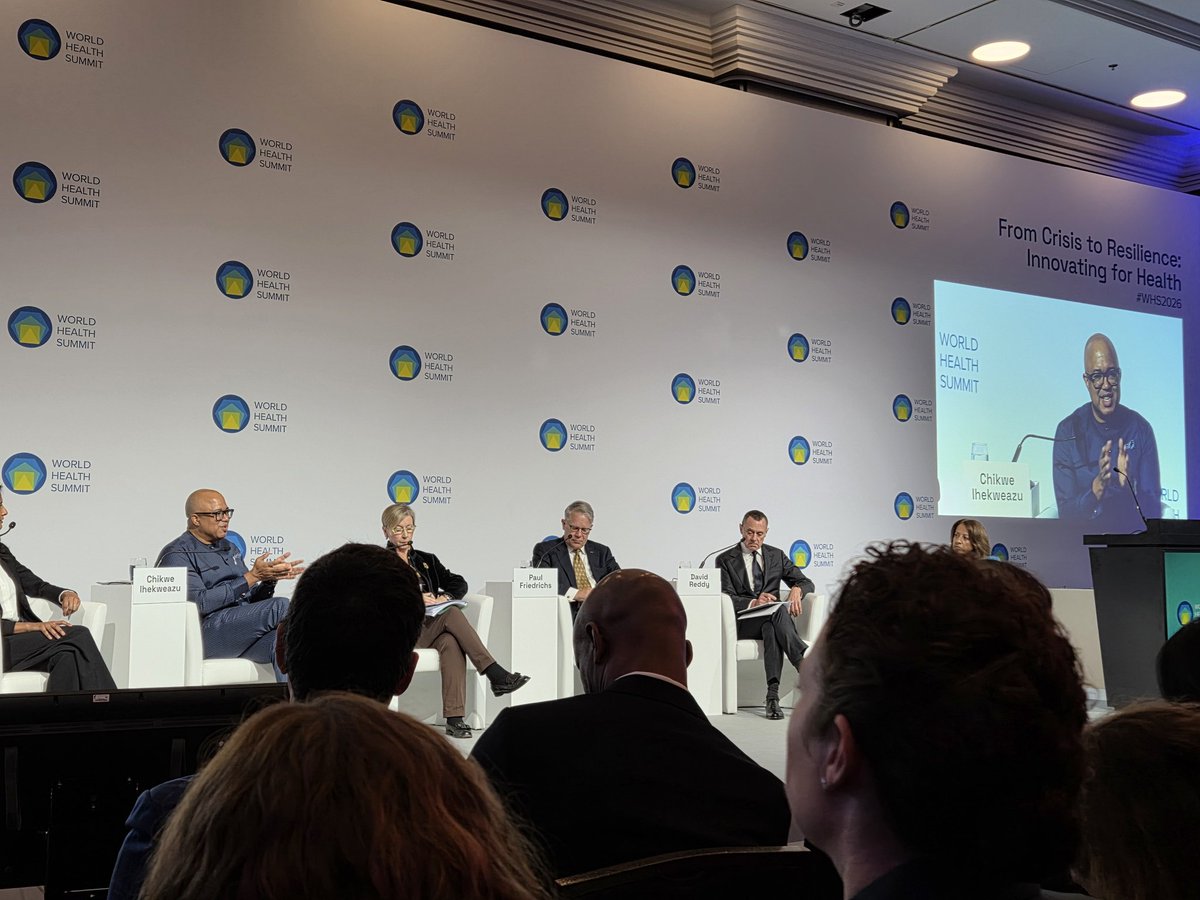
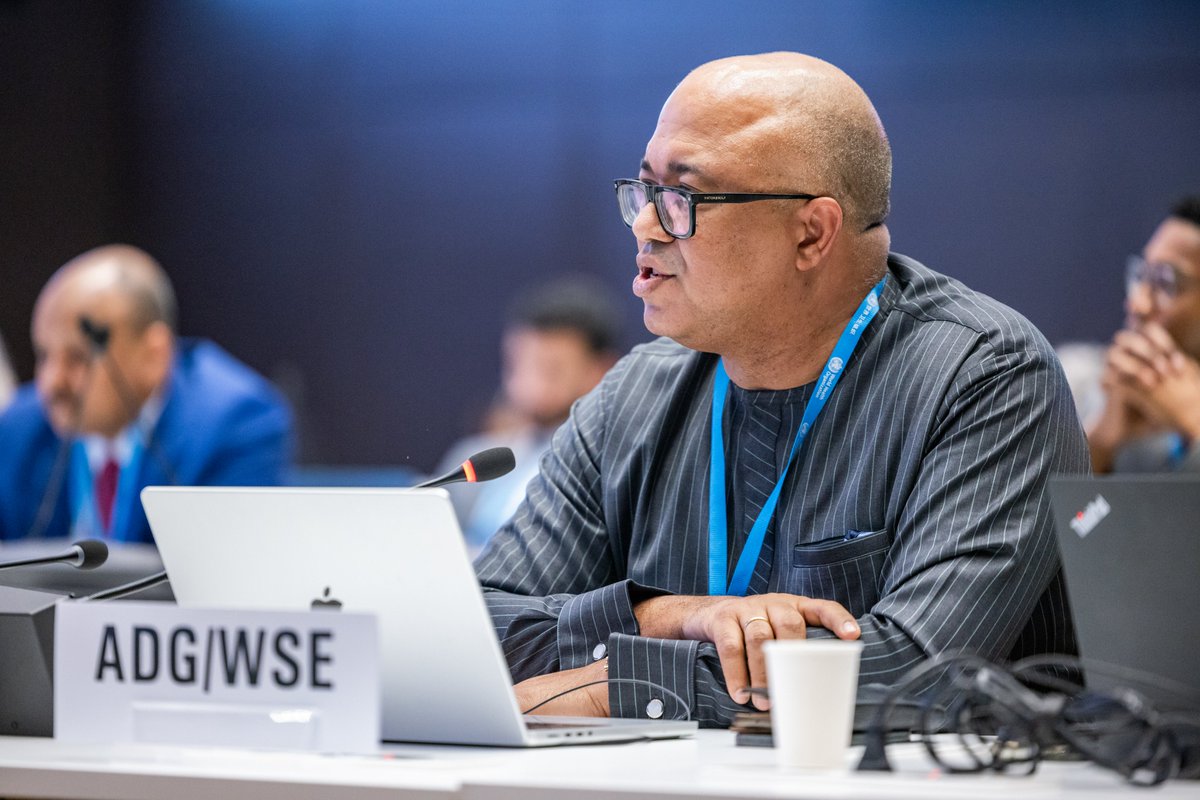
Stark reminder at the Berlin World Health Summit #WHS2026 by our very own Dr Chikwe @Chikwe_I on the need for the world to unify and work together in the face of a complex, rapidly growing Ebola pandemic. Such an honor to meet you, Sir.
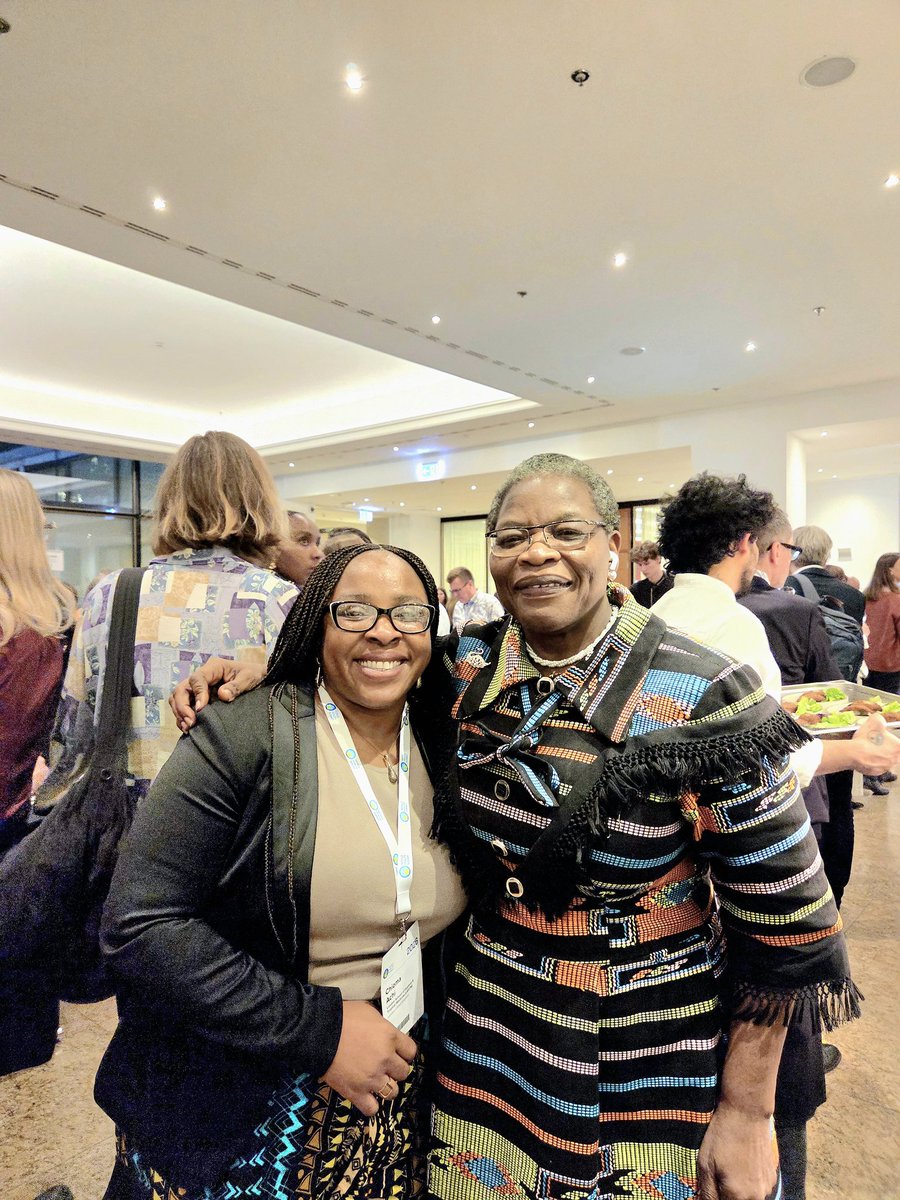
Really delighted to have met our indefatigable and widely respected @obyezeks at the Berlin World Health Summit #WHS2026. Interesting to hear her perspective on how the African continent can invest more in health to build more resilient health systems. Super inspired!
Really interesting keynote speech from Prof John Kitayimbwa at the 2026 @CambridgeAfrica Day. Why do some deaths become emergencies while others become Statistics?
Research shld be shaped by what quietly ruins Africa, not just issues that threaten the world! #CambridgeUniversity
Interesting talk @TARGet_AMR conference by Dr @JGarciaIglesias on the importance of involving communities from the start when deploying genomic technologies. No assumptions should be made as these technologies can deepen or address inequality. #TARGetAMR26
📢 Opportunity for Early-Career Researchers (plz share )
The Wellcome Sanger Institute International Fellowship offers 3 years of support plus a £100,000 research stipend (staff, sequencing, travel, and more).
Eligible applicants are researchers employed at institutions in low- or middle-income countries, typically within 9 years post-PhD. Research should address local priorities and align with Sanger’s scientific strategy.
🔗 Apply here:
https://t.co/NEeyeji0vF
#ResearchOpportunity #GlobalHealth #Genomics #EarlyCareerResearcher #WellcomeSanger
Today at the @IneosOxford organised Beyond Antibiotics Conference, Dr Jennifer Shelton emphasises the growing challenge of fungal dzs & antifungal resistance. This is a problem that is closer to us than we imagine and we must embrace a One Health approach in tackling this. #AMR
On this International day of Women and Girls in Science, we are reminded that women and girls play an important role in science and should be supported in every possible way. #WomenInScience#STEM#WomenInSTEM
As @MoetiTshidi ends her term as Regional Director for @WHOAFRO, the WHO Director-General, @DrTedros, today appointed Dr @Chikwe_I as Acting Regional Director.
A new Regional Director for Africa will be elected in May.
📰Nigeria ranks 20th out of 204 countries for AMR death rates and now scientists at the IOI have found that flies in Nigerian hospitals may be spreading drug-resistant bacteria.
@KirstySands1 and @Chijev speak to @katlay at The Guardian.
Read more: https://t.co/nz97Y97MQP
Disturbing findings as bacteria from most of the flies collected from different hospital wards in Nigeria carried multiple resistant genes @LSHTM_AMR@HananBalkhy@CamVetSchool@Iruka@markaholmes
https://t.co/vOrt39f1AE
Our recent study found that bacteria isolated from flies collected from hospital wards carried clinically relevant antimicrobial resistance genes, + blaNDM and MecA & could pose potential threats to patients. @IneosOxford@MedResFdn_AMR@WHO@AfricaCDC
https://t.co/57jGQEKYNx