@JohnLeguizamo Lol Hell is hot for a lot of you under seasoned, skin mutations who voted for a convicted pedophile, rapist, racist who wouldn't care if your corpse was splayed across the very flag that he disgraced.
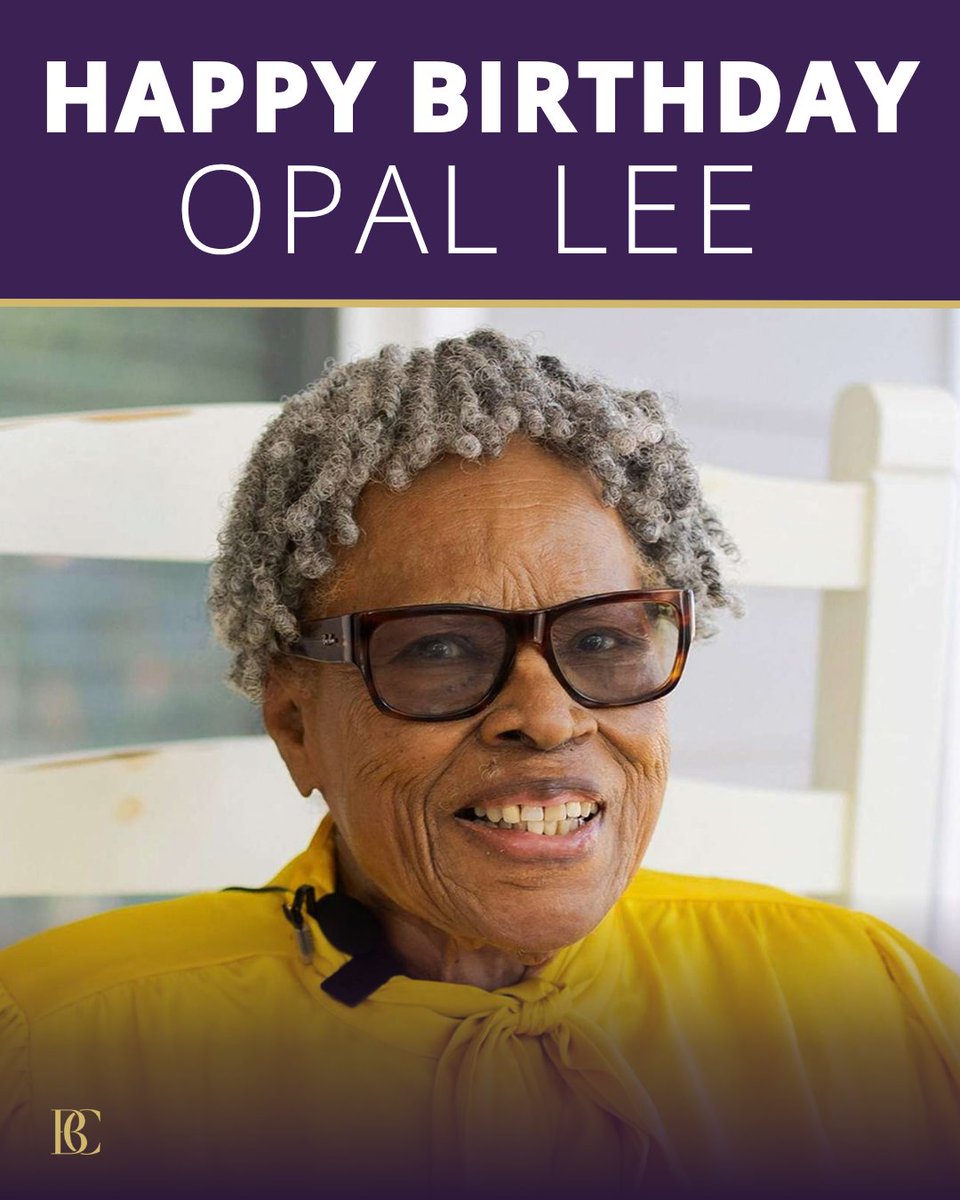
Happy 100th birthday to Opal Lee, aka the “Grandmother of Juneteenth!” At 89, she began her historic walk to help make Juneteenth a federal holiday, and she’s STILL advocating for the preservation of our history! Queen, your century of perseverance and service shows us the power of never giving up! 🎂
Enslaved Black people overwhelmingly desired freedom, but some felt intense fear, hesitation, or uncertainty about how they would survive free in a white man's world immediately after emancipation. These types of Black people still exist today.
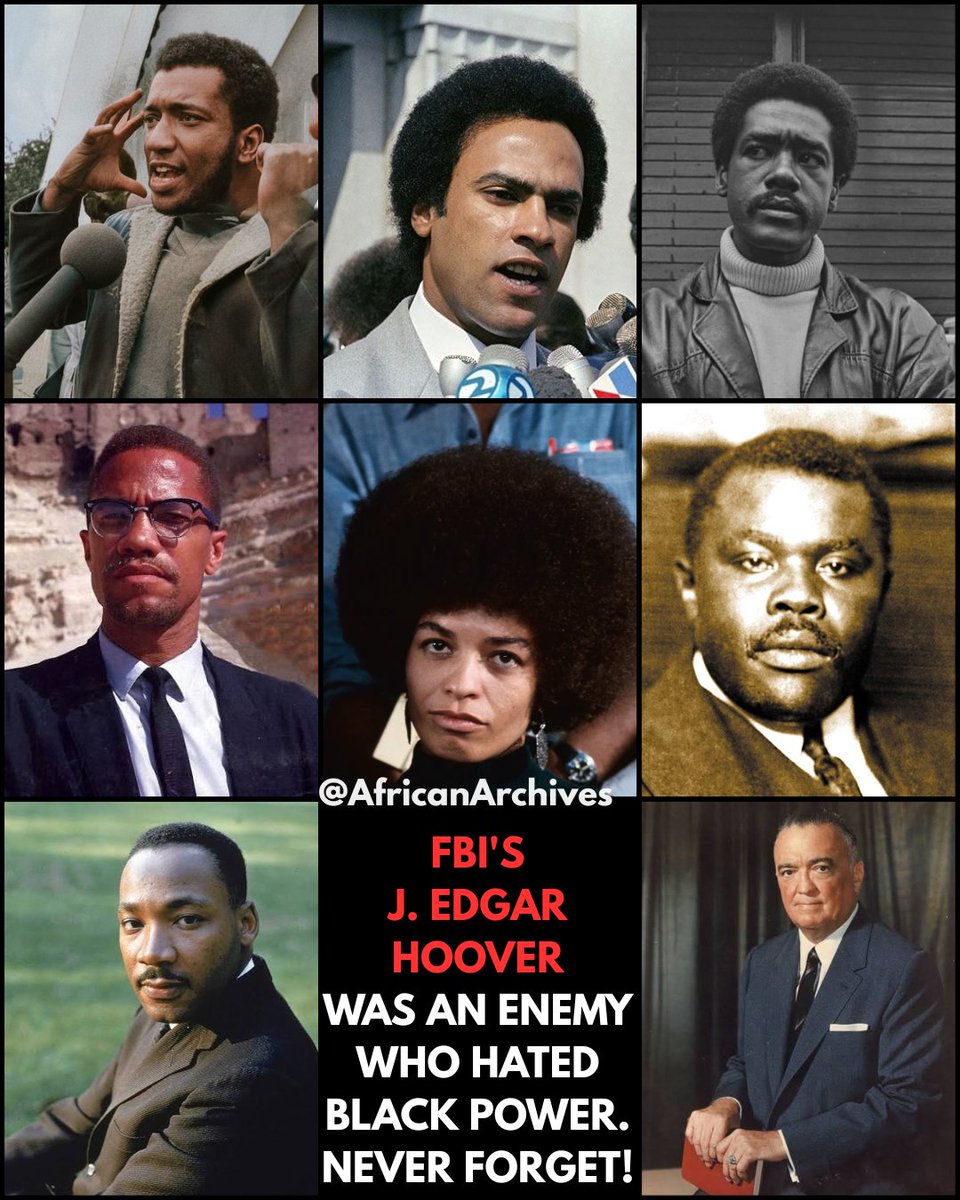
For decades, Black activists and organizations were watched, investigated, and targeted by federal authorities during some of the most important struggles of the 20th century. The FBI’s COINTELPRO program, which began in 1956 and was expanded to include the Black Panther Party in 1967, was officially described as an effort to disrupt groups considered threats. Declassified records later showed that the program went beyond simply investigating crimes. The FBI infiltrated organizations, attempted to create divisions within them, and sought to discredit certain leaders and movements. Martin Luther King Jr. was also subjected to FBI surveillance, including wiretapping, while the Southern Christian Leadership Conference was investigated. Malcolm X, Marcus Garvey, Angela Davis, Fred Hampton, Huey Newton and Bobby Seale all belong to different generations and political traditions, so they should not be treated as though they were part of one single movement. What connects many of the figures pictured is that their activism, political ideas, or organizations came under intense government scrutiny during periods of major social change. The Church Committee’s investigations in the 1970s examined these intelligence operations and criticized COINTELPRO for infringing constitutional rights. The FBI itself later acknowledged that some of its tactics went too far, and COINTELPRO was formally ended in 1971.
“Slavery is white history. How we survived it is Black history.” The words make an important distinction about how the history of slavery is often taught. Enslavement was not something Black people created or chose for themselves. It was a system built, enforced and profited from by people and institutions that turned human beings into property and made racial inequality part of law and society.
But Black history cannot be reduced to what slavery did to Black people. It also includes what enslaved Africans and their descendants did in spite of it. They preserved families and traditions, created new cultures, practiced their faith, learned and taught one another, resisted their enslavers and built communities under conditions designed to deny them control over almost every part of their lives.
Resistance took many forms. Some escaped slavery through networks of assistance or created independent Maroon communities. Others organized revolts, secretly learned to read, preserved African traditions, negotiated for greater control over their lives or simply refused to allow slavery to completely determine who they were. Survival itself required extraordinary adaptation across generations.
That distinction matters because Black history is much larger than suffering. The history of slavery must be remembered in all its brutality, but so must the people who survived it, resisted it and created lives beyond it. Their story is not only about what was done to them. It is also about what they built, protected and passed down despite everything that was done to prevent them from doing so.
Dolly Parton, legendary singer-songwriter and country music icon, has died at age 80. Her music touched generations, but her commitment to philanthropy is a legacy all its own. I had the pleasure of crossing paths with her over the years, and her generosity was as real in person as it was in her work. Her Imagination Library put free books in the hands of children across the country since 1995. She never stopped finding ways to give back. Rest in Power, Dolly.