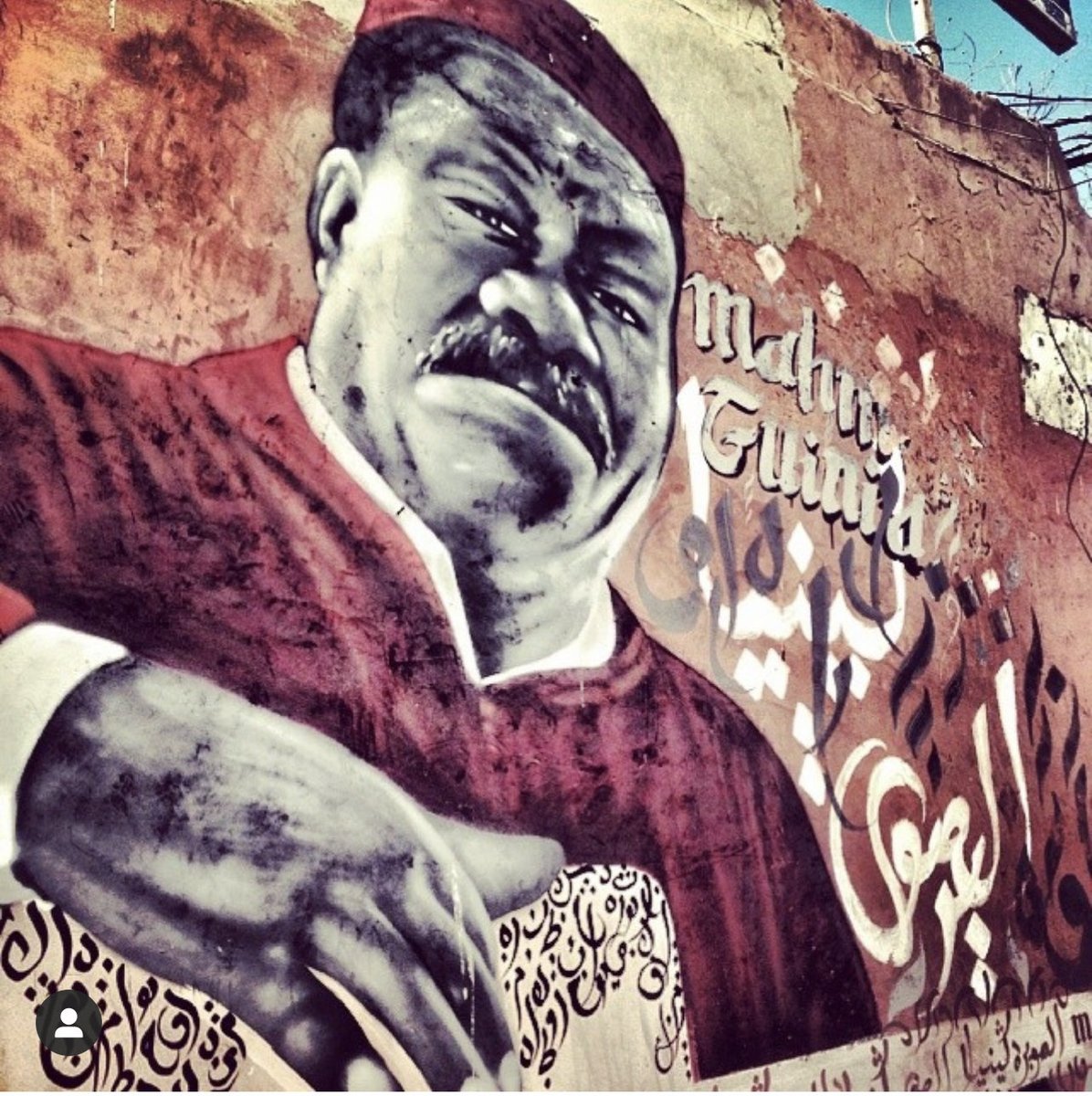
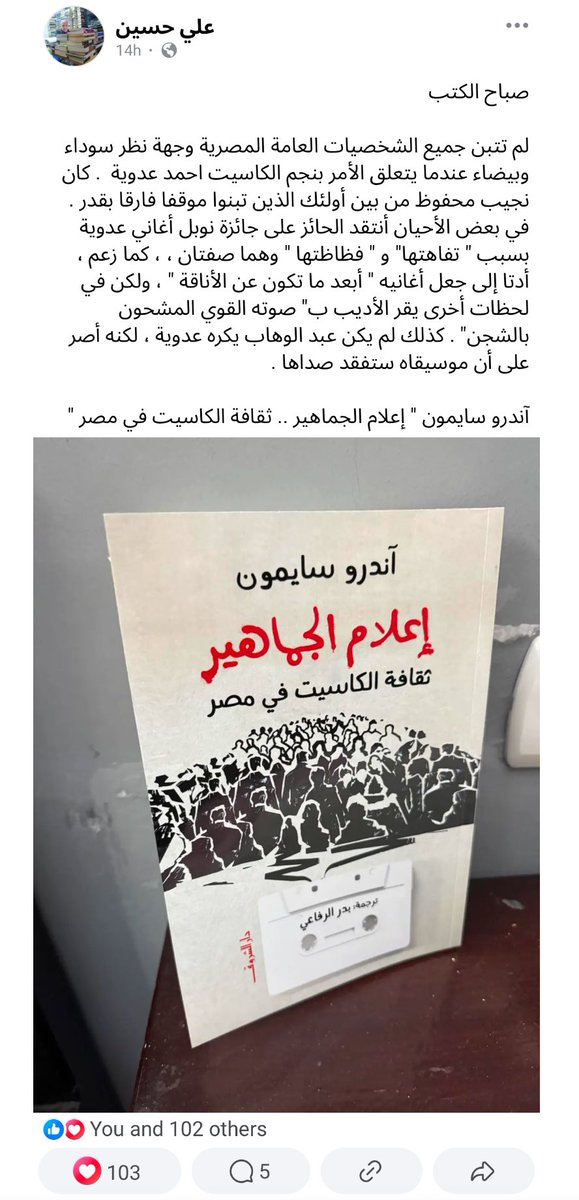
@simongandrew Wonderful news. This would help Arabic speakers back home (whose second language is FR) to engage with your work, which might up perspectives on studying cassettes and sound-related topics locally.
Congrats again.
To see this story finally out in the world in Arabic, and to have readers who experienced Egypt’s cassette culture first-hand engage with it, is truly something else. These photos and exchanges mean so much to me.
Pre-orders are now available for my forthcoming book "Digital Political Cultures in the Middle East since the Arab Uprisings". Thank you to all the revolutionary spirits who inspired my research! @ibtauris@BloomsburyBooks@SOAS_MEI@SOAS
https://t.co/zCNFktOSPX
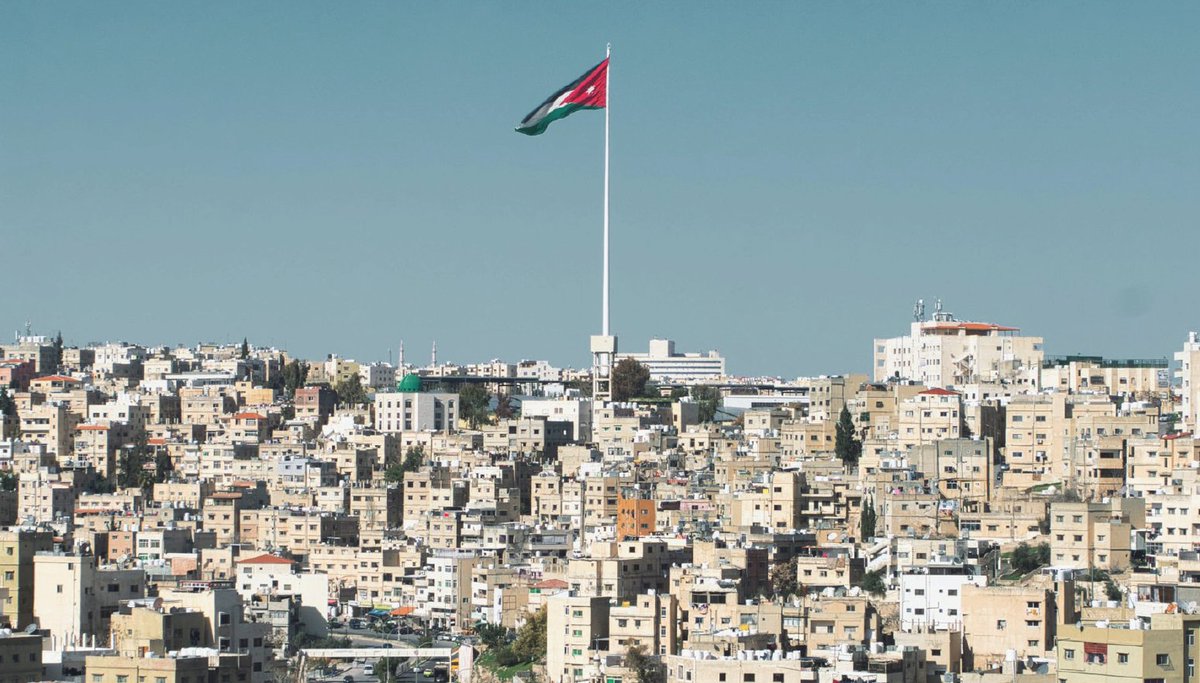
Conférence de clôture | Rethinking the nationhood in the Middle East: Jordan as a case study.
Projet Najor@mo #Mutations, soutenu par @somum_amu@IREMAM7310@ifporient#MESOPOLHIS
Dates : 5 et 6 octobre 2022
Programme : https://t.co/wUc7cEtLqw
Apply now! We are open for applications for admission in fall 2023. Come to Berlin, and do your PhD in our doctoral program Muslim Cultures and Societies. Deadline is on 1 November. Call and all information here: https://t.co/DxnjL5yT8E
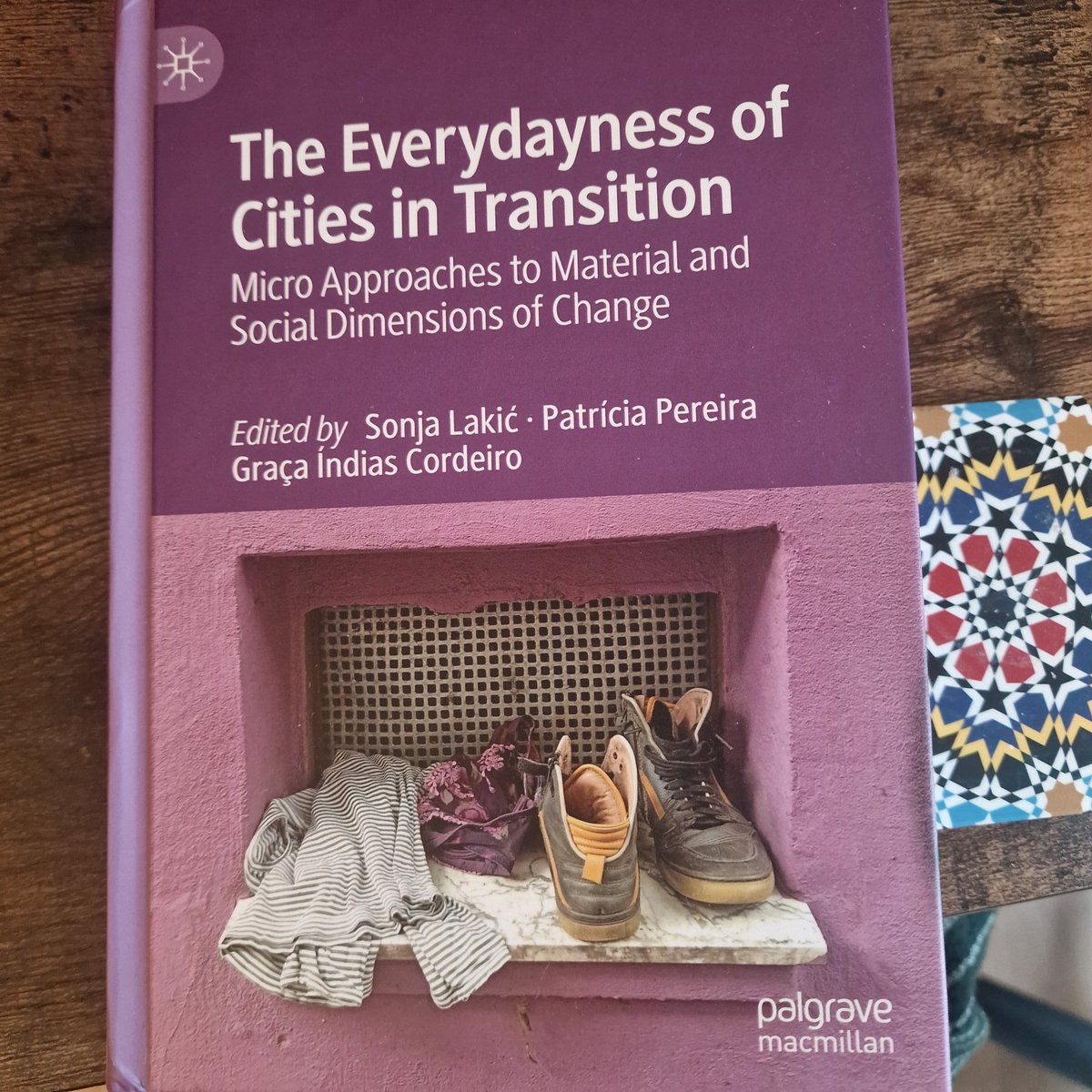
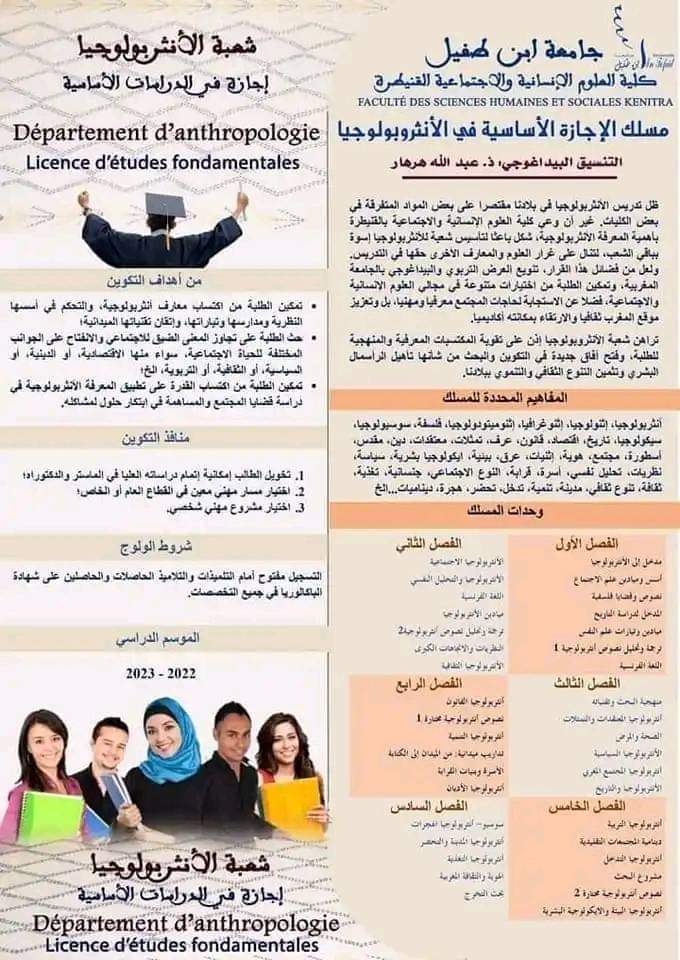
For the first time in Morocco, an independent dept. and a bachelor degree in anthropology.
This discipline has been taught within the dept. of sociology. Historians and sociologists were/are against it for being colonial (as if other disciplines were not).
Happy for that.
SO HE WENT TO THESE ISLANDS & INVENTED THIS WHOLE NEW METHOD FOR ANTHROPOLOGY WHERE YOU GOTTA BE IN ONE PLACE FOR A WHOLE YEAR & 'GRASP THE NATIVE'S POINT OF VIEW' & THAT'S COOL BUT THE MAIN REASON HE WAS STUCK THERE A WHOLE YEAR WAS WWI & HE WAS ACTUALLY REALLY RACIST IN HIS NO-
[WEBINAR]
Rethinking the Nationhood in the Middle East: Jordan as a case study
“Reading, Writing, and Drawing the Nation: Cultural Production and Society in Jordan”
🗓 Tuesday 17th of May, 3.00-5.00 p.m (CET), online.
📍 Zoom
🎤 Emad Hajjaj, Omar Zakaria
https://t.co/gNfxtSFCli
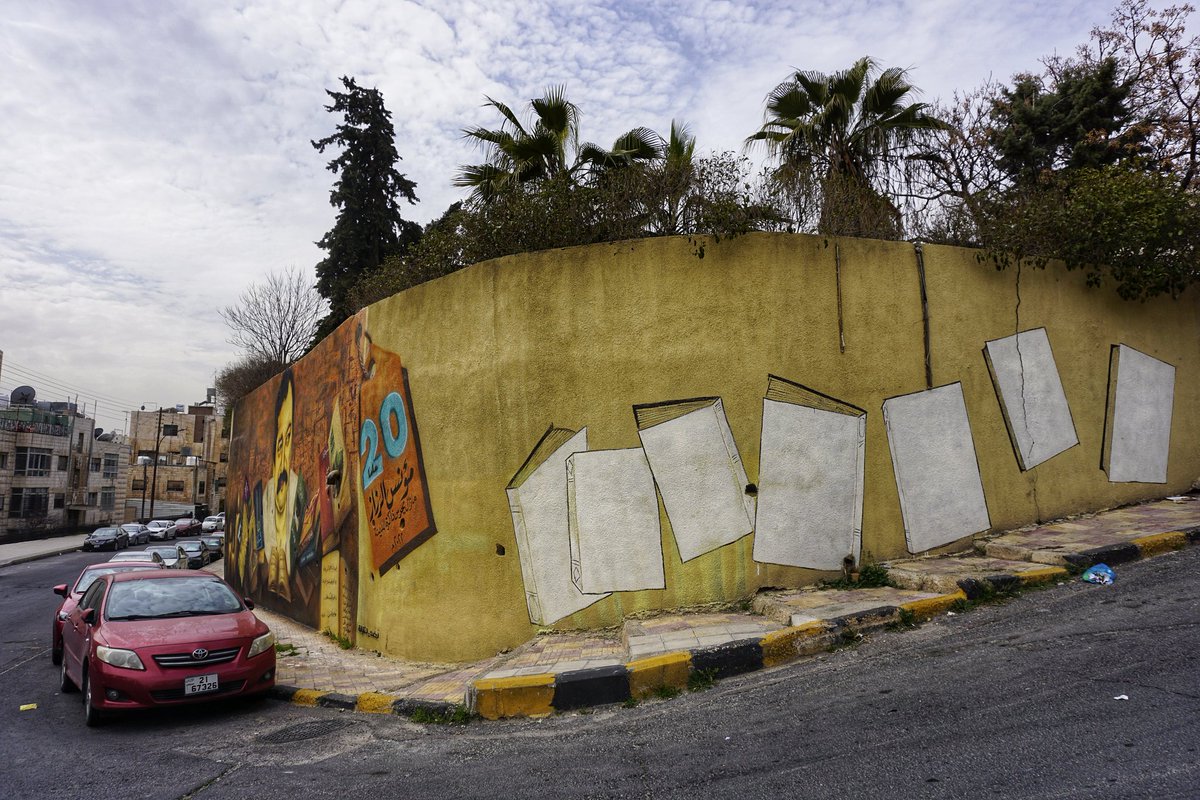
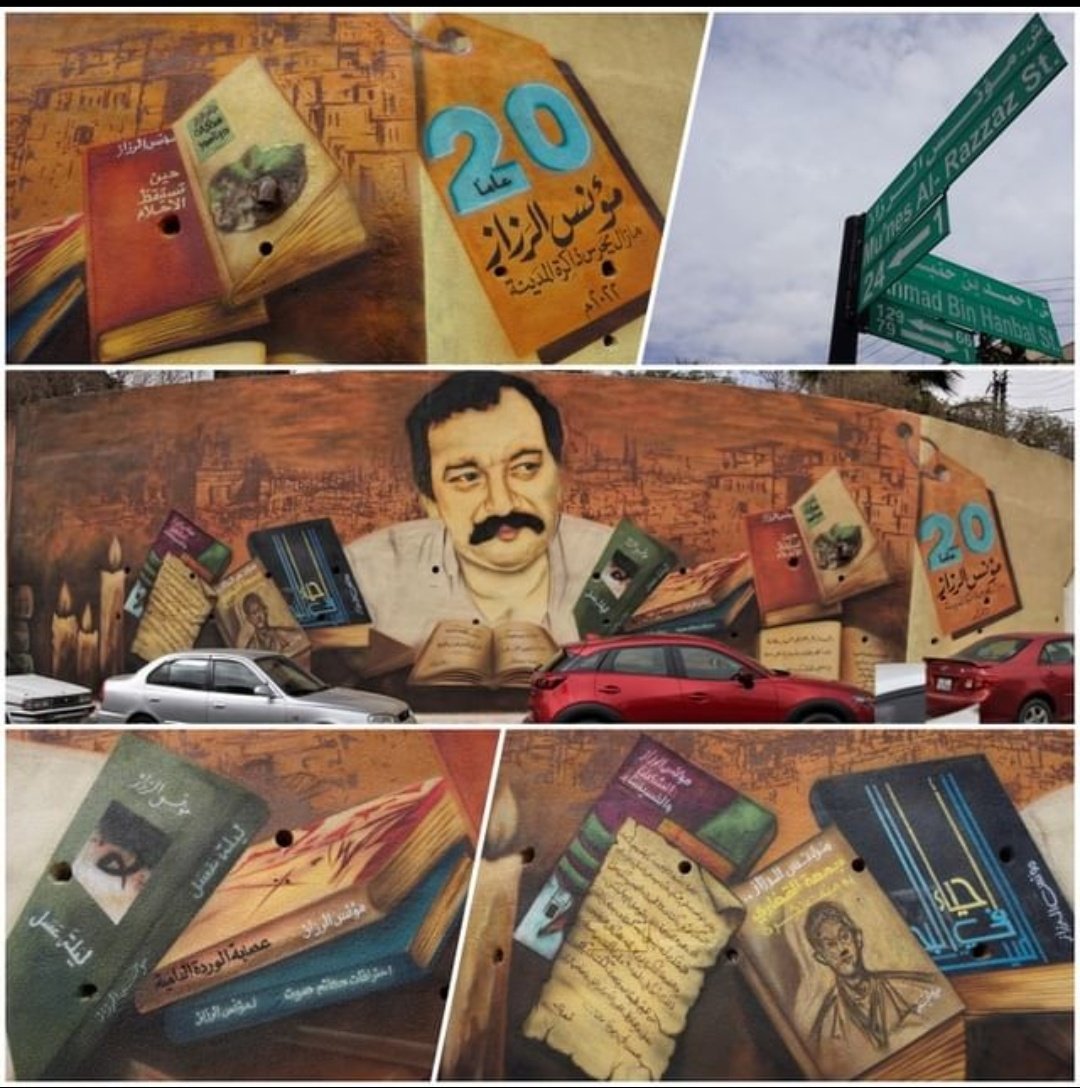
A mural for the late Jordanian writer Mu'nes Al-Razaz in Amman, Jordan.
Once he wrote about his relation with Amman, Baghdad and Beirut that
"Cities are mirrors... They don't wanna reflect my image. Whenever I look at a mirror, it becomes transparent".
Why 20 years after?









![ifporient's tweet photo. [WEBINAR]
Rethinking the Nationhood in the Middle East: Jordan as a case study
“Reading, Writing, and Drawing the Nation: Cultural Production and Society in Jordan”
🗓 Tuesday 17th of May, 3.00-5.00 p.m (CET), online.
📍 Zoom
🎤 Emad Hajjaj, Omar Zakaria
https://t.co/gNfxtSFCli https://t.co/iszZzU1uoU](https://pbs.twimg.com/media/FSfKhqzXoAItdYt.jpg)