The most annoying part of academic writing is knowing the thing, but looking for some other paper to say it for you. You can't just say bread is soft, you have to say according to Baker 2001, bread is soft. 😕
We've updated our DCAF16-BRD4 preprint with lot new data: structure-design picomolar degraders, glues to a distinct E3 ligase (DCAF11) and revised title: Targeted protein degradation via intramolecular bivalent glues @UoDCeTPD@ollie_lh @georg_e_winter https://t.co/2aLqLNkmfj
Celebrate the game-changers, visionaries, and trailblazers in the chemical sciences in our special hour-long webinar taking a deep dive into this year’s #NobelPrize winning science.
Secure your place for this @ChemistryWorld webinar today: https://t.co/7UTFRu5y6Y
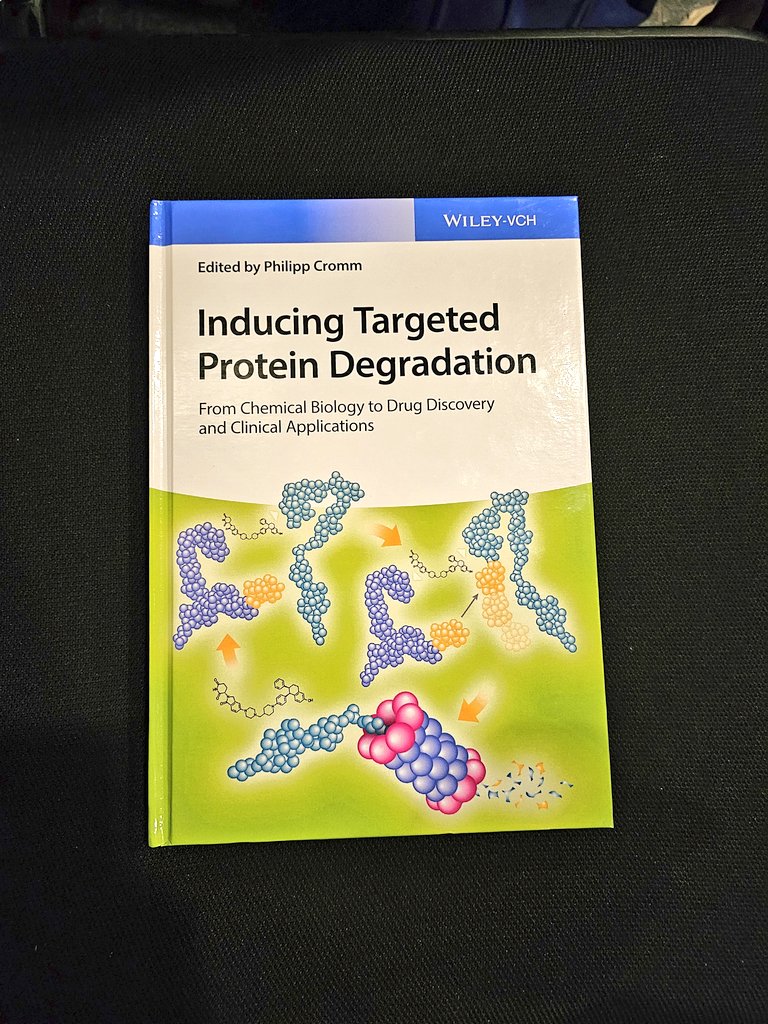
#ClickChemistry and Targeted Degradation: A Winning Combination for Medicinal Chemists? (M. L. Bolognesi et al.) @mlbolognesi#openaccess https://t.co/LkEYsSPxkh
Feedback from the journal:
"the Journal of Virology and American Society for Microbiology (ASM) could not substantiate these figure concerns."
You got to be kidding me.
#ImageForensics@JVirology@ASMicrobiology
X-ray structure determinations illuminate the striking ability of creative DELs and DEL screens to yield novel binders – in this case MPro inhibitors from @DamianYoung29 and collaborators.
What we are trying to do with PROTACs and proximity drugs clearly goes against the grain with respect to molecular weight (MW) but not as much as you might think.
The mean MW of current oral clinical PROTACs is 785 Da versus 370 Da for all approved oral drugs.
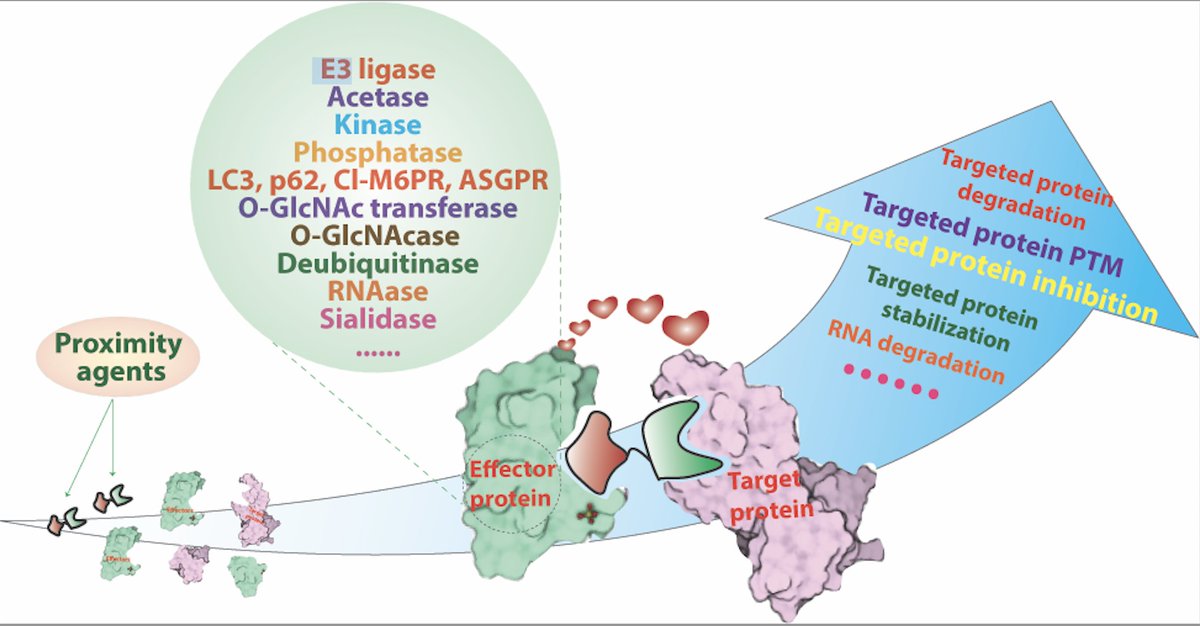
Excited to share our new review on Proximity-Based Modalities for Biology and Medicine | Just out ASAP in ACS Central Science @ACSCentSci https://t.co/bkDdnQS2TM
Very pleased to see Derek Lowe discussing our very recent paper on quality criteria for covalently acting & molecular degrader chemical probes: Chemical Probes, Used and Misused | Science | AAAS @thesgconline #openscience https://t.co/3WdpxhJYVJ