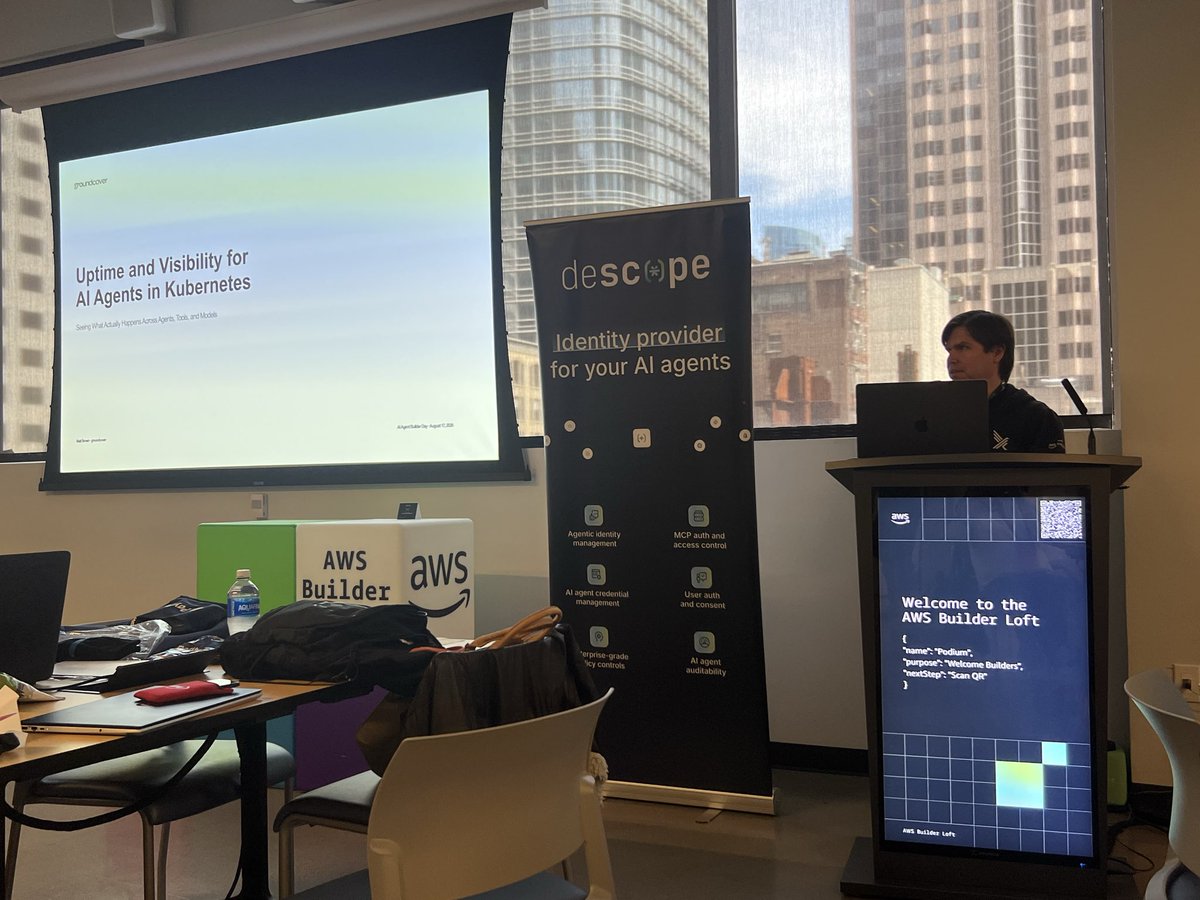
Before groundcover, @TAOTesting went through two observability platforms. Neither scaled with the business.
As costs grew, observability was limited to production, and every query came with a price tag.
With groundcover, observability expanded to every environment, giving engineers the freedom to investigate issues earlier.
>> https://t.co/rrclOb9UIr
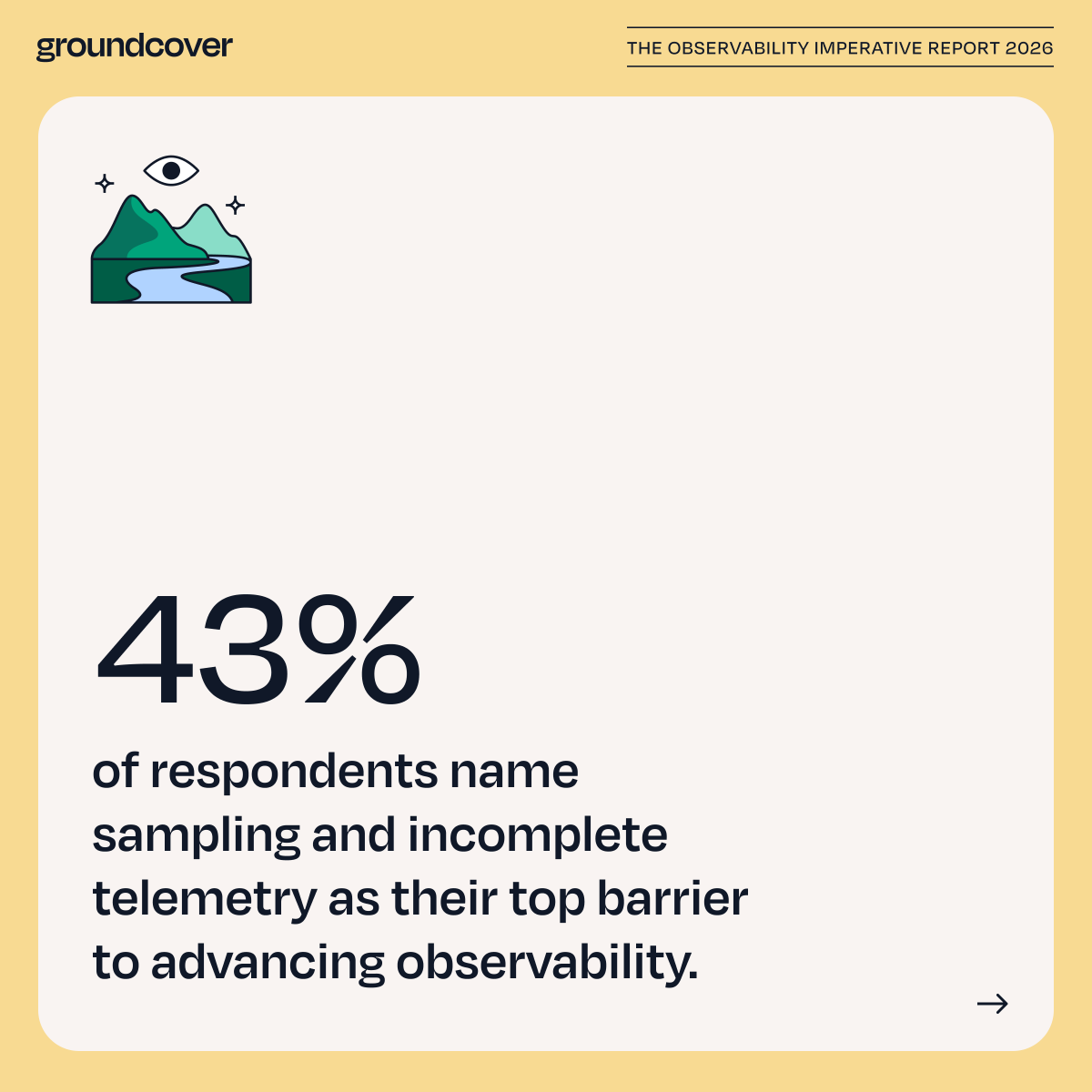
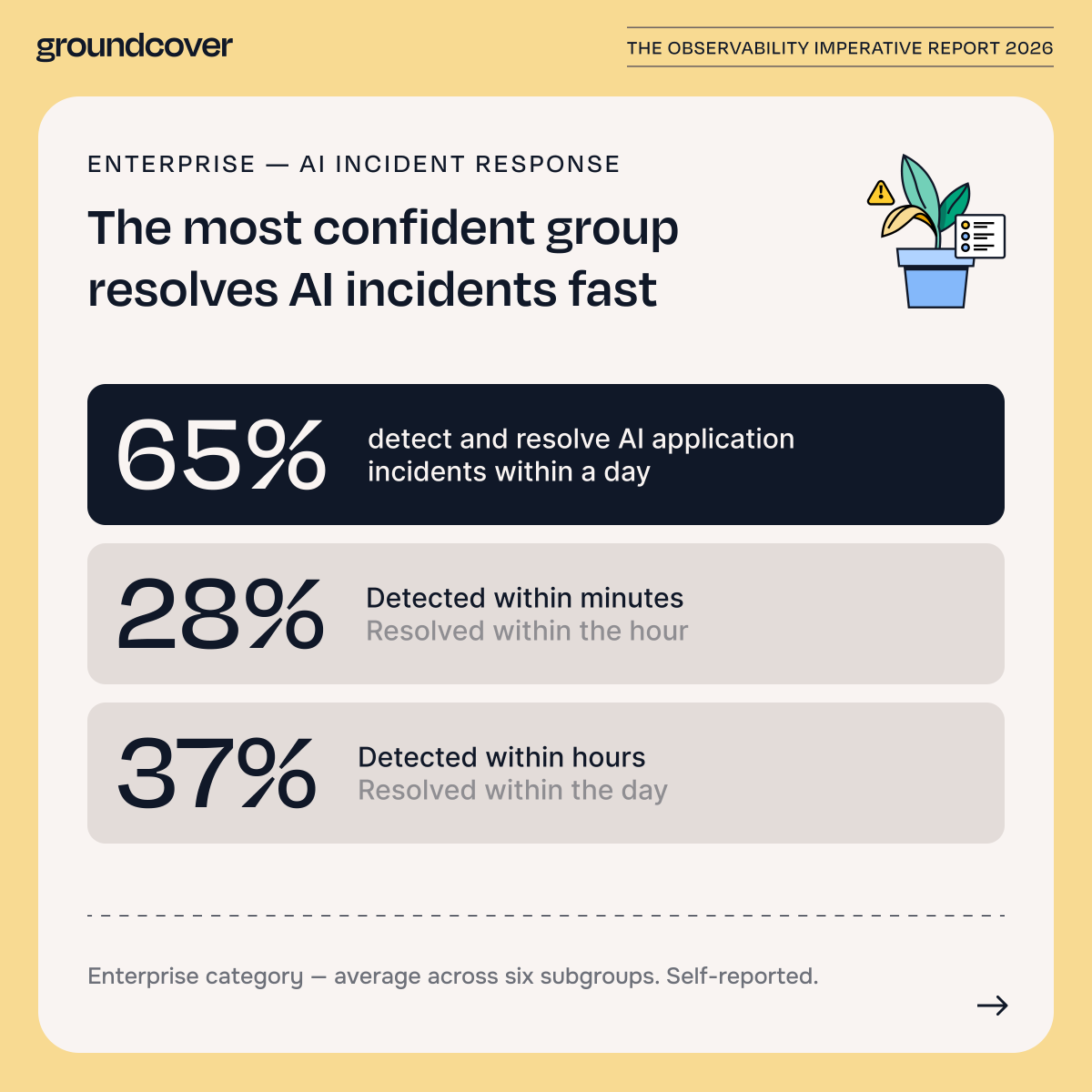
We asked engineering leaders what's actually changing in observability, and where it's headed next. Key findings in the thread. Full report below.
Download → https://t.co/egfB8I21C1
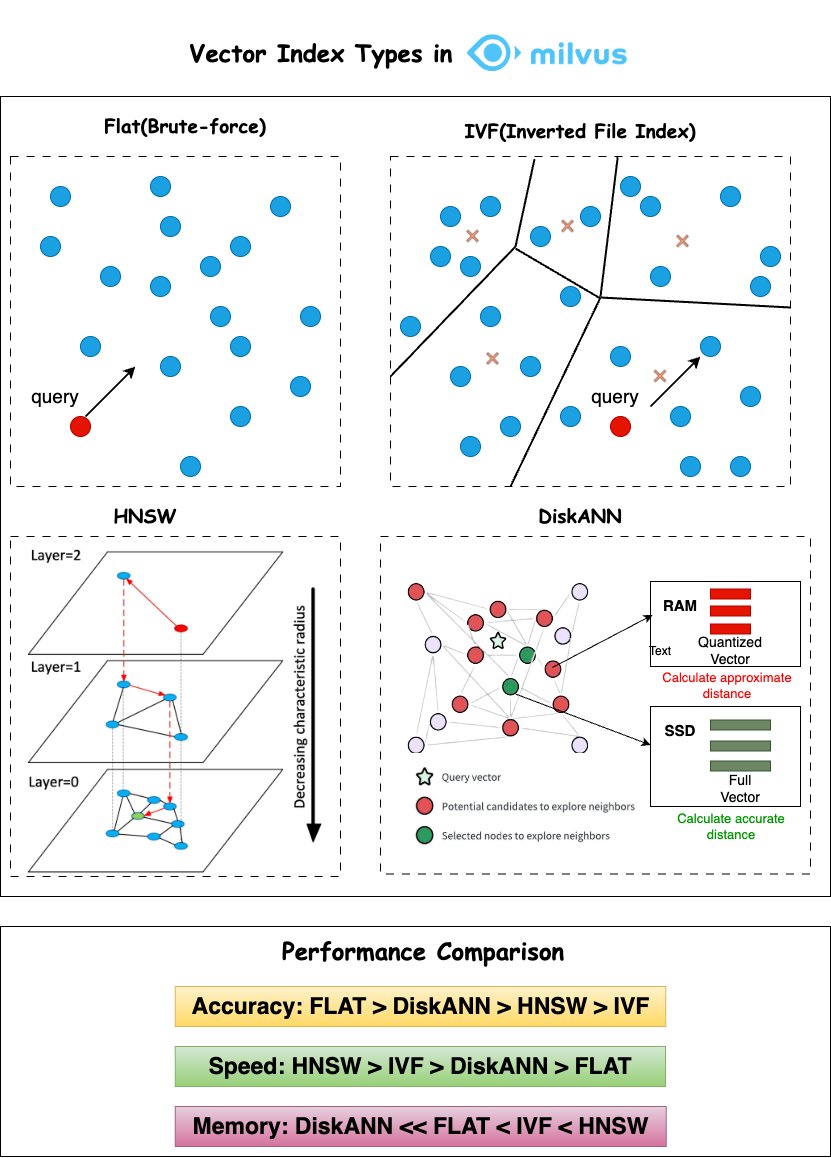
If you've ever wondered how vector search engines make similarity search fast, it comes down to smart indexing strategies.
Milvus, created by Zilliz offers a variety of indexing methods for you to choose from:
𝐅𝐥𝐚𝐭 (𝐁𝐫𝐮𝐭𝐞-𝐟𝐨𝐫𝐜𝐞): Brute-force scan without index structure — compares your query against every single vector, the most accurate.
𝐈𝐕𝐅 (𝐈𝐧𝐯𝐞𝐫𝐭𝐞𝐝 𝐅𝐢𝐥𝐞 𝐈𝐧𝐝𝐞𝐱): First cluster vectors, then search only the relevant clusters — like organizing your closet by category.
𝐇𝐍𝐒𝐖 (𝐇𝐢𝐞𝐫𝐚𝐫𝐜𝐡𝐢𝐜𝐚𝐥 𝐍𝐚𝐯𝐢𝐠𝐚𝐛𝐥𝐞 𝐒𝐦𝐚𝐥𝐥 𝐖𝐨𝐫𝐥𝐝): Think of it as a multi-layered graph — fast navigation from coarse to fine levels.
𝐃𝐢𝐬𝐤𝐀𝐍𝐍: Graph-based index optimized for SSD storage — keeps quantized vectors in memory to calculate approximate distance and a full-precision version on disk to calculate accurate distance.
A guide for you to select the right index for your use case based on accuracy, speed, and memory usage.
-----
Want to learn more about vector databases, RAG, or LLM infra? Follow @milvusio for more hands-on tutorials and industrial insights.
🐦 Which Milvus are you today?
Feeling positive? 😄
Spreading the love? 🫶
Or… just a little annoyed? 😤
At Milvus, we understand vectors — and vibes. Let Milvus lighten your mood and save a dry tech chat!
These cute stickers were created by our amazing 𝐌𝐢𝐥𝐯𝐮𝐬 𝐀𝐦𝐛𝐚𝐬𝐬𝐚𝐝𝐨𝐫𝐬.
👉Apply to be a Milvus Ambassador: https://t.co/AeyDcZVQSG
Want the original image? Follow @milvusio and we'll send you the original pics!
#MilvusAmbassador
💰 𝐘𝐨𝐮𝐫 𝐯𝐞𝐜𝐭𝐨𝐫 𝐬𝐞𝐚𝐫𝐜𝐡 𝐛𝐢𝐥𝐥 𝐢𝐬 𝐩𝐫𝐨𝐛𝐚𝐛𝐥𝐲 𝐰𝐚𝐲 𝐡𝐢𝐠𝐡𝐞𝐫 𝐭𝐡𝐚𝐧 𝐢𝐭 𝐧𝐞𝐞𝐝𝐬 𝐭𝐨 𝐛𝐞.
The problem: In multi-tenant apps, you're keeping inactive tenant data in expensive hot storage "just in case" they need it. Most of the time, they don't.
𝐓𝐡𝐞 𝐞𝐧𝐠𝐢𝐧𝐞𝐞𝐫𝐢𝐧𝐠 𝐜𝐡𝐚𝐥𝐥𝐞𝐧𝐠𝐞:
Push cold data to cheap object storage ✅
While keeping query latency at a reasonable level ❌ (this is the hard part)
Queries hitting cold storage can take 2-3 seconds. That's a non-starter for most real-time applications.
The solution requires rethinking your entire storage architecture—not just "moving old data to S3" but 𝐨𝐩𝐭𝐢𝐦𝐢𝐳𝐢𝐧𝐠 𝐚𝐜𝐫𝐨𝐬𝐬 𝐦𝐞𝐦𝐨𝐫𝐲, 𝐝𝐢𝐬𝐤, 𝐚𝐧𝐝 𝐨𝐛𝐣𝐞𝐜𝐭 𝐬𝐭𝐨𝐫𝐚𝐠𝐞 𝐥𝐚𝐲𝐞𝐫𝐬 𝐭𝐨 𝐦𝐚𝐤𝐞 𝐜𝐨𝐥𝐝 𝐝𝐚𝐭𝐚 𝐫𝐞𝐭𝐫𝐢𝐞𝐯𝐚𝐥 𝐚𝐜𝐭𝐮𝐚𝐥𝐥𝐲 𝐮𝐬𝐚𝐛𝐥𝐞.
This is the kind of optimization work that doesn't make headlines but saves thousands in infrastructure costs.
🎥 Full podcast: https://t.co/ESY8ttKTHe
🎧 Listen on Spotify: https://t.co/uRzJSYPc1Z
🔍 Struggling to squeeze more accuracy from your #RAG pipeline? The bottleneck might lie in how you compress knowledge.
Single vector retrieval flattens entire passages into a single embedding—like judging a book solely by its cover while losing every critical line inside.
💥 While 𝐬𝐢𝐧𝐠𝐥𝐞 𝐯𝐞𝐜𝐭𝐨𝐫 (dense) embeddings compress entire documents into one representation, 𝐦𝐮𝐥𝐭𝐢-𝐯𝐞𝐜𝐭𝐨𝐫 𝐦𝐨𝐝𝐞𝐥𝐬 models with late interaction are revolutionizing information retrieval by maintaining token-level semantics.
Why multi-vector models outperform traditional approaches:
📌 They preserve granular meaning rather than averaging it
📌Enable precise token-to-token matching between queries and documents
📌Perfect balance between speed and accuracy
Three cutting-edge implementations to know:
📝 𝐂𝐨𝐥𝐁𝐄𝐑𝐓: Text-specialized, ideal for high-precision RAG
📝 𝐂𝐨𝐥𝐏𝐚𝐥𝐢: Multimodal processing with PaliGemma Vision LLM
📝𝐂𝐨𝐥𝐐𝐰𝐞𝐧: Apache 2.0 licensed alternative using Qwen2
Want to future-proof your vector search infrastructure? Start now.
Multi Vector retrieval needs a vector database that scales—and #Milvus delivers: billions of vectors, low-latency search, and seamless integration with your RAG pipeline.
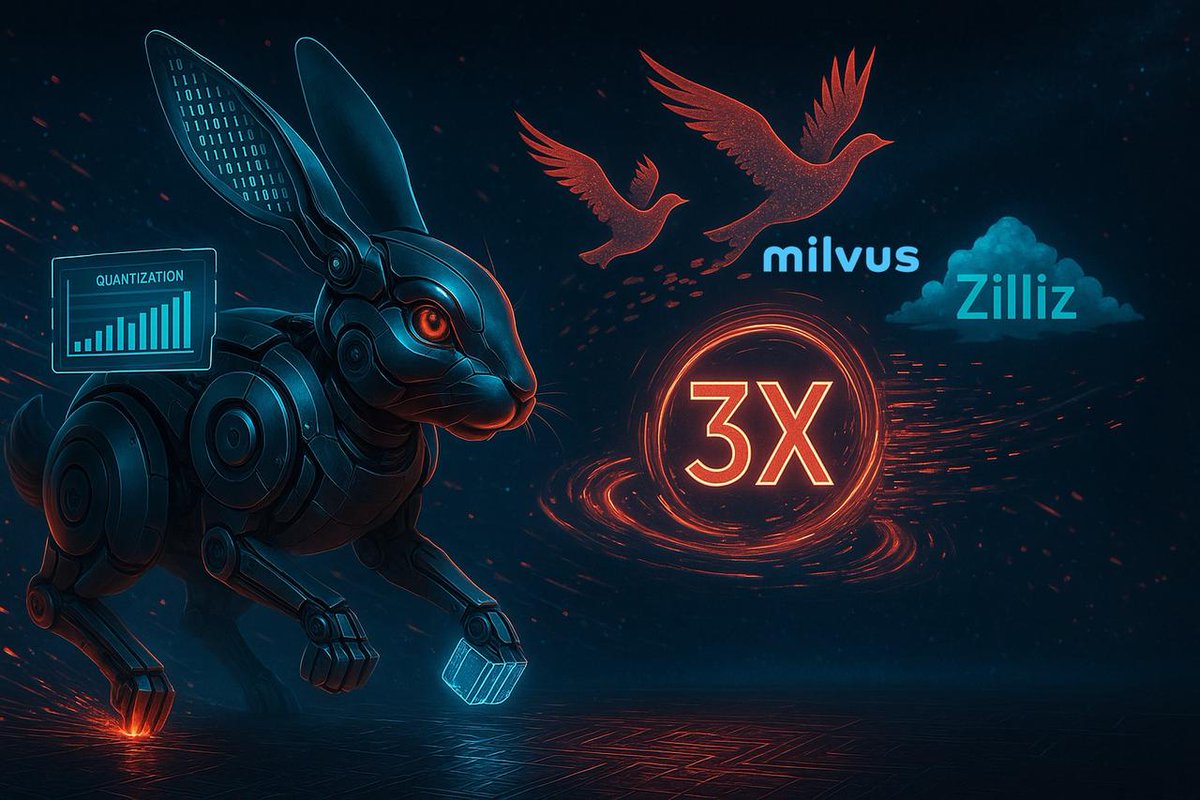
Day 2 of Milvus Week: Slashing costs with 𝐑𝐚𝐁𝐢𝐭𝐐 quantization 🐰
As engineers, we want it all—higher performance, lower cost, and competitive quality.
What if you could compress a vector down to just 𝟏 𝐛𝐢𝐭 𝐩𝐞𝐫 𝐝𝐢𝐦𝐞𝐧𝐬𝐢𝐨𝐧 and still achieve over 𝟗𝟎% 𝐫𝐞𝐜𝐚𝐥𝐥? At first, this sounds almost reckless. But RaBitQ leverages the geometry properties of high-dimensional space and uses a theoretically grounded, unbiased distance estimator to preserve the information for accurate ANN search.
To implement RaBitQ, we embedded several low-level optimizations into both open-source Milvus and the fully managed Zilliz Cloud.
The result: 𝟑× 𝐟𝐚𝐬𝐭𝐞𝐫 𝐯𝐞𝐜𝐭𝐨𝐫 𝐬𝐞𝐚𝐫𝐜𝐡 𝐰𝐢𝐭𝐡 𝐧𝐨 𝐥𝐨𝐬𝐬 𝐢𝐧 𝐫𝐞𝐜𝐚𝐥𝐥, and dramatically lower infrastructure cost.
⚡ From 𝟐𝟑𝟔 → 𝟖𝟗𝟖 𝐐𝐏𝐒 with quantized queries
🎯 94.7% recall with lightweight refinement
💰 Cutting costs by using only a fraction of the memory
🔗 Learn how it's possible: https://t.co/dLXVLCXLrw
Thanks, @franciscojarceo, for the excellent presentation! Great observation on how the original RAG paper proposed a different method to what's commonly known as RAG these days, and the value of fine-tuning the document encoder and retriever. Feast makes it super simple to do this and more, like ingesting unstructured data from PDFs
"How do I start with Milvus?" We hear you! 🔍
Proud to team up with @linuxfoundation on this tutorial! Check out Milvus's Bootcamp with notebooks for building image search, RAG, AI agents & more. @stefan_webb
🎥 Full video: https://t.co/EU9xyigBH1
🚀 New Video: Deploying Milvus Distributed with Kubernetes – Step-by-Step 🛠️
Milvus is a highly scalable vector database with distributed architecture. It has 3 "T-shirt" sizes: Small (Milvus Lite, runs in python), Medium (Standalone, everything compacted in Docker image) and Large (Distributed, the flagship version on K8s). Milvus Distributed can serve billions of vectors in a single cluster.
Want to learn how to deploy Milvus on K8s in a distributed setup? In this video, we'll walk you through the entire process:
🔹 Deploying Milvus using the default Helm chart
🔹 Customizing the configuration by updating the Helm chart
🔹 Testing the deployed Milvus with a quickstart example
🔹 Accessing Milvus WebUI for easy observation and interaction with the system
Whether you're new to Milvus or K8s, this step-by-step guide will help you set up and interact with your Milvus instance with ease.
🎥 Check it out now to scale your vector search with Milvus! https://t.co/7Ud2SkPbnf
#Kubernetes #Helm #VectorSearch #AI #DataEngineering #CloudNative #Deployment
We're thrilled that Milvus is a key component of the exciting Smart Health Agent demo being showcased at @Google Cloud Next 2025! Visit the @nvidia booth on April 10th (5 PM PT) or April 11th (11 AM PT) to see the demo
Transform your workflows with @minishlab's product: 𝐌𝐨𝐝𝐞𝐥2𝐕𝐞𝐜, a lightweight, high-performance embedding technique that converts 𝐒𝐞𝐧𝐭𝐞𝐧𝐜𝐞 𝐓𝐫𝐚𝐧𝐬𝐟𝐨𝐫𝐦𝐞𝐫 𝐦𝐨𝐝𝐞𝐥𝐬 𝐜𝐨𝐦𝐩𝐚𝐜𝐭, 𝐬𝐭𝐚𝐭𝐢𝐜 𝐦𝐨𝐝𝐞𝐥𝐬. It reduces model size by up to 50x and speeds up inference by up to 500x, with minimal performance loss. Model2Vec is ideal when you have resource-constrained devices. It seamlessly integrates with 𝐌𝐢𝐥𝐯𝐮𝐬 via the Model2VecEmbeddingFunction class, enabling effortless encoding of documents and queries into Milvus-compatible dense vectors while offering deployment flexibility—load models directly from Hugging Face Hub or use local models for diverse environments.
Try it here: https://t.co/zHh1R4uCWx
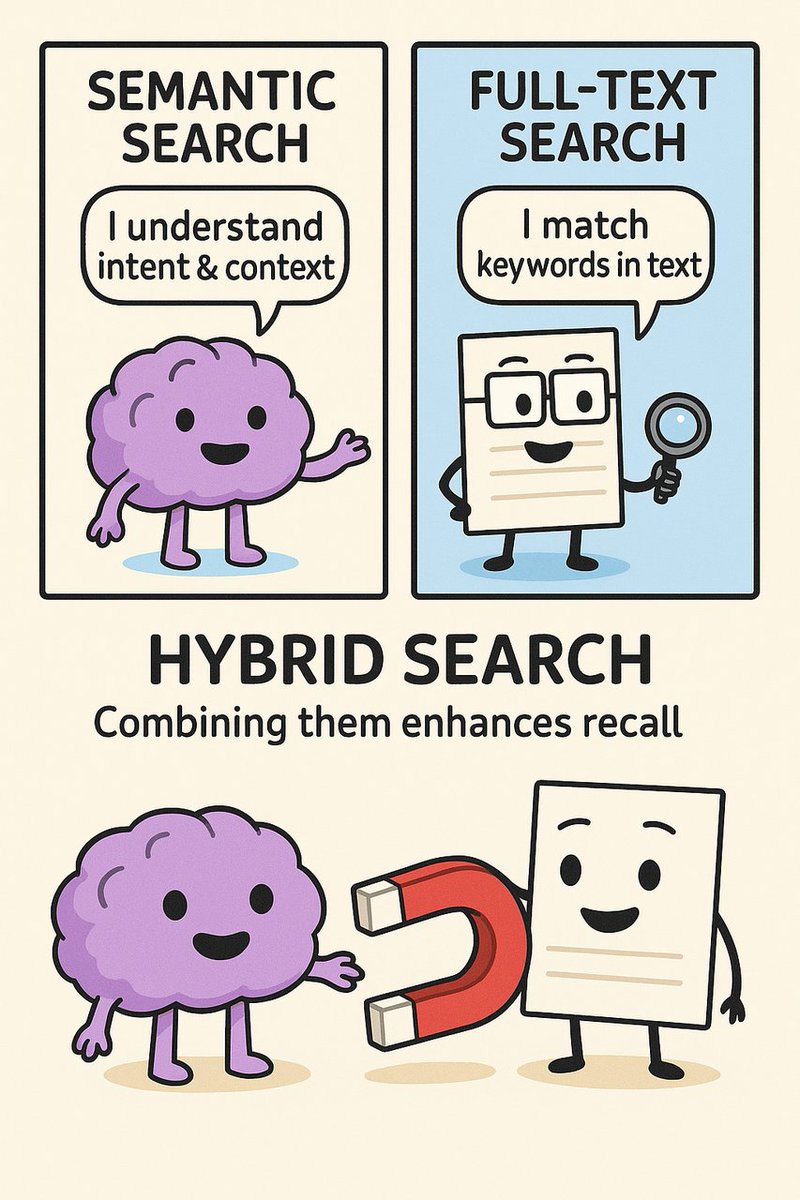
Still confused about 𝐅𝐮𝐥𝐥-𝐭𝐞𝐱𝐭 𝐬𝐞𝐚𝐫𝐜𝐡 𝐚𝐧𝐝 𝐒𝐞𝐦𝐚𝐧𝐭𝐢𝐜 𝐬𝐞𝐚𝐫𝐜𝐡? Let's see how @OpenAI's GPT-4o explains it through comics.
🔹 Full-text search: The classic retrieval method that finds documents containing exact terms/phrases through direct keyword matching.
🔹 Semantic search: Excels at understanding intent and context.
🚀 Hybrid search: Strategic combination of both approaches to maximize recall precision.
See detail: https://t.co/ZiN7yJy2Ks