I don't think there is any article I have read more times, learning more from every time, than Bonny Ibhawoh's
@giazilo Stronger than the Maxim Gun: Law, Human Rights and British Colonial Hegemony in Nigeria (2002). Model scholarship of the highest order.
Private equity: taming the beast - a joint podcast episode with the brilliant @BylineTimesPod@BylineTimes@GoldbergRadio discussing what's gone under the radar for too long - @hettieobrien.bsky.social discusses her brilliant book on the subject https://t.co/fc5eYZXDe6 #Taxcast
#NewRelease
Piratical States
British Imperialism in the Indian Ocean World, c.1780–1850
Simon Layton, Cambridge Univ Pr 2026
#OpenAccess Front Matter, Introduction
PDF 🎯
https://t.co/abwvOdN5t8
https://t.co/n49vdDaxBz
One of the absolute best things about being a financial journalist (now apparently a “veteran” one) is that I sometimes get early access to some fascinating books. And I’ve been *very* excited about getting my hands on @lahamed2’s latest ever since I heard it was in the works.
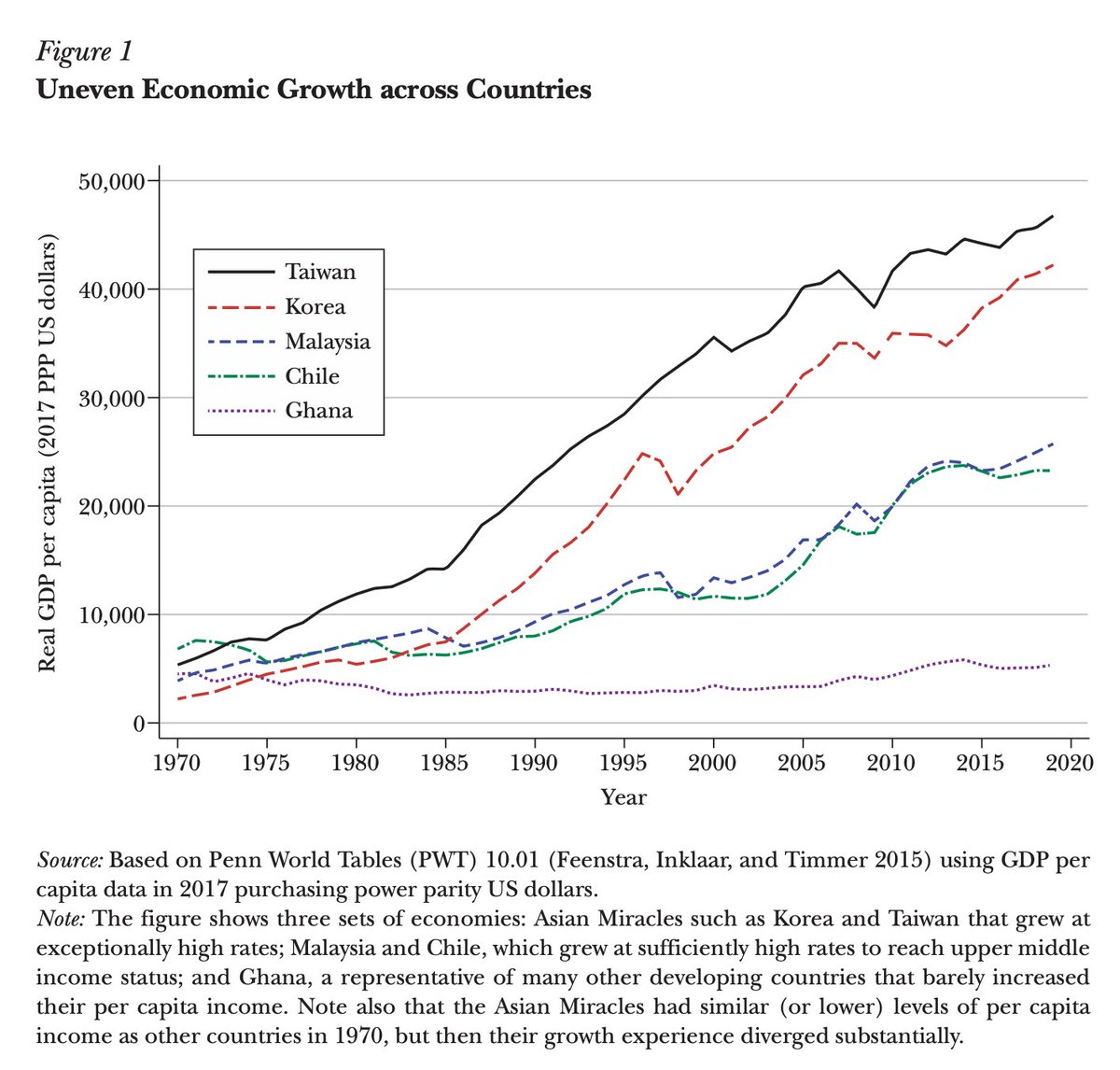
Worth remembering - in 1970 South Korea's GDP per capita was half Ghana's
(image from Reda Cherif & Fuad Hasanov, Industrial Policy, Asian Miracle Style, 39 J Econ Persp 101 (2025))
Zohran on CBS: " I think what we can see is that a democratic socialist politics is one that should be judged on its delivery, like any ideology ... I think that this is a politics that can flourish anywhere because, frankly, there is only one majority in this country — that's the working class and it's time we have a politics that puts them at the heart of what it is that we're pursuing and not as part of the appendix."
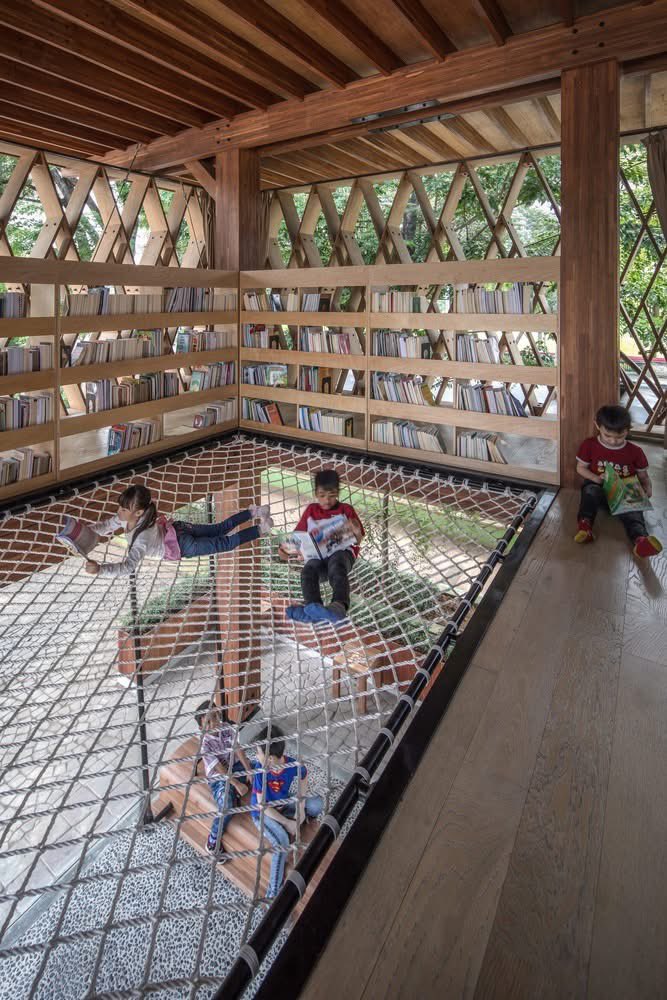
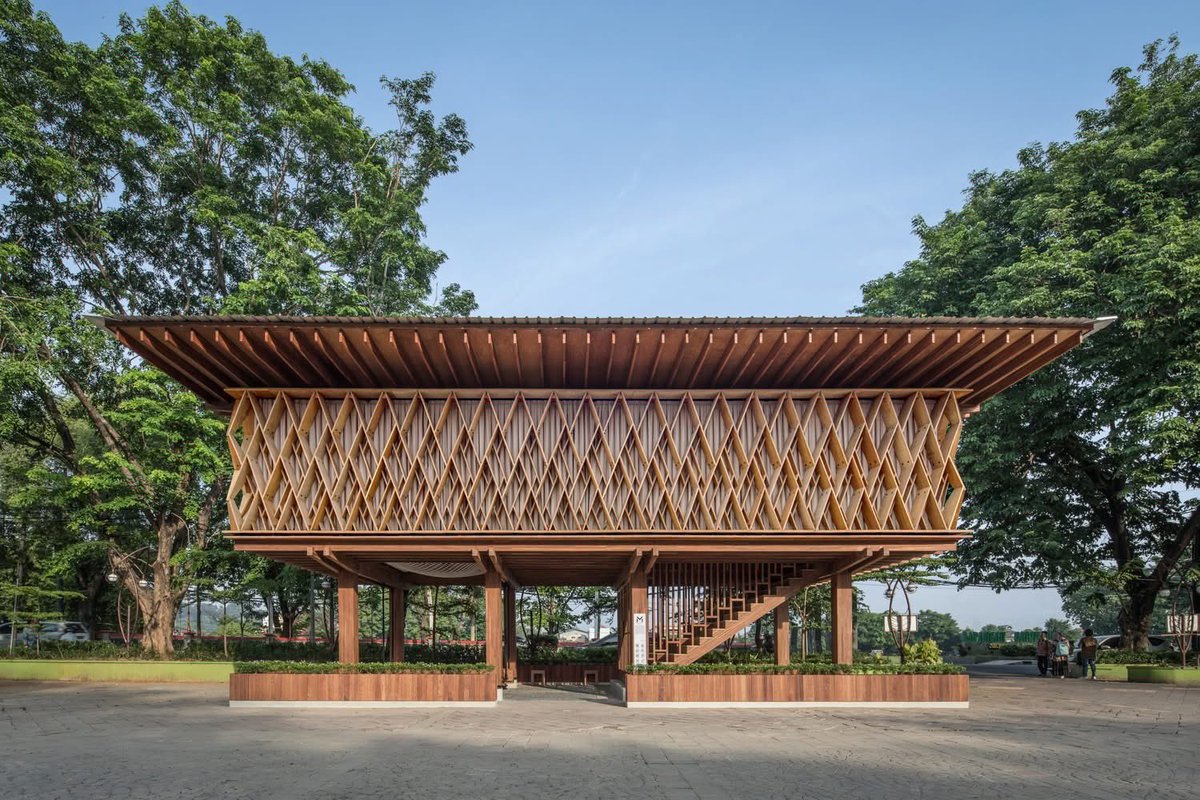
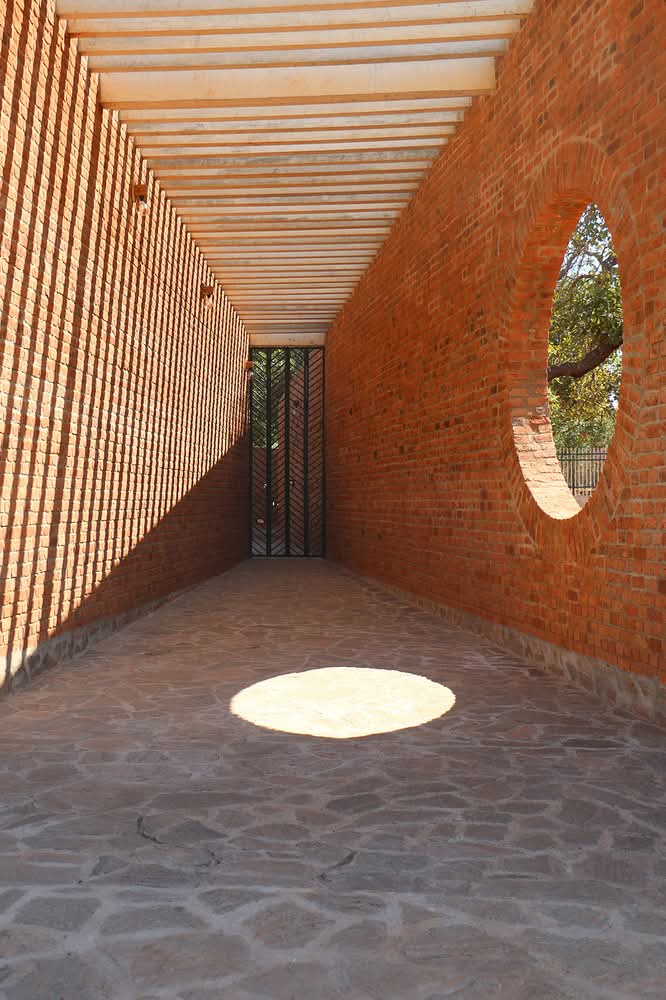
Indonesia built a free public library from engineered timber raised on stilts, a direct translation of the traditional rumah panggung. Burundi built Africa’s specialist arts library from soil dug on the same site it stands on.
Two different continents. Two different materials. The same idea, that a community deserves beautiful public infrastructure built from what the land already offers.
The Microlibrary Warak Kayu in Semarang doesn’t charge entry. It has a hammock net where children read suspended above the ground floor. The architecture is the programme.
Africa is not short of land, timber, or earth. It is short of the decision to use them.
📍 Semarang, Indonesia 🇮🇩
🏛 SHAU Indonesia
📷 KIE
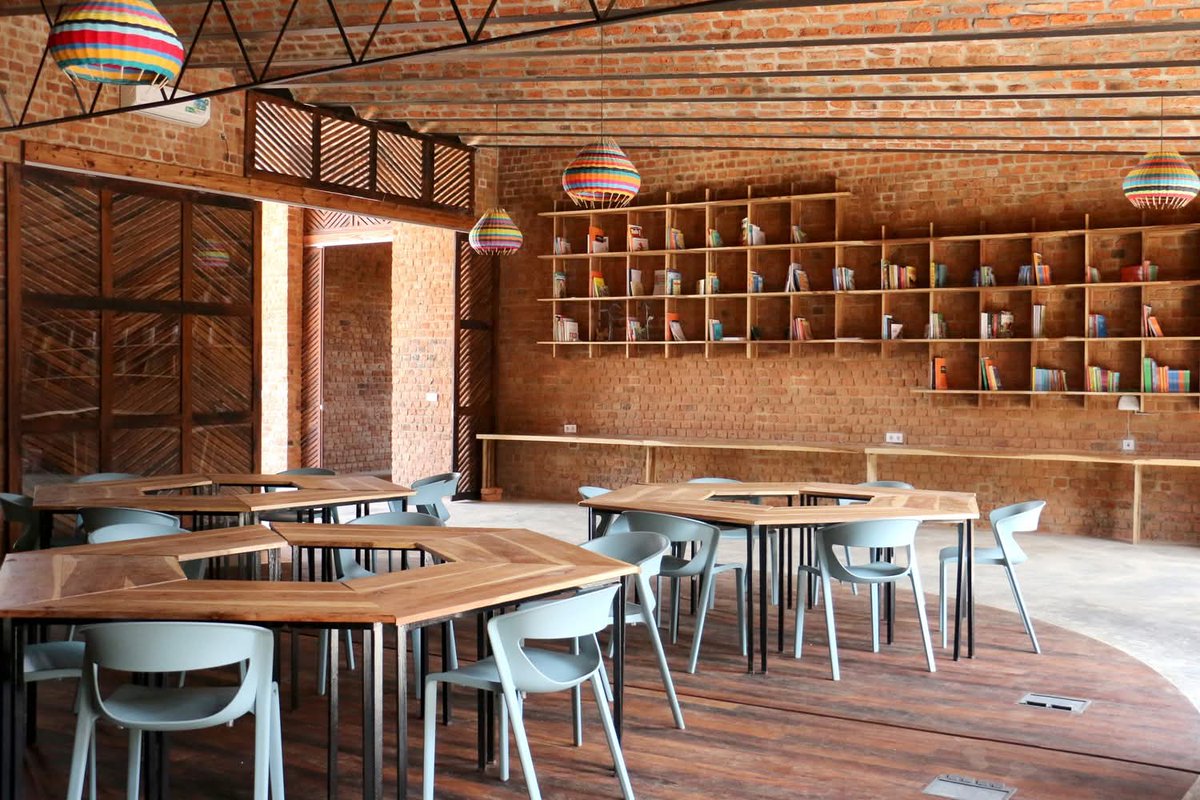
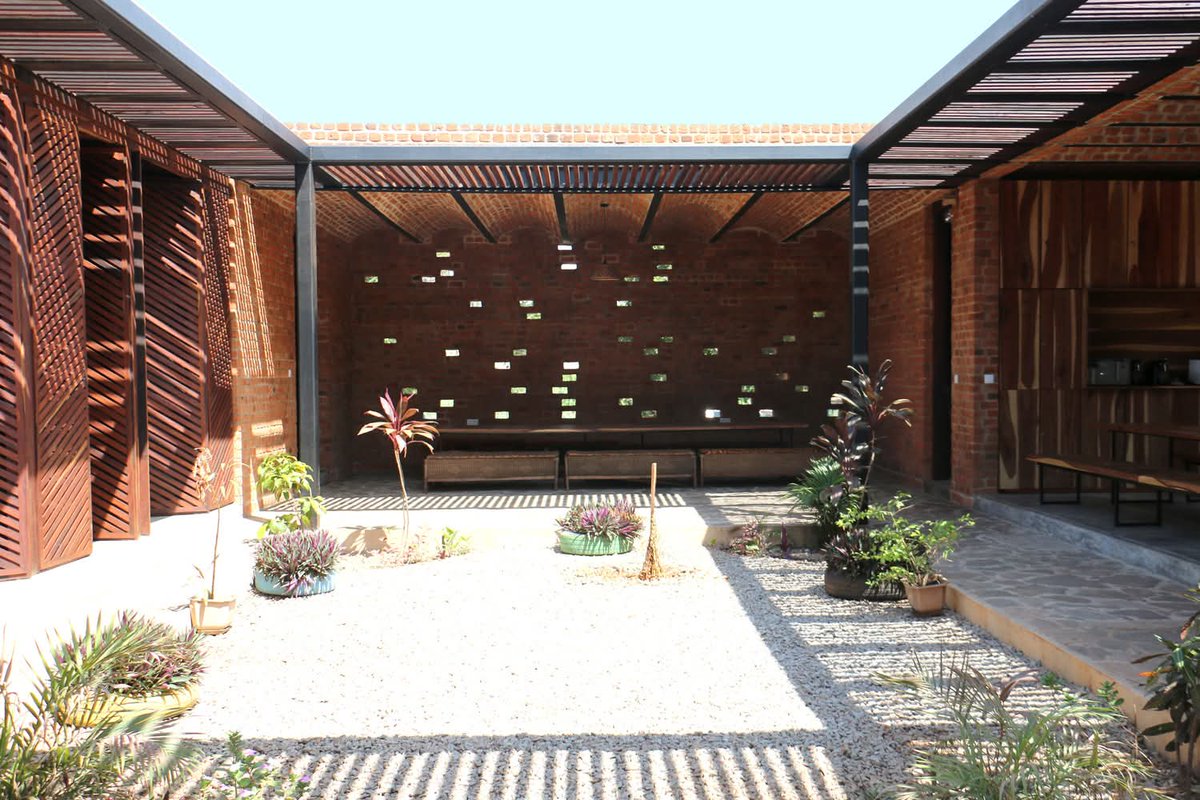
The Girl Move Academy by ROOTSTUDIO.
A local university campus dedicated for female students.
85% of the building was constructed using on-site bricks made with traditional techniques, with the participation of students and neighbors.
📍Mozambique
Tohoku University invites you to a lecture by Kiri Paramore on the problem of periodization in global history, focusing on the emergence of “early modernity” in twentieth-century Japan. This event is in English and open to all. No registration required.
https://t.co/xz1plzWUcN
🇲🇽🏥 SHEINBAUM TO DECREE UNIVERSAL HEALTH SYSTEM
By presidential decree, any Mexican will be able to receive healthcare at any public institution, regardless of enrollment.
120M to be credentialized starting April 13, with a unified digital platform connecting medical records, labs, AI tools and resources across systems.
"When we leave office, any Mexican will be able to go get care for any illness at any health institution."
Fantastic debut article by Bandar Alsaeed on the 1932 pearl divers' uprising in Bahrain and the emergence of the category of "foreigner" in the Gulf.
https://t.co/Kovj9RcM44
In the first of two essays for the JHI Blog, Peter Bloom examines four early-modern European political theories, arguing that productive contradictions emerge from such ideas' attempts to stabilize material crises of social organization. @pbloombk
https://t.co/u8aLQOIUkY
In the first of two essays for the JHI Blog, Peter Bloom examines four early-modern European political theories, arguing that productive contradictions emerge from such ideas' attempts to stabilize material crises of social organization. @pbloombk
https://t.co/u8aLQOIUkY