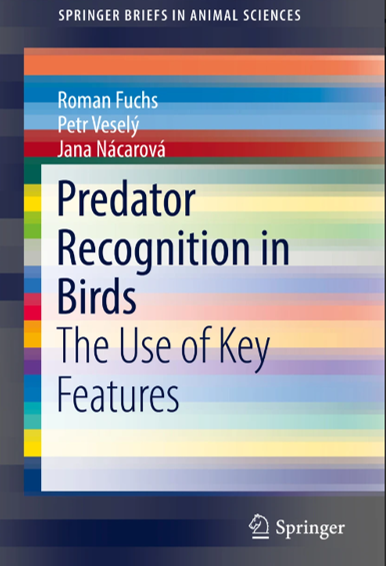
‼️ Check out our team's book on avian predator-prey interactions ‼️ 🐦
This compendium covers cognitive and behavioural ecological aspects and provides a comprehensive overview of predator recognition. Perfect for ethologists, ornithologists, and comparative psychologists. 🧐⬇️
🐦NEW in PLOS Biology: “A large-scale study across the avian clade identifies ecological drivers of neophobia” — by the #ManyBirds Project @TheManyBirds
🔗 https://t.co/BnmrRptkef
😍🦅 An absolutely fantastic project and the best collaboration. I am thrilled that it was successful on such a scale. We are glad that we could contribute on behalf of our Czech team from @JihoceskaUni
🪶 🙏 #BirdCognition@Cke_CZ
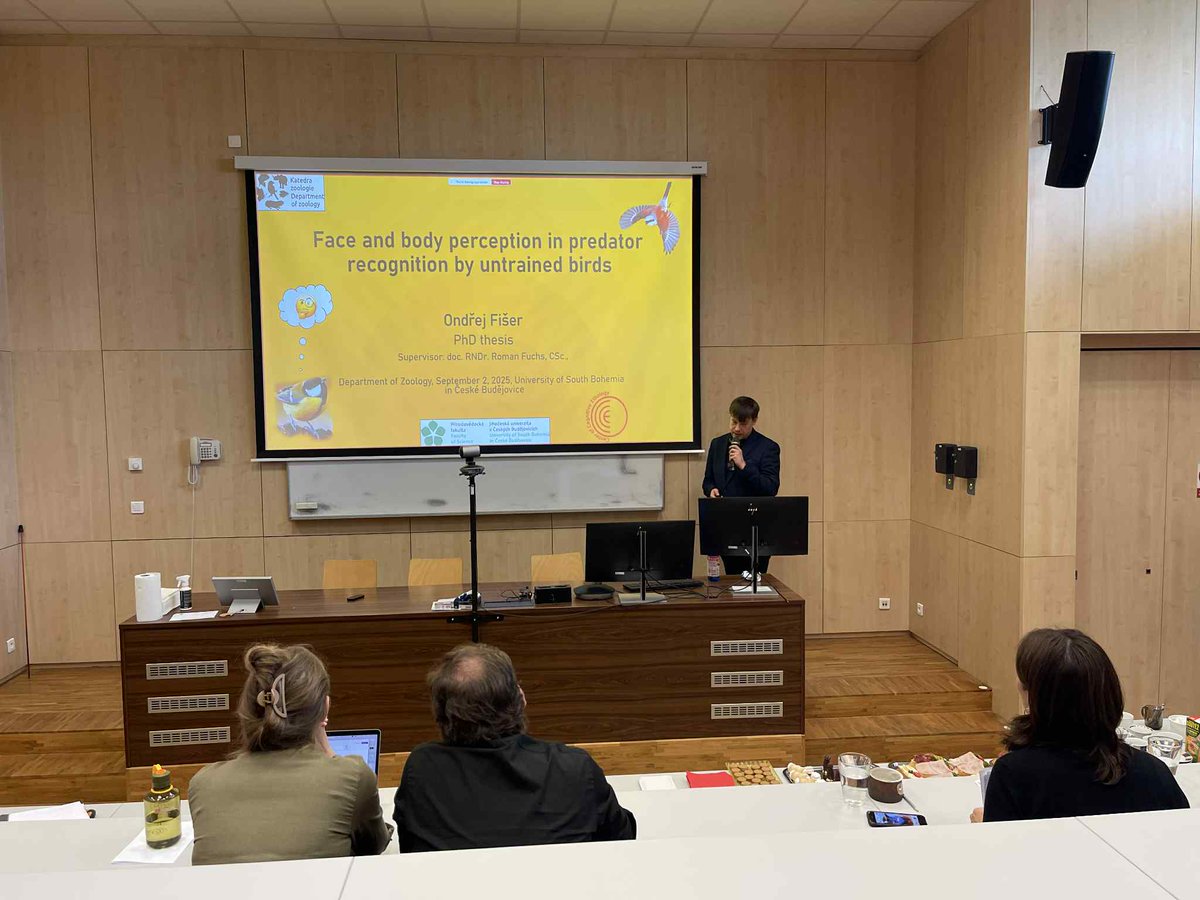
🎓✨ It’s official – I am now a Ph.D. 🎓✨
After years of research, fieldwork, and writing, I successfully defended my dissertation on predator recognition in birds.
I couldn’t have done this without the support of my colleagues, friends, family and birds. Thank you! 🦅🙏
Monstruos de terror para aves
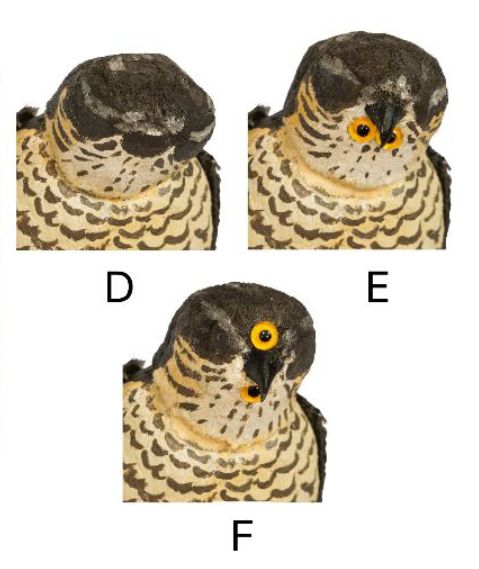
Al modificar los ojos de los gavilanes, los carboneros los encuentran: o bien inofensivos como una paloma (sin ojos), o bien absolutamente aterradores (con ojos frontales en línea o debajo del pico).
(paper) https://t.co/w5uyvuadLY @LaniusOndrej
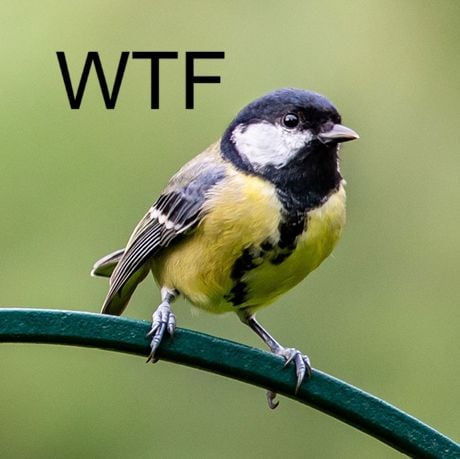
🧠🦅 Facial configuration matters 🦅🧠
We tested if wild #GreatTits recognise predators not just by what facial elements are present (eyes, beak), but also how they’re arranged.
👁️🔄 Rotate the eyes 90° = more fear
👁️↩️ Rotate 180° = same fear
👁️🚫 No eyes/beak = no fear
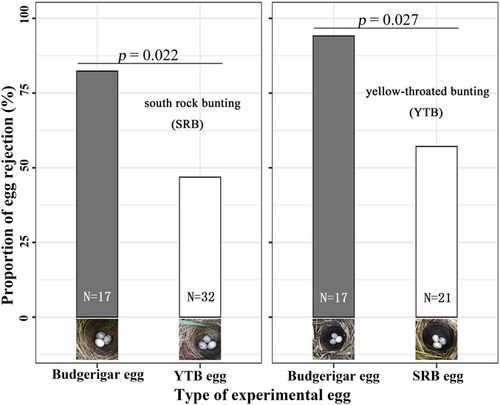
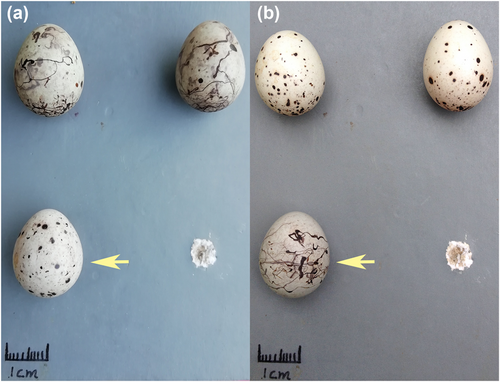
NEW PAPER: Bunting hosts recognize and reject parasitic eggs using achromatic contrast between markings and background. Both species show moderate rejection rates, highlighting egg pattern adaptation in cuckoo-host dynamics
➡️ https://t.co/lti5vcy3qL
#ornithology#EggParasitism
🐝 According to the discovery of a new fossil hoverfly with a well-preserved mimetic color pattern, the occurrence of accurate wasp mimics preceded the dominance of passerine birds in Europe. 🐦
Read more in a new paper ⬇️
https://t.co/7DdHcTIuaJ
‼️ CogEvo 2025 🧠 🚨
A unique workshop on cognition, neuroscience, evolution and development organized by the Center for Mind/Brain Sciences.
🗓️ July 17-18, 2025
📍 Rovereto, Italy 🇮🇹
🔗 Registration: https://t.co/o1Q2RnJHoV
#CogEvo2025#CogEvo#Cognition#Neuroscience
Join us for CogEvo 2025! A unique workshop on cognition, neuroscience, development & evolution with invited speakers and a poster sessions.
🗓️ **July 17-18, 2025**
📍 **Rovereto, Italy**
🔗 [Register](https://t.co/hrLQLJXLTO)
#CogEvo2025#Cognition#Neuroscience#Evolution
🛡️🐍 Did you know that some snakes have hidden armour?
👩🏻🔬 Dr. Frýdlová from @science_charles and her colleagues have discovered #osteoderms in three additional snake species, including the very first record of osteoderms in shield-tailed snakes (Uropeltidae). 🤩 Link below ⬇️
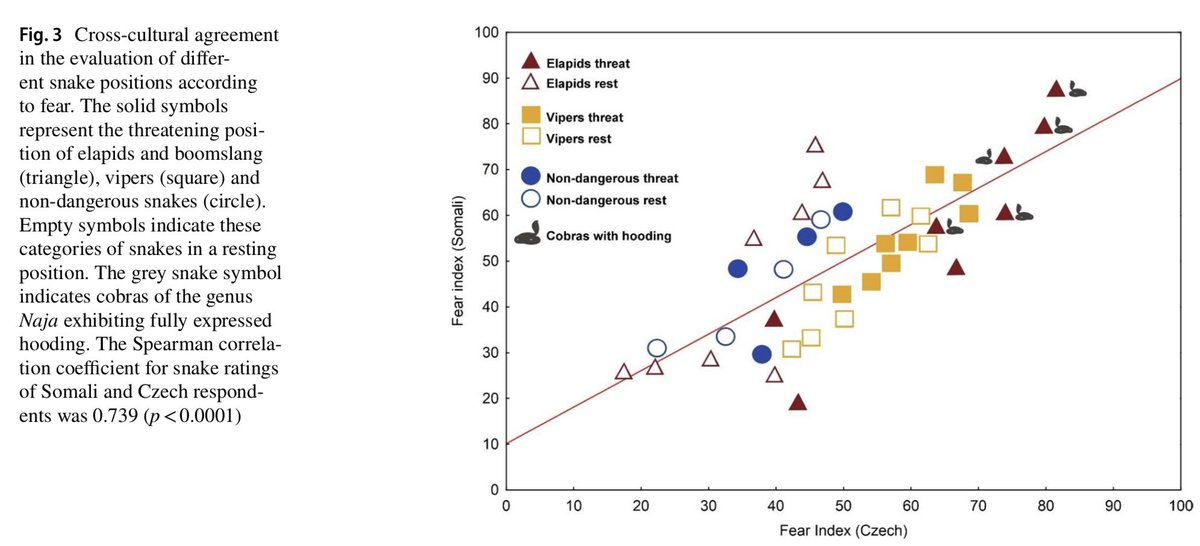
🐍 What role do defensive postures of #snakes play in evoking fear in humans? And why is the effect of posture so strong in hooding cobras? Prof. Frynta et al. from @science_charles come up with the answers in a new cross-cultural paper. Link below ⬇️
https://t.co/K9f0tnZf1W
Do you like to dip your fries in ketchup before eating it? Our cockatoos do too! In a new study, we showed our cockatoos innovated a new way to flavour their food: they dunk noodles in blueberry soy yoghurt. Read about it and watch our video abstract: https://t.co/rQPsAZOJMg
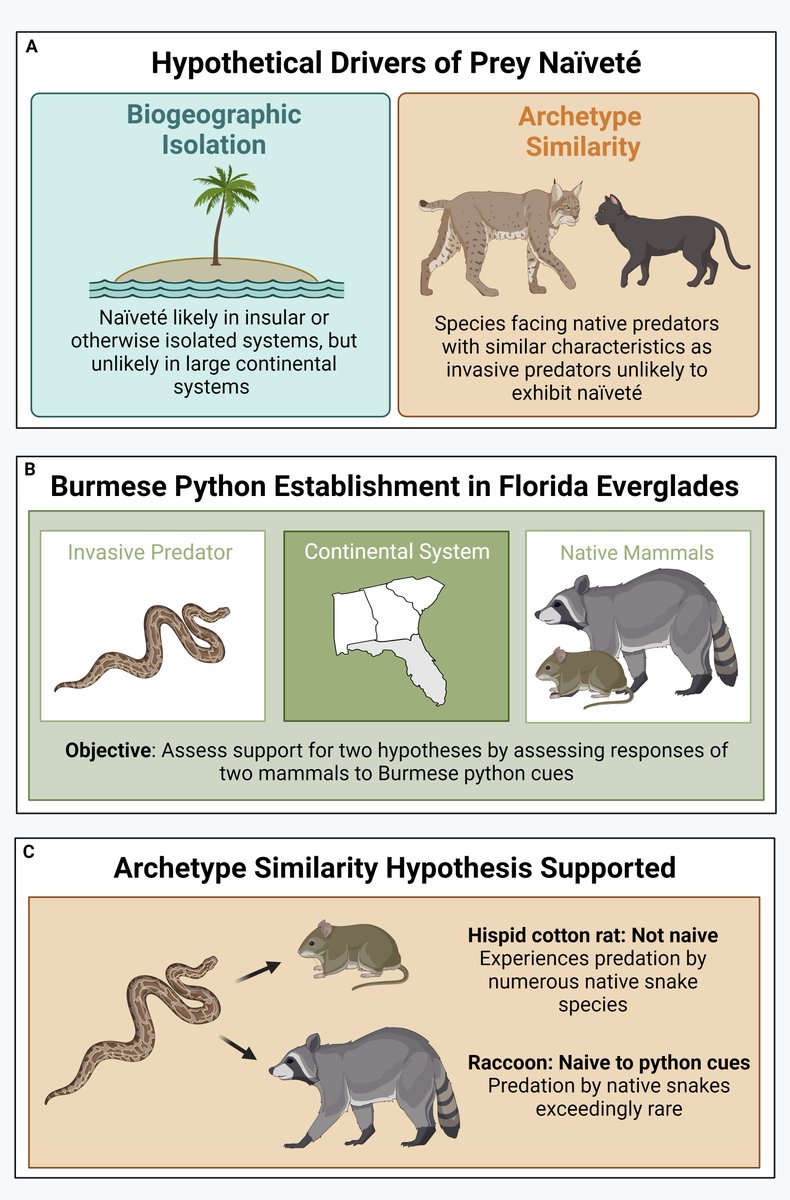
"Our research addresses a critical gap in our understanding of prey naïveté. Through field-based foraging experiments, we investigated why this phenomenon occurs following the introduction of an invasive predator..."
Read the full paper by @rkmckee14 here: https://t.co/ZejqVW0zS3