Clarence Bicknell 1842-1918, a genial botanist, archaeologist, artist and philanthropist, worked 40 years in Bordighera, Italy. Marcus Bicknell tweeting.
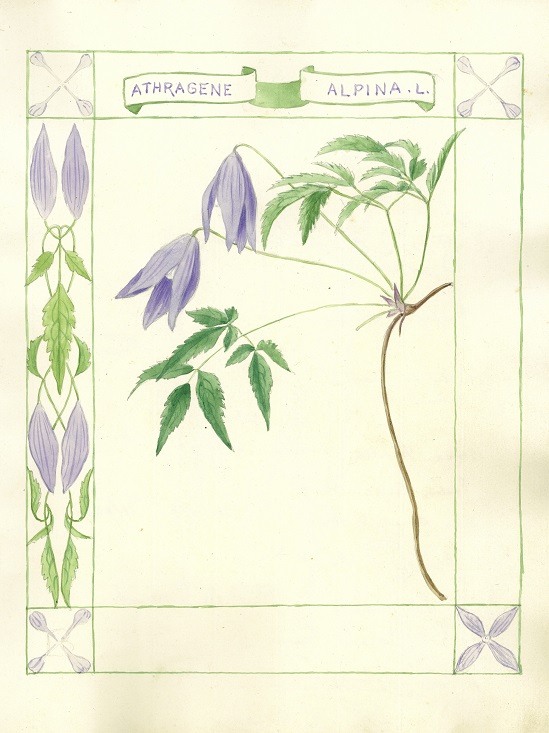
Clarence has a new online shop and a new QR code for it. The shop is live and products are available for shipping. First sale of a print (Athragene alpina) was made yesterday. https://t.co/ecCx9Qz0E8
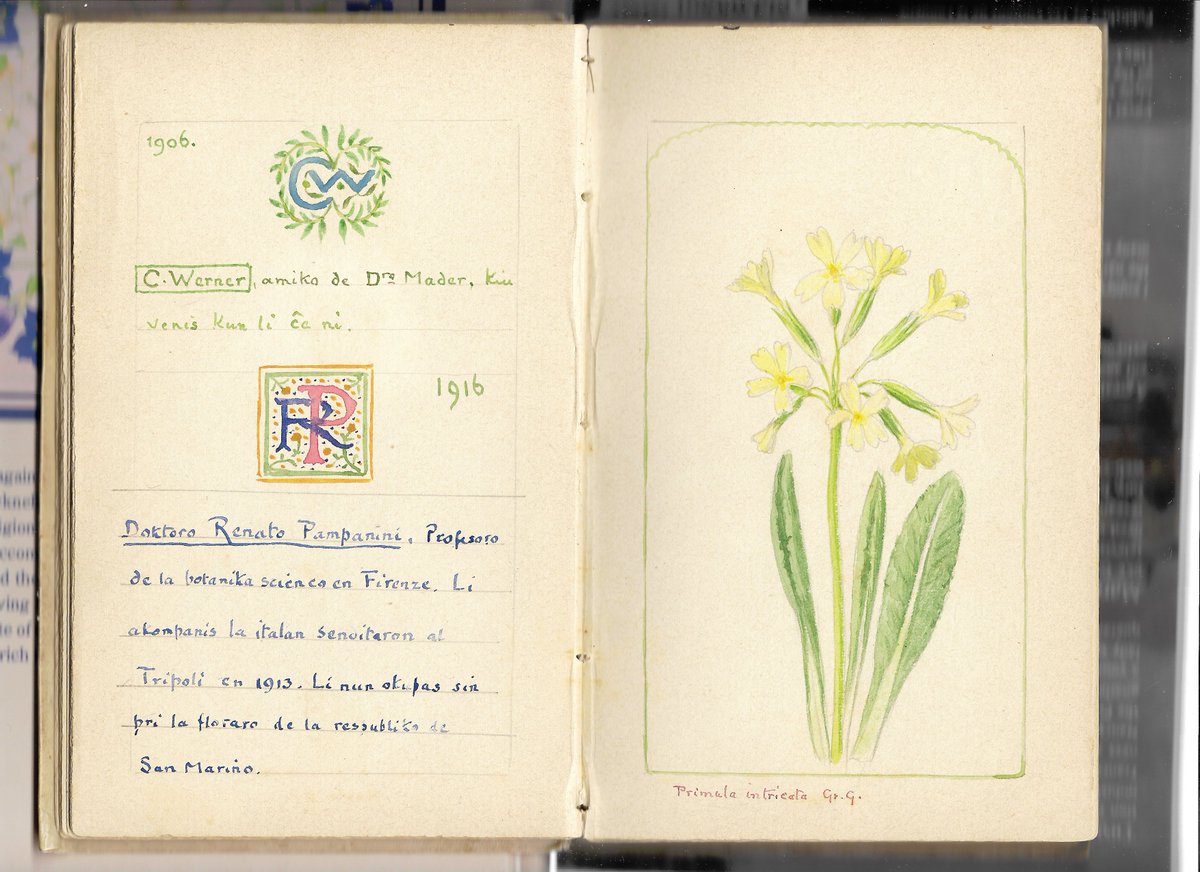
C. Werner in Clarence's Book of Guests in Esperanto No. 23, 1906 might be Carl Friedrich Wilhelm Werner, son of the famous watercolourist with a similar name Carl Friedrich Heinrich Werner (1808–1894)
Read more at https://t.co/4Od2tORdl1
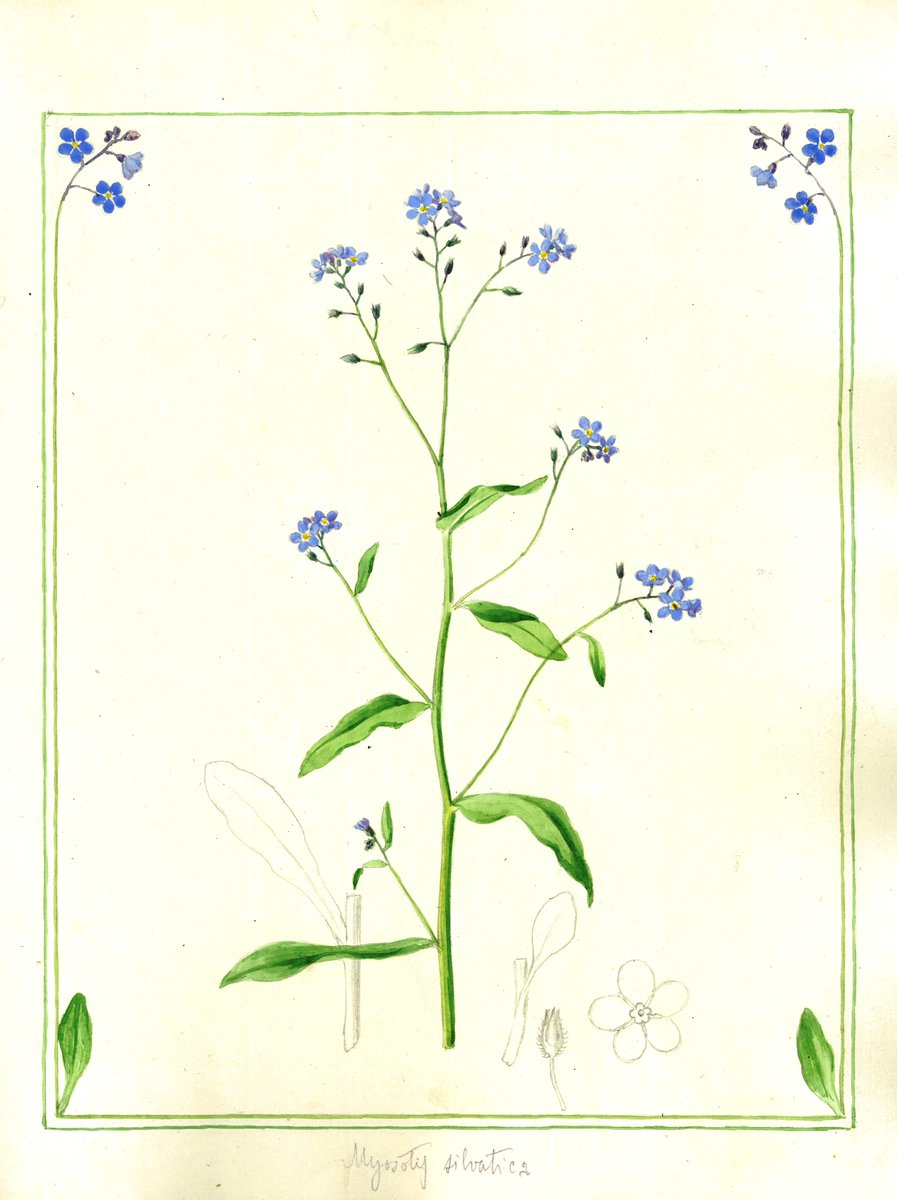
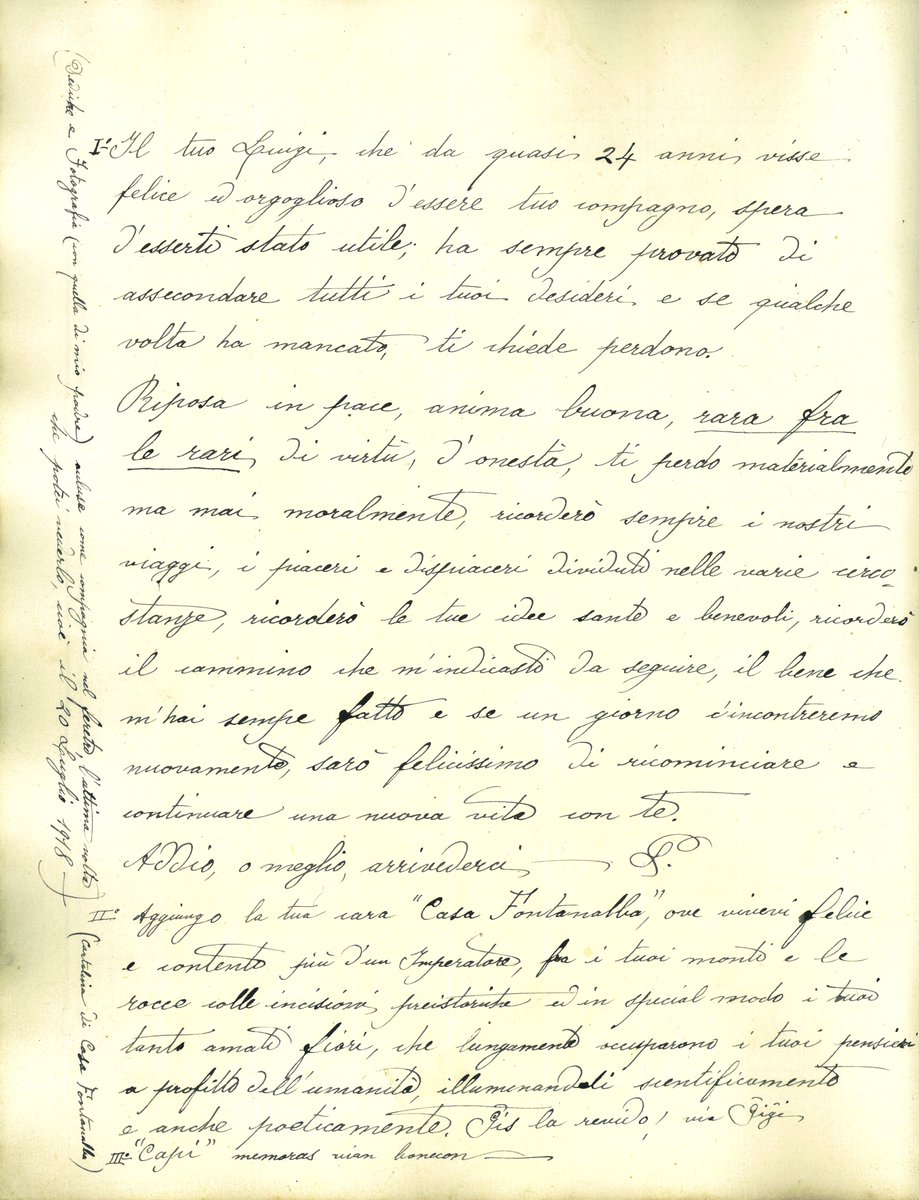
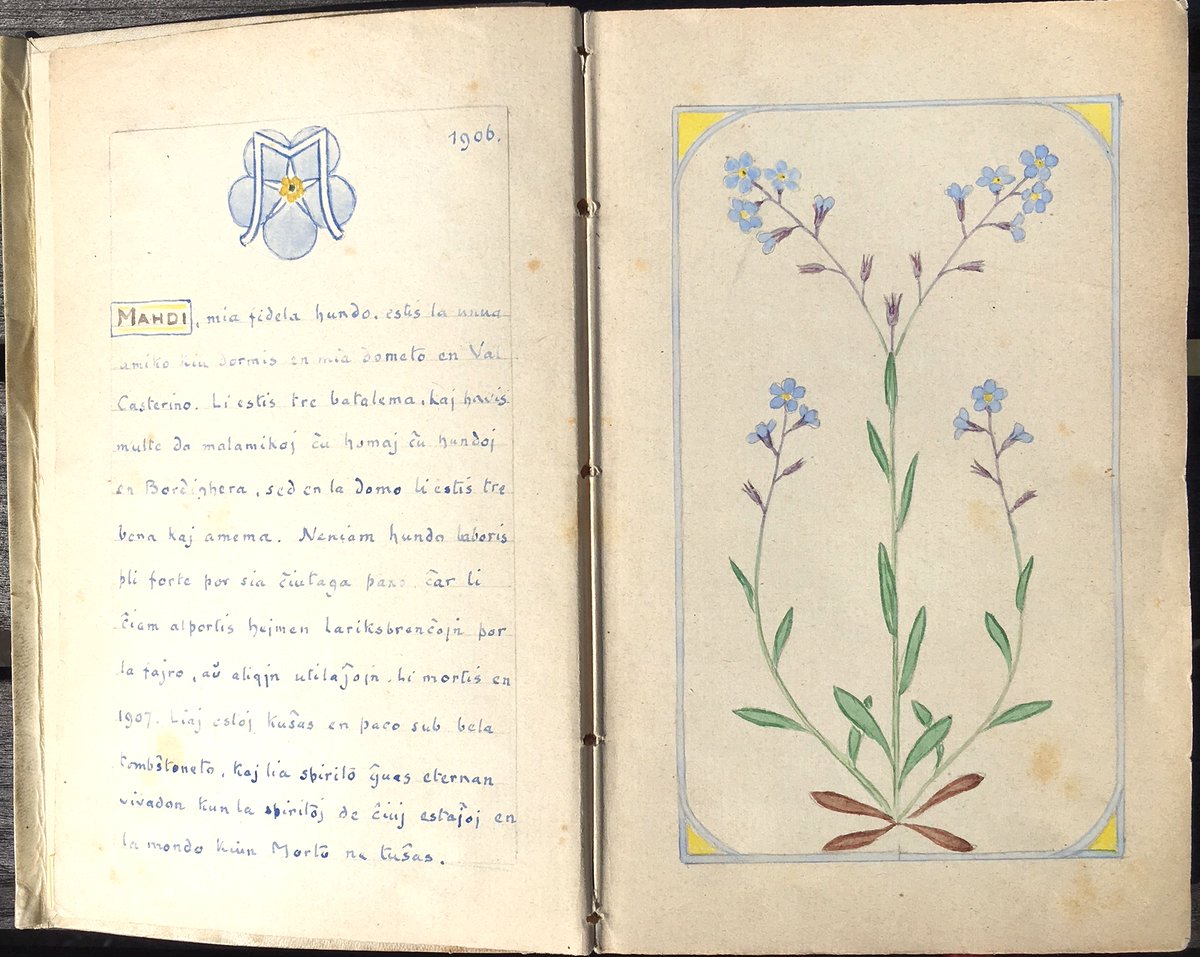
17 July 1918, Clarence's death. It could hardly be more appropriate that Luigi wrote his tribute opposite Clarence's watercolour of a Forget-Me-Not. Luigi would certainly never forget Clarence.
https://t.co/DEGAnzY7A7
104 years ago, 17 July 1918, in Casterino, Luigi Pollini carried Clarence Bicknell out onto the terrace of his ‘cottage’ where he died peacefully, in the surroundings which he loved. Read his tribute https://t.co/DEGAnzY7A7
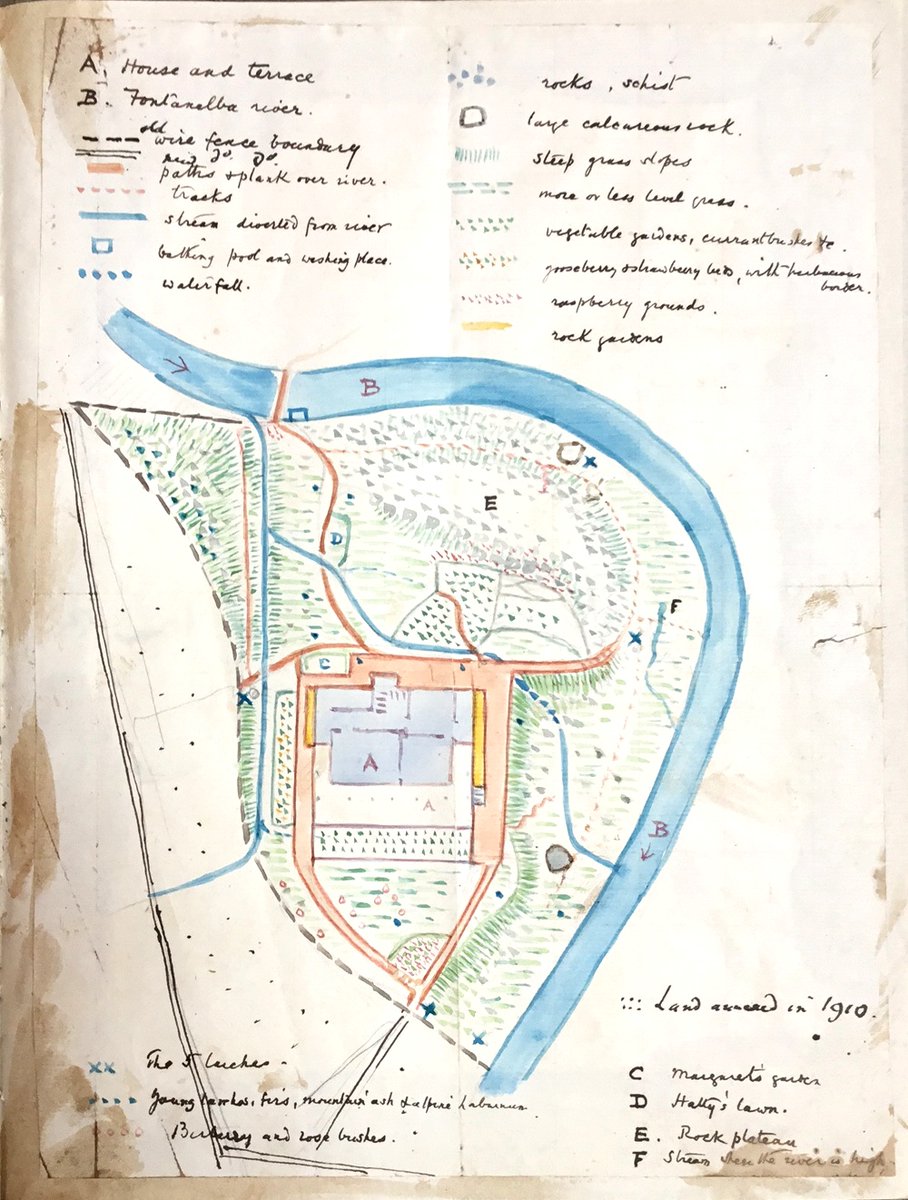
Casa Fontanalba; Clarence's pictorial map of the garden and wild land round the house, made in 1910, four years after it was built. https://t.co/U8auPJ2Ws2
Book of guests in Esperanto. Clarence Bicknell wrote a page in Esperanto about each visitor and decorated the page with a botanical drawing, often developing the guest's initial into a monogram.Mahdi, Clarence's own dog. https://t.co/NimJhqQa9a
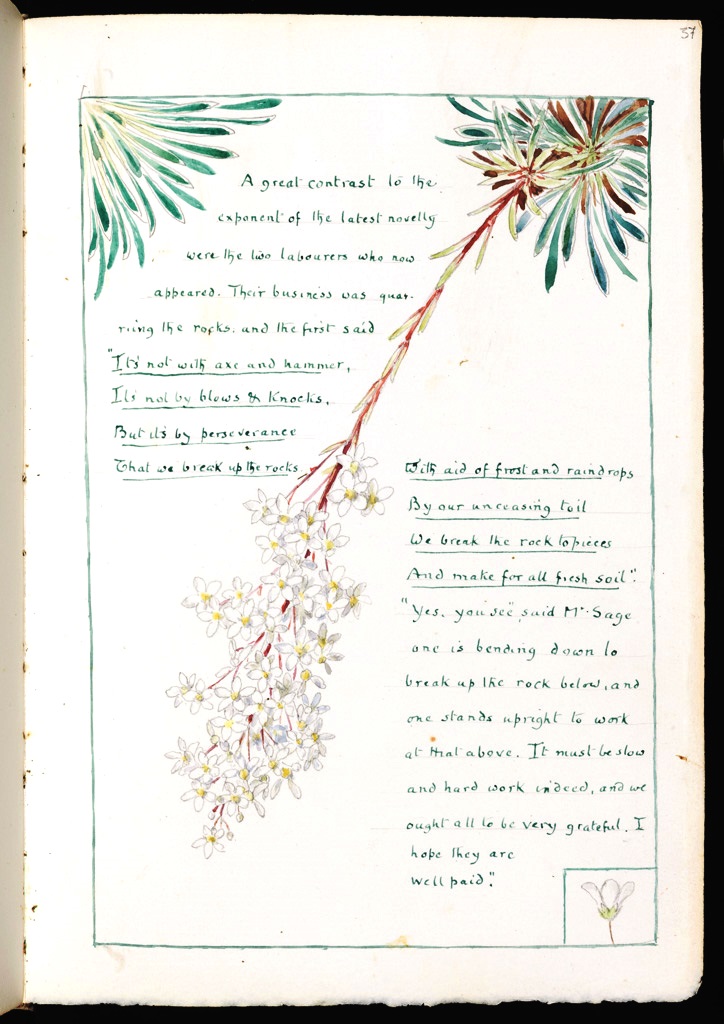
Writings and border using Saxifraga lingulata Bell. Vellum-bound album by Clarence Bicknell in the Fitzwilliam Museum, Cambridge. https://t.co/ruPs3OVbjT
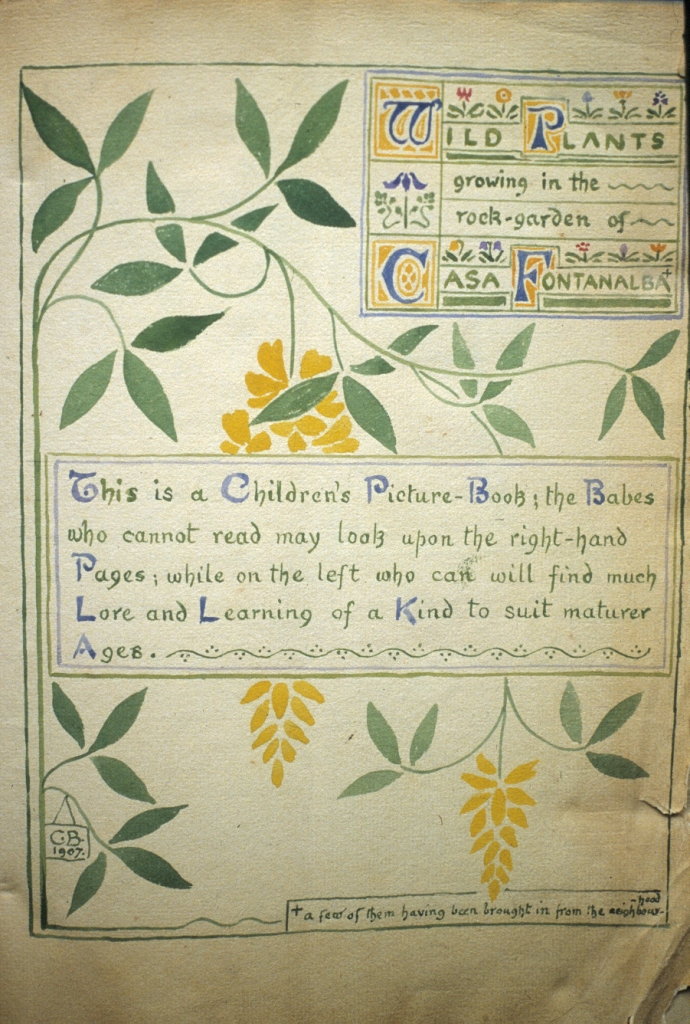
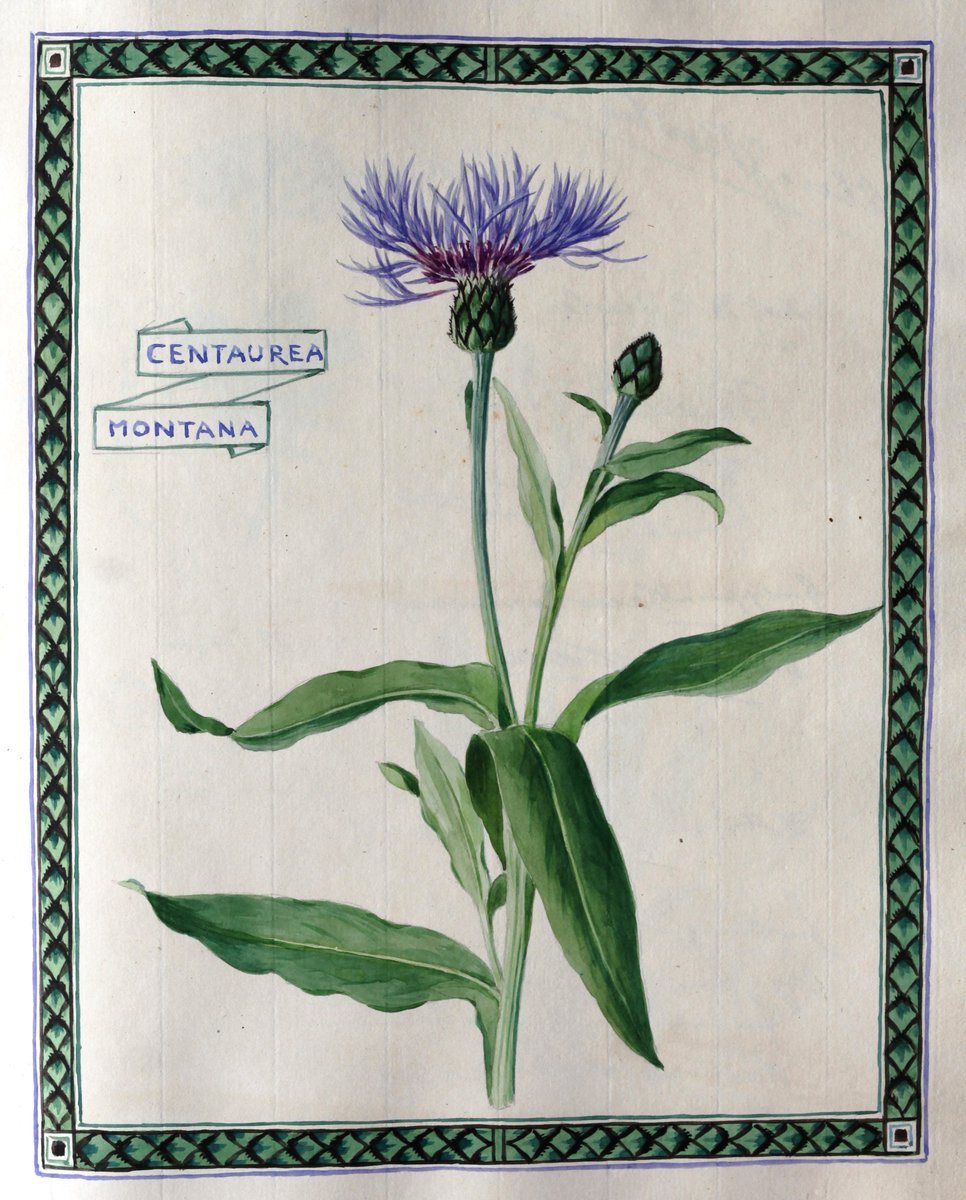
Casa Fontanalba Visitors' Book 1906. Every right hand page has a glorious watercolour of a wild plant, here Centaurea montana, and guests signed on the left when visiting his summer home in Casterino in the mountains above Bordighera. Buy a copy at https://t.co/U8auPJkxjA