We often recommend certain books to children, young people, adults, and their family and thought we would compile a quick list to help others. Which books have you found helpful? #autism
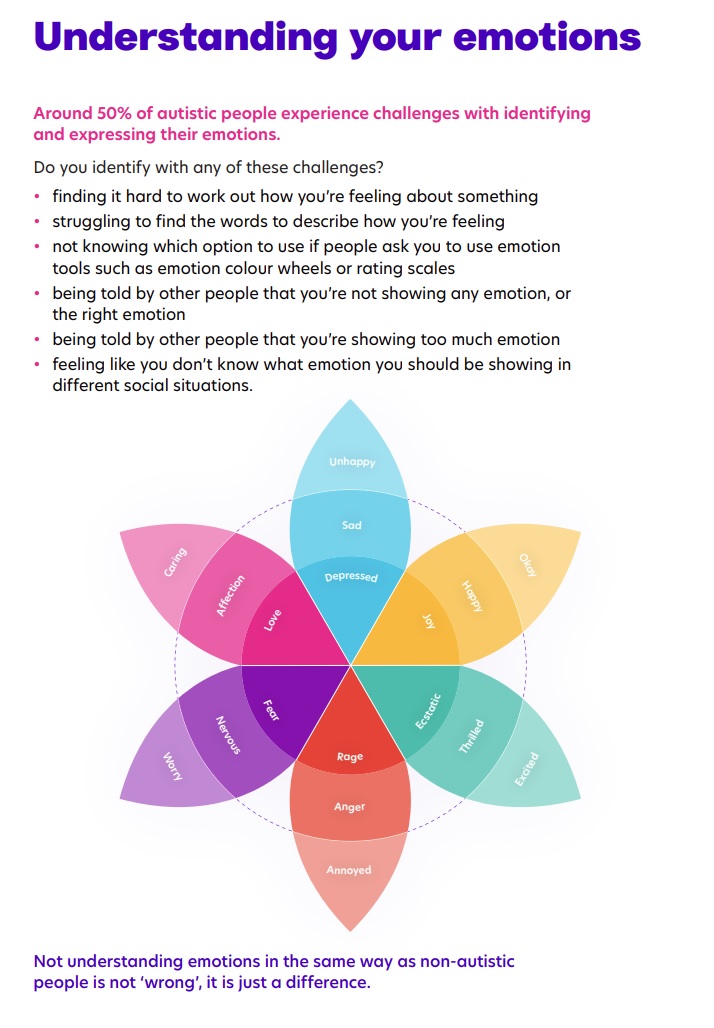
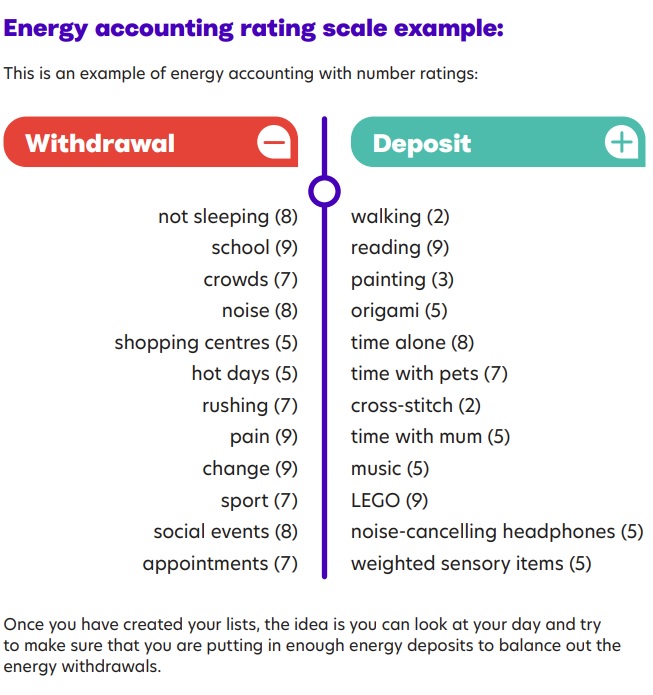
A really helpful resource created by The National Autistic Society – the Know Yourself series – includes general guides and personalized worksheets to understanding yourself, energy accounting and identity.
A particularly great resource for autistic teenagers! #autism
Thank you to the Durham Centre for Academic Development @ Durham University for inviting Dr. Patrick Welsh to their away day to talk about neurodiversity and reasonable adjustments, with attendees making pledges to continue their personal development & knowledge in their roles.
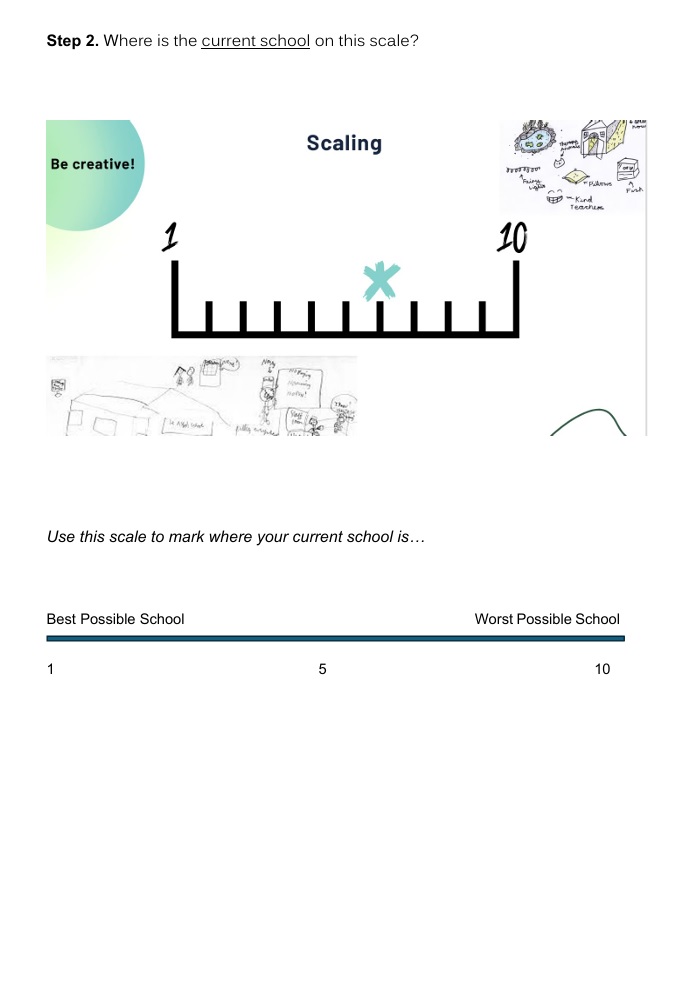
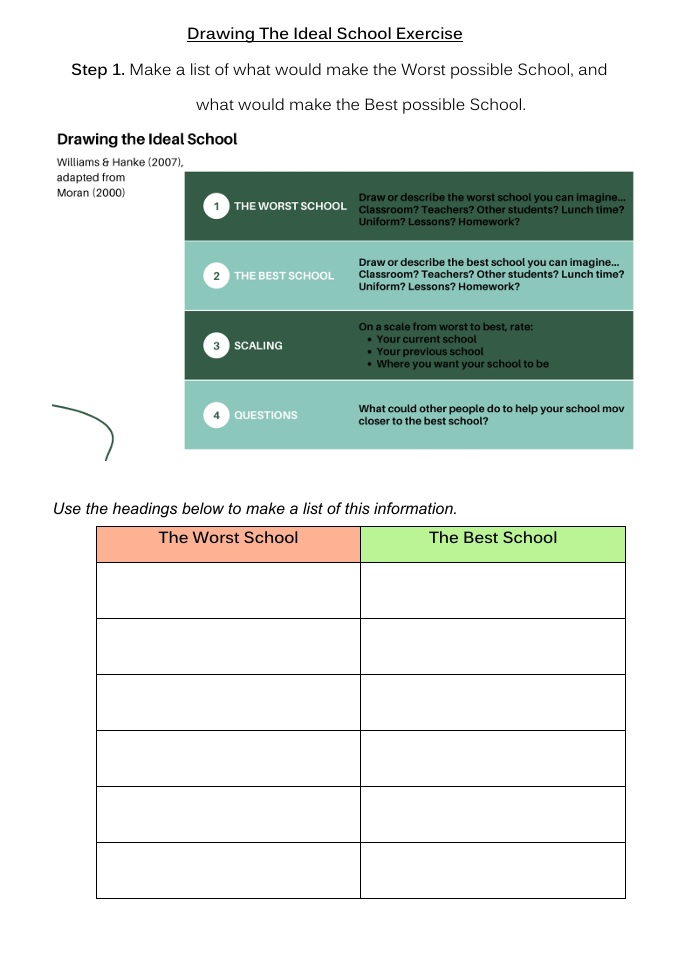
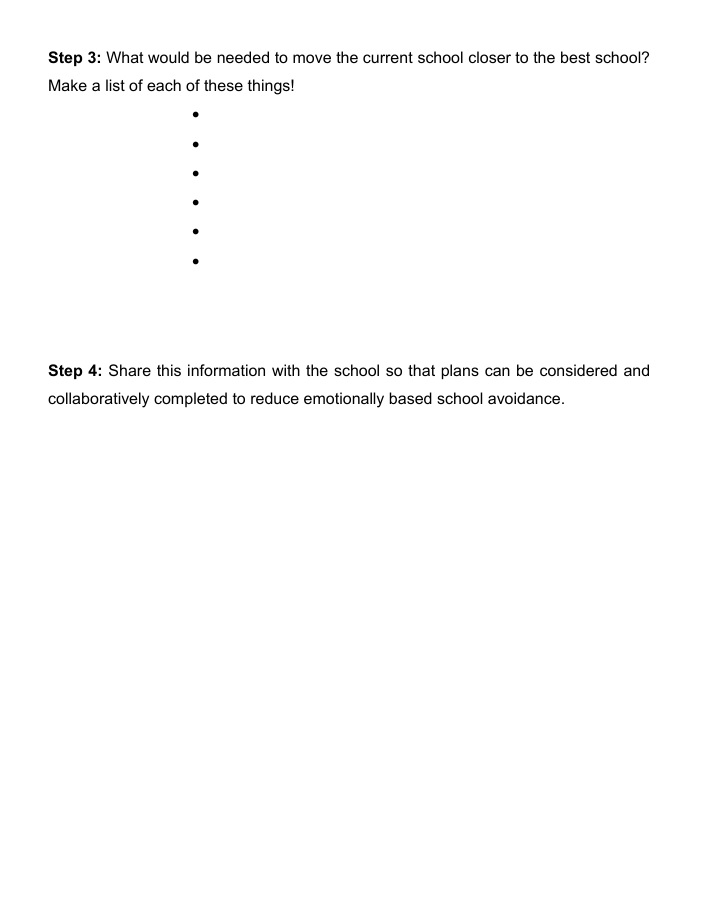
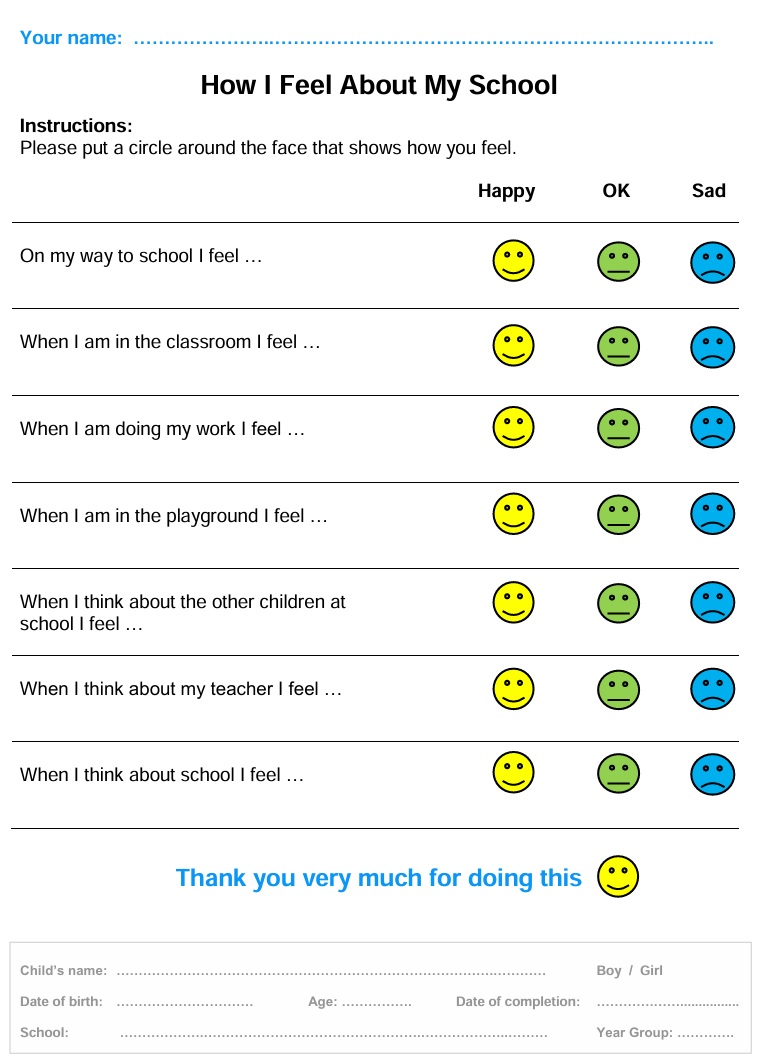
Following the HIFAMS questionnaire, here's another helpful exercise to understand how a child feels about school life - Drawing The Ideal School exercise.
This is particularly helpful when understanding emotionally based school avoidance, how to aid any transition back to school
It's almost time to return to school, and the 'How I Feel About My School' (HIFAMS) questionnaire is a helpful tool to aid a conversation about how a child feels about school life 🏫❓
Improve your understanding of what is supportive to alleviate a young learner’s #Anxiety in #School & to help each student flourish with our brilliant upcoming webinar on ‘#SchoolAnxiety & #EmotionalBasedSchoolAvoidance’.
Book now to learn more! https://t.co/hLmQzj3GjS
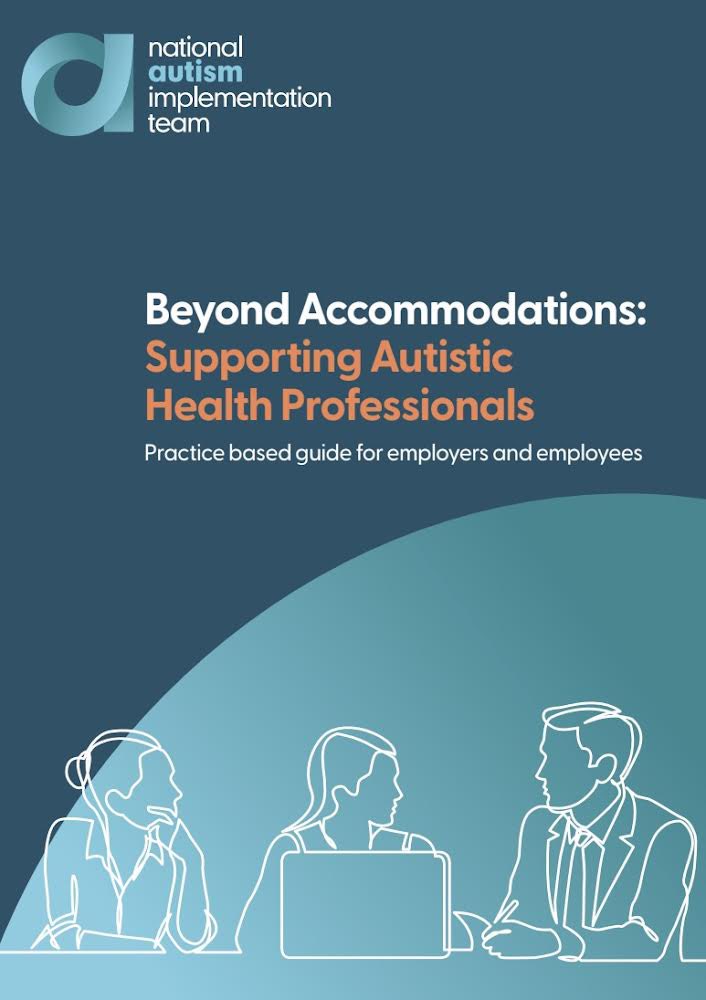
What a great resource this is - Beyond Accommodations: Supporting Autistic Health Professionals - including templates to discuss person-specific reasonable adjustments in the work place 🤩👍
We were given consent to share this amazing poem by a young boy and his family, which he wrote about his experience of having ADHD. Not only is this poem great, but it also earned him his first Blue Peter badge! #autism#adhd
Hopefully more can be done to reduce waiting times for children/young people & ensure that the benefits of diagnosis occur; "Diagnosis can bring enlightenment, essential support and legal protection to help these children negotiate their way through life"
https://t.co/BOzkKhhoN9
UK CHILDREN WAIT…16 months to 5 years for ADHD & autism screening. Experts said “inhumane” waits put a generation of neurodiverse children at risk of mental illness as they are “pushed to the back of a long queue” for child mental health services (Camhs). https://t.co/olYNzJFkfq
There’s a lot on TV about #autism at the moment, including this powerful depiction in a recent advert by Vanish.
Who has seen it? 🖐🏻
https://t.co/1RsISMgJgS
This is fantastic!!!!
Ava Gallagher won the 'Power of Poetry' competition for her poem about #autism, her strengths, difficulties, and masking.
Great work, Ava! 👏
https://t.co/yllVngRBQG
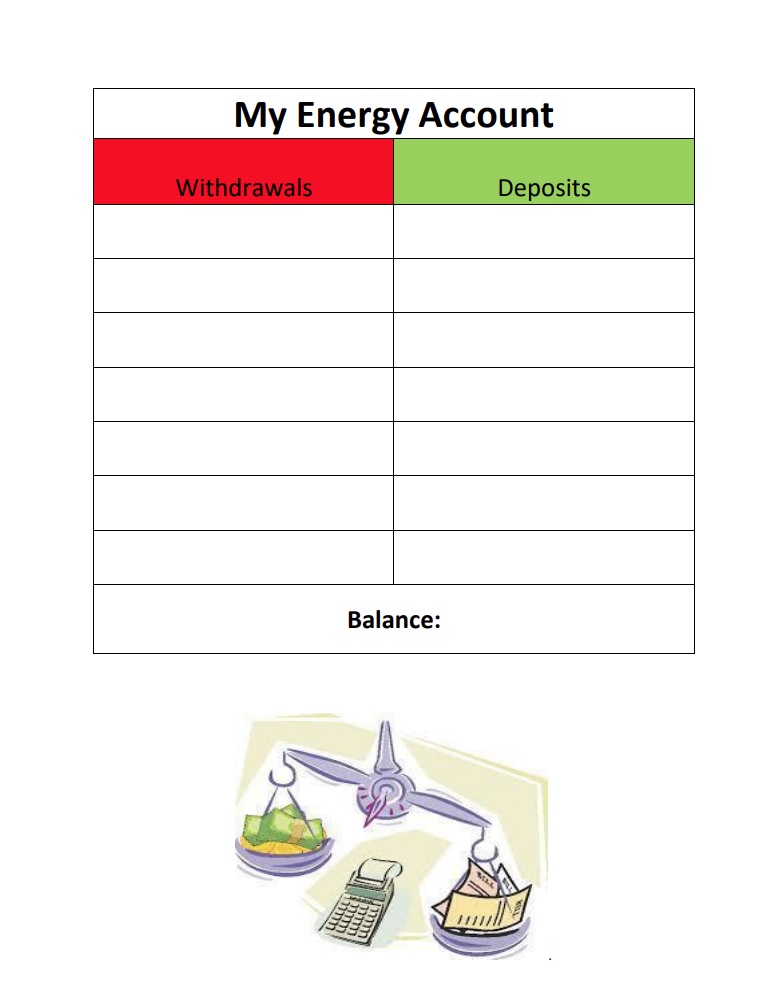
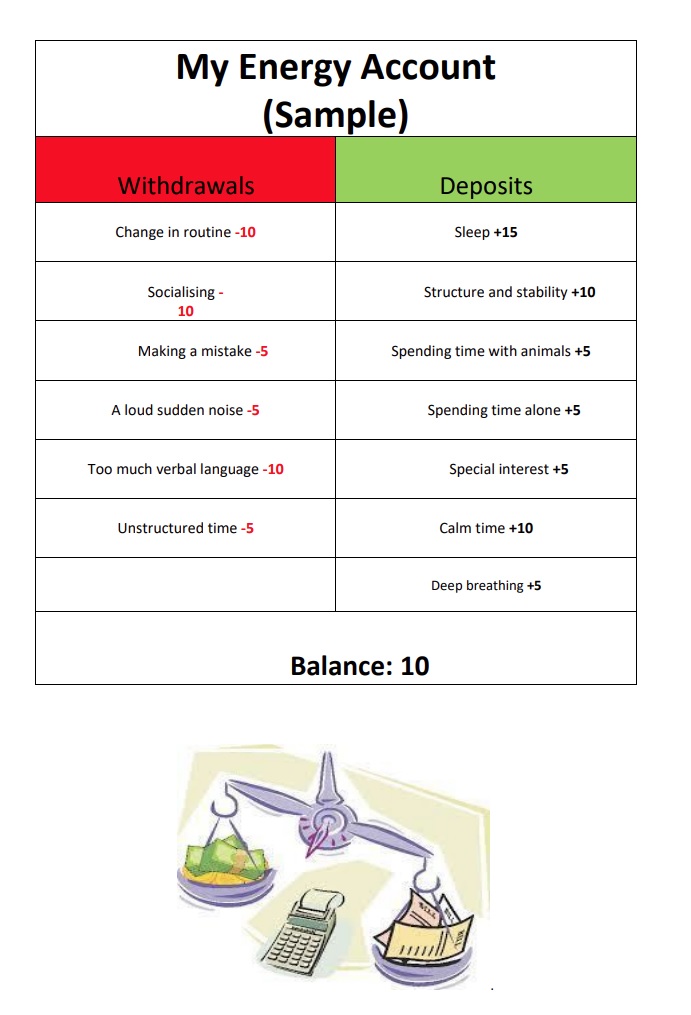
We regularly recommend the use of ‘Energy Accounting’ - considering what may ‘withdraw’ energy & what can help to ‘deposit’ energy. This is a really helpful concept to proactively manage fatigue & assist with regulation of emotion. Please let us know if you have used this before!
Did anyone watch 'Unmasking My Autism' on BBC last night?
Article and discussion points on the programme & topic can be found below.
https://t.co/QVEcrMWcGl
Great to see a programme focusing on raising awareness of masking and camouflaging of autistic traits 👏👏
Looking forward to watching this on Tuesday. We definitely support anything that aims to increase people’s understanding of autism (and even better if this is coming directly from the autistic community!) 👍
We created this series to promote a wider understanding of what it's like to be autistic to a neurotypical audience , it's quite an emotional watch . It airs on the 14th Feb at 9pm on @BBCTwo and @BBCiPlayer .
@Autism@OpenUniversity
Looking forward to watching this later today (4:55pm on BBC1) - Perhaps it is also a good way to encourage children to talk about their feelings?
Hope you all have a lovely Christmas🎄🤶🧑🎄🎅
- https://t.co/zhFlunSwjY
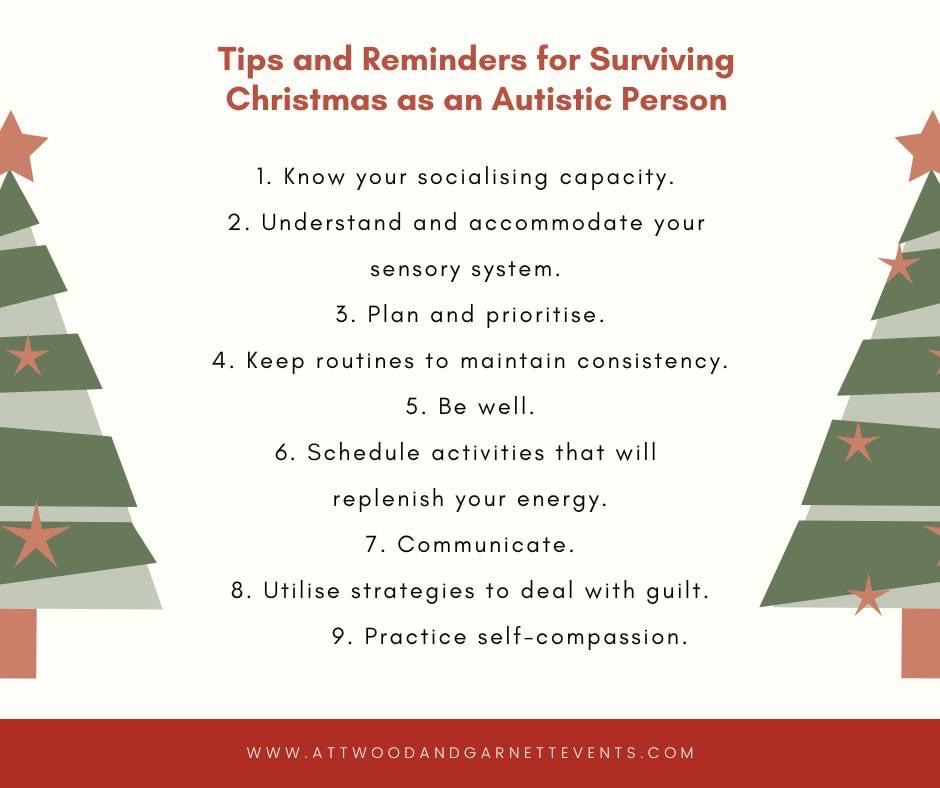
Eek! Christmas on Sunday!🎅T.Atwood & M.Garnett compiled some "Tips and Reminders for Surviving Christmas..." which may be helpful? Definitely recommend considering 'socialising capacity' & proactively thinking about the routine/ways to replenish energy during the week/day itself