Network promoting contemporary classical architecture in Finland. Follow us on Facebook & Instagram.
Member of Architectural Uprising International since 2015.
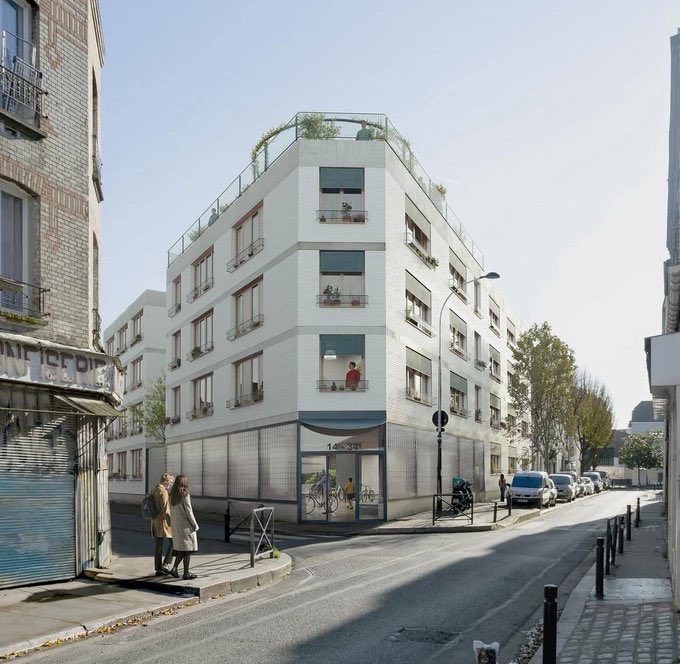
Sample rendering from our “Missing Middle Infill” collaboration with a Chicago architecture firm, inspired by the wonderful idea of incorporating a Louis Sullivan–esque gated arch into the courtyard entrance, with “Urbs in Horto” engraved above.
When Chicago was incorporated in 1837, it adopted “Urbs in Horto”—“City in a Garden”—as its motto.
Mick Jagger ja Eric Clapton pysäyttivät 29-kerroksisen tornitalon Lontoossa.
Kaikkea ei tarvitse hyväksyä “kehityksenä”, eikä korkeus tee rakennuksesta laadukasta arkkitehtuuria.
Kaunista ja inhimillistä kaupunkia kannattaa puolustaa!
https://t.co/W8BnxMZq1m
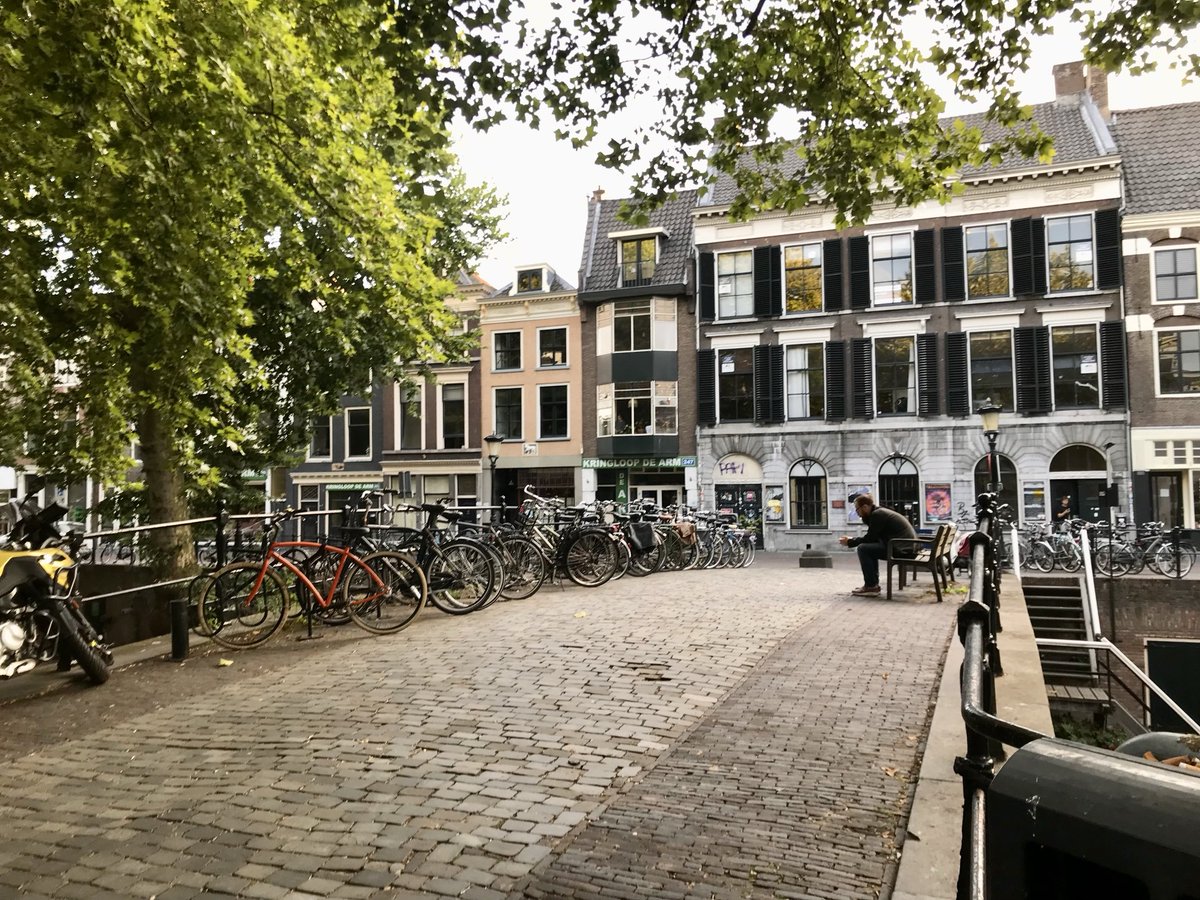
Quinlan Terry’s triumphant Richmond Riverside (1988). It’s so good that the first time I saw it 15 years ago I had no idea it wasn’t an authentic Georgian grouping. It now fits in as if it always belonged.
The standard criticism the contemporary use of traditional architecture, endlessly re-run today, is that it is somehow fake or 'pastiche'.
The most sophisticated version of this argument says that contemporary traditional buildings actually use modern materials and structural forms (true) while appearing to use traditional ones (also true). It is thus systematically misleading.
The key question here is whether there is really anything generally problematic about appearance and reality diverging in this way. I argue here that virtually all styles throughout history have in fact diverged this way, and hence that the pastiche argument proves too much: its adherent must condemn virtually the whole history of architecture, surely an insane conclusion.
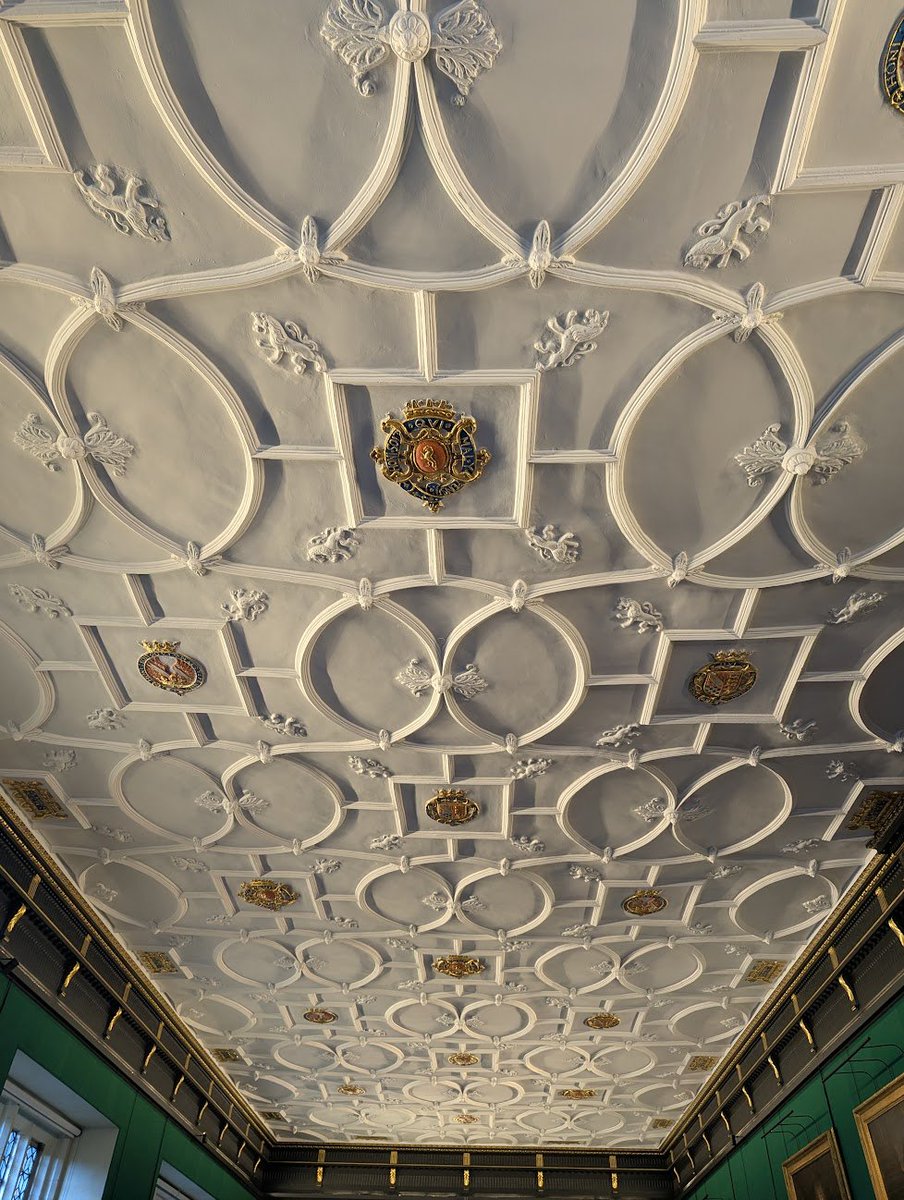
This wonderful plasterwork ceiling is in fact a work of the 1950s, from the postwar rebuilding of the Charterhouse in London.
Lots of traditionally trained architects and craftsmen were still alive in the 1950s, with the skills to restore war-damaged buildings to an extremely high standard. Few Londoners realise how much of the city they owe to them.
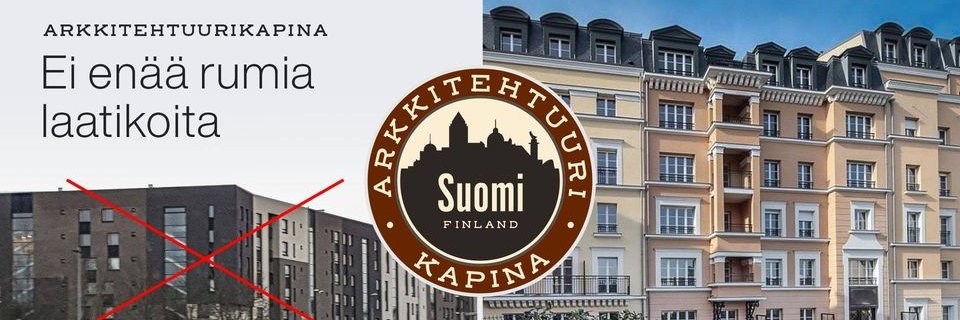
Uusia laatikkolandioita myydään päättäjille kuvastolla, jossa aurinko paistaa, täysikasvuiset puut ovat ikivihantoja ja onnelliset perheet hyvätapaisine lapsineen käyskentelevät kiireettömästi.
Nyt uudella #Antirenderöintikone’ella voit katsoa miltä suunnitelma oikeasti näyttää.
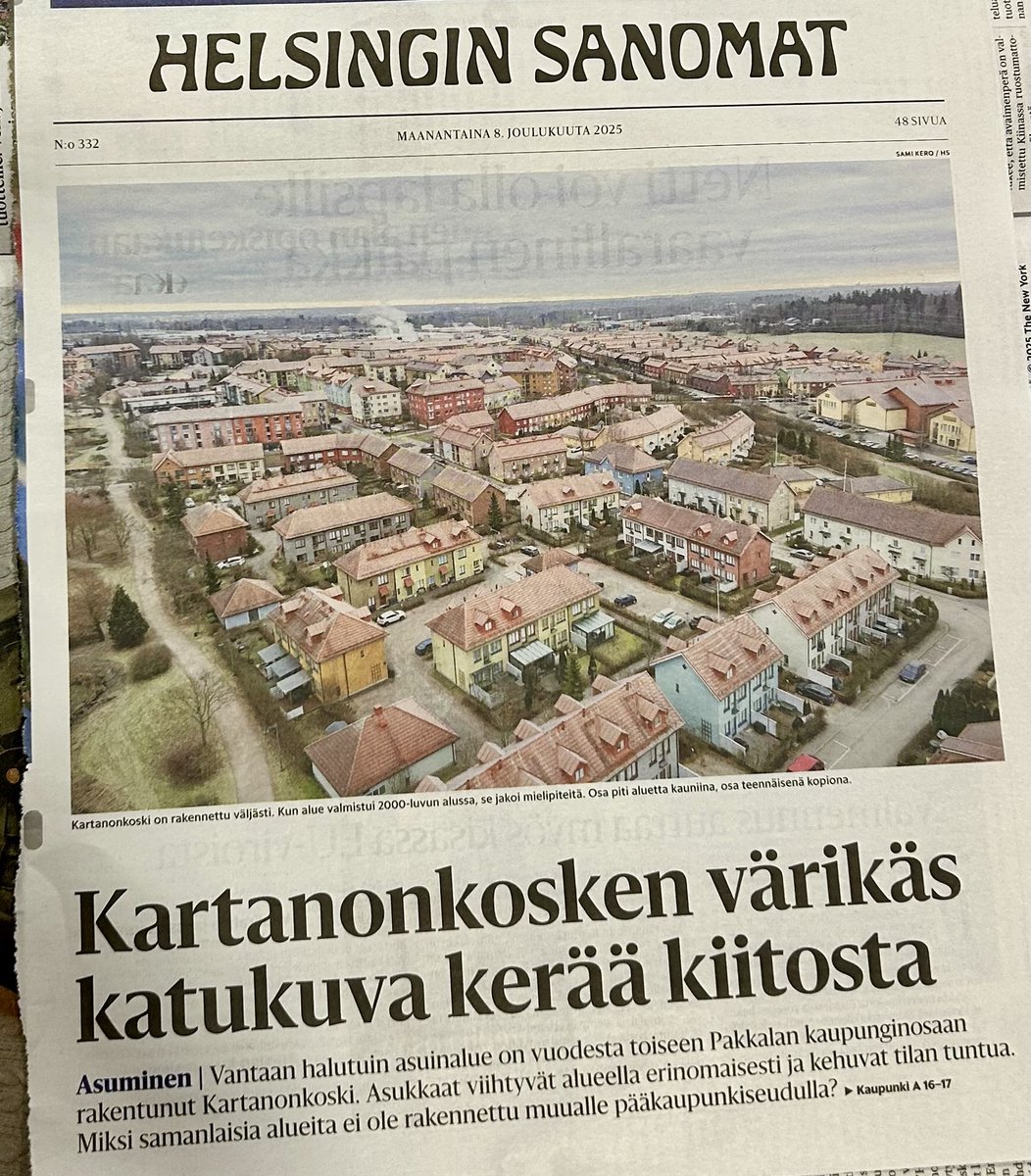
"#Kartanonkoski kuuluu vuodesta toiseen #Vantaa'n halutuimpiin asuinalueisiin."
"Mistä Kartanonkosken suosio johtuu?"
"Asukkaat kertovat, että talojen arkkitehtuuri ja värimaailma miellyttävät."
Miksi ihmetellään selvää asiaa?
#NewTraditionalArchitecture#NewUrbanism
Kylmiltä, kolkoilta ja jopa ihmisvihamielisiltä tuntuvilla kaupungeilla on kansanterveydellisiä ja lopulta kansantaloudellisia vaikutuksia.
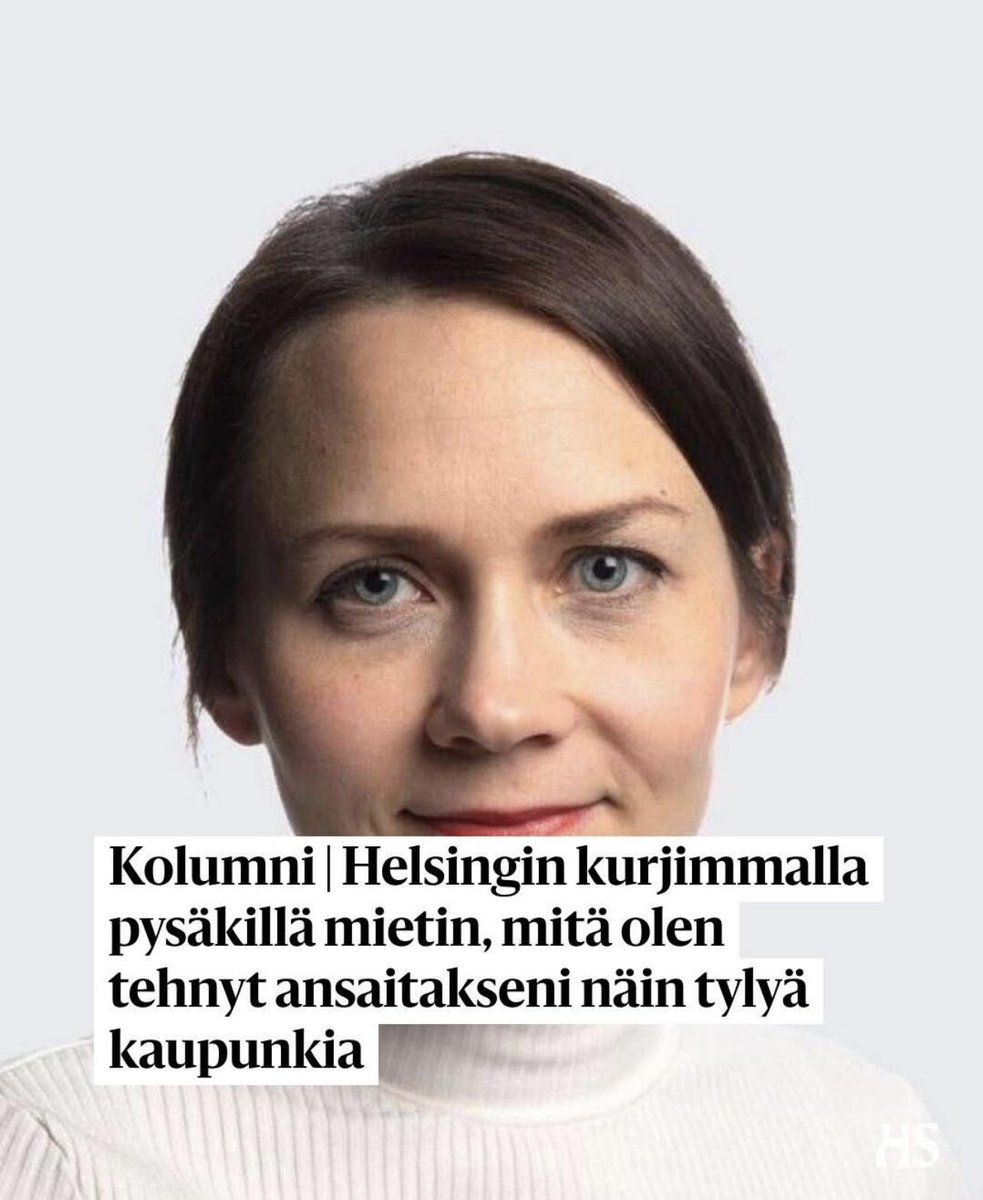
Kirjoitukseni päivän Helsingin Sanomissa. 👇
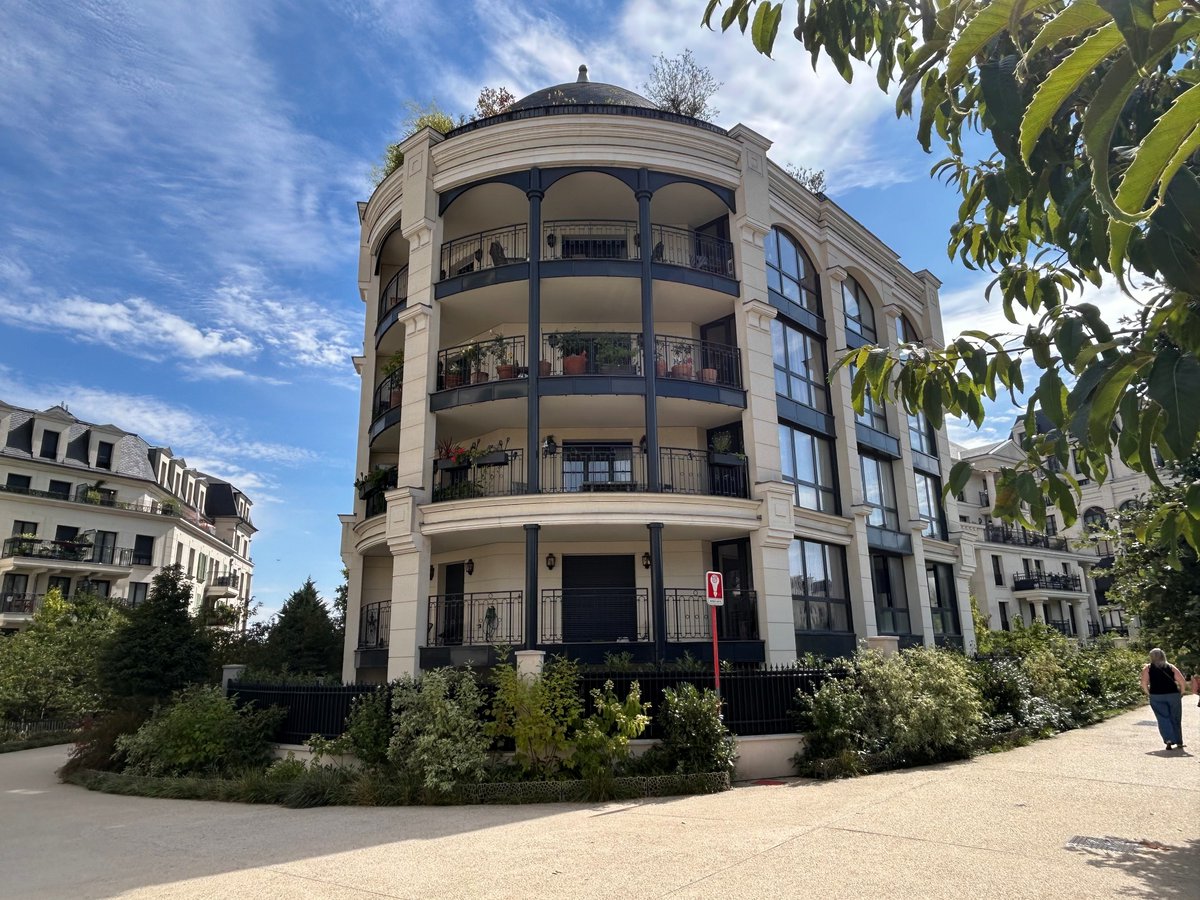
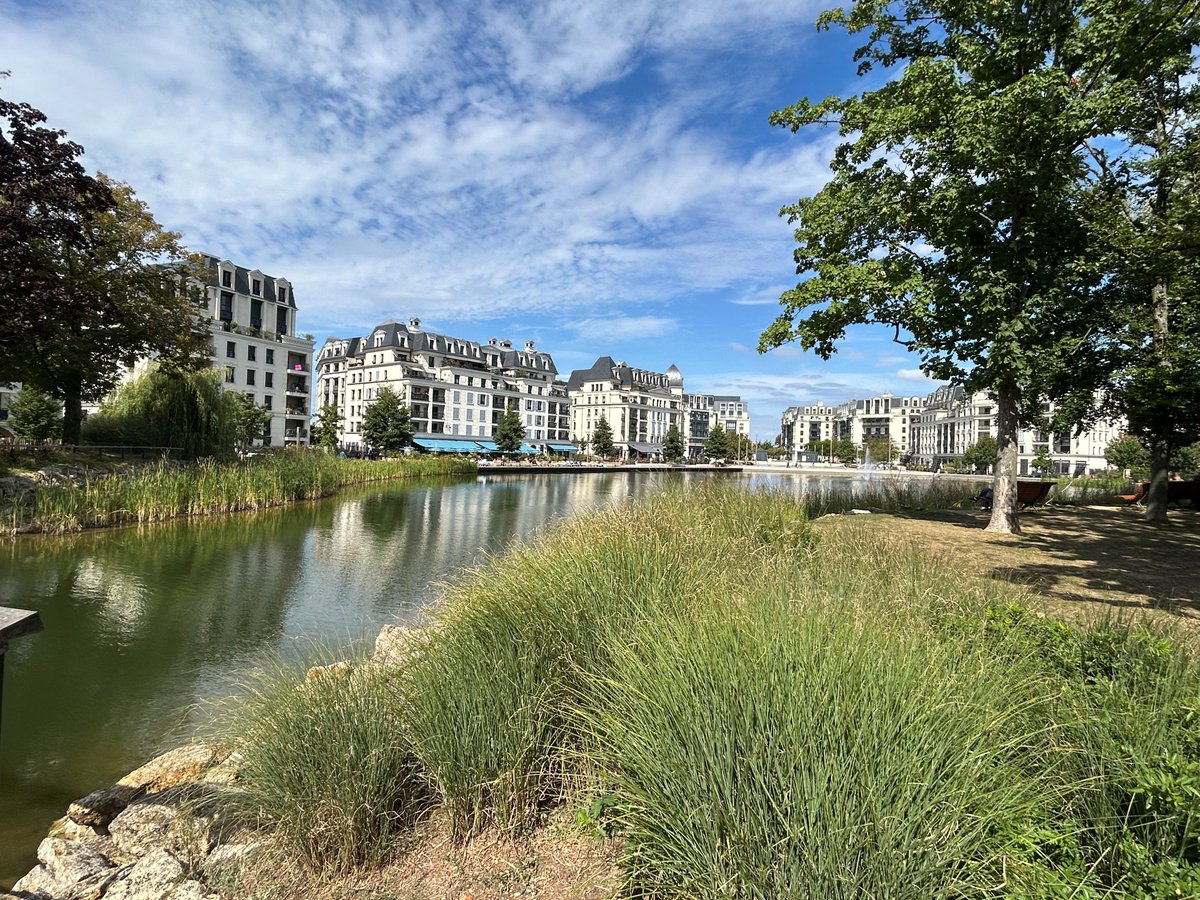
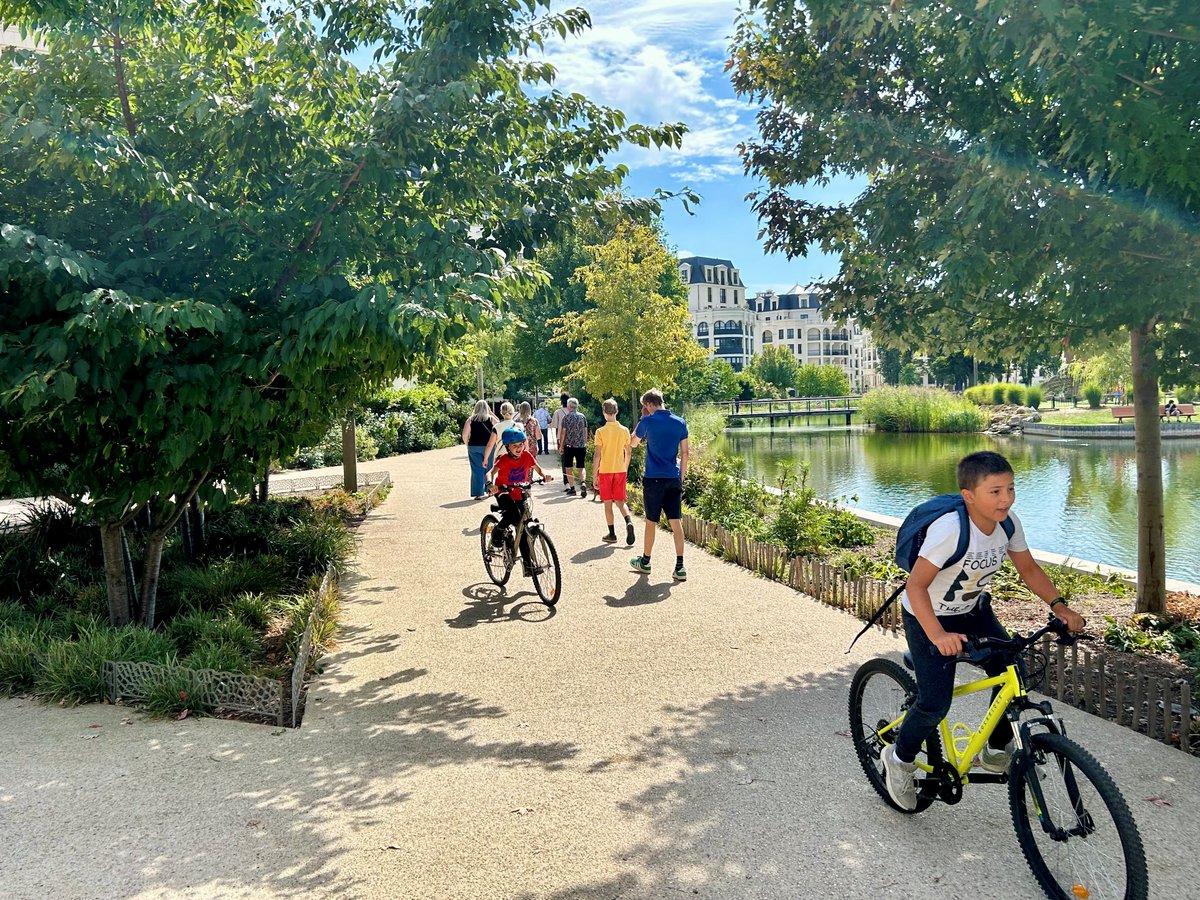
This slice of Paris is new. Every mote of it. New homes and places don't need to be loveless. We chose to create ugly places because we don't ask: is this humane? Is this lovely? Is this kind? But we can afford to. If we dare to to slip the surly bonds. You can...
Yet MORE research using our Visual Preference Survey techniques showing that Dutch, like🇬🇧 & 🇺🇸, strongly & consistently prefer buildings which are more humane, detailed & coherent vs type of faceless & ornament free buildings in which our age specialises. This corroborates...
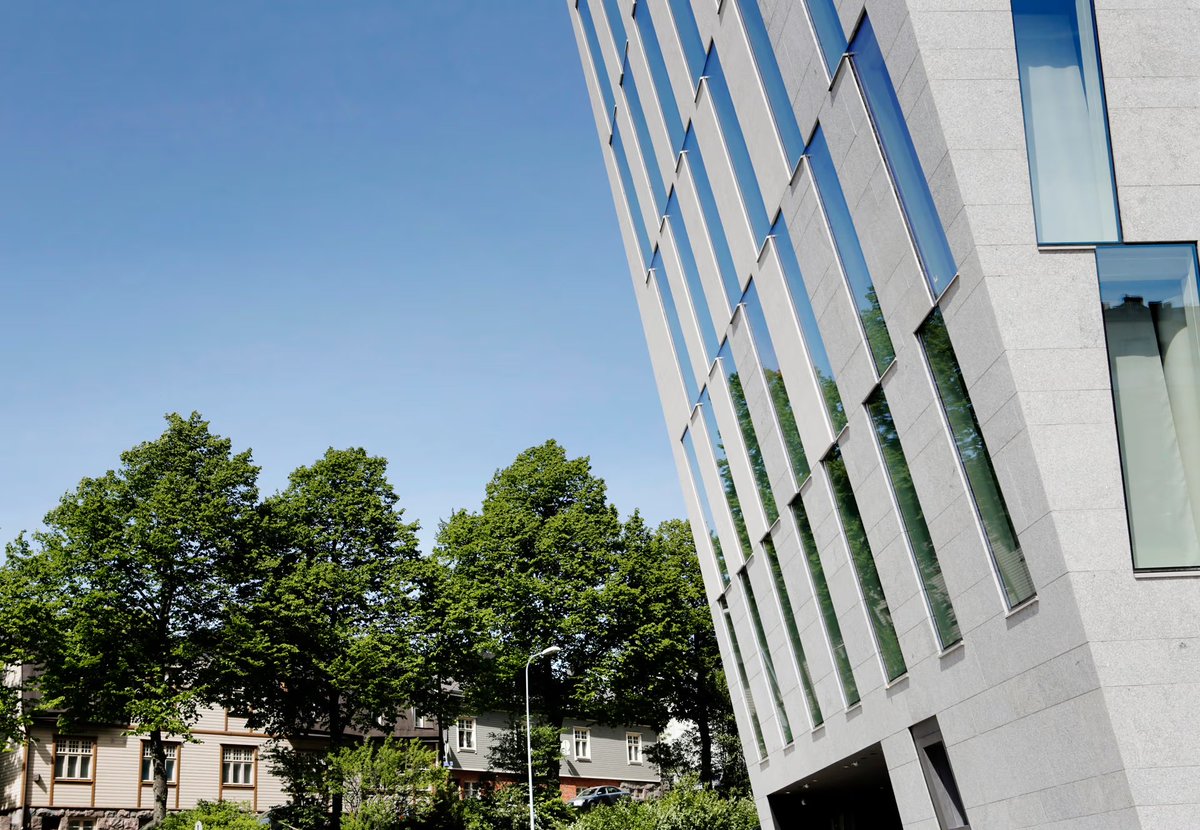
Pasila on täydellinen paikka pohtia, miltä eri aikojen arkkitehtuuri tuntuu. Jostain syystä juuri Pasilassa on koeteltu toistamiseen tavisten sietokykyä modernille arkkitehtuurille. Laatikkomainen elementtirakentaminen ei todellakaan loppunut 1970-lukuun.
@hsfi
👇
@petrioseppala@hsfi Tällä väitteellä perustellaan tylyjen laatikoiden rakentamista. Että kun vaan jaksatte odottaa 50+ vuotta, niin a vot ja simsalabim, jo muuttuu laatikko kauniiksi. Uskooko tähän joku?