A look at how community-based initiatives are contributing to Rwanda’s future, with the support of youth-led initiatives.
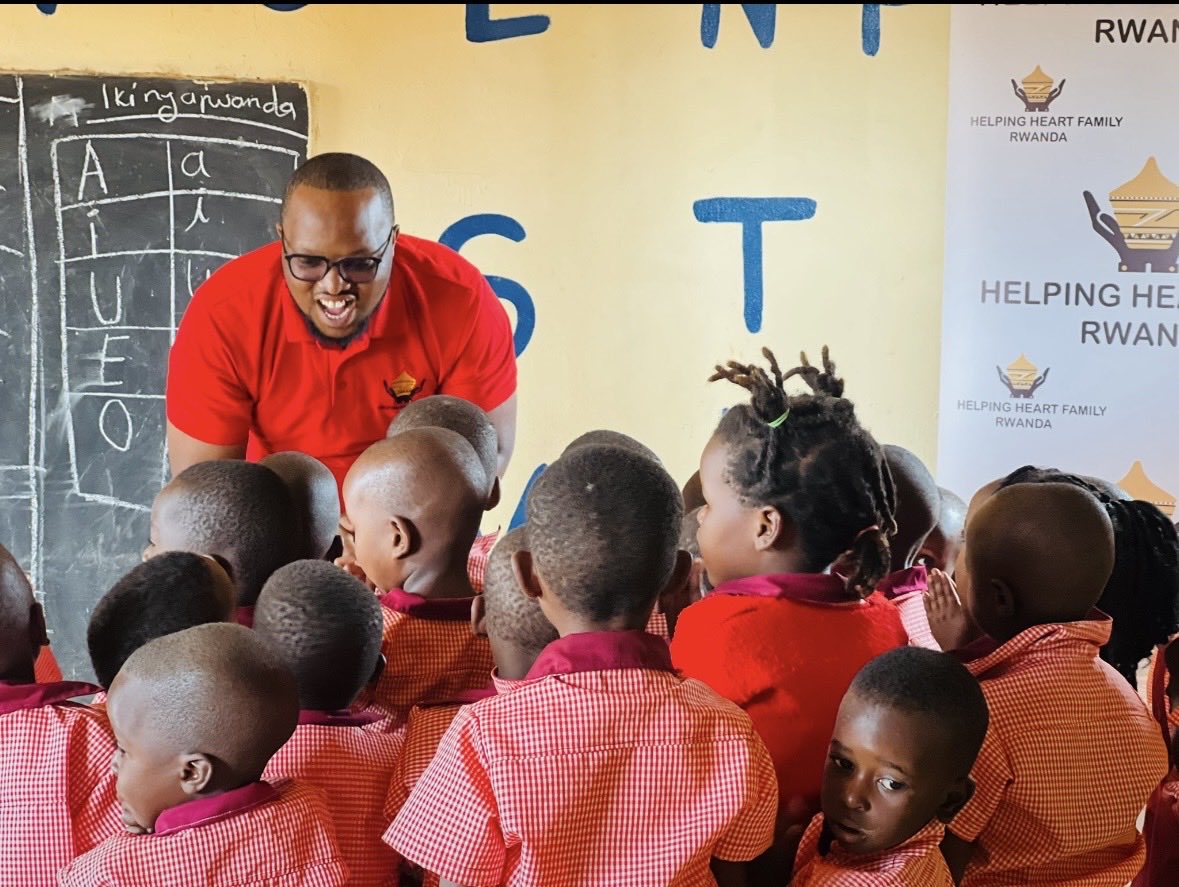
The Gitega ECD established by @HelpingHeartFam continues to show impact in supporting children’s growth, learning, care and development. The center provides children with a safe and supportive environment where they can learn, grow and develop, contributing to stronger families and communities.
Never Again Rwanda is seeking an Individual Consultant to document the impact of the CS-Engage Program.
📍Duty Station: Kigali, Rwanda
📅Assignment Period: 1 November – 2 December 2026
📩Application Deadline: 23 October 2026
For more info, please read the Terms of Reference (ToRs) from our LinkedIn or Website/Career page via the QR Codes on the attached flyer.
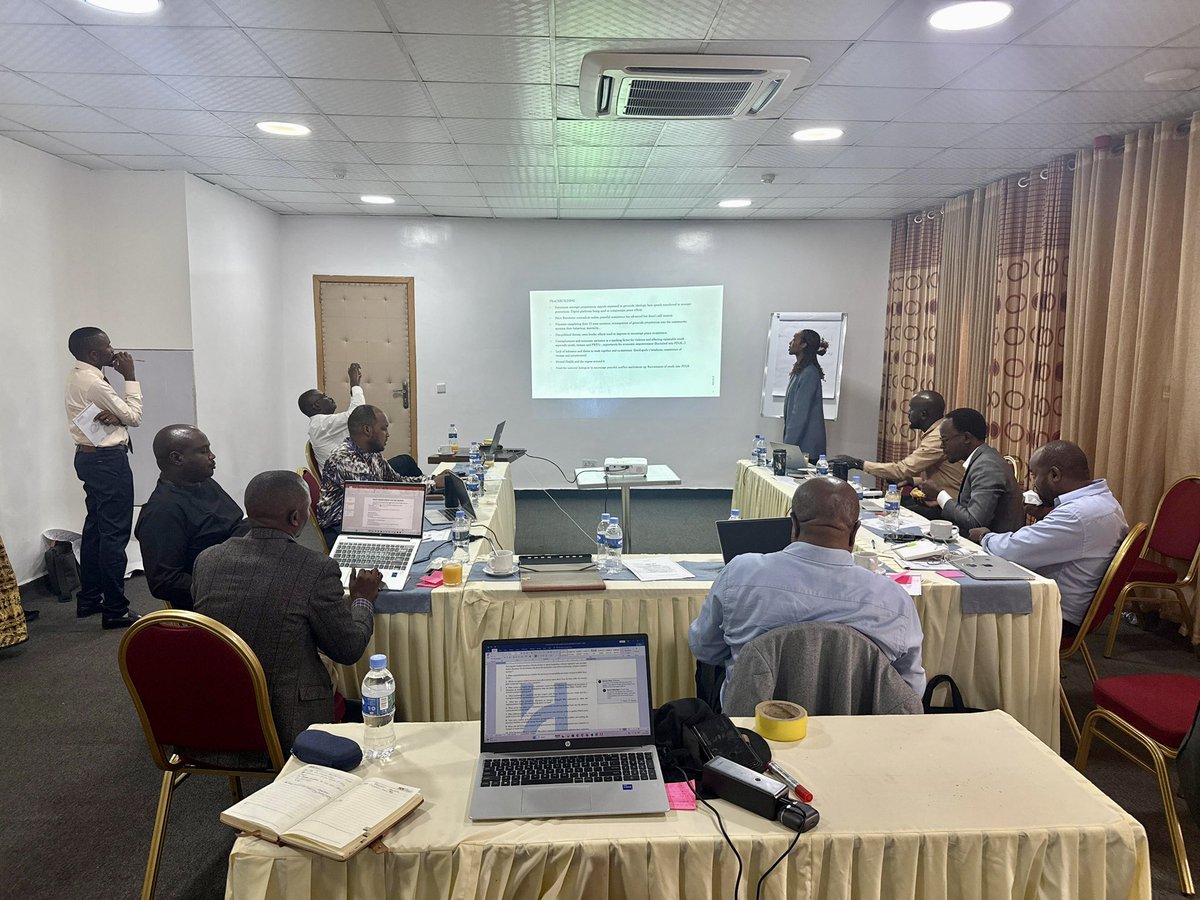
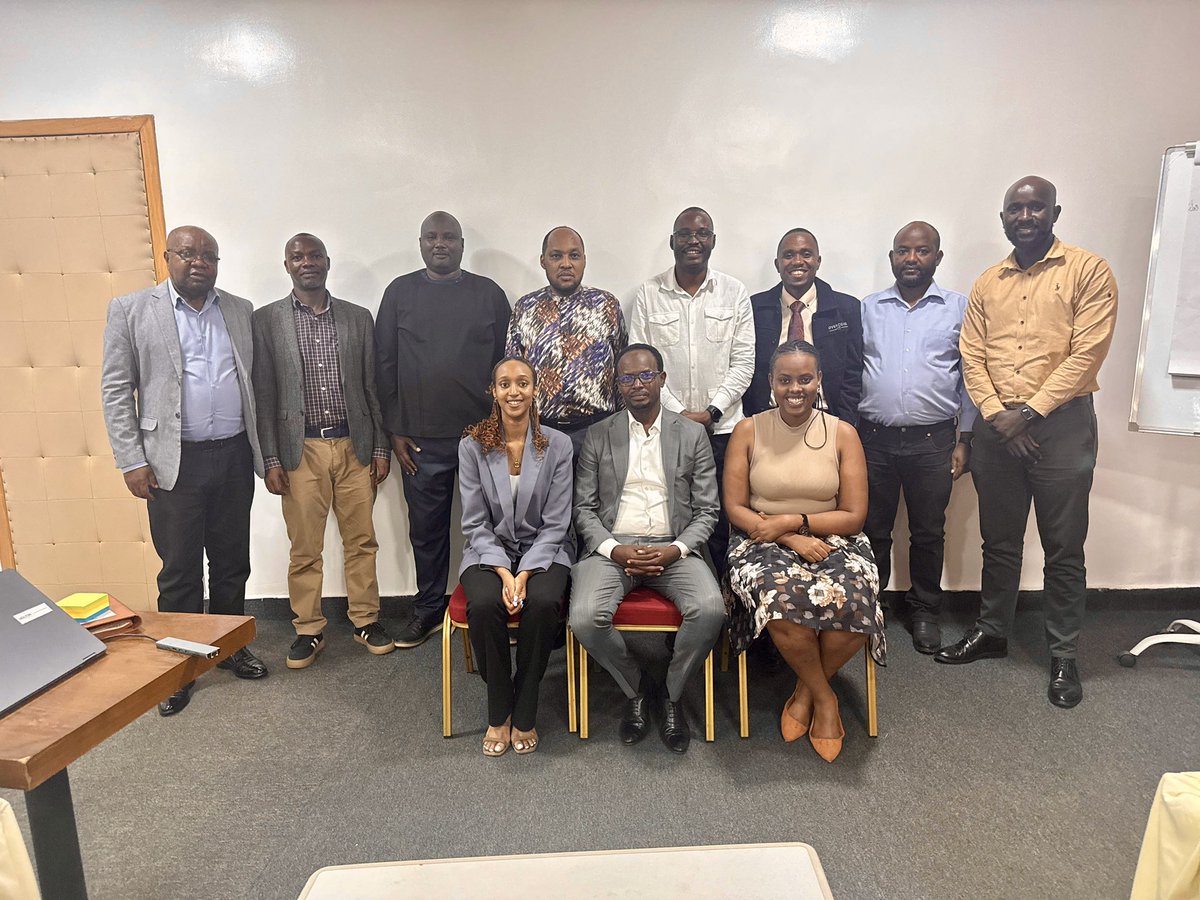
Today, at our HQ, we received our civil society partners to reflect on the coalition’s progress in policy advocacy in different areas such as Post-harvest Management, Land governance, Gender Based Violence, & Workplace Learning.
We have appreciated the progress in collaborating with government and other stakeholders to advance policy actions, and harmonise our efforts for the desired socio-economic and governance transformation outlined in NST2.
Additionally, we exchanged lessons, challenges, and mitigation measures.
As a coalition, we remain committed to working together with other stakeholders to ensure policies reflect the realities on ground.
#NeverAgainRwanda #NAR #CSO
As Rwanda prepares for the 4th local elections, this is an important moment in our decentralization journey and an opportunity to renew the relationship between citizens, their representatives, and local government institutions.
Our Executive Director, @NAREDirector, emphasizes that meaningful accountability and public trust depend on strong civic education, transparency, and active citizen participation.
@JosephRyarasa@RwandaLocalGov #NeverAgainRwanda #LocalElections
When young people are given the opportunity to lead, they don’t just transform their own lives, but also those of their communities.
Through our EYE Initiative (Empowering Young Entrepreneurs), young grantees who received support last year are turning their ideas into thriving agribusinesses.
From creating livelihoods to improving access to food and opportunities in their communities, these young entrepreneurs are proving that investing in youth is investing in the future.
We’re proud to witness their journey, and even prouder of the impact they are creating.👏🏾
@YouthEngage_rw@Igitekerezo_Pod
#NeverAgainRwanda #EYEInitiative
Today, we started four days reflection sessions dedicated to reflection, strategic thinking, and meaningful conversations about our direction for 2026–2030.
We’re taking a deliberate pause to look at where we’ve been, what we’ve learned, what the changing context demands of us, and where we can create the greatest impact in the years ahead.
The next five years will require clarity, adaptability, and collective ambition. We’re taking the time to get the direction right.
@crd_rw@AJijukirwa@rdi_org
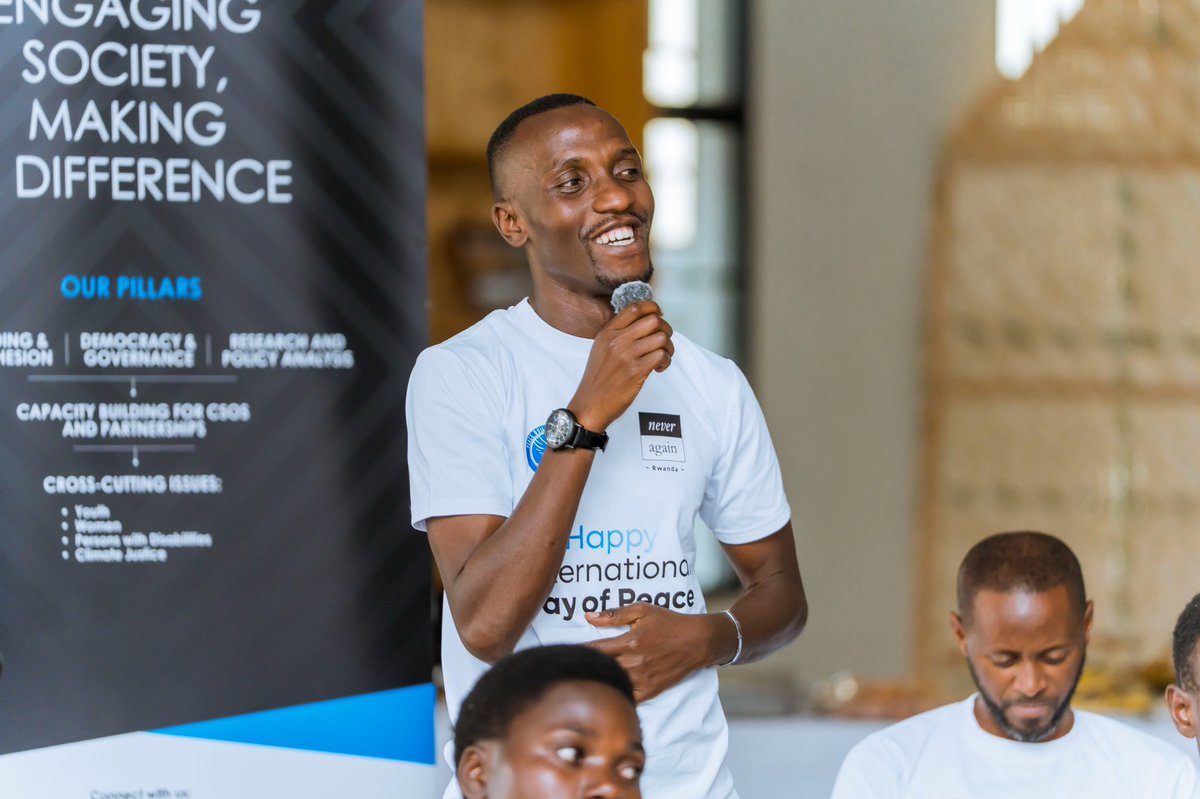
Today, we joined the youth across @MusanzeDistrict, @BureraDistrict, @NyabihuDistrict, @RusiziDistrict, @HuyeDistrict, & @NyagatareDistr districts to commemorate the International Day of Peace.
Together, we reflected on the importance of peace, dialogue, unity, and social cohesion in building stronger and more resilient communities.
As we mark this year’s International Day of Peace, we reaffirm our commitment to fostering a culture where peace is not only celebrated, but lived every day.
Peace is a theory of what we owe each other.
As we celebrate the International Day of Peace today do you know that the person sitting across from you does not have to agree with you for you to owe him or her something. That is where peace begins, we owe each other dignity before agreement, restraint before certainty, and the possibility of being heard before we demand to be understood. These obligations matter most when our interests collide and our experiences of the same society differ.
Furthermore, a society is held together by thousands of such choices. We choose not to humiliate when we have the power to do so. We listen when dismissal would be easier. We raise grievances through legitimate channels rather than allow frustration to become hostility. In this sense, peace is not simply the absence of conflict. It is the practice of sustaining relationships despite difference.
Beyond our individual relationships, these responsibilities extend to the institutions that organise society. Institutions owe citizens meaningful channels through which concerns can be expressed and considered. Leaders owe communities accountability, while citizens owe one another restraint in how they exercise their freedoms. Peace does not require disagreement to disappear. Rather, it requires disagreement to remain within relationships and institutions strong enough to withstand it. Equally important, power makes these responsibilities more consequential.
Those with greater authority carry greater responsibility for how they exercise it. The way power responds to disagreement can strengthen trust or weaken the relationships that hold a society together.
Ultimately, every generation inherits institutions, relationships and habits shaped by those before it, while also shaping what comes next. What we normalise today becomes part of the social environment others will inherit tomorrow.
Peace, then, asks something of us before it gives something to us. It asks us to recognise that belonging is reciprocal. We inherit society, but we also remake it through how we exercise power, respond to difference and make room for one another.
Peace is, at its deepest level, is a theory of what we owe each other. #peaceiswithinyou #PeaceIsPossibe #InternationalPeaceDay #IDP2026
📸courtesy to RwandaPeacePartnership
Peace requires people to develop ways of engaging their diversity without allowing it to become sources of division.
THE THINGS PEACE NEEDS US TO INVEST US IN https://t.co/7IgPN68ug3
Decentralization as a pathway to democratization
Decentralization changes the location of responsibility. Democratization asks whether it changes the location of power. A local institution may be closest to a citizen’s problem while lacking the authority, resources or information required to resolve it. The institution is then close enough to receive the concern but not necessarily empowered enough to resolve it.
Rwanda’s decentralization framework creates several channels through which citizens can express concerns and participate in public life. Elected local councils, Inteko z’Abaturage, Umuganda dialogues, JADF and Mbaza operate in different ways, but together they raise a central democratic question. Do citizens’ concerns move through the system, reach the institution with the authority to act, and return as a decision, explanation or accountable response?
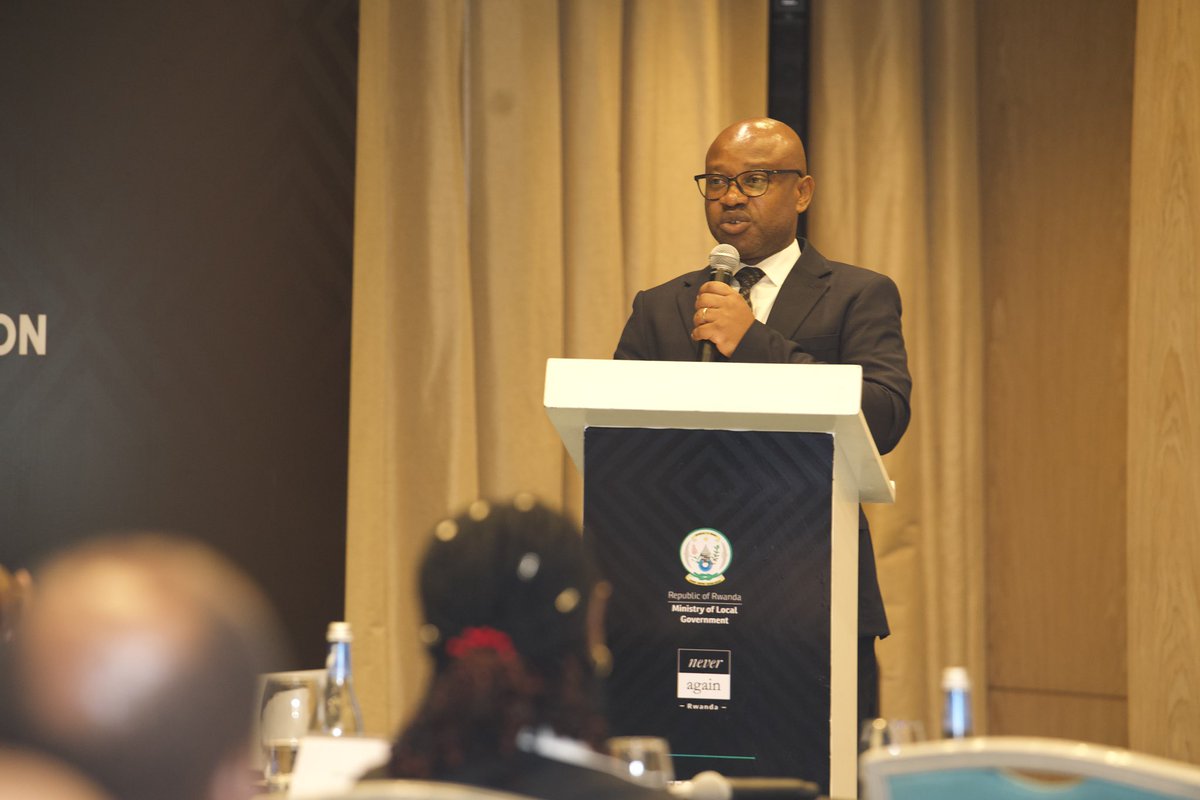
Yesterday’s Never Again Rwanda strategic dialogue with the Ministry of Local Government and partners made this question especially present. The discussion offered an opportunity to reflect on elected local councils, particularly District and Sector Councils, as meeting points between citizens and public authority. Their meaning depends on the relationship they create, the concerns they carry and the institutional responses they help make visible.
An election gives citizens a voice in choosing representatives. Decentralization determines the institutional space through which that voice can enter the exercise of public power. The distance between voting and governing is not geographical alone. It is also legal, institutional and relational. A ballot can confer legitimacy, but legitimacy gains democratic substance when representatives work within arrangements that allow citizens to see, question and influence decisions made in their name.
Electoral law provides the framework through which representation is constituted, shaping participation, representation and competition. Decentralization then gives that representation an everyday institutional setting. The elected local council stands at the meeting point of electoral authorization and lived experience. Its importance lies not only in representing a locality, but in connecting representation to the decisions, priorities and public responsibilities that shape everyday life. Decentralization cannot be measured by proximity alone. Bringing government closer to citizens does not automatically bring power closer to them. A local office may be accessible while remaining unable to decide, fund or implement. For decentralization to deepen democratization, authority must be clear, resources must correspond to responsibilities, and citizens must know where decisions are made and how those decisions can be questioned. More details click below: https://t.co/kCQbliNITG
Today’s dialogue got closed by the Head of Development Cooperation at the Embassy of @SwedeninRW, Kerstin Johnson Cisse, bringing everyone back to the central purpose of the discussions. “Decentralization is ultimately about people”, she noted. Ensuring better services, reflecting local priorities in decision-making, and creating meaningful opportunities for communities to influence choices that affect their lives. She added that responsibilities must be matched with the resources, capabilities, and authority needed to deliver them effectively.
In her remarks, Kerstin Johnson Cisse, reflected on Rwanda’s 25-year decentralization journey, noting the progress made in strengthening local institutions, citizen participation, fiscal management and accountability. At the same time, she reminded participants that “decentralization is not an event. It is a continuous process of learning, adaptation and reform.”
@RwandaLocalGov #Democracy
The Permanent Secretary of the @Rwanda_Justice, Mbonera Théophile, asked a fundamental question at the center of today’s dialogue: What does decentralization actually mean for ordinary citizens?
He pointed to everyday realities, a farmer accessing extension services when needed, a child receiving quality education wherever they are in the country, and citizens having a real say in decisions shaping their communities.
“Decentralization brings governance closer to the people. It is about ensuring that every child goes to school and every farmer can farm. The right decisions should be made where services are delivered, and there should be accountability. As Civil Society, keep the evidence coming, amplify citizens’ voices, and keep us accountable.” He said
Looking back at Rwanda’s decentralization journey, the Permanent Secretary acknowledged the progress made over the past 25 years in bringing governance closer to citizens, strengthening local planning and accountability, and connecting national priorities with local realities.
“This is real progress, and we should own it. But progress should give us confidence, not comfort,” he added, pointing to the need for greater momentum in the next phase of sectoral decentralization.
@RwandaLocalGov #Democracy #NAR
This morning, in collaboration with @RwandaLocalGov, we are convening a strategic dialogue on advancing decentralization for improved governance, service delivery, and accountability. The dialogue brings together central and local government institutions, sector ministries, public agencies, and other relevant partners.
As we simultaneously observe the International Day of Democracy, today’s discussion will focus on how decisions, responsibilities, and services can be brought closer to citizens, and what this means for active citizen participation, responsiveness, and accountability in local governance.
@SwedeninRW@SwissDevCoop@giz_rwanda