Every so often, medicine gives you a week that reminds you just how rare and humbling this work can be.
Recently, I operated on three babies in a single week with biliary atresia. For most surgeons, this is a once-in-a-career kind of cluster. Biliary atresia is an exceptionally rare condition where babies are born without functioning bile ducts. Without those ducts, bile can’t drain from the liver, leading to progressive liver damage and, ultimately, liver failure if left untreated.
In simple terms, these babies may look healthy at birth, but their liver slowly becomes injured by bile that has nowhere to go.
The operation we perform is called the Kasai procedure, also known as a hepatic portoenterostomy. It was first developed in the 1950s by Dr. Morio Kasai in Japan, and when it was discovered, it offered babies with biliary atresia their first real chance at survival. The surgery creates a new pathway for bile to drain directly from the liver into the intestine. It can slow liver damage and delay or even prevent the need for a liver transplant.
These are not easy cases. The anatomy is delicate, the margin for error is small, and the stakes could not be higher. What makes success possible is never one person. It’s the team.
Our operating room teams were extraordinary. Calm, skilled, and focused. Every movement intentional. When care works at this level, the OR truly becomes a well-oiled machine. Without that level of coordination and excellence, this kind of care simply cannot be delivered.
And then there are the families. The strength of the parents I met that week was astonishing. To hand over your newborn, to absorb overwhelming information, and still show up with grace, trust, and love is something I never stop being humbled by. Their resilience is as powerful as any surgical technique.
Weeks like this don’t happen often. But when they do, they remind me that pediatric surgery is not just about technical skill, but about teamwork, history, trust, and the quiet courage of families facing the unimaginable.
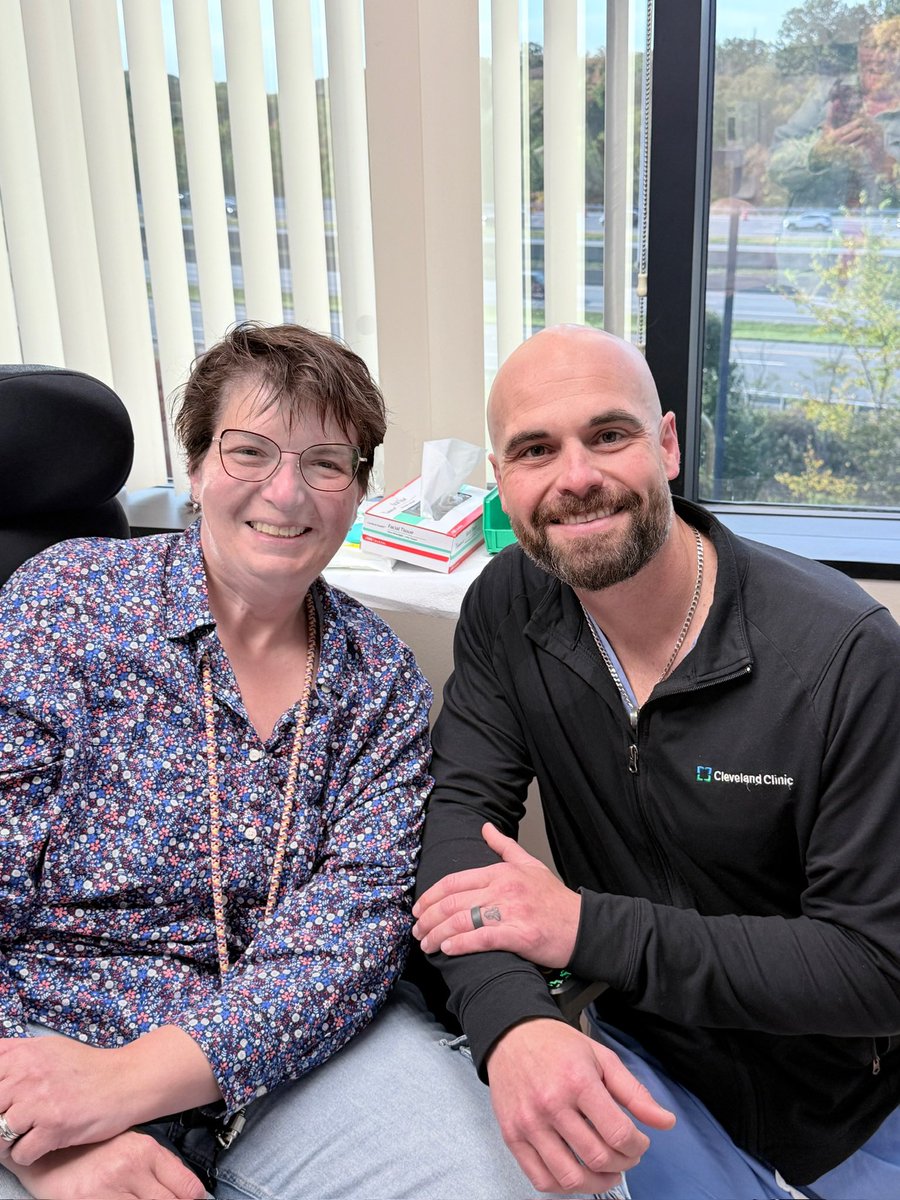
Posted with patient permission! As a spinal deformity surgeon with expertise in connective tissue and neuromuscular disorders, it’s important to remember that DYNAMIC imaging is paramount to diagnosis! I love seeing my patients several years postop with improvement in their quality of life, especially after years of misdiagnosis. One of many reasons why I love working at the Cleveland Clinic! @ClevelandClinic #myelopathy #scoliosis #EDS #patientcare #MedX #MedTwitter
Nigerian creators make good things.
We built Good so discovering these quality products feels simple, reliable, and effortless to enjoy.
Good is here. Come see what’s waiting for you: https://t.co/WzrfV6L9lG
#GoodThings#MadebyNigerians
Just wait for the paint to dry, then paint that end.
Moral lesson: If you wait to understand how to finish, you may never begin. Just start, you'll figure it out along the way.
Yet it works for celebrities.
Why?
Their brand = instant credibility + trust capital.
Davido raised ₦250M in days because people weren’t just giving to the cause, they were giving to him.
NGOs don’t have that trust capital. They must build trust slowly.
Even well-meaning Nigerians are struggling.
Asking for ₦50k at an event is huge. Most give ₦5k, ₦2k, or ₦500.
That’s not disbelief in your cause, it’s the economic reality.
A full hall doesn't equate a full purse.
People attend to network, eat, or just vibe. Donations are optional.
Quick math: Spend ₦500k on 100 guests → each guest must give ₦5k for the NGO's to break even. Few ever do.
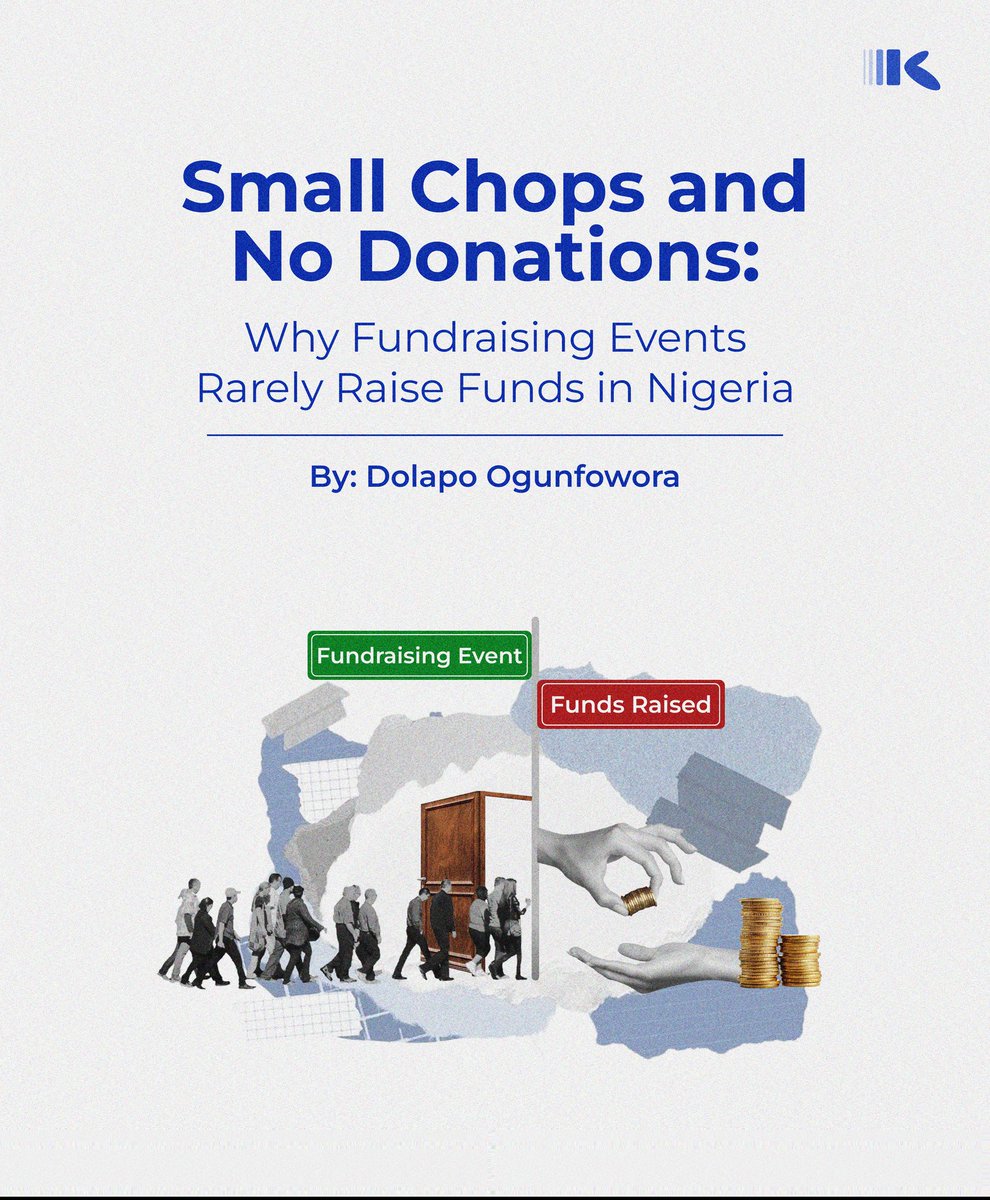
Fundraising events in Nigeria rarely raise funds.
The hall is packed, the small chops are finished, the speeches are moving.
Then Monday morning comes… and the NGO is broke.
Why? A thread:
2018: A small chess program in Lagos.
2021: Oshodi underbridge tournament makes national headlines.
2023–2025: Hundreds of millions raised through world records, merch, and bold storytelling.
Fundraising isn’t chance, it’s chess and @Tunde_OD shows the winning moves: