⚡️ "The federal government made the right move in Budget 2026 by recommitting Canada to the objective of electrifying our economy," said Clean Prosperity's @ABEtienne.
Read more ➡️ https://t.co/RzyzNAffx2
Ottawa’s $2B heat pump rebate gets a lot right.
Here are 3 ideas to take it further: on eligibility, local grid expansion, and interprovincial interties.
Read more ➡️ https://t.co/IP8hDkNx6P
⚡ We are hiring! ⚡
Clean Prosperity is looking for a Research Manager to join our team and execute on our electricity policy work plan. This is a chance to help advance key climate and energy policies in Canada.
🔗 Learn more and apply using the link in the comments.
The federal and Saskatchewan governments should strike a grand bargain to finance the province's growing nuclear power industry.
Read our new report on how federal support can help SK meet rising demands, keep power affordable, and achieve a carbon-neutral grid by 2050.
🔗 Link in the comments.
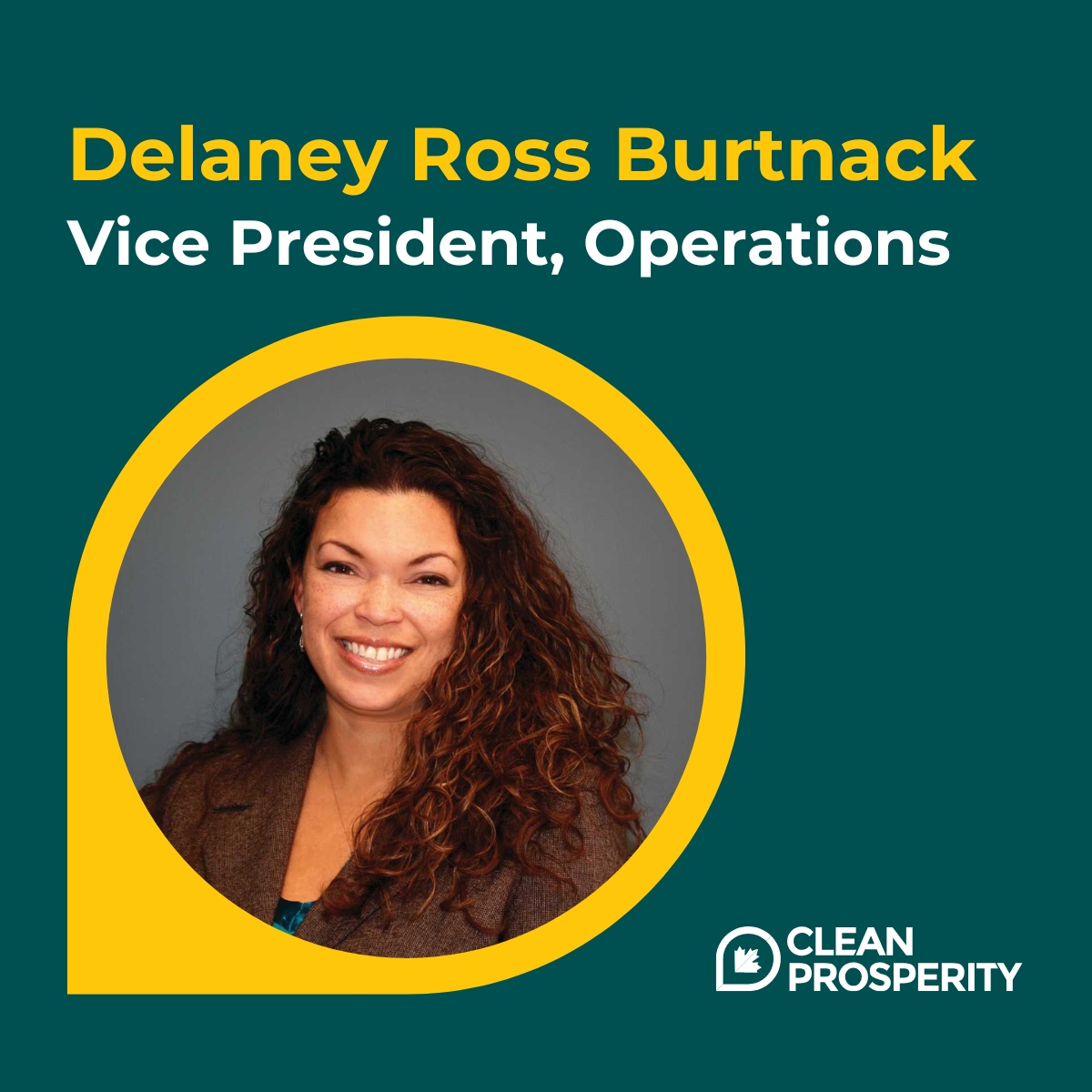
Clean Prosperity is delighted to welcome Delaney Ross Burtnack as our new Vice President of Operations.
Delaney brings 15 years of not-for-profit experience to the role, having led teams and operations in both the agriculture and agri-business sectors.
Welcome Delaney!
Clean Prosperity's Chloe McElhone will join @cacarboninfo tomorrow for a webinar titled "British Columbia's OBPS: Is it rising to the moment?"
🔗 Link to register in the comments below.
Clean Prosperity is hiring a Communications Manager!
This role is an opportunity to have a major impact in shaping climate and energy policy in Canada.
Apply or share: https://t.co/TnL1n2R5bY
"Removing interprovincial trade barriers has never been more urgent." — @Brendan_Frank
New modelling shows linking carbon markets across BC, AB & ON drives ~7M tonnes of credit trades/yr — cutting costs while boosting abatement by 84%.
Link in the comment below 🔗
NexGen Energy broke ground on the Saskatchewan $2.2B Rook I uranium mine, set to deliver 20% of global supply.
As @CleanProsperity's Jeff Davis highlights, SK must "think big" and use its natural endowments to generate low-carbon power at home.
🔗https://t.co/r6mtRxA84P
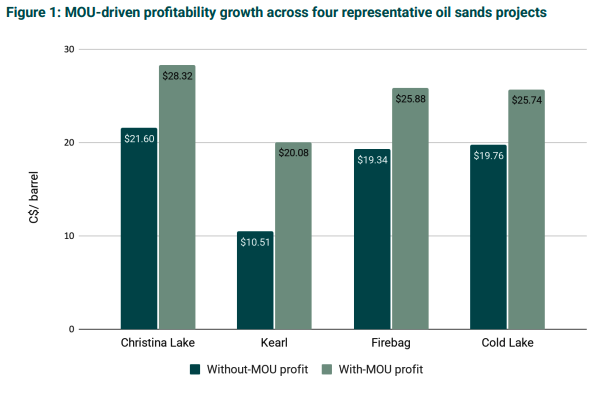
In fact, when we looked at the impact of the federal-Alberta grand bargain as a whole, we found that additional West Coast pipeline capacity would substantially increase the profitability of the four representative oil sands projects we analyzed, net of carbon costs. [3/3]
The new federal-Alberta carbon pricing agreement will cost an average oil sands facility less than $2 per barrel through 2050, finds @GK_Fellows in a @CDHoweInstitute report out today.
https://t.co/6bHIsmSOMg [1/3]