‘TEXAS IS BATTLING OVER 170 WILDFIRES’
‘Wildfires have burned over 100,000 acres in the US state. Hundreds of structures, including homes and businesses, have been destroyed and hundreds of people have been forced to evacuate from their homes.’
VIDEO
https://t.co/TkK5Yc4vZp
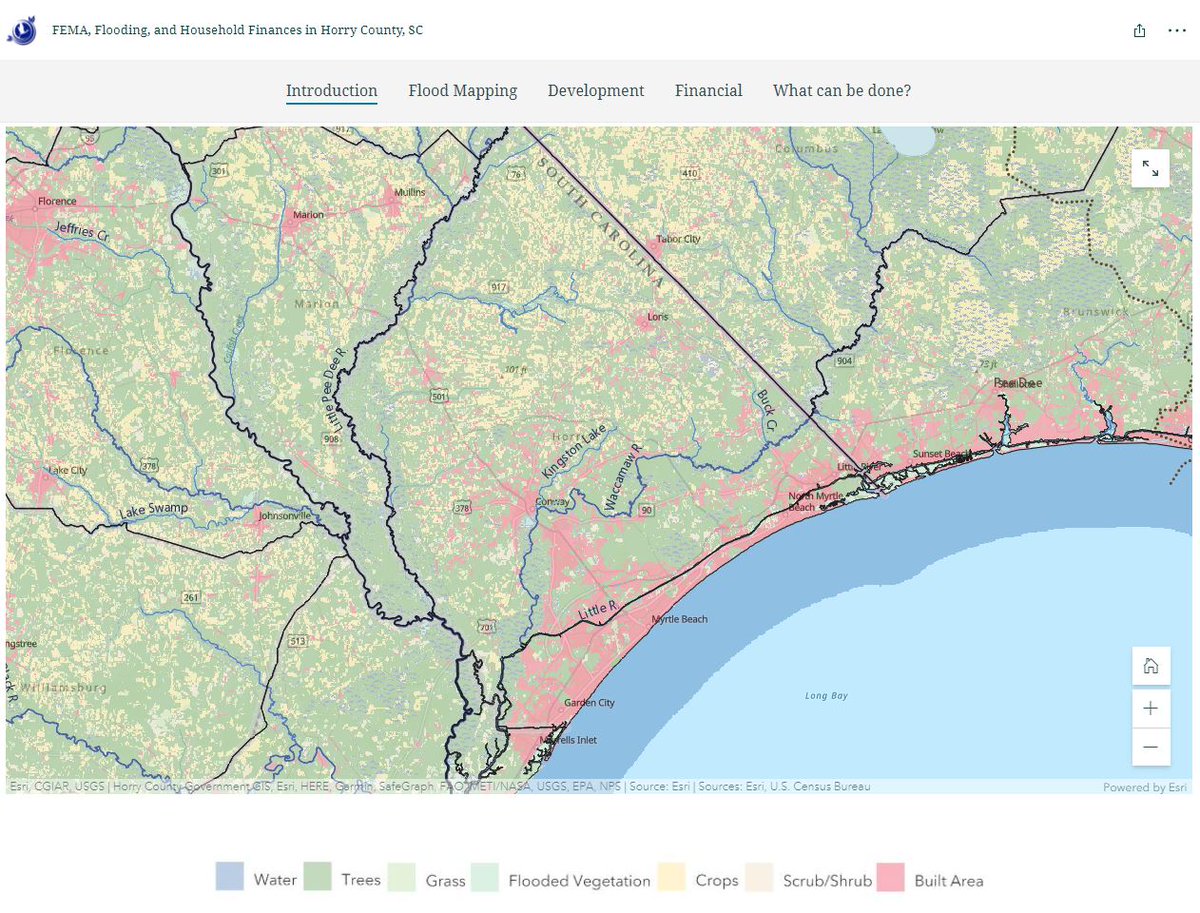
GISCorps volunteer Michael Georgalas worked with @ClimateCost to develop an Esri StoryMap highlighting findings from the Climate Impact Census report to share with Horry County, South Carolina community members. Read more: https://t.co/AgcLsXuaAl
#GISforGood#GIS#ArcGIS#AGO
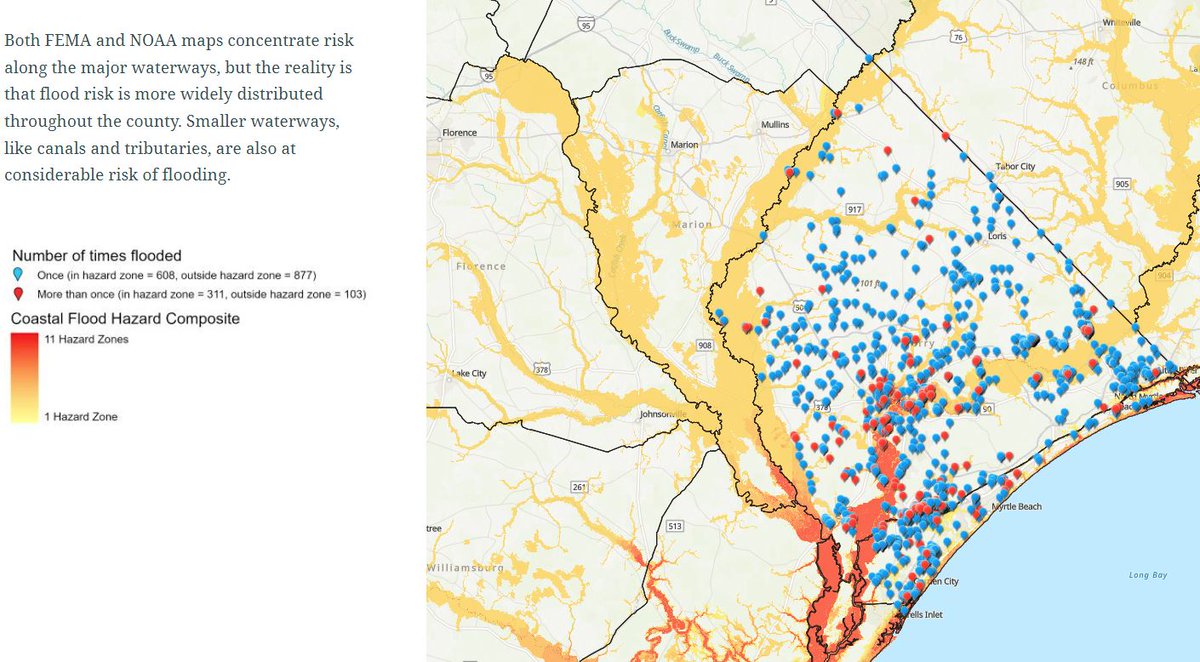
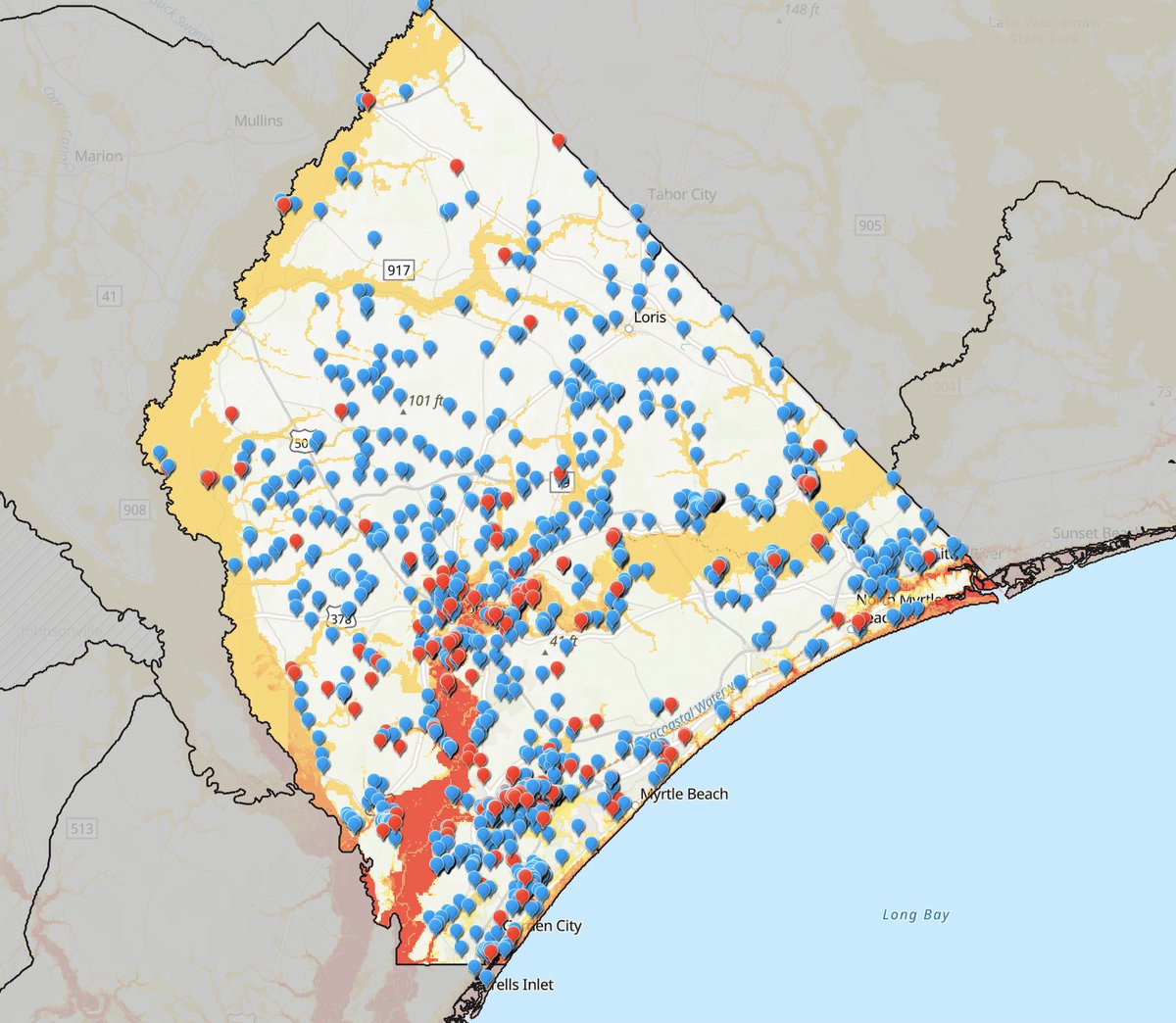
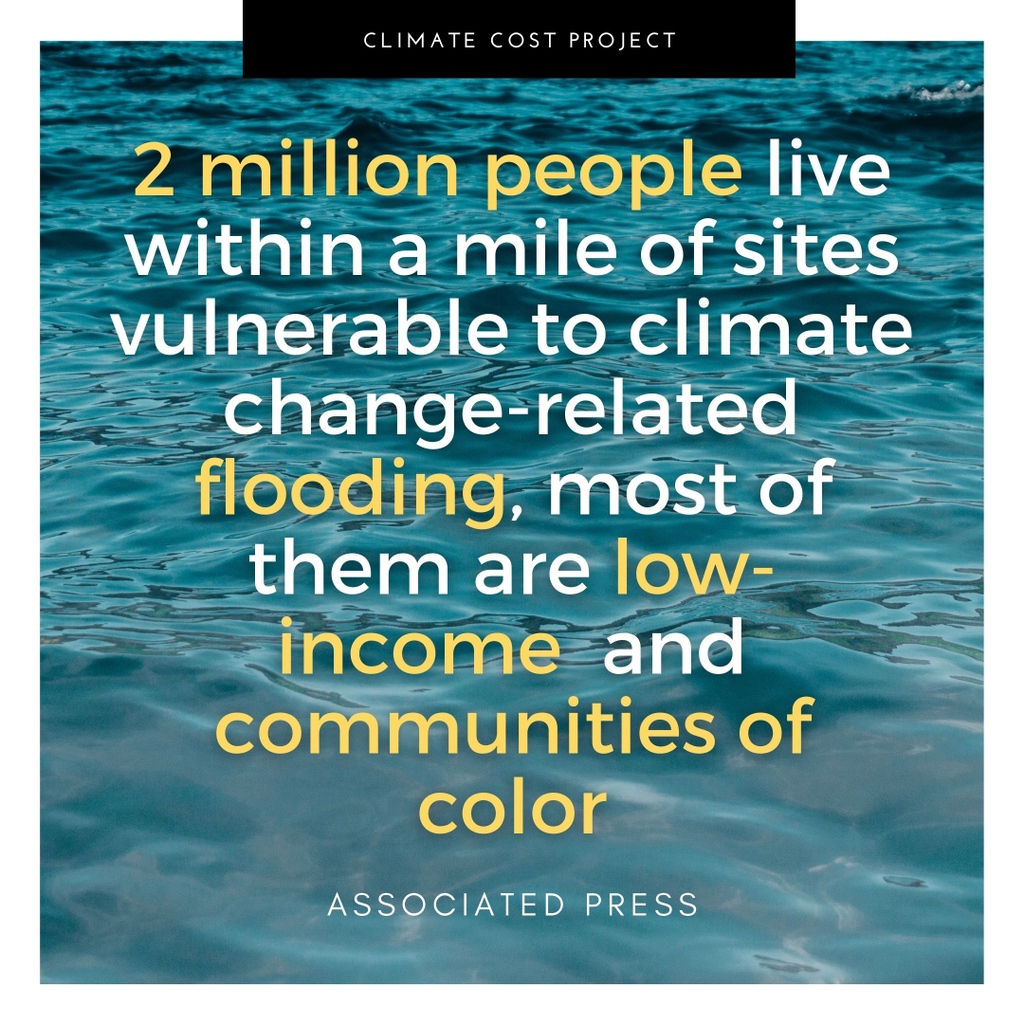
How well does FEMA's flood Mappy describe risk? Check out our StoryMap and see how many flooded houses in Horry County are actually outside of the high risk flood zone.
https://t.co/ASpmtU8sY6
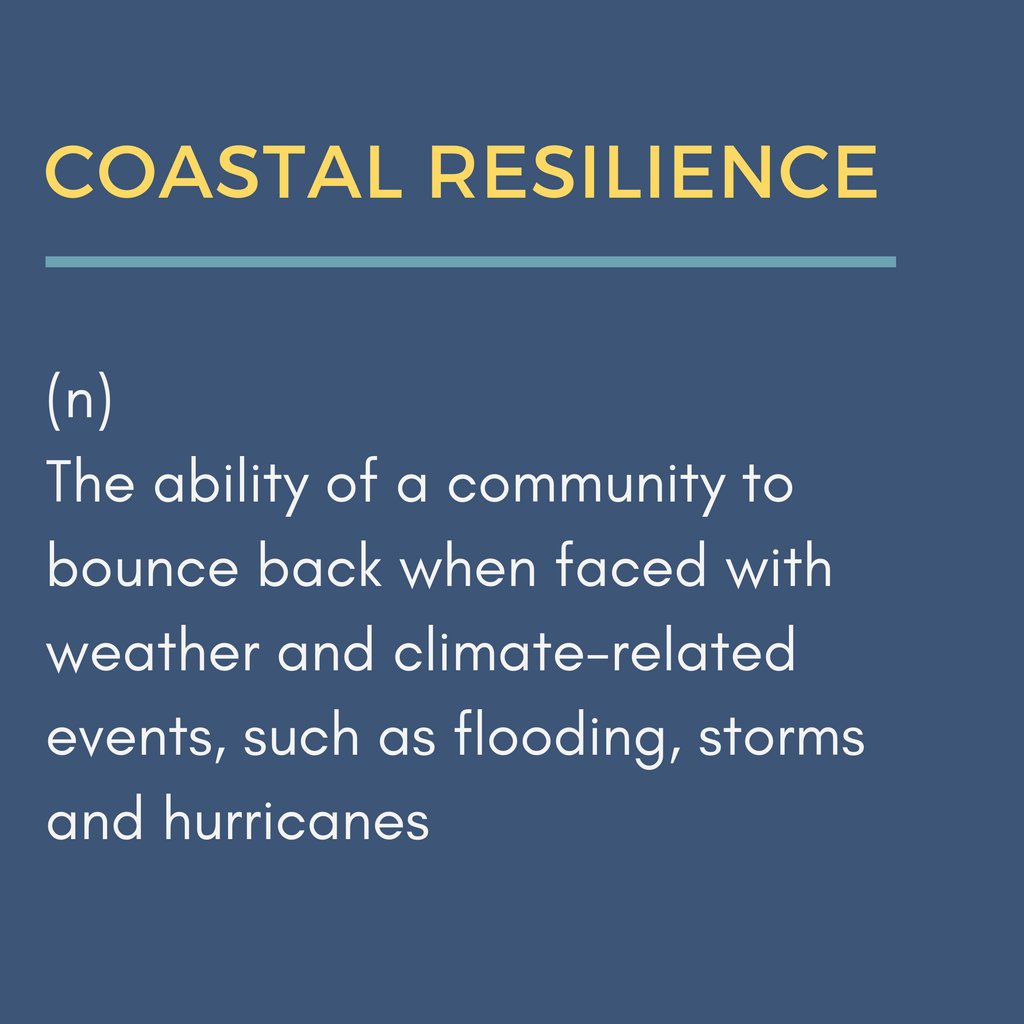
To build #coastalresiliance, we must first understand our vulnerabilities. So, spead the word on the effects of #climatechange within your community, sign petitions, share news on facebook and join local organizations!
#Climatechange is happening now! And is affecting the livlihoods and welfare of American citizens.
Act now, and become part of the #sustainable solution!
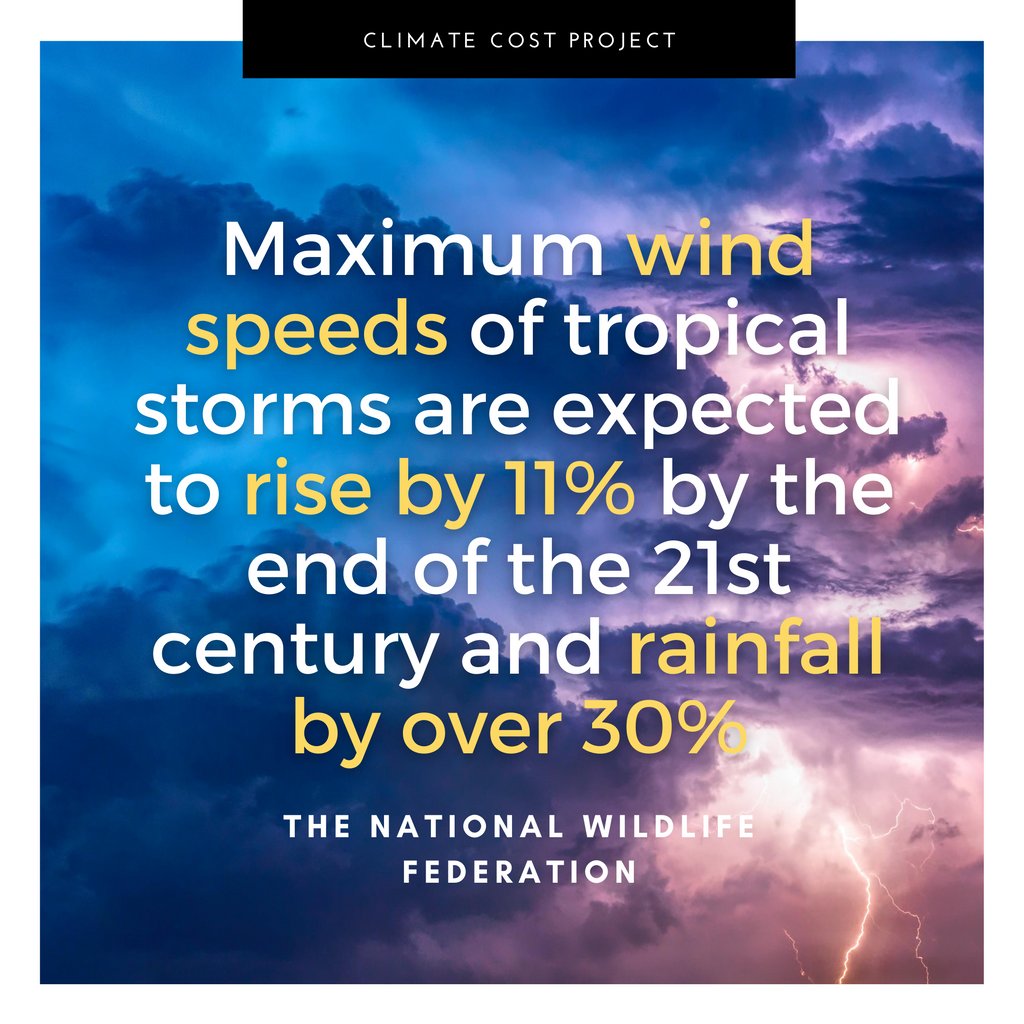
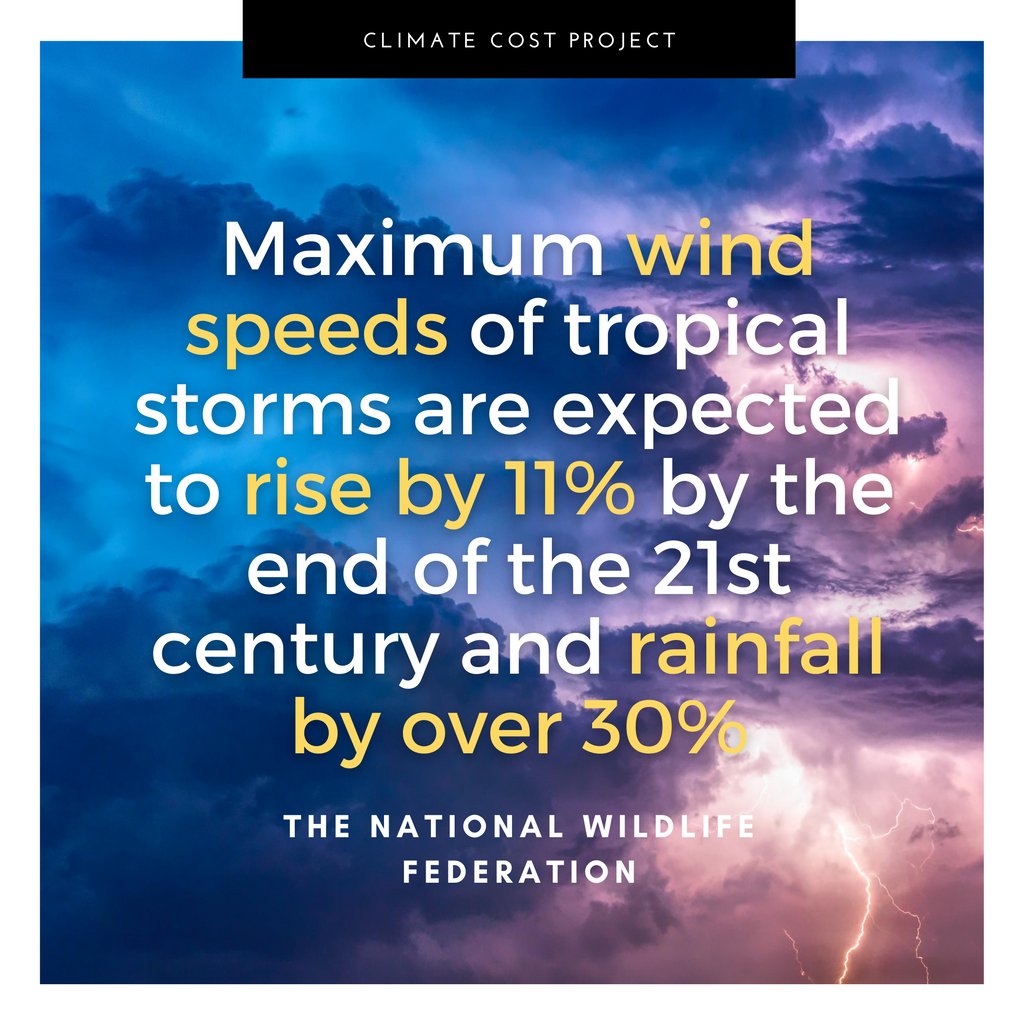
#Rainfall predicted to increase by 30% by the end of the 21st century @NWF
What can you do? Build #communityresilience to be prepared for rain, and help to reverse the effects of #climatechange by reducing your carbon foot print.
It goes without saying that #climatechange is detrimental to our #environment. But climate change will also bring serious consequences for people’s #health.
Ask yourself: what are you doing today to help combat climate change?
There are countless health implications associated with toxic waste plants, such as cancer, asthma, degraded cardiac function and high blood pressure.
#ClimateChange can make these worse - increased temperature traps pollutants closer to the ground, worsening breathing.
Crews are actively addressing flooding issues in our stations.
We’ve hardened stations in coastal flooding zones, but when streets above flood, water will always flow downhill. Please be safe and do not enter flooded stations while our crews work to resolve this.
Buckle up! @NWF suggests that maximum wind speeds of #tropicalstorms are expected to rise by 11% by the end of the 21st century.
What does this mean? An even greater rise in flood-related damage to properties, water systems and #flood-related illness.
"This is one of the most extreme heat waves that we have seen on Earth, in many years, anywhere, in terms of the deviation from the typical conditions in this particular part of the world," https://t.co/pCbkSXnCzc
This is effectively a climate tax *you're already paying*.
And instead of paying it to the gov't, who use it for the benefit of society, you're paying this tax to energy executives who use it to pay for IMAX theaters for their mega-yachts.
So if you want to cool your house to 75°F and the outside temperature increases from 95°F to 98°F, that *small* change means you need a factor of 23^2/20^2 = 1.3x more energy to cool. That's 30%.
This could correspond to tens of dollars each month in increased electricity costs.
You might ask, who cares. For starters, your wallet. The energy needed to cool your house goes approximately as ∆T^2, where ∆T is the temperature difference between the inside and outside of the house.
So this means we've had about 1.5°C of summertime warming (2.7°F). This obviously depends on exactly where you are, so YMMV.
If it was 95°F where you live before global warming, then it's 98°F now.