I’d love to hear about your #OpenAI#Codex experience:
What works?
What frustrates you?
What do you wish it did better?
I build AI coding frameworks for recovery, planning, audits, and long-running project continuity.
Your pain points help shape what comes next.
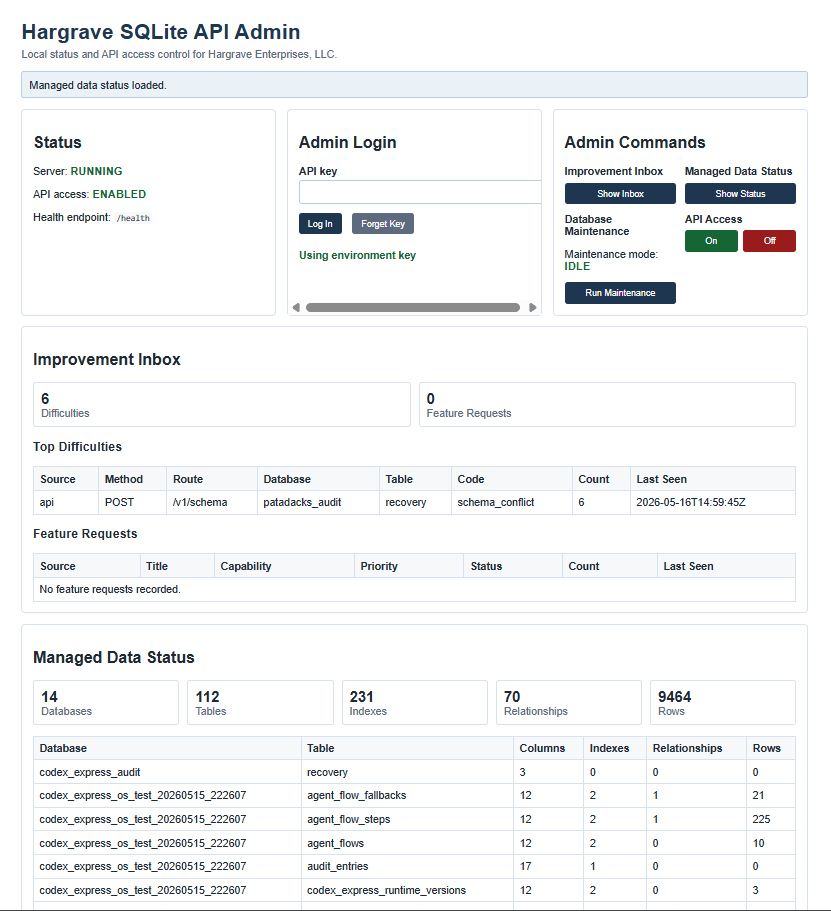
@ayyyelif@OpenAI@OpenAIDevs Thankfully I use a SQLite backed context, so I can rehydrate the context and work for about 30 mins or so before I have to do it again. Maybe I will just take a break.
The Apartment at Number 9
It started with the smell again. Metallic, damp, the kind that clings to a penny in your hand. I opened the window, then closed it, then forgot which I’d done first. The streetlight buzzed like a bad memory.
The chair’s back is colder tonight. I ran my palm along the wood and thought of skin, then laughed at myself for thinking that. I should’ve thrown it out yesterday-no, last week-but it looks heavier now, like it would drag me with it if I tried.
The power flickered once at 1:14 a.m. I checked the plug. Everything looked fine. The clock on the wall reset to 00:00. For a second the red digits painted the room into something else.
I’m re-reading what I just wrote. Half these lines sound wrong, like someone edited them in my sleep. “Streetlight buzzed.” Did I type that or copy it from somewhere?
The smell’s back. It’s sharper, not rain anymore, more like heat against iron. The chair’s by the window again. I didn’t move it. I’d swear to that if anyone were here.
There’s a note tucked under one leg. My handwriting, I think. It says: leave it facing out. I don’t remember writing that, but it’s the kind of thing I might’ve done to calm myself.
I tried sleeping on the floor. Could still hear the chair creak whenever I closed my eyes. Sometimes I think it’s just the building settling. Sometimes I think the building’s watching how I settle.
2:47 a.m. now. I typed my name three times in a row and deleted it. The keyboard feels wet. Maybe from my hands. Maybe not.
The smell is inside the walls. No-inside the air. I’m going to stop writing soon. The clock’s humming again, and the digits keep flashing 9. Always 9.
If anyone reads this, the chair’s probably still there. Face it away before you turn on the light. That seems to help for a while.
@ConstAdvocate I’m feeling hopeful, grounded in truth and committed to staying on the right side of law and order. It’s not always easy, but holding the line with integrity matters, especially when others try to bend it.
America is stronger when every branch honors its limits. SCOTUS, this moment tests your courage: will you protect the Constitution from political misuse of power in these made-up emergencies? The People are watching united by principle, not party. 🇺🇸
–✦– Presenting the #OMF2026 Wave 1 Lineup –✦–
Music carries us home to our escape in Sunshine Grove. 🧚🌳✨
⟡ BE HERE NOW & purchase TODAY! ↠ https://t.co/2XD2O69bMo ☮️
⟡ Tier 1 tickets & pay in 6 payment plans available until Friday, 10/3! 🌈
Kavanaugh’s Defense of Cryptic Rulings Misses the Real Problem: Why Use the Shadow Docket at All?
Justice Brett Kavanaugh this week defended the Supreme Court’s often cryptic rulings as the inevitable product of compromise among nine justices and the pressures of emergency decision-making. But critics argue his explanation skirts the more fundamental issue: the Court is increasingly choosing to resolve consequential disputes through its shadow docket, a path that almost guarantees vague, unexplained outcomes.
Kavanaugh told an audience that terse opinions often arise from the difficulty of crafting consensus language. “Consistency is a lot easier when it’s one person than when it’s nine,” he said. He also warned of a “lock-in effect” when justices draft opinions too quickly in emergencies, potentially boxing themselves into positions that don’t reflect the Court’s final view.
Those defenses may explain why rulings look cryptic, but they don’t justify why those cases landed on the shadow docket in the first place. The Court has a regular process for handling complex, high-stakes issues: full briefing, oral arguments, and reasoned opinions. When the majority bypasses that process, it is not surprising the results come out thin, or that lower courts struggle to apply them.
“This isn’t just about writing style,” said [Legal Scholar/Justice], who has criticized the practice. “It’s about legitimacy. If the Court is going to reshape national law, it should do so in the open, with full reasoning, not through midnight orders with no explanation.”
The shadow docket, sometimes rebranded by Kavanaugh as the “interim docket,” has been used in recent years to decide major disputes over immigration, elections, and pandemic restrictions. Each time, the majority insisted quick action was necessary. But observers note many of these disputes could have been scheduled for the normal docket, where the Court traditionally handles weighty questions.
By treating opacity as unavoidable, Kavanaugh’s remarks deflect attention from the Court’s choice of process. The problem isn’t just cryptic rulings, it’s a Court that increasingly prefers to rule in the shadows.
"Flowers simply make me happy, their colors brighten my spirit, their fragrance soothes my soul, and their quiet beauty reminds me that even the smallest things in life can bring the greatest joy".
~Mary Anne Byrne
#writing
Art by Aetherhart #Flowers
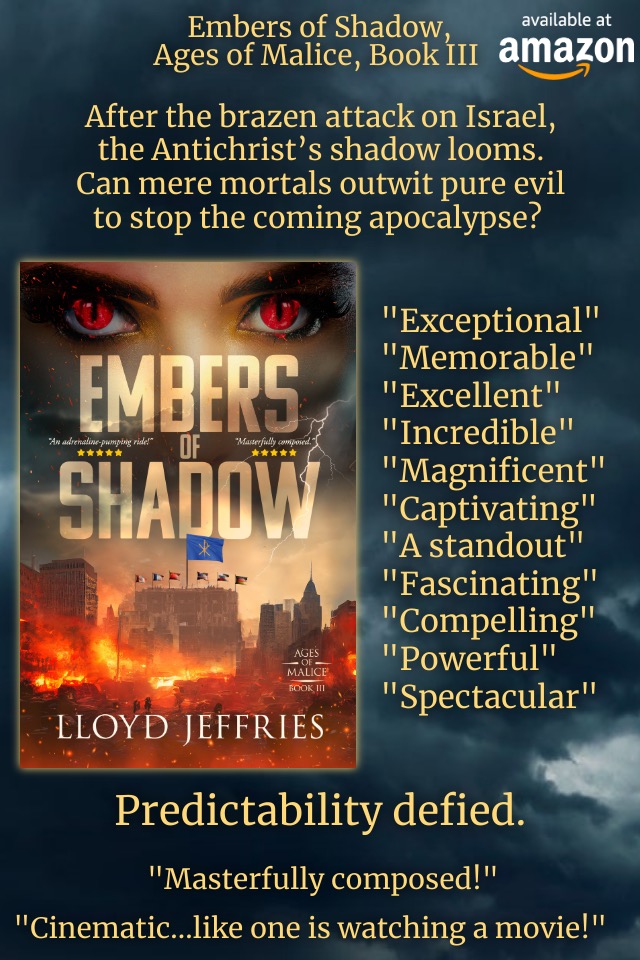
"A riveting page-turner. After reading book two, I just had to read book three in the series, Embers of Shadow: Age of Malice. I wasn't disappointed."
#bookgram#readbook
https://t.co/XrQXLe0nJ5
🎶 Indie artists: tired of chasing blogs, playlists, venues & radio with no roadmap?
Meet Tireless Music Submission Ally — your new GPT for finding real, current places to submit music.
https://t.co/cOGsp1ROqr
Built for indie artists who want:
A gig list that’s actually current
Playlists & blogs that take submissions now
A roadmap from first press hit → tours
Coaching if your info is vague (“don’t know what to ask for? I’ll help”)