Prescott Bush and The Boys
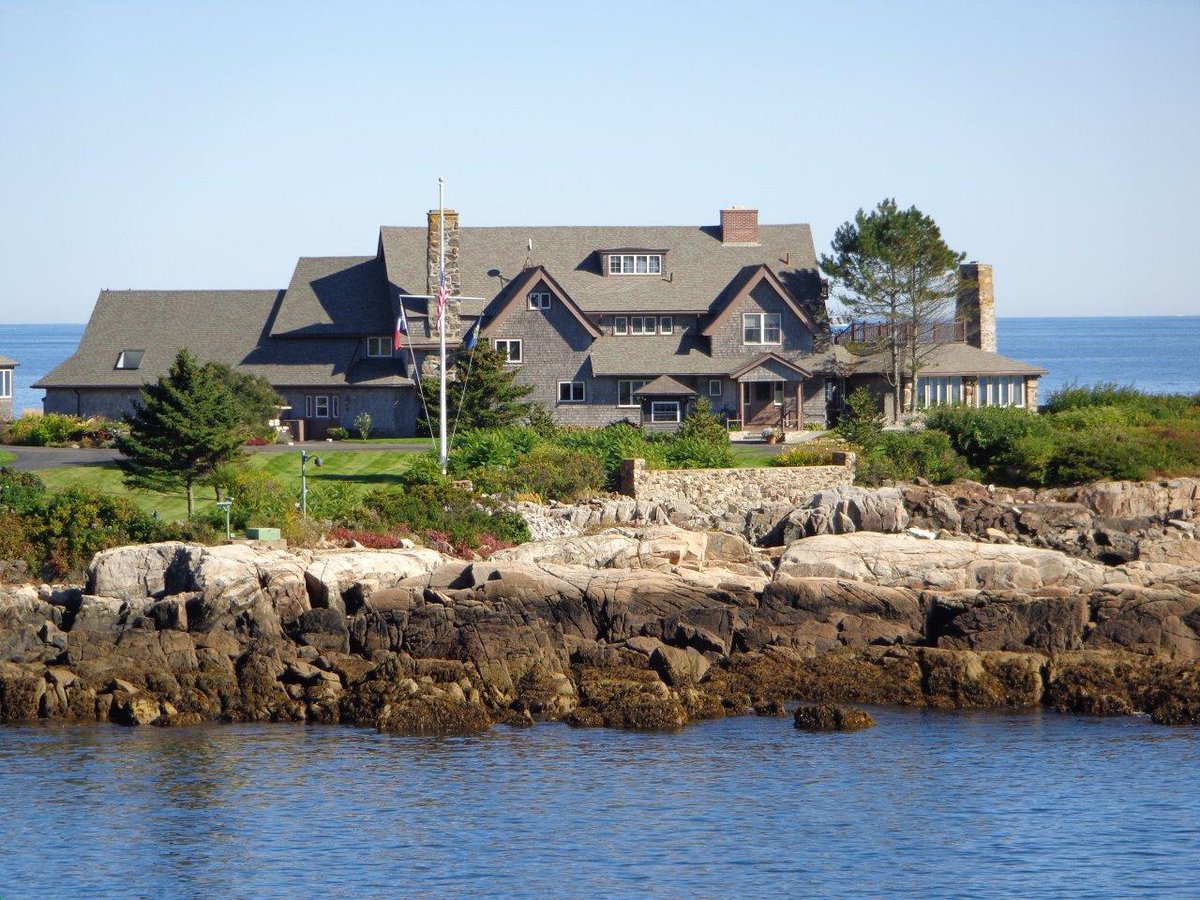
Prescott Bush, George H.W. Bush’s father, was the most accomplished golfer in the Bush family. Scratch or better in his prime, he won eight club championships at Cape Arundel Golf Club in Kennebunkport, Maine, just down the road from the Bush family’s “Walker’s Point” compound, which later became a “Summer White House” for the presidential Bush boys. He also claimed multiple club titles at Round Hill in Greenwich, Connecticut and Fishers Island. He was elected president of the USGA in 1935, representing Round Hill, cementing an impressive resume: international financier, Yale Bonesman, United States Senator, and national golf authority. (1/8)
@PressureTemp12@SHistorians The shirts are not cool and the players obviously have no choice in the matter.
They look like something I could get at Marshalls for $5 and feel like I paid too much!
Prescott Bush and The Boys
Prescott Bush, George H.W. Bush’s father, was the most accomplished golfer in the Bush family. Scratch or better in his prime, he won eight club championships at Cape Arundel Golf Club in Kennebunkport, Maine, just down the road from the Bush family’s “Walker’s Point” compound, which later became a “Summer White House” for the presidential Bush boys. He also claimed multiple club titles at Round Hill in Greenwich, Connecticut and Fishers Island. He was elected president of the USGA in 1935, representing Round Hill, cementing an impressive resume: international financier, Yale Bonesman, United States Senator, and national golf authority. (1/8)
George Herbert Walker and Origins of the Walker Cup
George Herbert Walker was the grandfather of the 41st President George H. W. Bush and a great-grandfather of 43rd President George W. Bush, both of whom were named in his honor. Walker was born to a wealthy merchant family in St. Louis in 1875. Armed with a law degree from WashU, he founded G.H. Walker & Co., an investment banking and brokerage firm that later merged into Brown Brothers Harriman & Co., one of Wall Street’s oldest surviving houses.
Walker belonged to a generation who saw wealth as a byproduct of industry, useful only if devoted to building institutions worthy of permanence and respect. His life reflected this ethos: money was not an end, but a means to shape the civic, cultural, and sporting fabric of America. (1/5)
By the time he retired from the Senate in 1963, Prescott had firmly planted the Bush family at the center of the American ruling class, setting the stage for his son George H.W. Bush to become president. His story shows how golf works as a social passport, a stage for mastery, and a quiet proving ground for those who get it. TGC
Prescott Bush and The Boys
Prescott Bush, George H.W. Bush’s father, was the most accomplished golfer in the Bush family. Scratch or better in his prime, he won eight club championships at Cape Arundel Golf Club in Kennebunkport, Maine, just down the road from the Bush family’s “Walker’s Point” compound, which later became a “Summer White House” for the presidential Bush boys. He also claimed multiple club titles at Round Hill in Greenwich, Connecticut and Fishers Island. He was elected president of the USGA in 1935, representing Round Hill, cementing an impressive resume: international financier, Yale Bonesman, United States Senator, and national golf authority. (1/8)
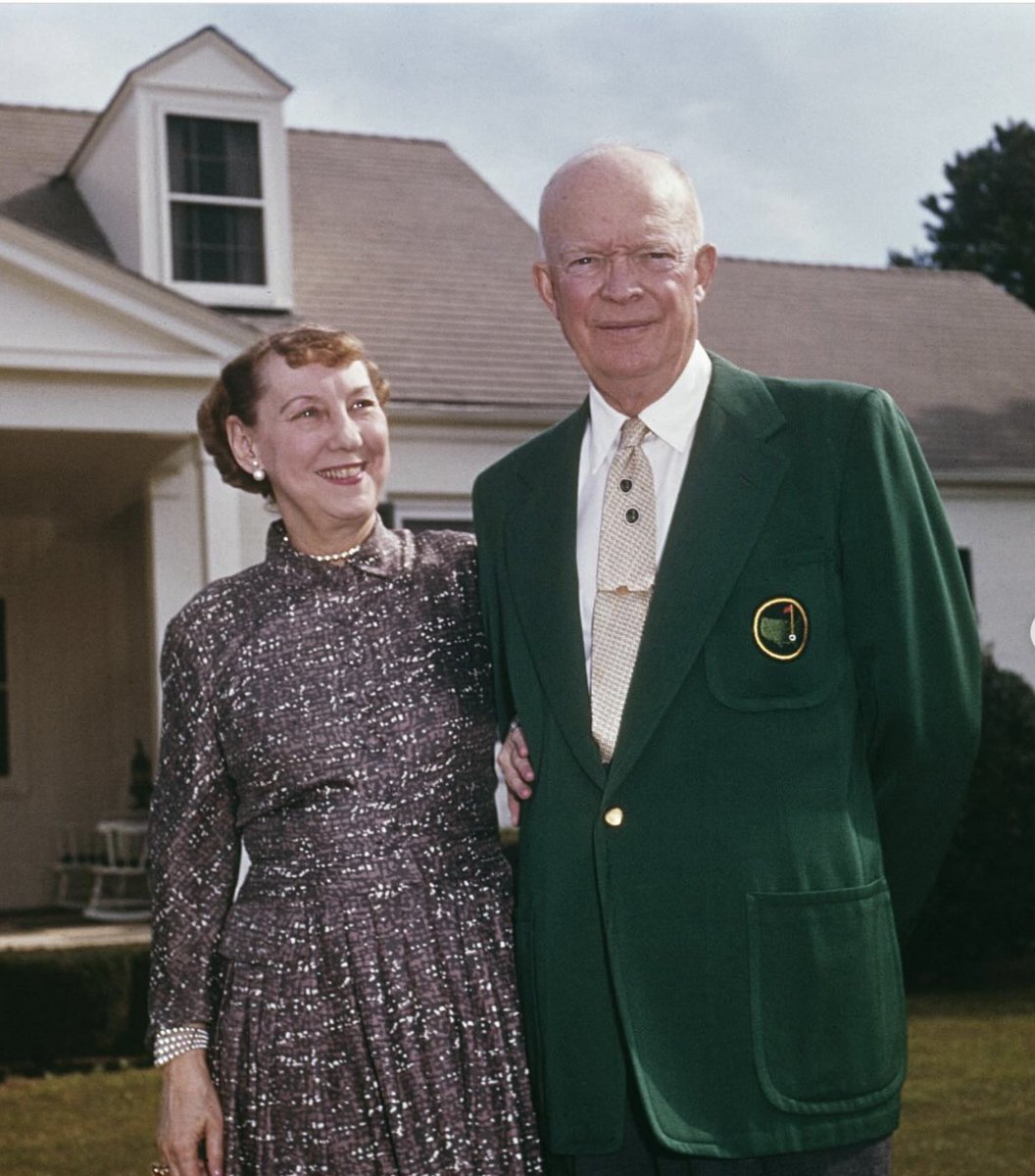
Prescott won a Senate seat in 1952. His arrival in Washington coincided with the rise of Dwight D. Eisenhower, who shared his passion for golf and was a member at Augusta National. In the Senate, Prescott became one of Eisenhower’s most reliable allies. He backed the Interstate Highway Act of 1956 as well as the Polaris submarine program. His background as a powerful financier and custodian of the USGA gave him credibility in Eisenhower’s White House, where policy and power often spilled from cabinet rooms onto the most prestigious golf courses like ANGC. (7/8)
George Herbert Walker and Origins of the Walker Cup
George Herbert Walker was the grandfather of the 41st President George H. W. Bush and a great-grandfather of 43rd President George W. Bush, both of whom were named in his honor. Walker was born to a wealthy merchant family in St. Louis in 1875. Armed with a law degree from WashU, he founded G.H. Walker & Co., an investment banking and brokerage firm that later merged into Brown Brothers Harriman & Co., one of Wall Street’s oldest surviving houses.
Walker belonged to a generation who saw wealth as a byproduct of industry, useful only if devoted to building institutions worthy of permanence and respect. His life reflected this ethos: money was not an end, but a means to shape the civic, cultural, and sporting fabric of America. (1/5)