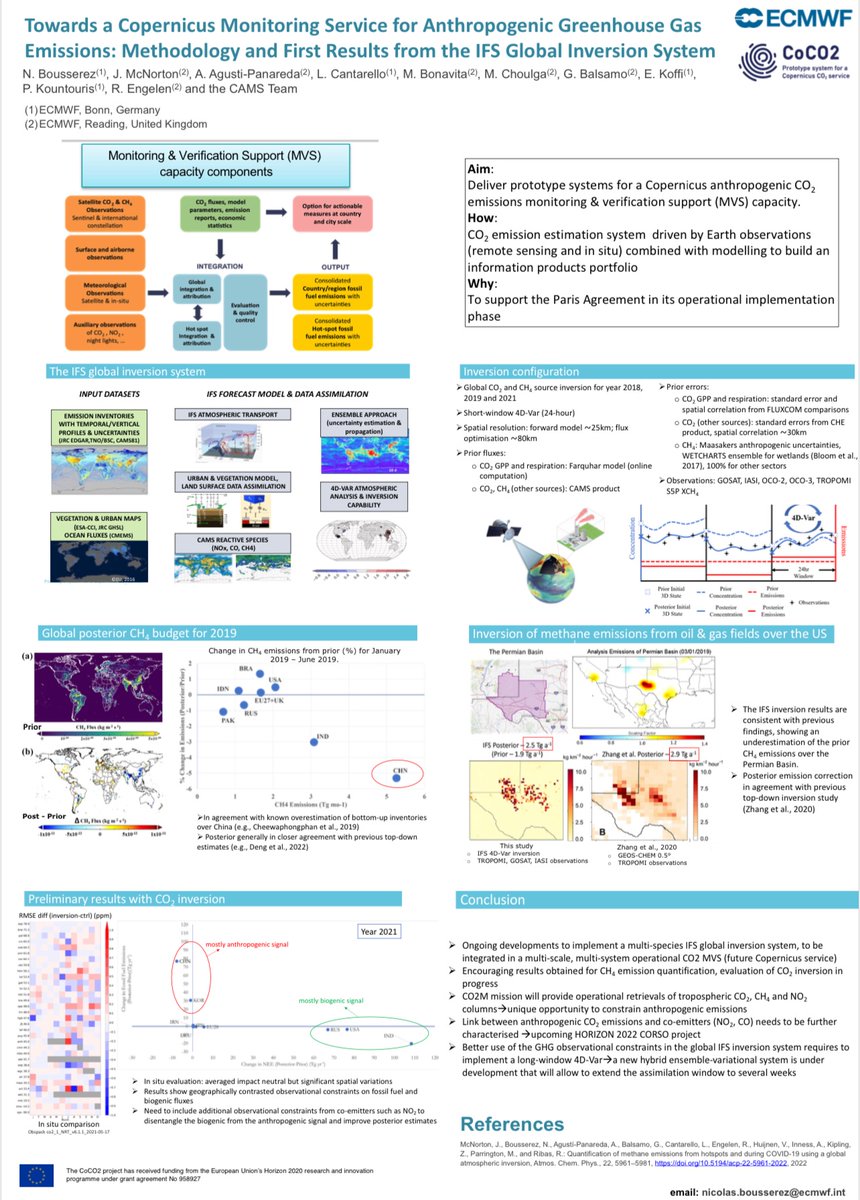
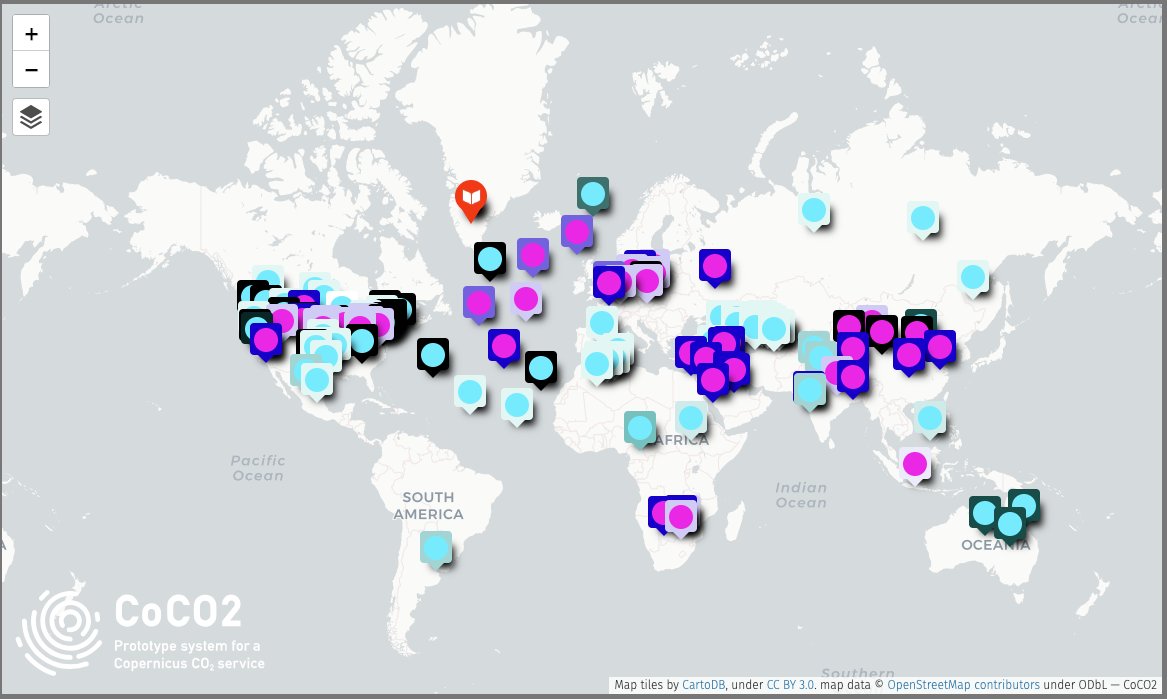
We have just published a new tool on the @CoCO2_project website to help you find your way in the increasing amount of scientific literature about observation-based greenhouse gas emission estimation. More info at https://t.co/9IIF8cjDmu
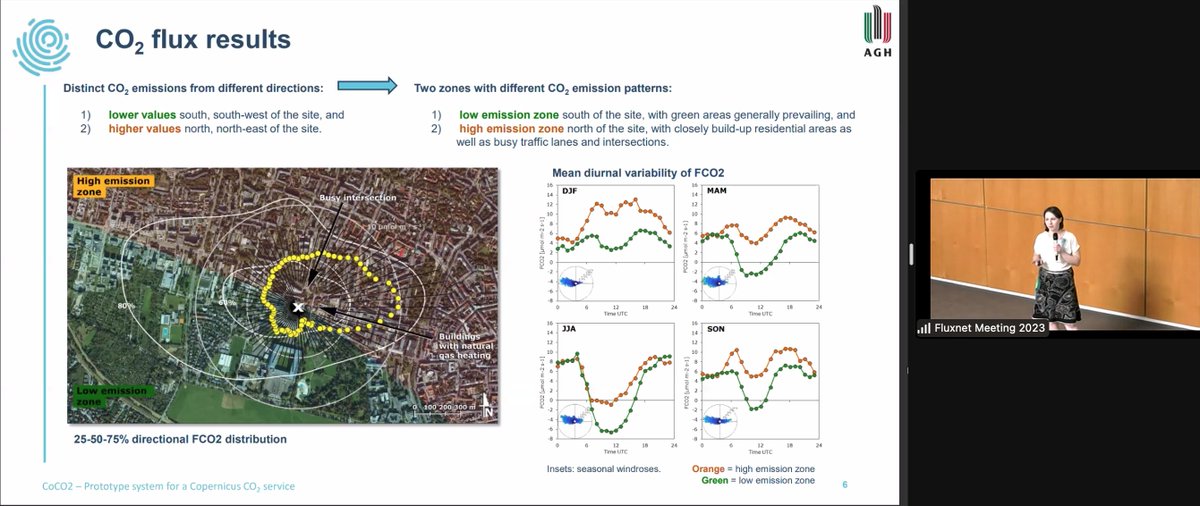
Alina Jasek-Kaminska at #FLUXNET2023 presenting interesting urban CO2 flux measurements from Krakow, Poland. Two different emission patterns measured. ICOS would be happy to welcome Poland to the ICOS network one day. #ICOSCities project works similarly on urban measurements.
Last week, the World Meteorological Congress approved a new greenhouse gas monitoring initiative. CoCO2 and its sister project CORSO are preparing the @CopernicusEU contribution to this international collaboration. Read more at https://t.co/fw4XLAYNVP or https://t.co/AMzptT8fTC.
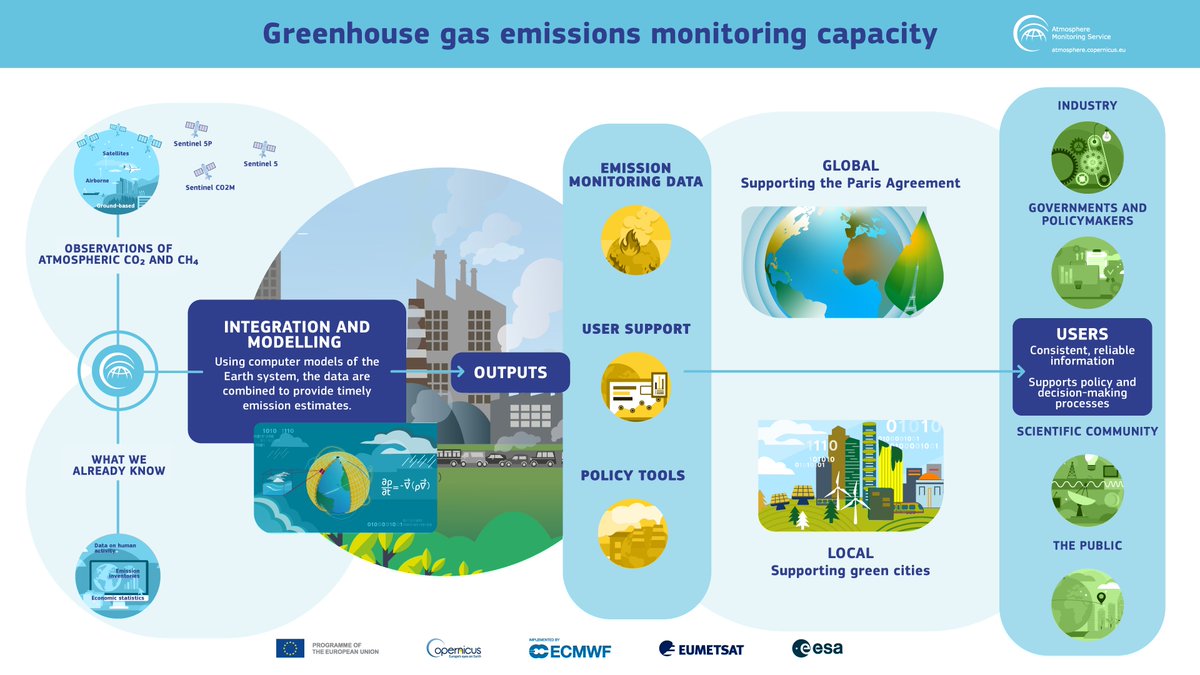
Global coordination of greenhouse gas monitoring is key to successful support of worldwide mitigation actions. The developments of @CoCO2_project for the new @CopernicusEU@CopernicusECMWF greenhouse gas emission monitoring capacity will support this important @WMO initiative.
In a landmark decision at #MeteoWorld, the World Meteorological Congress has approved a new greenhouse gas monitoring initiative to support urgent action to reduce heat-trapping gases which are fuelling temperature increase.
🔗 https://t.co/bxp534aHXB
Together with @ICLEI, the @CoCO2_project is organising a user interaction workshop with city representatives around the world. Outcomes will help shaping the new @CopernicusEU@CopernicusECMWF CAMS Greenhouse Gas Monitoring capacity.
Interested in strengthening your city-scale #GHG inventories? Join this workshop by #ICLEI and @ECMWF with experts and key local stakeholders exploring the use of atmospheric observations, #satellite data & innovative tools
DATE: 26 May, 13:30 CEST
LINK: https://t.co/R3INbZGOOs
This week, @CoCO2_project scientists are presenting and discussing the project's progress at the @EuroGeosciences#EGU23 Generally Assembly. Find more info about what, who, when, and where here: https://t.co/DP1eM6Z0mj
Discover more about the #CopernicusAtmosphere Monitoring Service' products & their applications in Denmark 🇩🇰!
Join the #CAMSUserWorkshop on 19 April to learn from experts & exchange ideas with the community.
📍 Register now: https://t.co/zNI8VNaslR
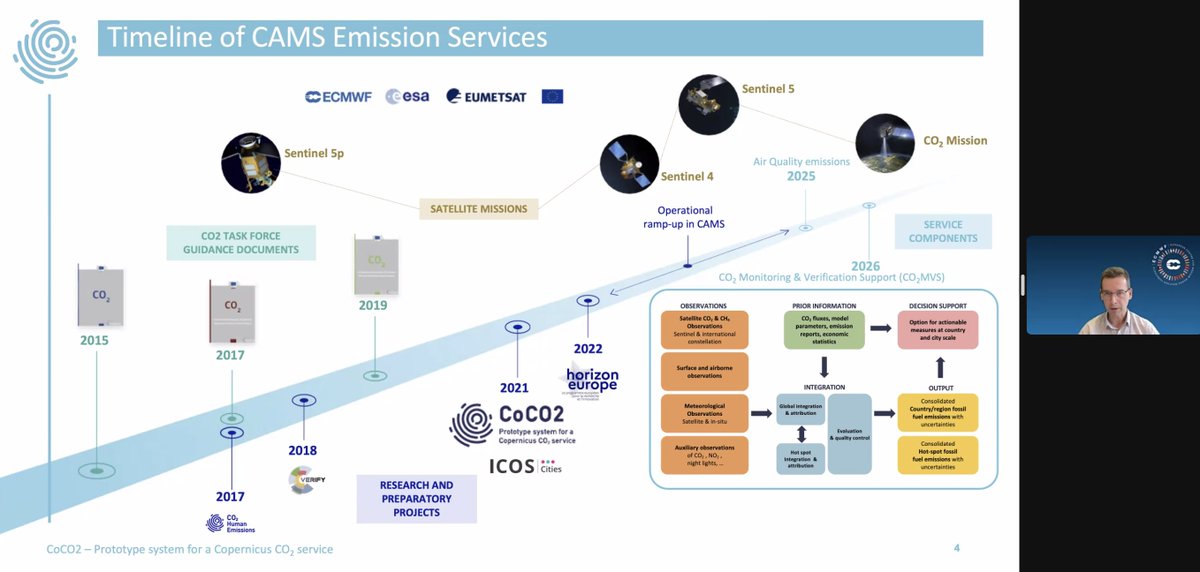
Our sister project #CORSO (CO2MVS Research on Supplementary Observations) kicked off in January. CORSO complements and strengthens the development activities in CoCO2 in preparation for an operational @CopernicusECMWF CO2 and CH4 emission service in 2026. @EU_HaDEA@CopernicusEU
Three EU-funded research projects will help to develop the EU’s Copernicus Climate Change Service and Copernicus Atmosphere Monitoring Service implemented by ECMWF.
Find out more about the CERISE, CAMEO and CORSO projects: https://t.co/EqtVPCysGR
New CH4 and N2O emission synthesis for EU+UK published with support from @CoCO2_project scientists. @CoCO2_project is already busy preparing the next synthesis as follow up to and in collaboration with @V_ERIFY_H2020. Read more: https://t.co/8OnNVAcJgm
Have you signed up for the next #ICOSCities talk? This extra special talk will give you all the latest developments in monitoring and verifying urban emissions. Read more about the topic, the speakers and register: https://t.co/PAN32XQ2gM
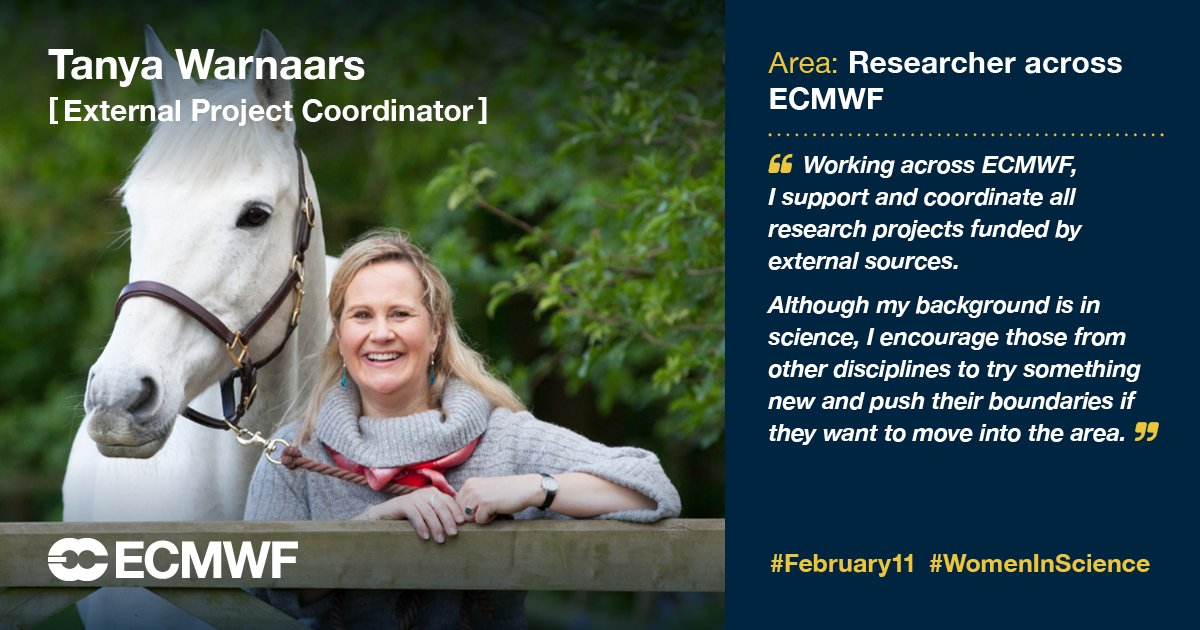
Continuing #WomenInScience, meet Tanya Warnaars, who coordinates external projects for researchers across ECMWF.
💬 Working across ECMWF, I support and coordinate all research projects funded by external sources.
🧵
Our @CoCO2_project has entered its final year. There is still lots of exciting work to be done, but it is also a good time to see what has already been achieved. Read more in this news article: https://t.co/Ur8uLDZ4Ib
@CoCO2_project presentation day kicks off with our coordinator @RichardJEngelen setting the scene and highlighting the #CO2MVS agenda of works aiming at building a #European#CO2 monitoring & verification support capacity within #CAMS@CopernicusECMWF
👉 https://t.co/cVzrsd6CFv
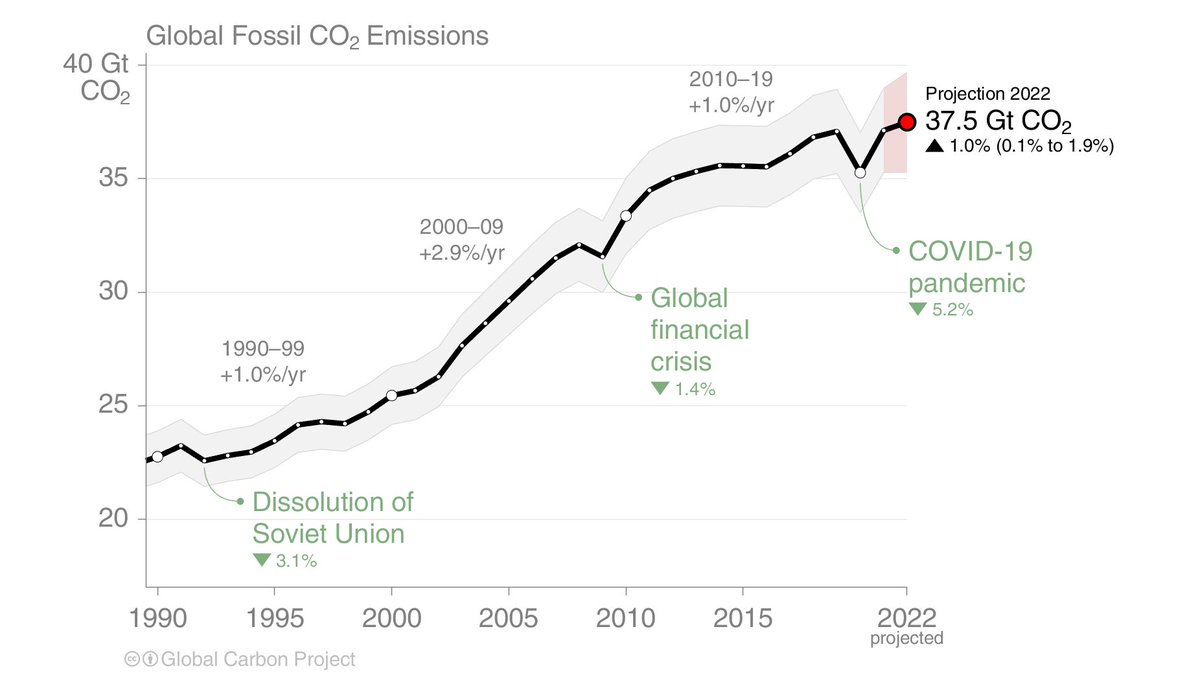
Great to see the @CoCO2_project contribution to the @gcarbonproject Global Carbon Budget recognised on @CORDIS_EU. The GCB is a massive annual community effort put together by many scientists around the world, and we are proud to be part of that. https://t.co/84cxTojK2R
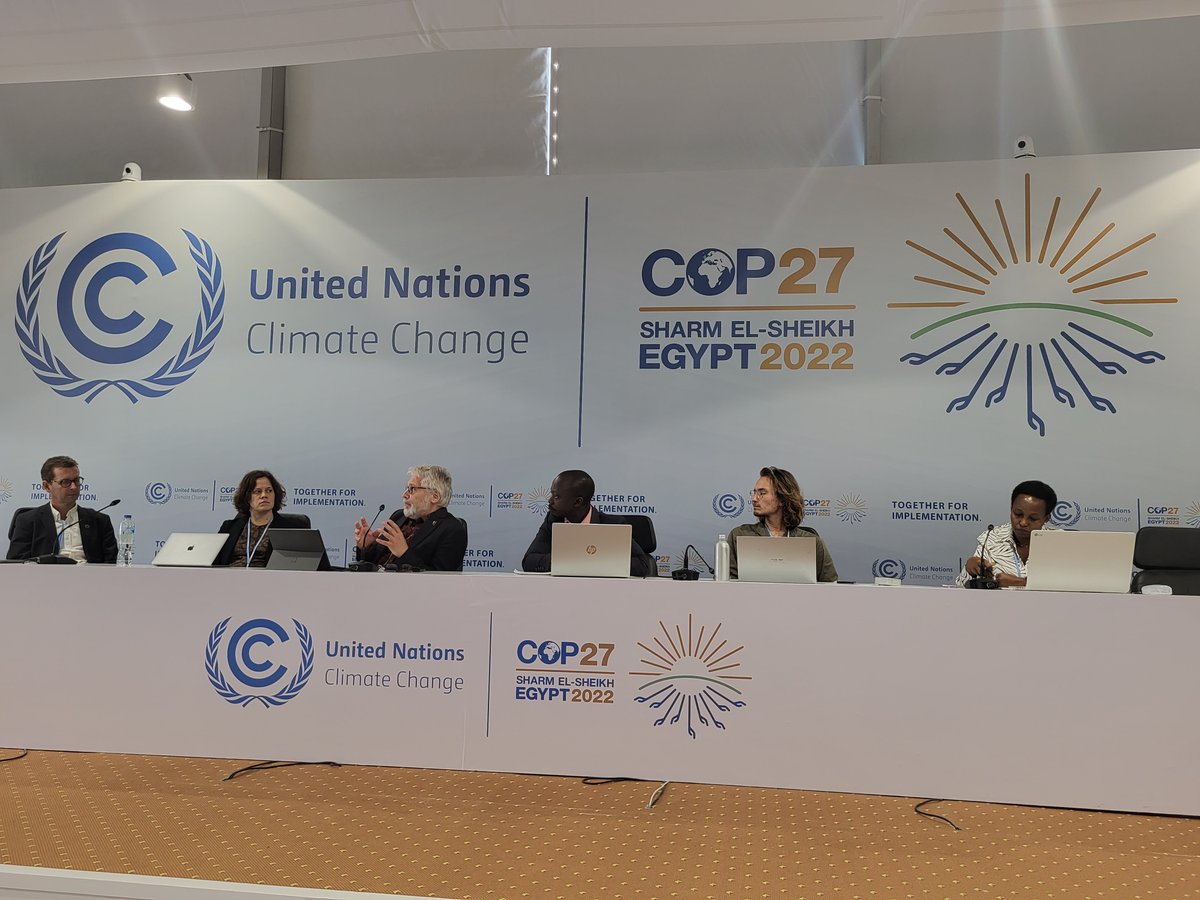
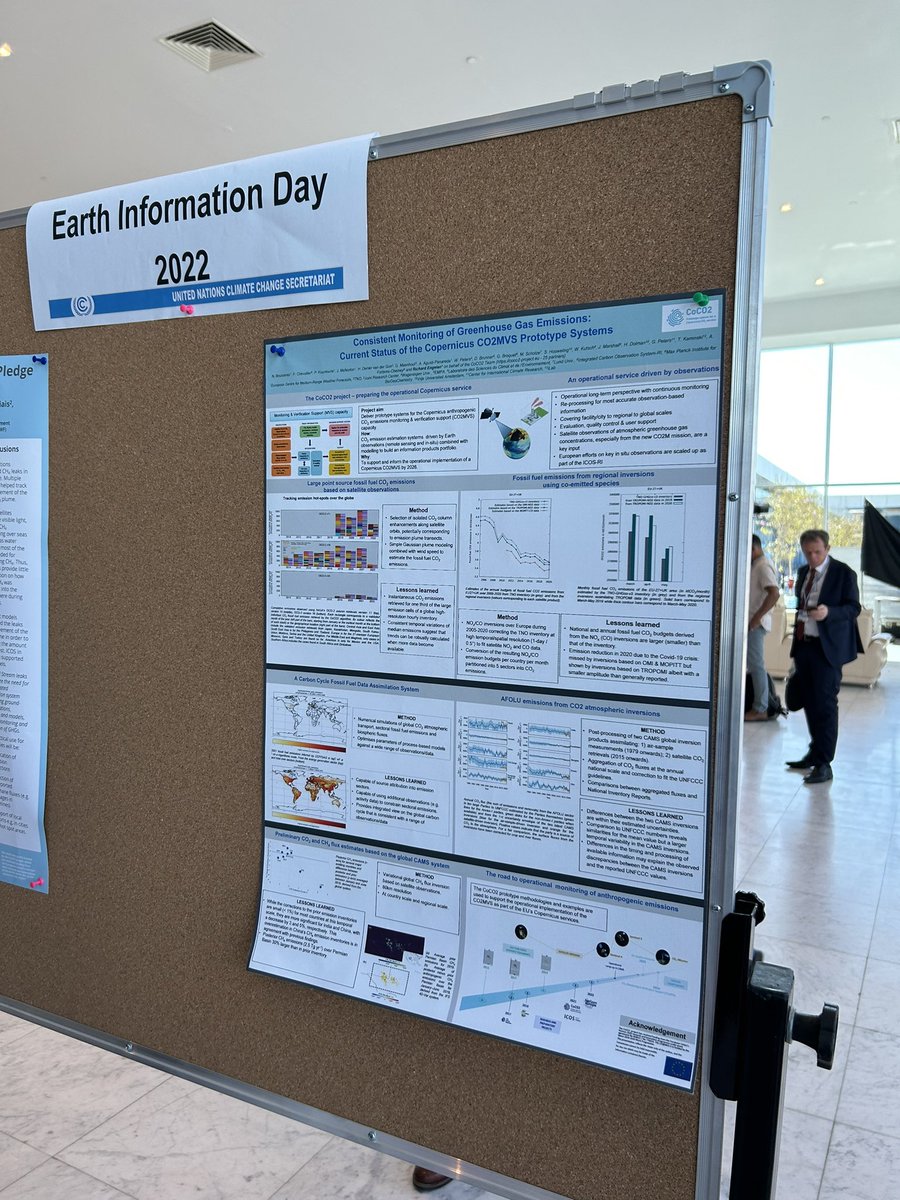
Last week, CoCO2 was present at #COP27 to present progress and latest results towards an operational @CopernicusEU@CopernicusECMWF CO2 emissions monitoring and verification capacity (CO2MVS). Read more on our website: https://t.co/bleSjPSjpt