Tales from comet simulation laboratories. A joint German, Austrian and Swiss research project to investigate cometary processes in space simulation laboratories
Human habitat is being lost forever. The expanding purple zones are where thermal intolerance will make these areas uninhabitable in the next 30 years. Billions of people currently inhabit these regions.
Milliarden Menschen werden sich auf den Weg machen müssen, um für sich und ihre Kinder einen Lebensraum zu finden, der Zukunft möglich macht.
Wir brauchen Lösungen und keine depperte Nehammmer-Kickl-Orban-Packelei.
Check out the two new videos we have released on YouTube
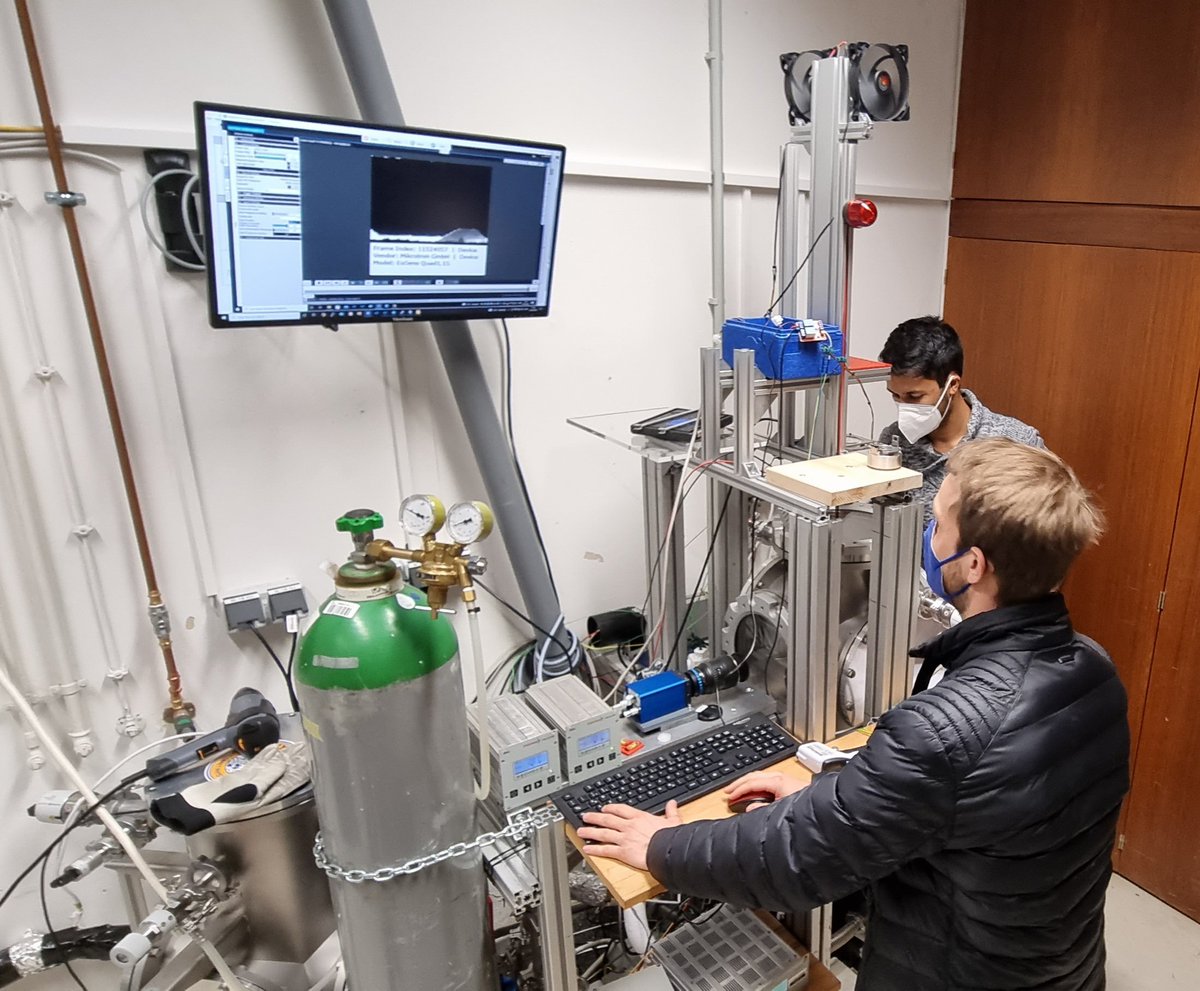
Producing pebbles and monitor their activity
https://t.co/A0yDdS2iMl
Brazilian disc test in vacuum
https://t.co/txHr4yqROd
On February 24, millions of us made a choice. Not a white flag, but the blue and yellow one. Not fleeing, but facing. Resisting & fighting.
It was a year of pain, sorrow, faith, and unity. And this year, we remained invincible. We know that 2023 will be the year of our victory!
A new publication is out!
Validation of gas flow experiments for porous media by means of computer simulations, Sunny Laddha et al 2023 Meas. Sci. Technol. 34 045012, DOI 10.1088/1361-6501/acb373
And it is open source!
https://t.co/TBpjxrGzbE
@SpaceMarschall@VinnyChirayil@FrontSpaceTech Right, you don't need to recreate a complete star or a whole comet to be able to understand individual processes. A laboratory has the advantage that you can isolate one effect or a controlled combination of effects to get answers, which theory alone can not verify.
@VinnyChirayil@FrontSpaceTech Yes, there are many cometary laboratory experiments. For example the KOSI experiment or more recently the ones performed @CoPhyLab. The latter also has a great youtube channel showing videos from their experiments.
@lutz_o_richter @nick_attree @Philae_MUPUS This is the Co(met)Phy(sics)Lab(oratory) at TU-Braunschweig. An international project of several laboratories to have a better understanding of comets. See https://t.co/d8Mt5EKXMp
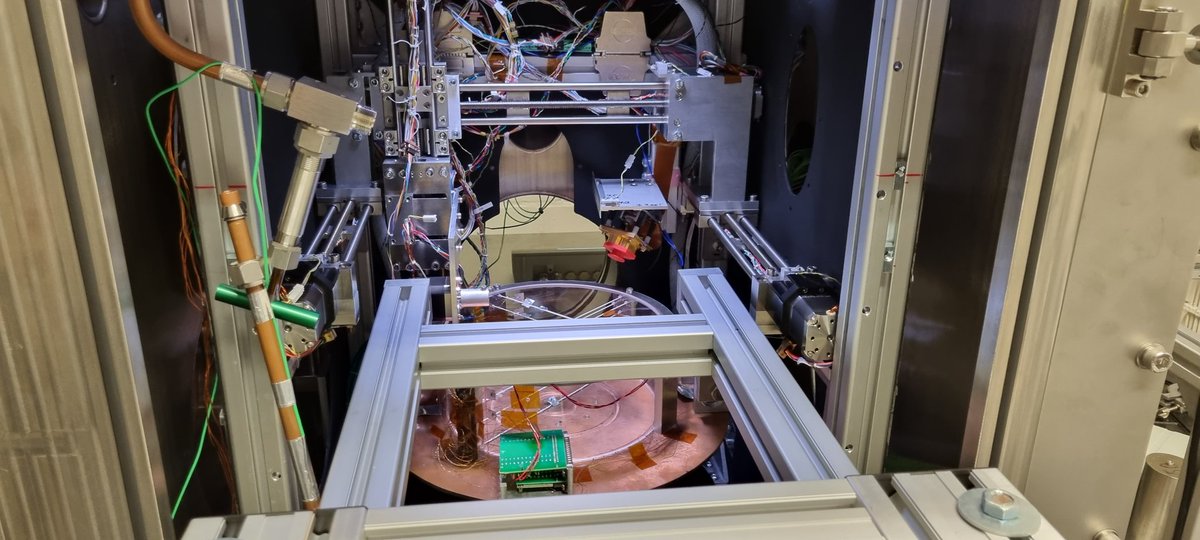
Every mm counts! It is getting crowded in our L-chamber.
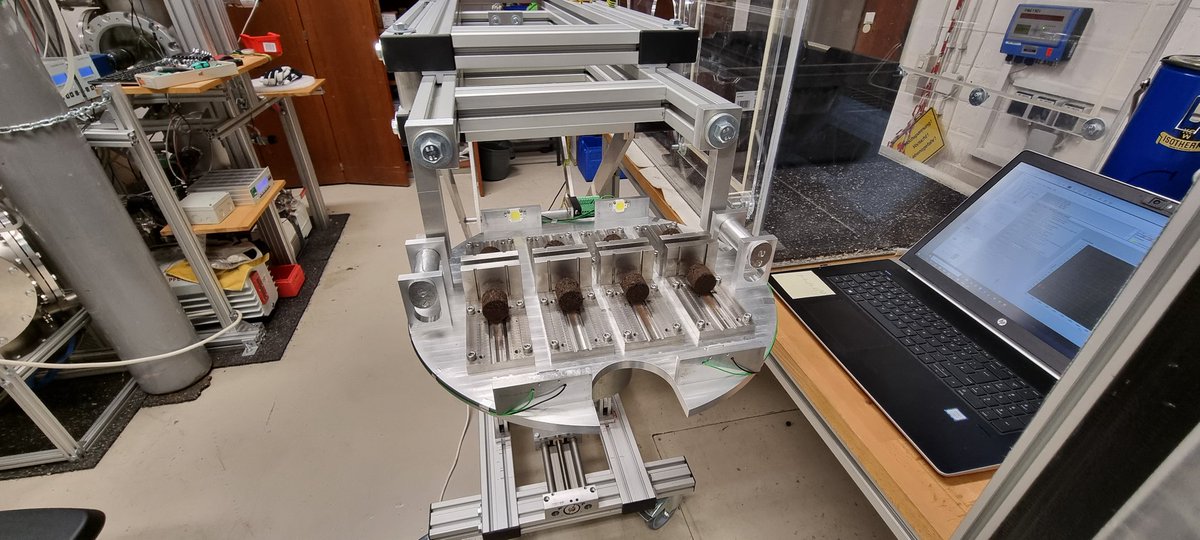
Insertion fit test with sample manipulation device, lollipop motor mounted and sample transport cart inserting the sample container.
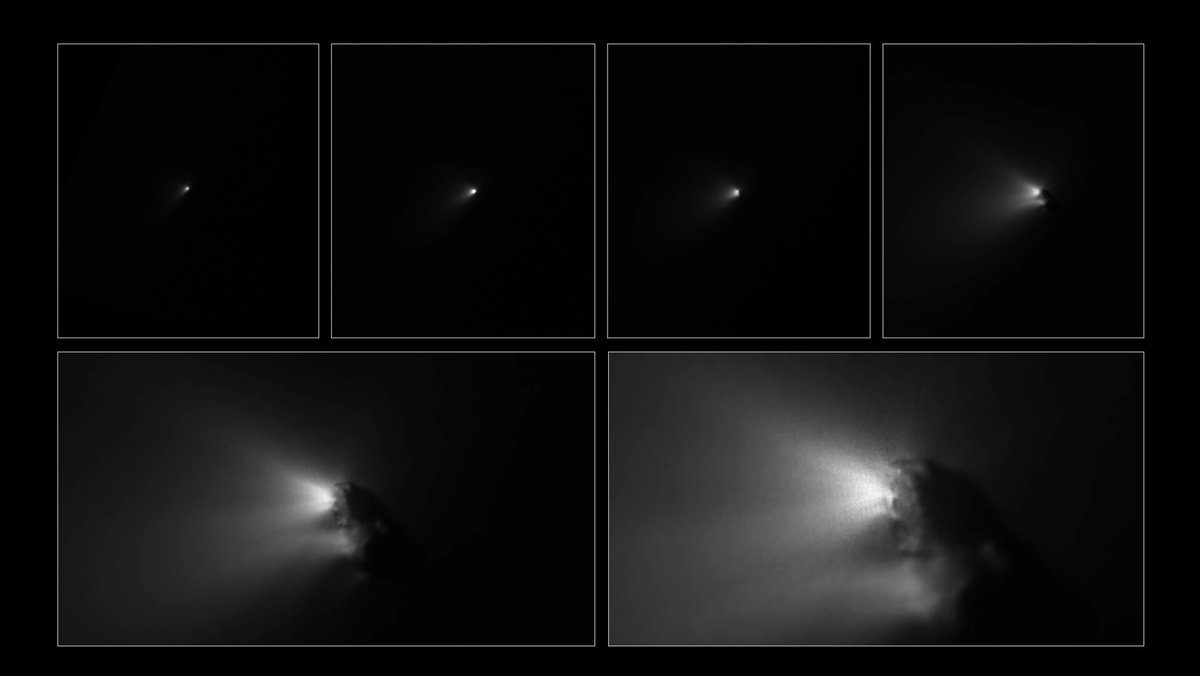
#OTD back on 13-14 March 1986, @ESA’s #Giotto spacecraft skimmed past #CometHalley, revealing for the first time what a comet’s nucleus looks like up close ☄️🛰️👀
Read more about the historic mission, which achieved many ‘firsts’: https://t.co/ysBVH61mQM