📢 Journalists are invited to our ESTEC Open Day in Noordwijk, in the Netherlands, on 27 September.
Meet ESA experts and astronauts, explore the technology behind Europe’s space missions and get a special look behind the scenes.
📝 Accreditation closes 22 September at 17:00 CEST.
🔗https://t.co/KH2G8Qx13K
We awarded contracts to @iceye_global and @LDO_Space to study options for the future Earth Observation Governmental Service (EOGS).
The studies will look at how the full system could be designed, from satellites and ground infrastructure to data processing and delivery to users.
Part of ESA’s ERS-EO programme, this work will help prepare a future European Earth observation capability for security, preparedness and crisis response.
Read more: https://t.co/8AHtGHZnnt
ESA has launched the next phase of Low-LEO activities supporting the evolution of IRIS², bringing together nearly 80 companies across Europe to explore the services and capabilities that could shape the next generation of secure connectivity.
Together with the @EU_Commission and industry, we are strengthening European resilience, competitiveness, innovation and strategic autonomy for the years ahead.
https://t.co/4MfZ7A82Hc
Nearly 80 companies are joining the next evolution of IRIS² through our Low-LEO activities, exploring future secure connectivity services and mission concepts for Europe. 🇪🇺🛰️
🔗 https://t.co/ijDEth5Vxf
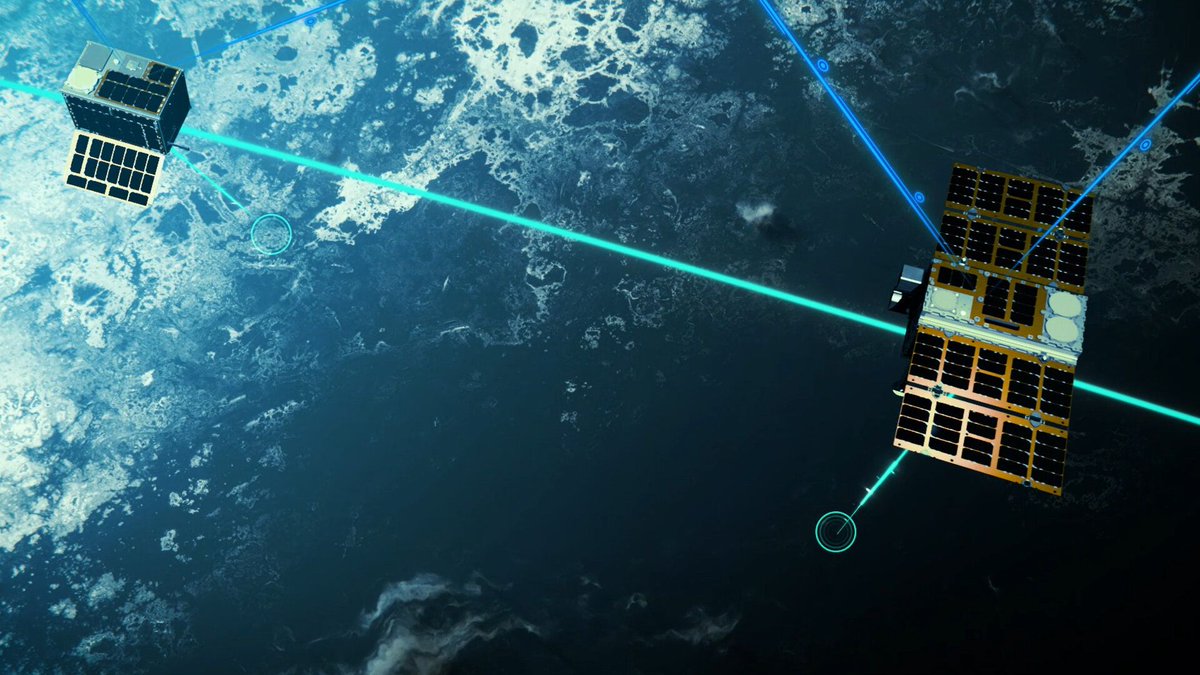
Our Celeste mission demonstrates 5G positioning signals from low Earth orbit.
This first-of-its-kind in-orbit demonstration opens the door to future satellites providing both connectivity and positioning services.
Read more: https://t.co/BcEPrdPjoD
Webb reveals one of its largest images to date! 😲
This starry view shows the nearby star-forming region IC 348. Here, astronomers searched for brown dwarfs, objects which are less massive than the smallest stars.
Read more 👉 https://t.co/DiK9GILgRw
@ESA_Webb
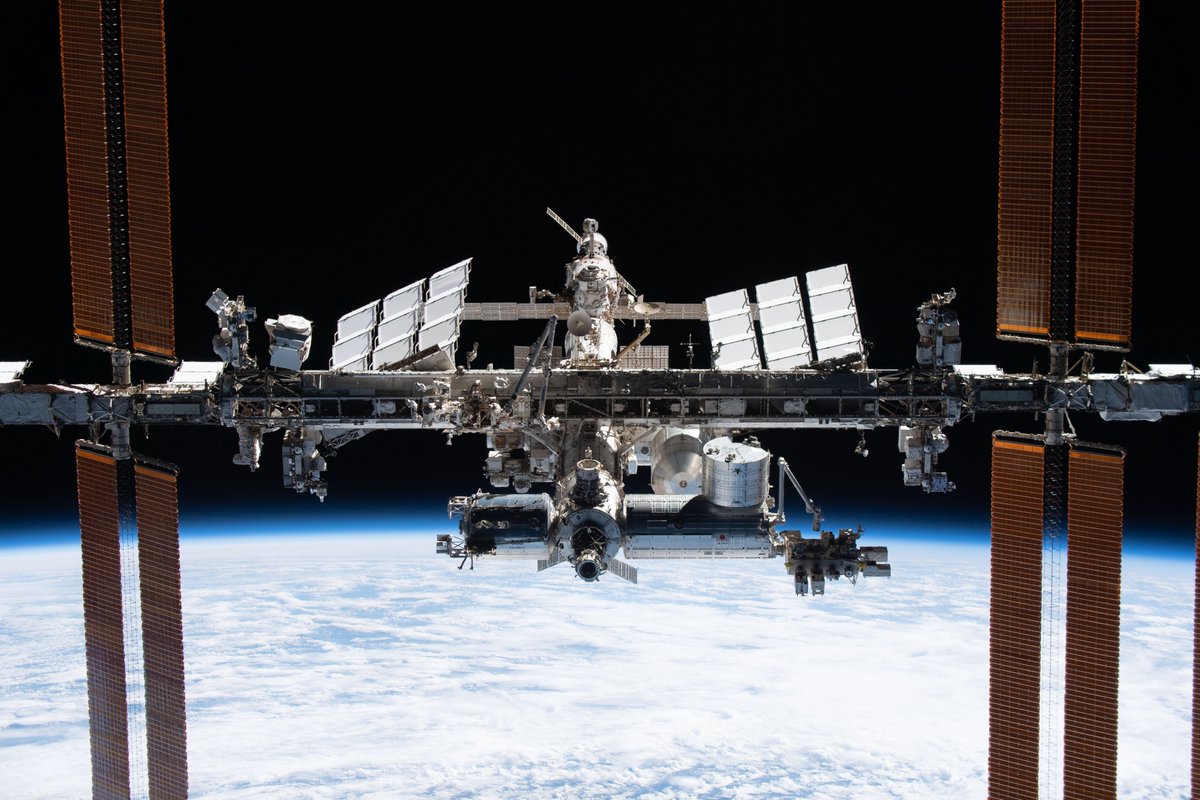
🌍➡️🚀 What does Europe's future in space look like after the International @Space_Station?
That's one of the questions we ask @esa astronaut and Head of the Human Exploration Department @Astro_Andreas in the latest episode of #ESAExplores 🧑🚀🎧
From future space stations to Europe's ambitions in orbit, join us as we look at the next chapter of human spaceflight.
🔗 https://t.co/S1f3uGrXGQ
✅ Signals acquired. FLEX and Sentinel-3C are in orbit and healthy.
Following launch on Vega-C, the two Earth observation satellites now begin commissioning. Together, they will advance our understanding of Earth's vegetation and support the continued monitoring of our oceans, land, ice and atmosphere. 🌍
🔗 https://t.co/5oc1lJnMnl
Liftoff! 🚀 FLEX and Sentinel-3C are on their way.
Vega-C #VV30 has departed Europe’s Spaceport carrying the two Earth observation satellites into orbit.
FLEX and Sentinel-3C are ready for liftoff on Vega-C from Europe's Spaceport.
▶️ Tune in tonight on 15 September from 02:50 CEST.
🚀 Liftoff is scheduled for 03:21 CEST.
While the FLEX mission will monitor the health of Earth’s vegetation, Sentinel-3C, together with the two Sentinel-3 satellites already in orbit, will monitor oceans, land, ice and atmosphere for Copernicus, the Earth observation component of the European Union’s Space Programme.
🔗https://t.co/8oTRN9tsh6
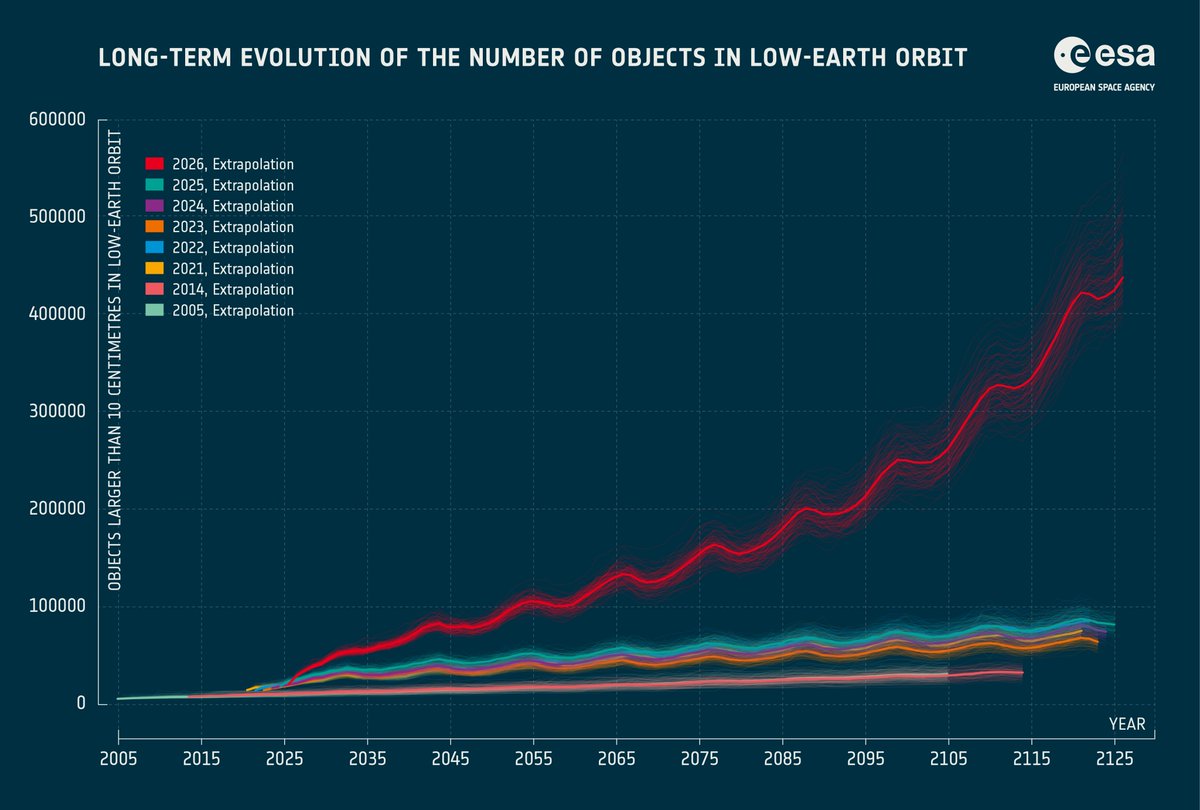
Earth's orbital environment is a finite resource.
Our latest Space Environment Report shows the long-term impact of our activities in space worsened by an order of magnitude in just one year.
The time to tackle space debris is now.
Read more: https://t.co/539ea3TUdd
FLEX and Sentinel-3C are ready for liftoff on Vega-C from Europe's Spaceport.
▶️ Tune in tonight on 15 September from 02:50 CEST.
🚀 Liftoff is scheduled for 03:21 CEST.
While the FLEX mission will monitor the health of Earth’s vegetation, Sentinel-3C, together with the two Sentinel-3 satellites already in orbit, will monitor oceans, land, ice and atmosphere for Copernicus, the Earth observation component of the European Union’s Space Programme.
🔗https://t.co/8oTRN9tsh6
Meet a key member of our Hera asteroid mission team: the Hera Space Companion, not just an AI chatbot but a dynamic communication platform, ready to answer all your questions!
https://t.co/Y1ZeYaPCk4
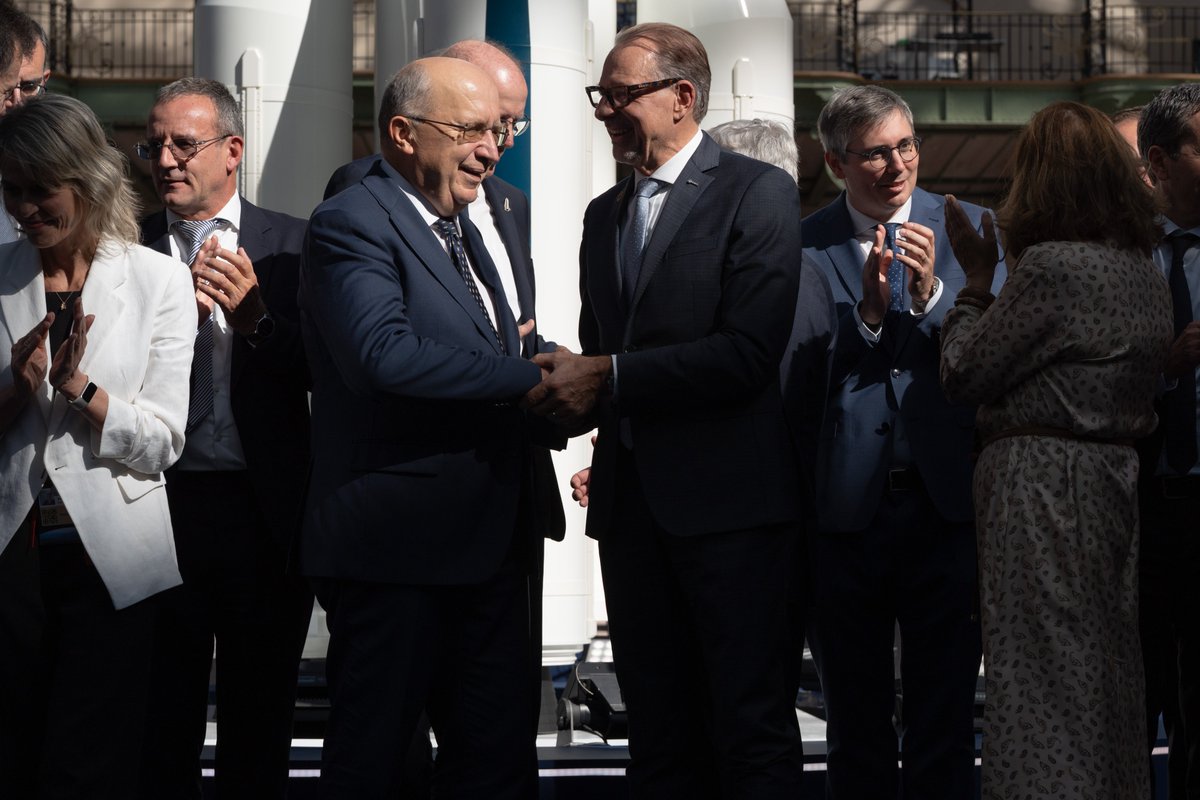
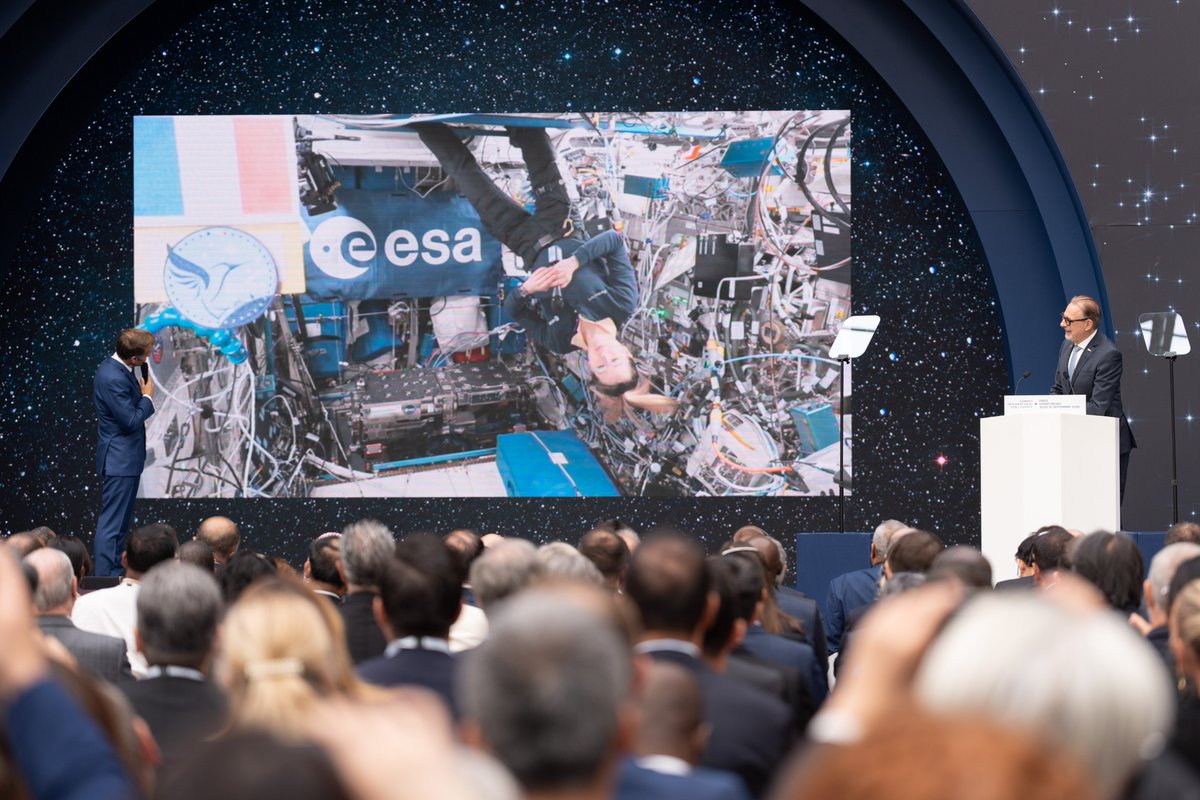
The International Space Summit marked an important step in shaping a common European vision for space exploration. Europe has now started a course towards greater autonomy in low Earth orbit, a stronger role in lunar exploration, and a more competitive European space sector, while remaining a reliable partner in international exploration efforts.
@ESA will work closely with its Member States in the months ahead, to support decisions later this year. The work continues from the Summit, through to ESA's Intermediate Ministerial Meeting in December, and onto our Council Ministerial in 2028 and beyond✨
Read the Call to Boost European Space Exploration to see what the Ministers of the European Space Agency declared during the #ParisSpaceSummit
👉https://t.co/Wkcv7j4xJV
🚢 Soon to be frozen in space and time, this alien-looking vessel is beginning its first mission.
🧊 For eight months, a crew of 12 won't leave the drifting ice in the Arctic Ocean to study how how life adapts to isolation and extremes in a region highly sensitive to climate change.
https://t.co/SCbv4jmRRW
🚀 @esa has signed a service contract with The Exploration Company under ALADDIN, Europe's commercial cargo return programme.
The agreement covers an initial demonstration mission of the Nyx capsule to the International @Space_Station and future cargo transportation services in Low Earth Orbit.
The contract marks an important step towards developing an independent European cargo transportation capability.
Read more: https://t.co/2Go1cmOoz1
European Commission President @vonderleyen's message at #ParisSpaceSummit was clear: Europe's greatest space achievements have been built together.
From Copernicus and Galileo to IRIS², the partnership between the European Commission and ESA shows what Europe can achieve when it acts as one. Now we must build on this momentum to secure Europe's independent access to space.