Varsity picked up the win over North Point. Rechtiene got the brick picking up the win in relief with 3 2/3 innings of scoreless, no-hit ball. Marshall picked up the save striking out all 4 hitters he faced. Wyss added a grand slam and Chase Radeke and Ott also added home runs.
Appreciate the surprise shower, as I had no clue it was 100 wins. Great friends, who happen to be assistant coaches had it marked down. Lucky to be around this many great kids on a daily basis.
Varsity picked up the 10 inning win against Lindbergh last night. Williams got the brick with his walk-off single. DeManuele got the inning going with a single and a stolen base. Moore picked up the win in relief. Next game is today at home against Parkway West at 4:30. #dyj
See this in high school season a lot. Kids come in after spending all off-season making gains and then forget what helped them get those gains. At FHC, we want our athletes in the weight room multiple times a week.
Losing velocity in-season isn’t normal
You lose it because you stop training with purpose like you were in the off-season.
Most pitchers shift into “competition mode” once the season starts—cutting strength work, avoiding intent, and living their life game to game.
That’s why performance falls off.
Here’s the reality:
In-season isn’t about doing less—it’s about doing the right things at the right dose.
✔️ Maintain strength (or you’ll lose it fast)
✔️ Keep high intent exposures (velocity is a skill)
✔️ Manage fatigue without eliminating stimulus
The athletes who dominate late in the season aren’t guessing—they’re following a plan.
That’s the difference between:
➡️ Feeling worn down by week 4
➡️ Or finishing the season stronger than you started
If you’re serious about your development, you can’t afford the setback.
Our training plans are comprehensive and tackle players needs all season long — strength, mobility, skill development, workload management.
#DominateTheZone
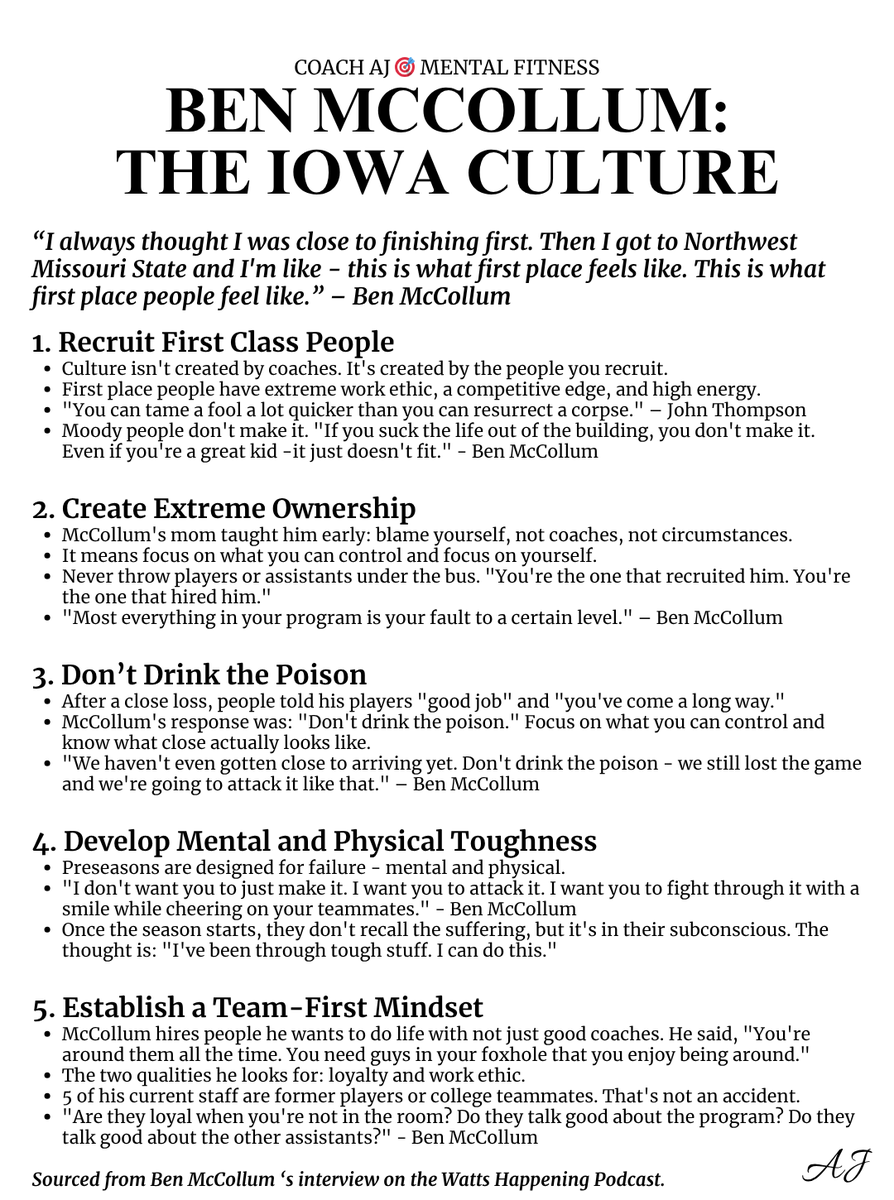
Ben McCollum knows that to change your team - it starts with the people and the culture.
• 4 national titles at Northwest Missouri State.
• Drake's first NCAA win in 50 years.
Now Iowa's first Sweet 16 in 27 years.
Here's how he builds culture:
(📌Bookmark this)
"I want them to be proud to wear the Blue Note on the front and their Dad's name on the back."
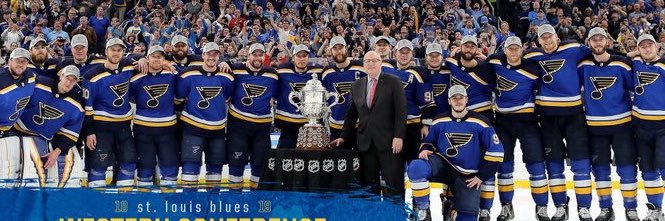
-Jim Montgomery when asked this morning what he wanted to see from his team tonight after the loss Monday in Nashville. An all-time quote IMO.
Newest Episode is up! We are joined by @CoachBeckmann@CruitsCoachDW@CoachMidkiff
We discuss all things "PRACTICE"
- Efficiency/Tempo
- Competing at practice
- Favorite Drills
- And so much more!
https://t.co/E2h4bCVVqN
Excited to record an episode Wednesday with 3 great head coaches
- @CoachBeckmann
- @CruitsCoachDW
- @CoachMidkiff
There going to discuss all things PRACTICE
Make sure to tune in and listen! Available on all streaming platforms!
https://t.co/E2h4bCWtgl
Coming back from #ABCA2026 and reflecting on youth throwing development.
1) Start with intent and make it fun. Little guys should learn to throw with intent before we obsess over “mechanics.” If you want to play catch, work on catching separately. Too many kids mimic the adult “push-throw” because the adult is just trying not to hurt them. Let kids run, move, and throw different implements at targets from different positions.
My youngest loved throwing at a foam pad I’d toss in the air and trying to hit it while on the run. He’d play that game for an hour and never lose engagement.
2) Pitching is still throwing.
Somehow we treat “pitching” like it’s different than throwing from SS. At young ages we need to get back to letting kids be athletes on the mound, not robots.
3) The game rewards walks too much at lower levels.
We’ve built an environment where a walk is basically a cheat code. Maybe it’s time to restructure young kid pitch games away from the incentive of the walk. It would help both throwing and hitting development. Coaches lose patience with the kid who throws hard but struggles to throw strikes, and they reward the kid who throws darts. Long term, the kid who learns to throw with intent is the one who most often has the higher ceiling once the strike-throwing catches up.
4) Development isn’t “one cue fits all.”
Changing a kid isn’t as simple as giving everyone the same checklist. Every kid moves different. You have to experiment and see what sticks. It’s more trial and error than bucketing kids into identical positions. Please get away from cues like “get on top of it,” “tuck your glove,” or the dreaded goal posts. The more you get kids to throw athletically, the more they’ll self-organize.
If we coached less and let kids become athletic throwers, we’d probably see fewer arm injuries. A big part of the injury epidemic starts with over-coaching at the younger levels—then they get to HS and we’re unteaching years of bad habits.
And that’s on us too as HS coaches, we need to invest time helping youth organizations and parent coaches so we’re building better throwers earlier not repairing them later.
I loved the MLB arm care panel, but I do think how we teach young kids how to throw was an area that was missed.
Cannot wait to record this weeks podcast episode! We will be joined by elite infield instructors!
- @CoachBeckmann
- @BrandonRexin36
We're going to discuss all things infield!
Leaders do not point fingers. They set standards.
It is not the rookie’s job to carry the load. Leaders prepare them, challenge them, and help them grow.
That is what real leadership looks like.
Super excited for the coaches we will have on The Coaches Roundtable Podcast episode scheduled later this month on "Infield Play"
@CoachBeckmann - GBA Infield Coordinator
@BrandonRexin36 - Dayton Classics Infield Instructor
@tmaddux2 - Oklahoma Baptist University Infield Coach