“He has been there since I was a little boy, throwing batting practice to me every day. This isn't my moment, it’s my dad’s moment."
- Freddie Freeman on running over to his dad after his walk-off grand slam home run to win Game 1 of the World Series
Today is National Coaches Day. I believe in coaches. Coaches build leaders. Coaches build character, discipline, love, toughness, work ethic, confidence, and accountability.
Thank you to all those coaches out there doing it the right way. You are appreciated!
Julius Peppers said, "Whatever it is that you do, do it with respect, integrity, passion, resilience, dedication, and gratitude. That alone will make you a HOF person."
Your character is what you do.
• It's your decisions.
• It's your actions.
🎥@NFL
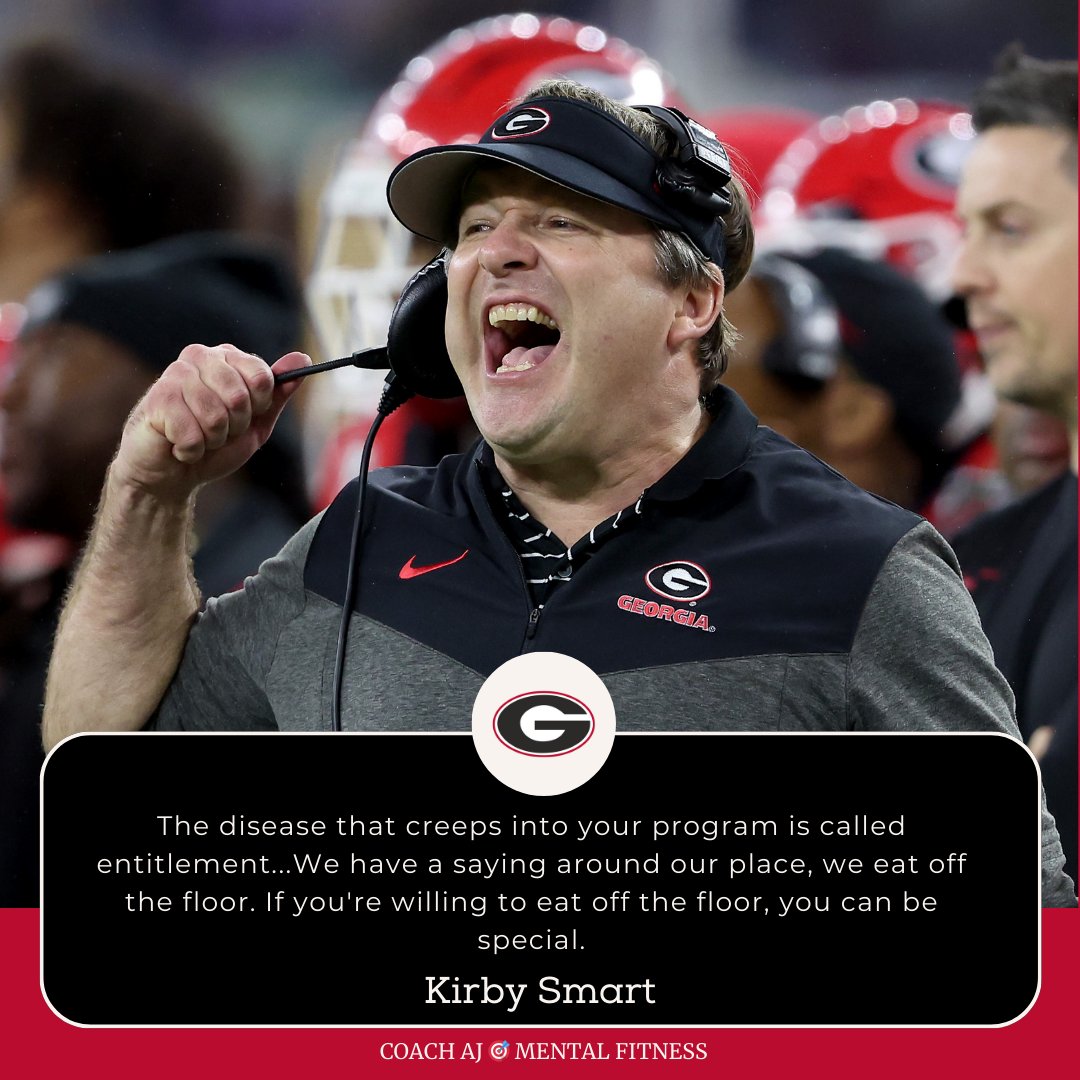
Kirby Smart said, "The disease that creeps into your program is called entitlement...We have a saying around our place, we eat off the floor. If you're willing to eat off the floor, you can be special."
Entitlement is the enemy of hard work.
It's the delusion that you deserve something that you haven't earned.
• Entitlement is the enemy of progress.
• Entitlement means you're lacking in gratitude.
• Entitlement means you're not living with a growth-mindset.
When you realize that you have to earn everything, you don't have a single ounce of entitlement in your bones.
How to Get Entitlement Out of Your Culture
1. Lead by Example - Leaders should demonstrate humility and a non-entitled attitude. Leading by example is not about your position or title, it's about your behavior. When leaders show they don't consider themselves above others, it sets a tone for the team, discouraging entitlement.
2. Create a Culture of Growth - When you have a mindset of excellence and improvement then the growth will never stop. Encourage a place where learning from failures, continuous self-improvement, and personal development are valued. This promotes humility and helps people understand that effort and learning are key to success, not just inherent talent or privilege.
3. Set Clear Expectations and Accountability - When people know what to expect, they know how to act. Clearly define roles, responsibilities, and goals. When team members know what is expected, they understand that success is a result of meeting these objectives, not just a default outcome.
4. Foster a Culture of Gratitude - Create an environment where gratitude and humility are valued. Encourage people to appreciate what they have and the efforts of others. You can be entitled when you are grateful for every day and every opportunity. This mindset will reduce the feelings of entitlement and promote a more cooperative and appreciative culture.
5. Encourage Service and Empathy - Promote activities that involve serving others or contributing to the team. When people know each other and care for each other, they connect and lack feelings of entitlements. It helps drive collaboration, empathy, and service to the team. People understand the value of contributing, as opposed to expecting things without effort.
6. Regularly Assess and Adjust - Continuously evaluate the team's culture and make adjustments as needed. Regular assessment helps identify entitlement issues early and allows for timely interventions to maintain a healthy, collaborative team environment.
"We don't run from hard work; our kids don't run from work. As long as you don't have entitlement in your program, you got a shot." - Kirby Smart
- - -
Follow @coachajkings for more posts like this!
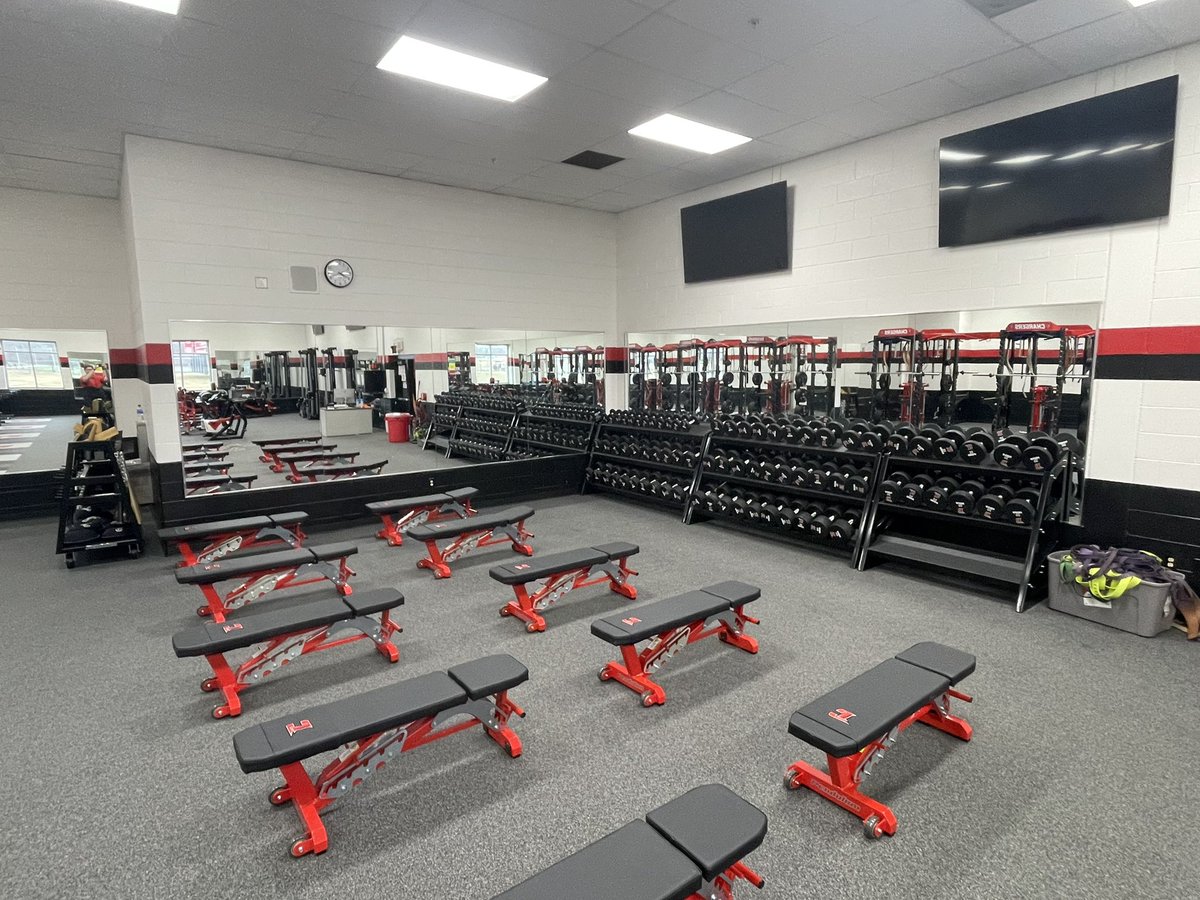
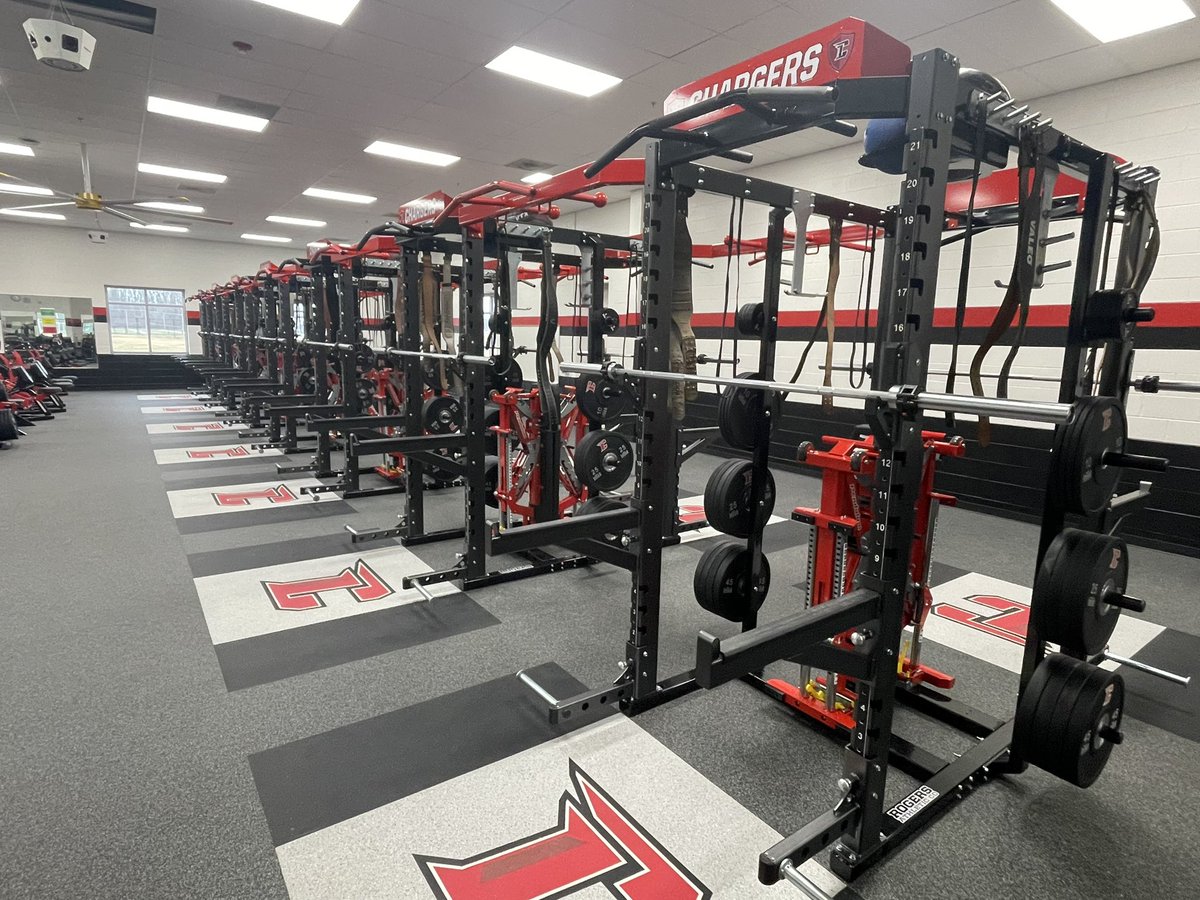
Thanks to @DistrictLPS for continuing to invest in athletics with up-to-date renovations. Most importantly, the continued support to keeping our athletes healthy and strong.
#cts
"The game teaches you about life, about commitment, perseverance, coexisting with others, handling success, and dealing with failure.
It will challenge you.
It will encourage you.
And, if you are lucky, it will reward you too. " @realgranthill33