Another good poll question.. rank the GM/ Head Coach or manager in order of your confidence in them. Because Poles/Johnson and Getz/Venable is way ahead of Hoyer/Counsell! @WaddleandSilvy
The Puzzle Piece Philosophy: Every member of the team must recognize they are just a single, essential piece of a much larger picture, and their primary value lies in how they help the pieces around them fit better.
#FocusOnThePuzzle 🧩
@BallisPsych
One of the biggest misconceptions in high school sports is that coaching is primarily about practices, games, and wins.
The reality is that coaching has become one of the most challenging roles in education because coaches are expected to wear dozens of hats while being evaluated from every direction.
Every parent, player, administrator, and community member often has a different expectation of success.
One family wants college recruiting to be the priority.
Another wants playing time.
Another wants winning.
Another wants player development.
Another wants discipline.
Another simply wants their child to enjoy the experience.
The challenge is that those goals frequently conflict, and coaches are often expected to satisfy all of them simultaneously.
Most coaches are balancing far more than what happens between the lines. They manage team culture, player conflicts, parent concerns, academics, transportation, fundraising, budgets, equipment, scheduling, eligibility, social media issues, and the emotional needs of teenagers.
At the same time, every roster includes athletes with different abilities, goals, motivations, and commitment levels. Some dream of college athletics. Some are trying to make varsity. Some simply want to belong. Building one program that serves all of them is incredibly difficult.
Perhaps the greatest challenge is decision-making.
Who starts?
Who plays?
Who sits?
Who travels?
Who gets moved up?
Who gets cut?
Every decision creates opportunity for one athlete and disappointment for another. Even well-intentioned decisions can be viewed as favoritism or politics when seen through the lens of an individual family.
Recruiting adds another layer of complexity. Coaches are expected to help athletes pursue college opportunities while also managing the needs of an entire team. Supporting one athlete can sometimes raise questions from another family about their child’s opportunities.
Social media has amplified many of these challenges. One lineup decision, one difficult conversation, or one emotional moment can quickly become public discussion, often without the full context.
There are also pressures many people never see.
Pressure from administrators to represent the school well.
Pressure from parents to provide opportunities.
Pressure from athletes to help them achieve their goals.
Pressure from communities that often measure success by wins and losses.
Pressure to retain athletes in an era of increasing transfers and movement.
And all of this occurs while coaches are trying to develop young people, not just athletes.
What makes coaching difficult is not that people don’t care.
It’s that everyone cares deeply, but often about different things.
Parents focus on their child.
Players focus on their opportunities.
Administrators focus on the school.
Communities focus on results.
Coaches must somehow balance all of those interests while making decisions they believe are best for the team.
As a former college coach, athletic director, and high school administrator, I’ve learned that most coaches are not trying to hold athletes back, play favorites, or make life difficult for families. Most are simply navigating competing priorities, limited resources, and difficult decisions while trying to do what’s best for kids.
Because at its core, coaching has never really been about managing games.
It’s about managing people.
And that’s what makes it both incredibly challenging and incredibly important
One of the biggest misconceptions in high school sports is that coaching is primarily about practices, games, and wins.
The reality is that coaching has become one of the most challenging roles in education because coaches are expected to wear dozens of hats while being evaluated from every direction.
Every parent, player, administrator, and community member often has a different expectation of success.
One family wants college recruiting to be the priority.
Another wants playing time.
Another wants winning.
Another wants player development.
Another wants discipline.
Another simply wants their child to enjoy the experience.
The challenge is that those goals frequently conflict, and coaches are often expected to satisfy all of them simultaneously.
Most coaches are balancing far more than what happens between the lines. They manage team culture, player conflicts, parent concerns, academics, transportation, fundraising, budgets, equipment, scheduling, eligibility, social media issues, and the emotional needs of teenagers.
At the same time, every roster includes athletes with different abilities, goals, motivations, and commitment levels. Some dream of college athletics. Some are trying to make varsity. Some simply want to belong. Building one program that serves all of them is incredibly difficult.
Perhaps the greatest challenge is decision-making.
Who starts?
Who plays?
Who sits?
Who travels?
Who gets moved up?
Who gets cut?
Every decision creates opportunity for one athlete and disappointment for another. Even well-intentioned decisions can be viewed as favoritism or politics when seen through the lens of an individual family.
Recruiting adds another layer of complexity. Coaches are expected to help athletes pursue college opportunities while also managing the needs of an entire team. Supporting one athlete can sometimes raise questions from another family about their child’s opportunities.
Social media has amplified many of these challenges. One lineup decision, one difficult conversation, or one emotional moment can quickly become public discussion, often without the full context.
There are also pressures many people never see.
Pressure from administrators to represent the school well.
Pressure from parents to provide opportunities.
Pressure from athletes to help them achieve their goals.
Pressure from communities that often measure success by wins and losses.
Pressure to retain athletes in an era of increasing transfers and movement.
And all of this occurs while coaches are trying to develop young people, not just athletes.
What makes coaching difficult is not that people don’t care.
It’s that everyone cares deeply, but often about different things.
Parents focus on their child.
Players focus on their opportunities.
Administrators focus on the school.
Communities focus on results.
Coaches must somehow balance all of those interests while making decisions they believe are best for the team.
As a former college coach, athletic director, and high school administrator, I’ve learned that most coaches are not trying to hold athletes back, play favorites, or make life difficult for families. Most are simply navigating competing priorities, limited resources, and difficult decisions while trying to do what’s best for kids.
Because at its core, coaching has never really been about managing games.
It’s about managing people.
And that’s what makes it both incredibly challenging and incredibly important
The New York Knicks have become one of the NBA's most effective offensive teams.
Check out a modern conceptual offense built on spacing, advantage creation, decision-making, and offensive flow.
https://t.co/rsSbcQiQgP
Mike Brown Gold
“We have rules: Protect basket…declare ball…load paint…find most dangerous guy…last guy down weak side…We turn over etc…sprint back…high level next play speed…separates good teams from great"
(Via @NBA_NewYork 🎥)
The #Bears are expected to announce today their board of directors have voted and they will be focused on Hammond moving forward as the future site of their stadium, two legislative sources said. @thescorechicago@mullyhaugh
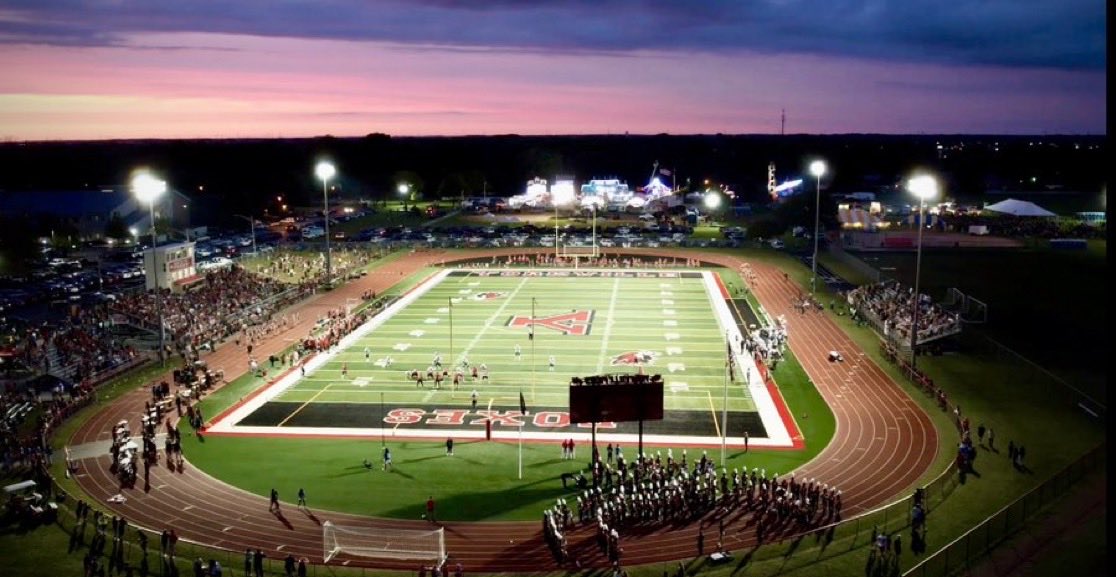
54 YHS student-athletes from the class of 2026 committed to play a collegiate sport next year. Nothing in life will be better than playing a sport you love, for the town you & your teammates grew up in. Talent + work ethic will get you to where you want to go!
A PARENT’S JOURNEY THROUGH YOUTH SPORTS:
Age 5: “He’s got a cannon.”
Age 6: “He’s the fastest kid out there. Coach said so.”
Age 7: “Rec ball isn’t challenging him anymore.”
Age 8: “We tried out for select. Obviously made it.”
Age 9: “$2,800 for the season. Plus uniforms. Plus tournaments. Plus hotels.”
Age 10: “Cooperstown is basically a family vacation, right?”
Age 11: “He needs a hitting guy. And a pitching guy. And probably a mental performance coach.”
Age 12: “I’m not a crazy sports parent. The OTHER parents are crazy.”
Age 13: “We changed schools. For academics. (And also baseball.)”
Age 14: ��Showcases are a requirement at this age.”
Age 15: “Ya his ranking just ticked up. We’re cooking.”
Age 16: “He just needs to get seen by the right school.”
Age 17: “The D1 schools want him to walk on. He’ll earn a spot by sophomore year.”
Age 18: “Okay, D2 is actually really competitive.”
Age 19: “He’s redshirting. Strategic.”
Age 20: “He’s focusing on school now.”
Age 21: “You know what? He’s so much happier.”
Roughly 7% of high schoolers play in college.
About 1.5% of those get drafted.
Less than half of draftees ever play one day in the big leagues.
The odds of our kids going pro are somewhere between “struck by lightning” and “find a $100 in old shorts.”
I love youth sports (all my kids play a bunch of them) just keep a good perspective my friends. ✌️
A PARENT’S JOURNEY THROUGH YOUTH SPORTS:
Age 5: “He’s got a cannon.”
Age 6: “He’s the fastest kid out there. Coach said so.”
Age 7: “Rec ball isn’t challenging him anymore.”
Age 8: “We tried out for select. Obviously made it.”
Age 9: “$2,800 for the season. Plus uniforms. Plus tournaments. Plus hotels.”
Age 10: “Cooperstown is basically a family vacation, right?”
Age 11: “He needs a hitting guy. And a pitching guy. And probably a mental performance coach.”
Age 12: “I’m not a crazy sports parent. The OTHER parents are crazy.”
Age 13: “We changed schools. For academics. (And also baseball.)”
Age 14: “Showcases are a requirement at this age.”
Age 15: “Ya his ranking just ticked up. We’re cooking.”
Age 16: “He just needs to get seen by the right school.”
Age 17: “The D1 schools want him to walk on. He’ll earn a spot by sophomore year.”
Age 18: “Okay, D2 is actually really competitive.”
Age 19: “He’s redshirting. Strategic.”
Age 20: “He’s focusing on school now.”
Age 21: “You know what? He’s so much happier.”
Roughly 7% of high schoolers play in college.
About 1.5% of those get drafted.
Less than half of draftees ever play one day in the big leagues.
The odds of our kids going pro are somewhere between “struck by lightning” and “find a $100 in old shorts.”
I love youth sports (all my kids play a bunch of them) just keep a good perspective my friends. ✌️
Kara Lawson shares a message every competitor needs to hear.
"Don't give me the power to affect your self-esteem, who you are as a person, and how good a practice you can have. Don't ever give someone externally the power to touch you in that way."
Your mindset is yours. Protect it.
"If you give someone externally the power to impact how good a day you're gonna have, what type of attitude you're gonna have, how hard you're gonna work - you're ceding something that's really, really valuable in life."
"You control that. Don't give me that power. Don't let me control whether you're gonna have a good day or not, or whether you feel good about yourself."
You choose how you want to show up.
"No one gets to own you. I don't get to own you. Nobody does. Nobody should."
"Don't give anyone that power. That's important."
Take ownership of yourself, your attitude, your effort, and your confidence.
They all belong to you.
(🎥 @DukeWBB)
Brad Stevens references a sign that hangs above his desk. It says:
What do you want?
What's true?
How do you get there?
Everyone knows the first answer. It's the next two questions that Brad and his staff assess every offseason.
Want to raise your basketball team’s FG% around the rim? Then you need a plan – and that plan doesn’t include more layup lines.
Read: https://t.co/8bM7B06UGn
I do love Tyler though. Last game I went to was 2019. Next year Covid and then Tony La Russa happened. He doesn’t spend on purpose like Carm just said. I’m excited for Ishbia and will continue to watch/ listen every day.
@WaddleandSilvy Cubs fans “imploring Sox fans” is so lame. Sox had 30,000+ last weekend home stand with good weather. It is an ownership issue not attendance issue. Bruce said atleast 1 of the games had 35k. So brutal Tyler.
Yorkville High School hosted a Mock Prom Accident Drill this morning to bring awareness to the life-altering consequences of impaired driving. Thank you to the multiple agencies that collaborated with the YHS team to make this drill a powerful reminder to our students.