The Indiana Bears. Only the Bears organization could screw this up. I actually feel bad for their fans. This is just terrible for football. The Bears should always be in Chicago!
My message to fans of the #Bears, as one who watched my team move from Shea Stadium to nearby East Rutherford, NJ.
It is never the same again.
It’s still your team, you still root like hell for them, but it isn’t ever the same again.
It’s 100% about “managing people” and not just the people on your team. What’s been lost in today’s culture, is the Varsity Head Coach should have the largest voice in the room when decisions are being made in regard to the kids in the school program. They’ve earned that right.
One of the biggest misconceptions in high school sports is that coaching is primarily about practices, games, and wins.
The reality is that coaching has become one of the most challenging roles in education because coaches are expected to wear dozens of hats while being evaluated from every direction.
Every parent, player, administrator, and community member often has a different expectation of success.
One family wants college recruiting to be the priority.
Another wants playing time.
Another wants winning.
Another wants player development.
Another wants discipline.
Another simply wants their child to enjoy the experience.
The challenge is that those goals frequently conflict, and coaches are often expected to satisfy all of them simultaneously.
Most coaches are balancing far more than what happens between the lines. They manage team culture, player conflicts, parent concerns, academics, transportation, fundraising, budgets, equipment, scheduling, eligibility, social media issues, and the emotional needs of teenagers.
At the same time, every roster includes athletes with different abilities, goals, motivations, and commitment levels. Some dream of college athletics. Some are trying to make varsity. Some simply want to belong. Building one program that serves all of them is incredibly difficult.
Perhaps the greatest challenge is decision-making.
Who starts?
Who plays?
Who sits?
Who travels?
Who gets moved up?
Who gets cut?
Every decision creates opportunity for one athlete and disappointment for another. Even well-intentioned decisions can be viewed as favoritism or politics when seen through the lens of an individual family.
Recruiting adds another layer of complexity. Coaches are expected to help athletes pursue college opportunities while also managing the needs of an entire team. Supporting one athlete can sometimes raise questions from another family about their child’s opportunities.
Social media has amplified many of these challenges. One lineup decision, one difficult conversation, or one emotional moment can quickly become public discussion, often without the full context.
There are also pressures many people never see.
Pressure from administrators to represent the school well.
Pressure from parents to provide opportunities.
Pressure from athletes to help them achieve their goals.
Pressure from communities that often measure success by wins and losses.
Pressure to retain athletes in an era of increasing transfers and movement.
And all of this occurs while coaches are trying to develop young people, not just athletes.
What makes coaching difficult is not that people don’t care.
It’s that everyone cares deeply, but often about different things.
Parents focus on their child.
Players focus on their opportunities.
Administrators focus on the school.
Communities focus on results.
Coaches must somehow balance all of those interests while making decisions they believe are best for the team.
As a former college coach, athletic director, and high school administrator, I’ve learned that most coaches are not trying to hold athletes back, play favorites, or make life difficult for families. Most are simply navigating competing priorities, limited resources, and difficult decisions while trying to do what’s best for kids.
Because at its core, coaching has never really been about managing games.
It’s about managing people.
And that’s what makes it both incredibly challenging and incredibly important
The biggest problem in coaching. Too many coaches try to micromanage every possible detail. Over coaching is a major issue because coaches think this is what makes them a good coach, when in fact it’s the opposite. Pull back, don’t talk so much, relax, you can’t save everything…
John Tortorella on what he's learned from coaching a veteran team with the Vegas Golden Knights.
"In the short time I've been with them, I watch them and listen to them. I've learned a ton from them. I've learned, I think coaches overcoach."
One of the paradoxes of leadership is that trying to help too much can sometimes hinder our impact.
Overcoaching often creates dependence. Ownership creates growth.
The best coaches understand that their job isn't to be the answer to every problem.
It's to build people who can solve problems without them.
📹: Golden Knights
@BrettPickartsWI@WisBCA@WisBBYearbook Just because a survey was sent out from the WBCA doesn’t mean anything. The survey about a shot clock passed too. Yet here we are…
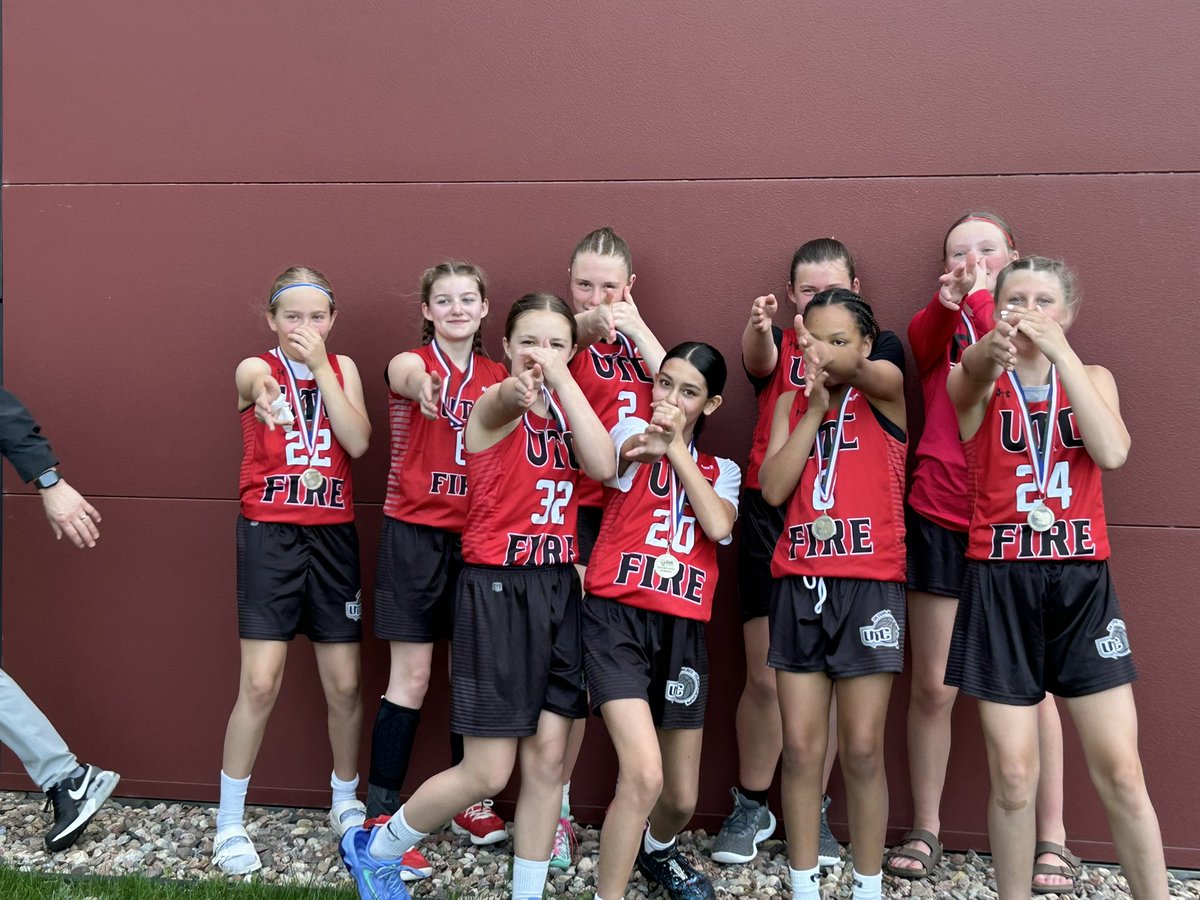
Congrats to BOTH 2032 teams yesterday playing in championship games in their divisions of the BLIZZARD BATTLE in Appleton. Tough competition and these kids battled! Kids from all over Central Wisconsin on these two teams. Great kids, great coaches, FIRE BASKETBALL! #stayhome