Steve Kerr says Roger Federer taught his Warriors team the secret to sustained success wasn’t outworking everyone, it was building a life around your craft you never want to escape from
“I’ll tell you a great story about Roger Federer. We were playing in China with the Warriors in 2017. Roger was in Shanghai for the Masters tournament, so we invited him to come speak to the team.”
“Draymond Green asked him, ‘How do you sustain success? How have you managed to win majors 20 years after you first won one?’ Everyone was expecting him to say, ‘I work harder than everybody,’ the will, all the clichés.”
“Roger Federer says, ‘I get up every morning and I make breakfast for my kids. Then I take them to school and drop them off. Then I go practice tennis for about two hours, and I’ve figured out a really good routine where I don’t destroy my body, but I can get all the work in I need.”
“‘Then I go have lunch with my wife. In the evening, we cook dinner together. The kids are all home from school. We ask them about school. There’s so much joy in the house. We put them to bed, and then I put my head on the pillow and go, “Man, that was just a great day.” And I’ve been doing that for 20 years.’”
“And it was like, yes. That’s it. That’s the formula. That’s what leads to sustained success. He loves tennis. He loves his family. He loves life. It’s not outworking everybody and banging your head against the wall, ‘I’m going to be better than everybody.’ It’s allowing your natural talent to shine through with a work ethic, with a great family life, with perspective, with peace, with mindfulness.”
“It’s perspective. It’s joy. It’s passion. It’s mindfulness. It’s an awareness that we are truly lucky. To get the most out of ourselves, it’s our daily rituals and experiences and love and joy.”
Nellie… You didn't just draft me. You believed in me. You saw things in my game before I ever realized I could do them. I've said it a million times and I will always say it: I don't think my career could have turned out how it did without you being my first coach and giving me the freedom to play my game. I can only say THANK YOU. For everything.
RIP legend.
Ridiculous. Similar to former ESPN broadcaster Doug Adler, who was eventually fired for using the phrase “guerrilla tactics” when describing Venus Williams’ playing style. We all know what these phrases mean. Stop the feigned outrage & race baiting.
Underrated coaching truth:
The best coaches aren’t obsessed with talent.
They’re obsessed with effort.
With attitude.
With toughness.
That’s what wins when it gets hard.
There's a line I read in a biography of Michael Jordan that said: "Everyone wanted to be like Mike. Mike did not want to be like anyone else." Munger was like that. Authentically himself. Trusted his own judgement. Ran his life by what he called "an inner clock."
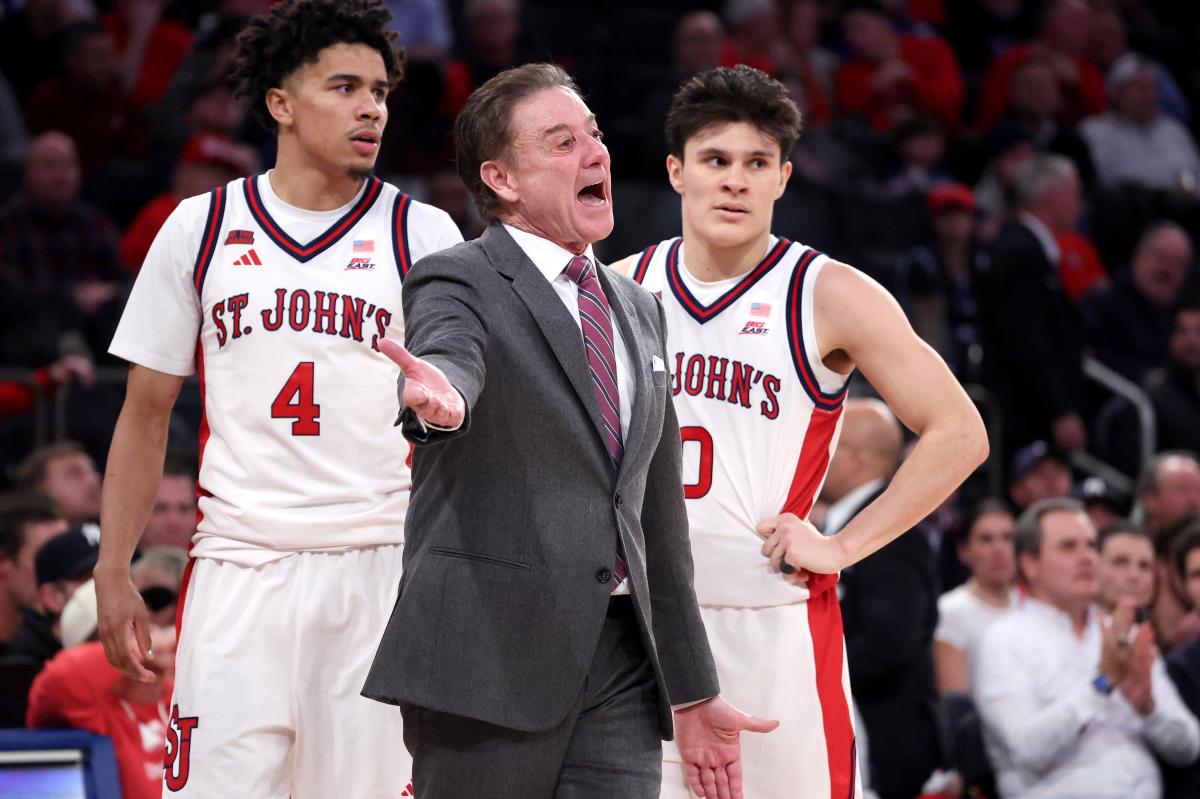
“I get along great with every player that works hard”
-Rick Pitino
99% of the time being a “coach’s favorite” rarely has to do with political bias or liking someone more - it comes down to a mutual trust between player and coach.
Trust that the other will show up & bring it.
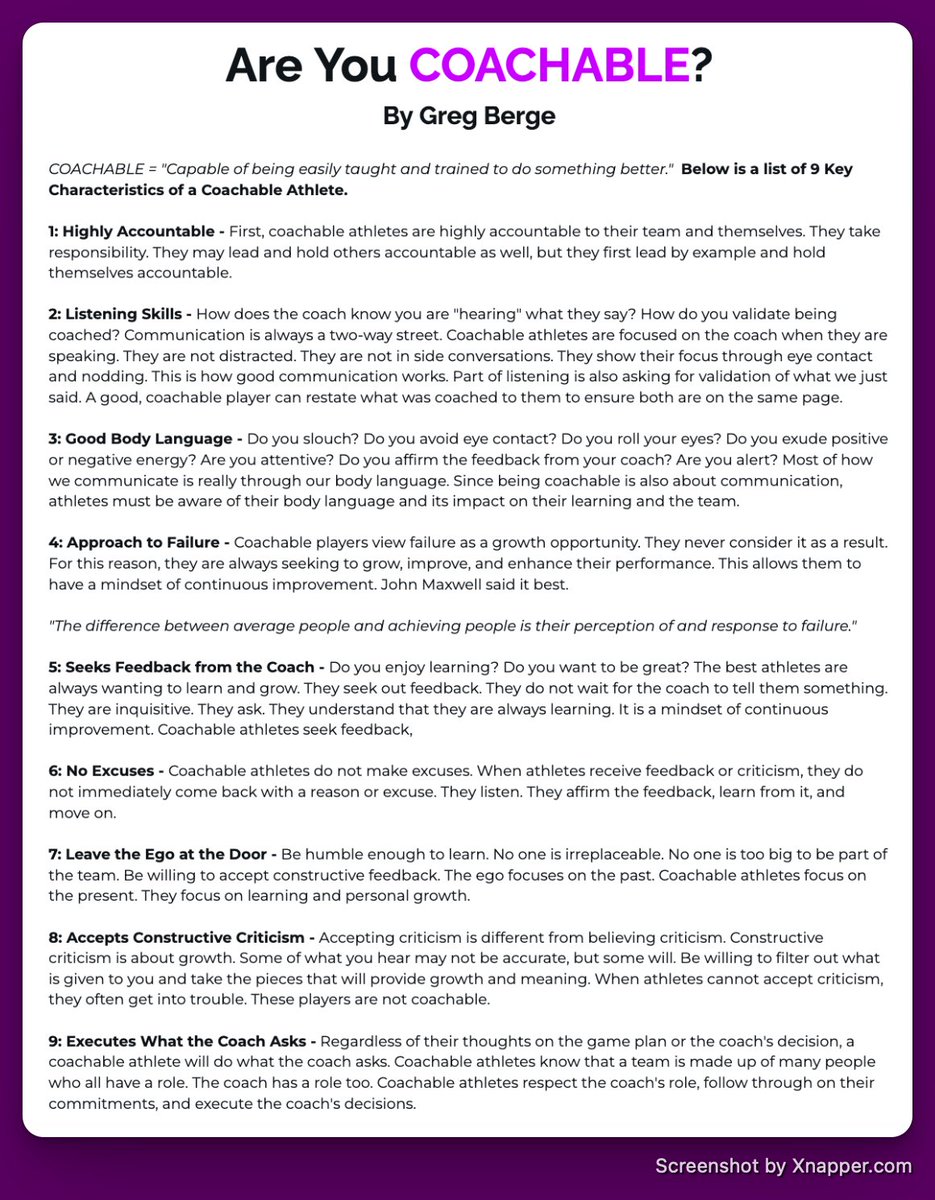
Every coach has seen it... talented athletes who never last.
Not because of skill, but because they aren’t coachable.
Athletes who listen, accept feedback, and stay accountable?
They win.
They last.
They grow.
Talent fades. Coachability doesn’t.
''He is Coach of the Year by far. Not close for me.''
Scott Roth had nothing but praise for Brian Goorjian after the Tasmania JackJumpers’ loss to the Sydney Kings.
A Navy SEAL, a Fortune 500 CEO, and a chess grandmaster all read the same book.
None of them play tennis.
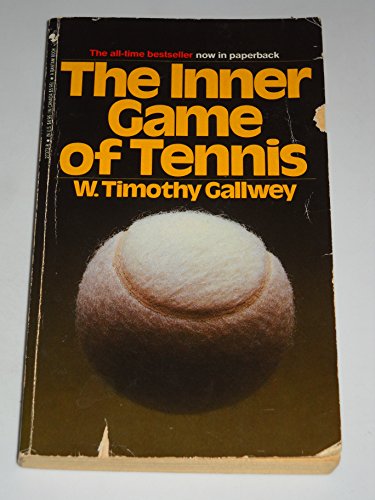
The Inner Game of Tennis by W. Timothy Gallwey is the best performance psychology book ever written.
Here are 10 best quotes:
"When the best players on your team are the best people on your team, you have a great opportunity."
Because talent sets the ceiling—but character sets the standard.
My ten observations from spending 13 hours in the gym today:
1. For the love of God-please stop dribbling the basketball without a purpose-nothing drives me more crazy-you turn the ball over and it makes you a target for traps.
2. Mad respect for coaches who are honest with their players about their college potential.
3. There are a lot of players on the court who lack fundamental basketball IQ but are considered top players on their team because they take a lot of shots. The people who know, know.
4. You can tell which players watch womens basketball and it shows.
5. You can tell which coaches prepare for their opponents and it shows.
6. "No stat all stars" are my favorite players-they play tough defense, take charges, scramble for loose balls, force opponents into bad shots and make smart, unselfish plays that elevate the performance of their teammates. These are unsung heroes.
7. Referees are human. They make mistakes like we all do.
8. Team chemistry is evident. You can tell who plays with a team mentality and who plays selfish ball.
9. I would rather see a team with a .500 record but are playing high level competition-you will reap the benefits in the post season.
10. Blessed to have met so many players, coaches, families, and parents who make 13 hours in the gym worth it.
The first sign of negativity within a team is not being upset with each other on mistakes, missed shots and missed passes.
It’s not being excited for each other on the good plays or the big plays.
It all starts with appreciating and being happy for your teammates.
The best way to gain job security is not being the most knowledgeable person in the room. It's being the most reliable person in the room.
Information is abundant. Dependability, helpfulness, and responsiveness are relatively scarce.
We count on people who consistently deliver.
Success isn’t complicated. It’s built on two things:
1. Follow through - when you say you’ll do something, do it every time.
2. Honor your commitments - put in the work you promised to do.
If you claim to be something, then live it!
Want to lead? Lead. Call yourself tough? Prove it daily.
At the end of the day, habits and consistency always win.
You can be 'skilled, versatile, strong, athletic, high motor, long, explosive, high ceiling, great handle, etc'.
The reality is that if you can't shoot and/or make great decisions, you have an EXTREMELY HIGH BARRIER TO ENTRY.
Those physical attributes are all 10x'd by SHOOTING; shooting expands the scope of potential decisions alloted a player.
Those physical attributes are all non existent without DECISION MAKING.
'Shooting masks any deficiency.'
‼️ SPACING supersedes every tactical decision on both sides of the both ‼️
My personal tactical priorities 👇🏼
Does your spacing template clear the high nail or the isolate the low man?
How many points do you generate in transition and secondary transition (your highest quality possessions)?
Does your defense force middle or load to the ball?
Do you guard PNR with 3 men or with 2?
How many do you send to the offensive glass?
As a player, when do you create space and when do you take space?
Do you know your cutting triggers on penetration?
Am I driving single or double gaps?
These are THE foundational questions that GREAT teams have answers to before they have SETS.
“Offense is spacing and spacing is offense’”
- Chuck Daly
At the elite level, hard work is necessary but not sufficient. What separates the best isn’t the hours; it’s what they do inside those hours. It’s not just working hard. It’s working hard on the right things, in the right way, over and over again.
Sociologist Daniel Chambliss called this the "Mundanity of Excellence." After five years studying swimmers from learn-to-swim programs to the Olympic team, he found that champions don’t train more; they train differently. Their techniques are different. Their mindset is different. Their attention to detail is different.
For your team, the question isn’t “How do we do more?” It’s “How do we do it better?” The tone of your voice, the precision of a drill, the way you communicate with every player at practice — those small upgrades compound.
More isn’t better, better is better.
Every head coach knows this:
A great assistant changes everything.
They lift your culture.
They protect your standards.
And they determine how far your team can really go.