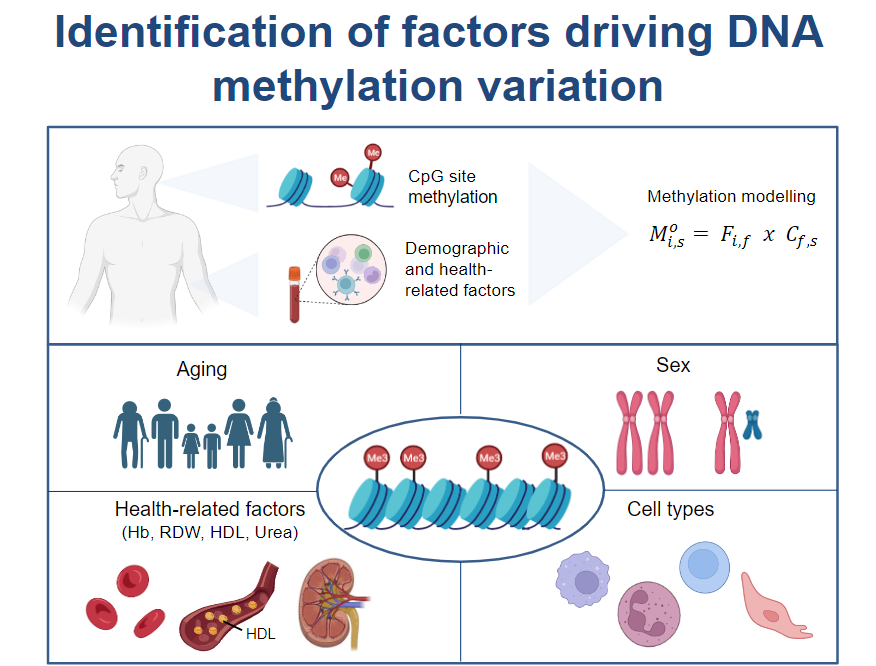
📢#PhysiologicalG has published its first podcast! 🎧 to authors Dr. Protti & Prof. Pellegrini discuss their recently published 📃 “The methylome of #BuccalEpithelialCells is influenced by age, sex, & physiological properties”
https://t.co/1YWjKKuhxF
#DNAmethylation#epigenetics
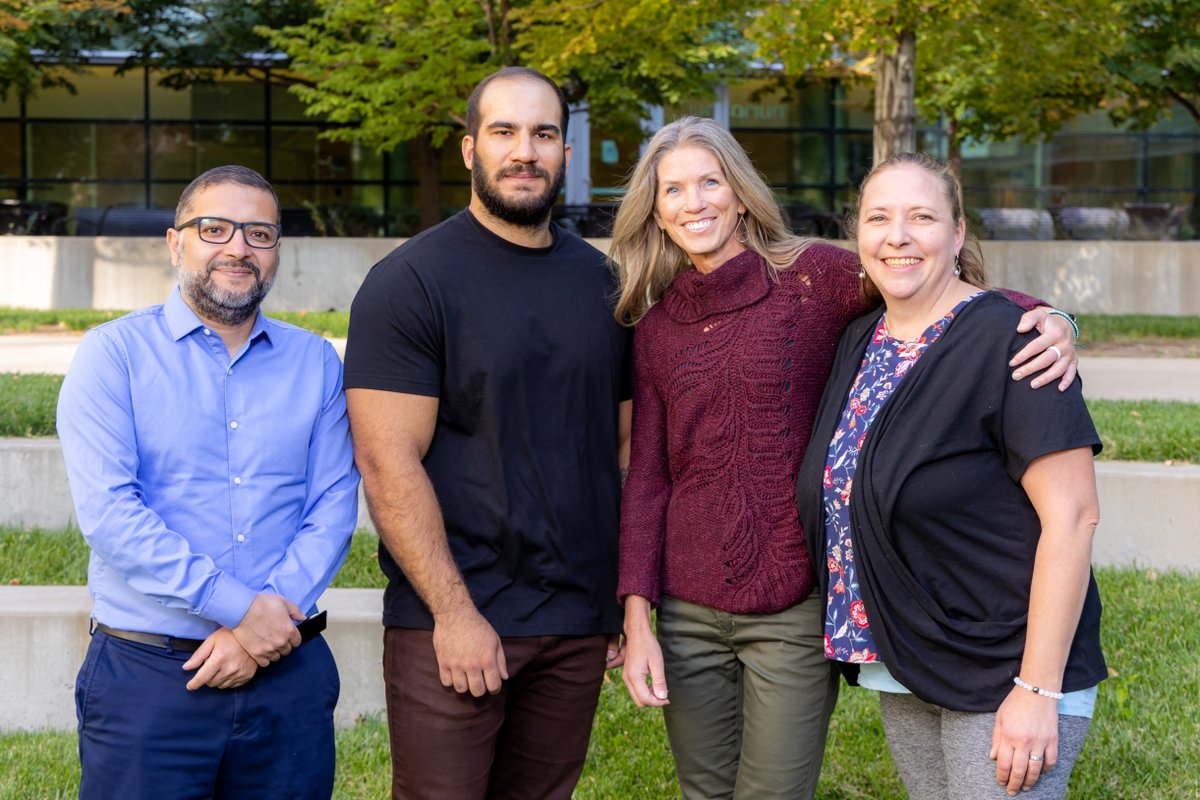
Drs. Julia Mack and Millie Romay share their amazing experience under the mentorship of Dr. Louisa Arispe, recipient of the 2023 Stephen M. Schwartz a
Award 🏆
@californiajulia@ArispeLab@mliarispe#NAVBO2023
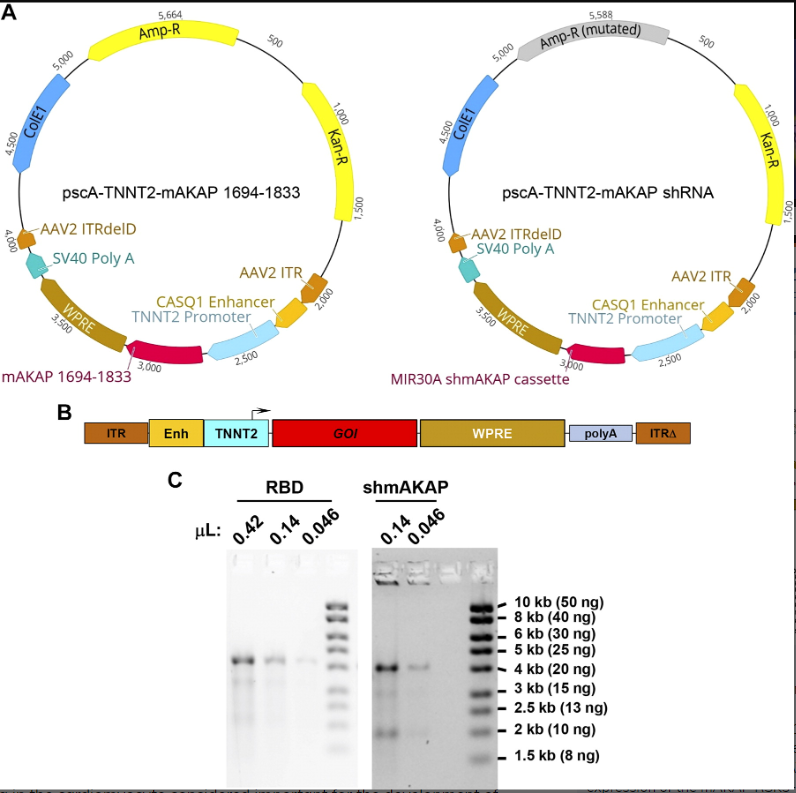
🔓This 📃 assessed biodistribution following antegrade intracoronary & intravenous delivery of two self-complementary serotype 9 AAV biologics designed to target signaling in the cardiomyocyte considered important for the development of #heart failure.
🖱https://t.co/LJCadfbjQE
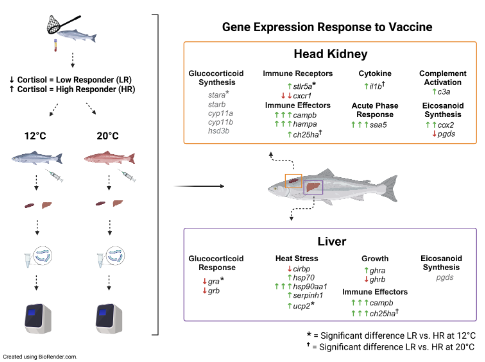
New in @PhysiologicalG: Impact of #Stress Phenotype, Elevated Temperature & Bacterin Exposure on Male Atlantic #Salmon (Salmo salar) Growth, Stress & Immune Biomarker Gene Expression (Ignatz et al.)
https://t.co/hmVVkJSnvn
@eignatz @MemorialU#ClimateChange#Growth
New in @PhysiologicalG from @cory_elowe @CourtneyBabbitt @Umass_birdphys:
White-throated Sparrow (Zonotrichia albicollis) #liver & pectoralis flight #muscle transcriptomic changes in preparation for #migration 🕊️
https://t.co/UdMnIJIeHr
Congratulations to @lorcalab_ucd & all authors of "Altered placental ion channel gene expression in preeclamptic high-altitude pregnancies" (Colleen G. Julian et al.) on winning this month's #APSselect award 🏆 in @PhysiologicalG!
https://t.co/JXObmXXJj4
Congratulations to Samantha Butler @Butlerlab_UCLA for being recognized with @UCLA's Faculty/Staff Partnership Award! 🏆🎉 So well deserved as many of us have been on the receiving end of her kindness and collaborative spirit. ➡️ https://t.co/vzemmSqye2
We extend our warmest congratulations to @leonidkruglyak for this prestigious honor in recognition of his pioneering and creative discoveries in understanding the genetic basis of gene expression variation!
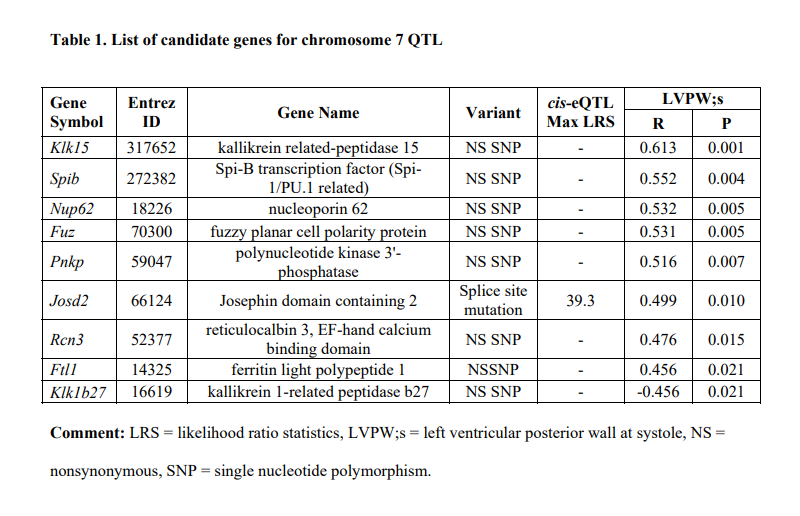
🔓Free Access! Echocardiography phenotyping in murine genetic reference population of #BXD strains reveals significant QTLs associated with cardiac function & morphology (Lu Lu et al.)
🖱https://t.co/gdsKOAyswv
@uthsc@LeBonheurChild@StJudeResearch#cardiomyopathy