Supporting innovation, excellence and the highest ethical standards focused on taking stem cell discoveries from the lab to the patient. (RT≠endorsement)
If you were a piece of lab equipment, what would you be? 🔬
A steady centrifuge? A sharp-eyed microscope?
Watch to see what our trainees picked and tell us yours in the comments!
#UCLAStemCell#StemCellResearch#LabLife#STEMEducation
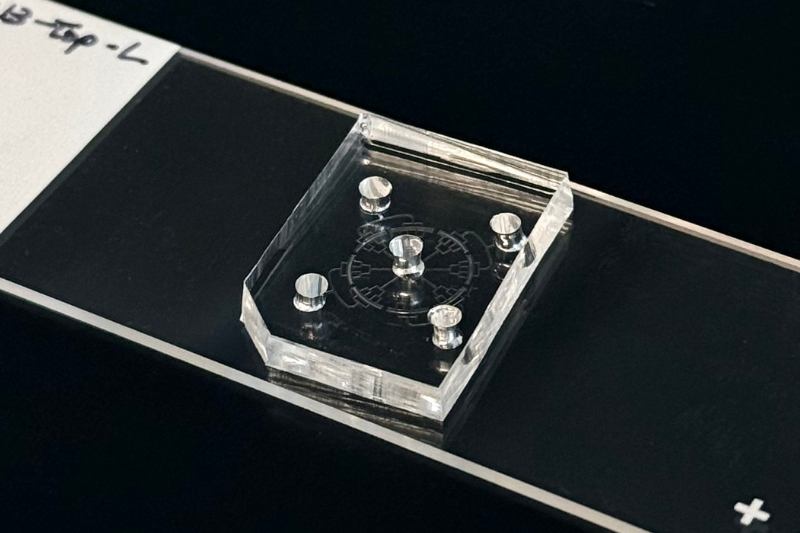
Excited to share our new publication on physical regulation of genome! Millisecond compression of cells may induce changes in chromatin accessibility, which can be targeted by guide RNA for more efficient CRISPR activation of genes in heterochromatin. Thanks to all team members!
📷:
1) Microfluidic device. | Song Li Lab/UCLA
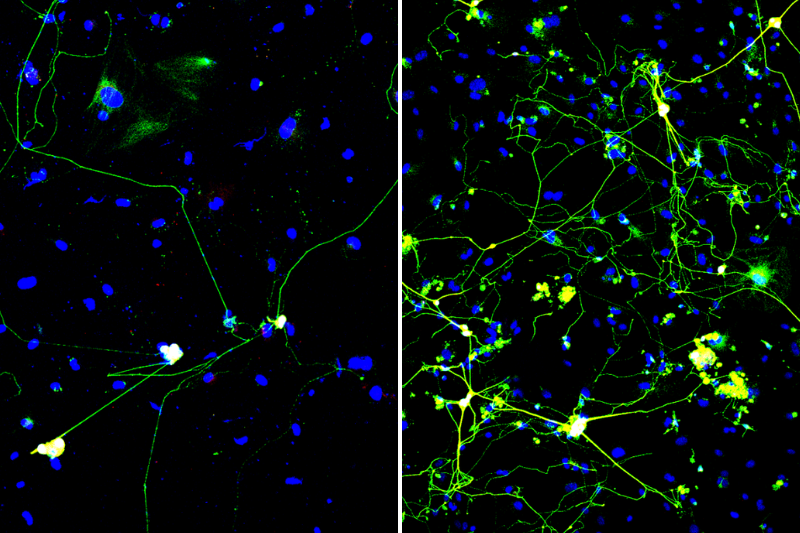
2) Combining CRISPRa with the squeeze (right) improved cell reprogramming efficiency compared to CRISPRa alone (left). Blue: DAPI, green: Tubb3 (a neuron-specific marker). | Yang Song/Song Li Lab
This microfluidic device squeezes cells as they pass through, loosening their tightly packed DNA so CRISPR tools can reach and switch on genes to make cell reprogramming more efficient. 🧫🧬
🔗 https://t.co/udwB9cSLYa
#ResearchPowersProgresss#CellReprogramming#CRISPR
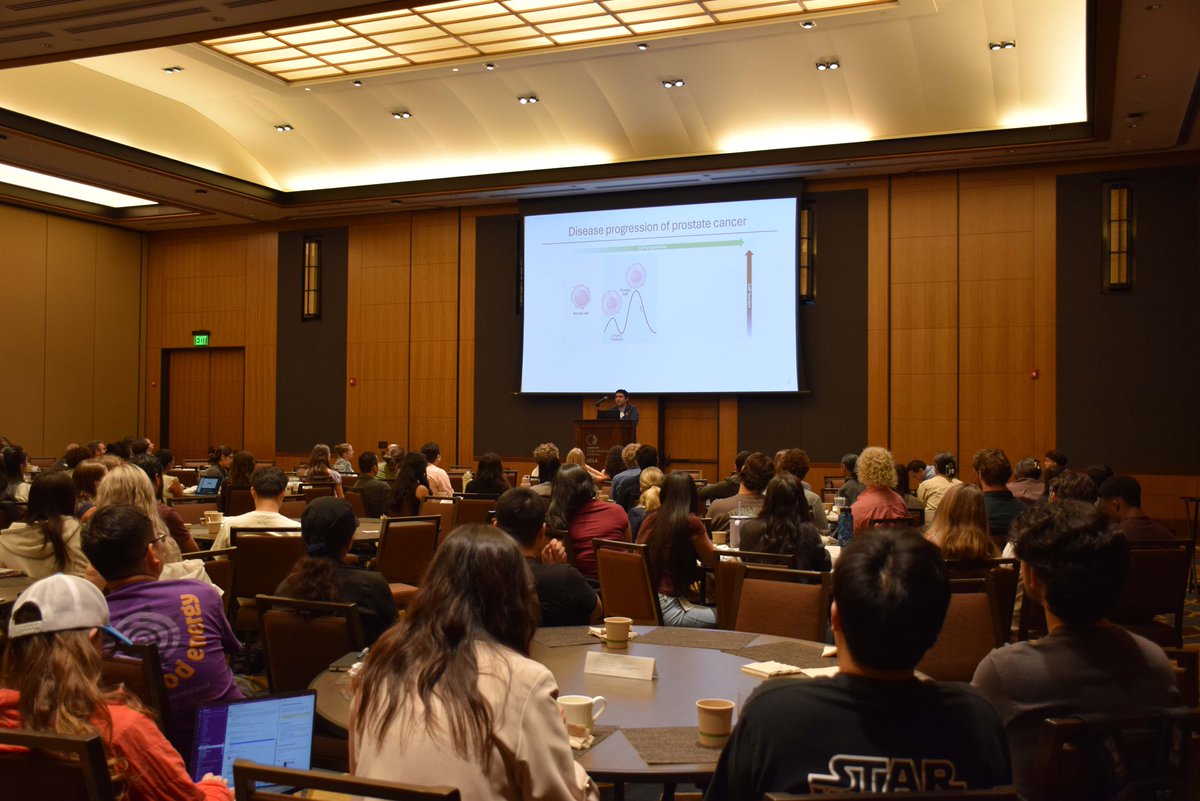
Last month, the BSCRC sponsored the 2026 MBI Annual Retreat, which showcases student research and provides a venue for for connection & collaboration. We're always thrilled to see trainee participation at these events!
The National Academy of Medicine welcomes 3 new UCLA faculty members, each chosen by their peers for major contributions to medical science, healthcare and public health. https://t.co/GRMWloCckV
Congratulations to @dgsomucla faculty Susan Ettner, Donald Kohn and Dennis Slamon on their election to the National Academy of Medicine. One of medicine's highest honors, it recognizes their achievements and commitment to improving health for all. https://t.co/vanAo9KtJX
Congratulations to Dr. Donald Kohn and Dr. Dennis Slamon, who have been elected to the National Academy of Medicine! They join 97 other distinguished researchers and health professionals from the U.S. and around the world in the academy’s class of 2026: https://t.co/kEGx8rvXzf
Congratulations to @UCLA's Dr. Donald Kohn on his election to @theNAMedicine! The physician-scientist has spent nearly 4 decades bringing new gene therapies from the laboratory to patients w/ blood & immune diseases. @Kohn_Lab@dgsomucla@UCLAHealthJCCC
https://t.co/6rypvHLoux
Congratulations to UCLA scientist Julia Mack on a $1.37M @NIH grant! Her team will study how cells lining blood vessels sense blood flow and activate signals that protect against inflammation. 🩸
https://t.co/xlbhQsSsq3
#NIH#UCLA
As a dermatologist, Dr. Amy Vandiver sees signs of damage and aging written across her patients’ skin. As a scientist, she’s investigating what those changes mean for the rest of the body.
Learn more: https://t.co/lcOvIF97jJ
A UCLA-led team has received a four-year, $2.7 million grant from the @NIH to study how Zika virus damages the developing eye and to identify drug-based strategies that could protect babies’ vision.
🔗https://t.co/vrWoBeZbZS
#ResearchPowersProgress#InfectiousDiseases
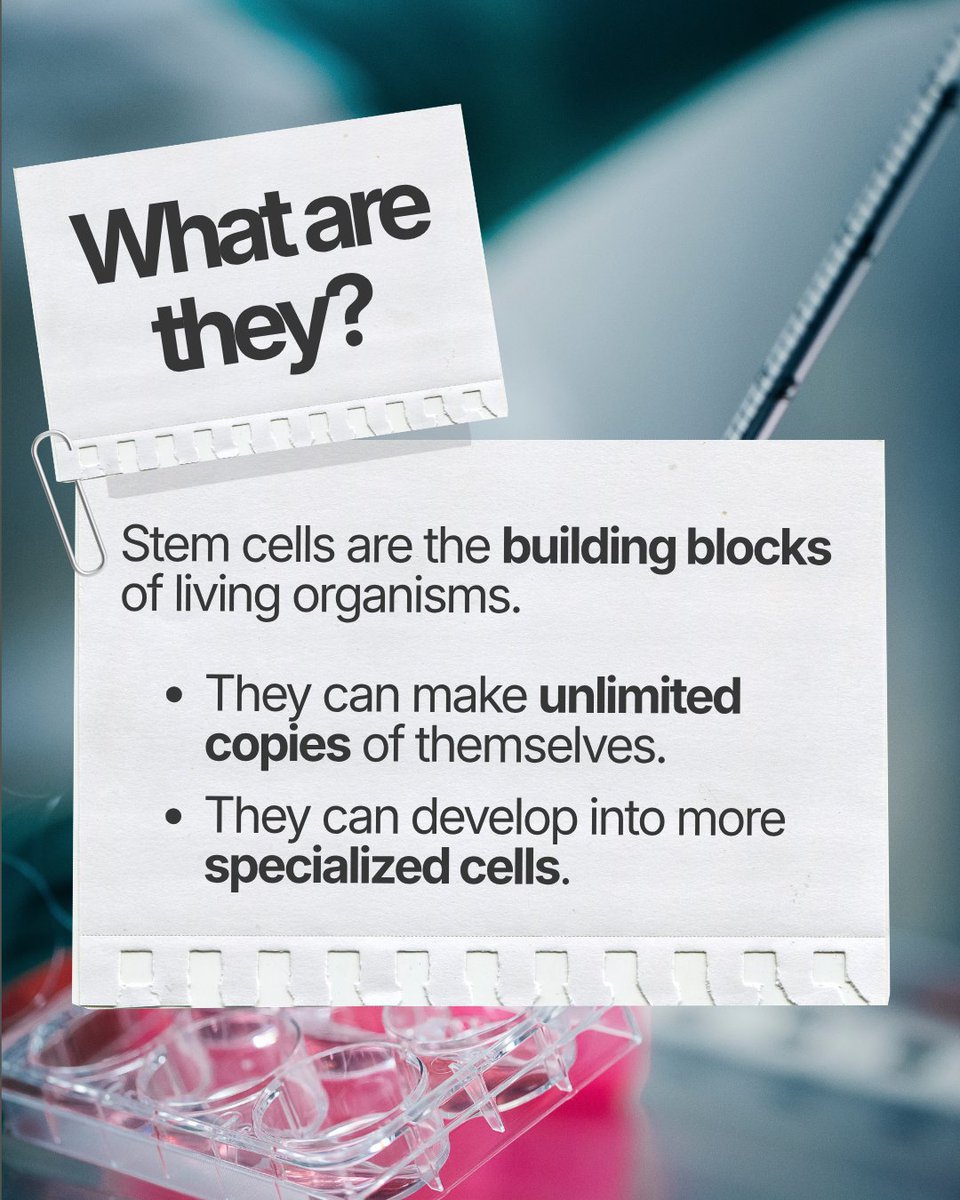
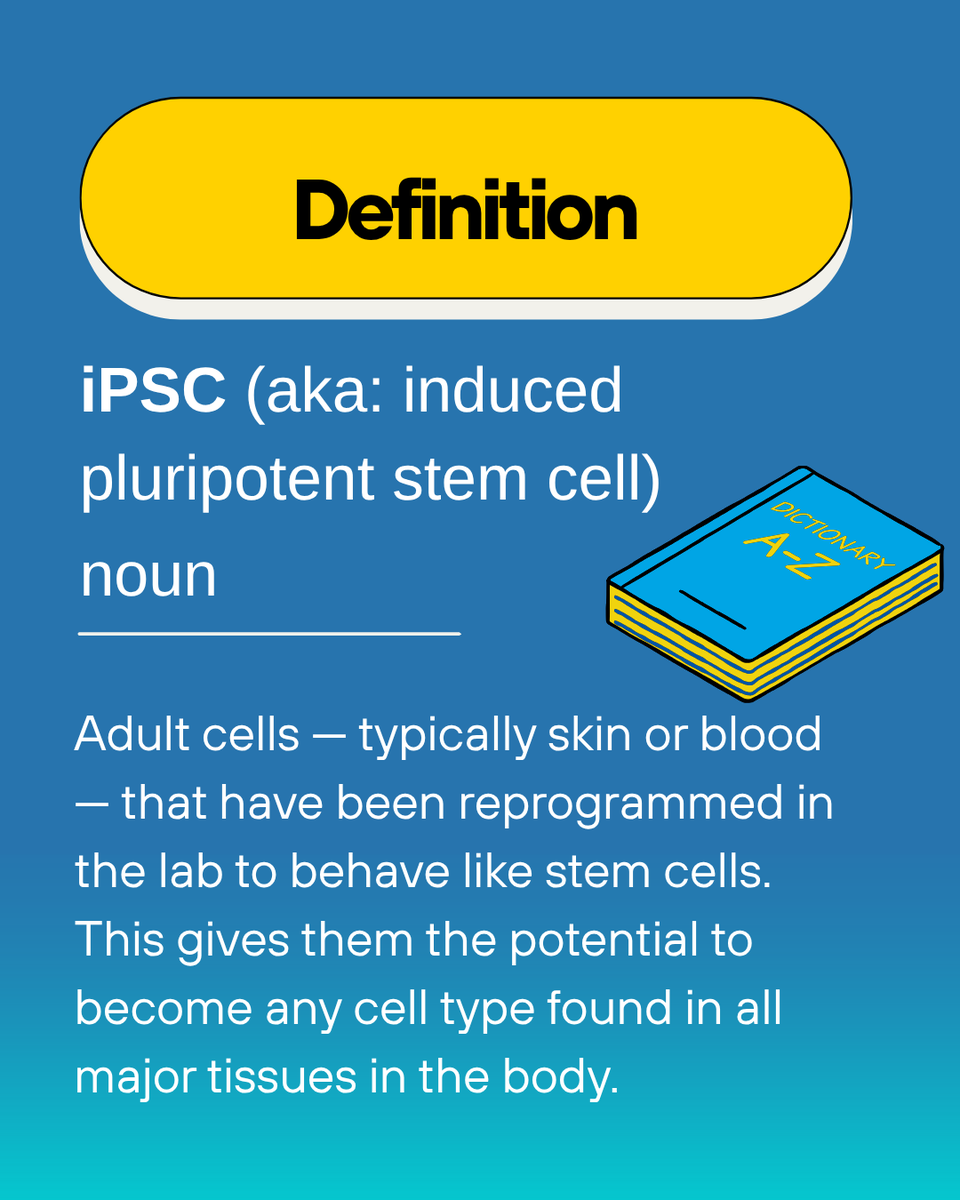
Time travel for cells? Almost. 🧬⏪ iPSC technology lets researchers reprogram adult cells back to an undifferentiated state, so they can become nearly any cell type.
Visit https://t.co/hptEh9Elqv to learn more!
#UCLAStemCell#StemCellResearch#WordoftheWeek#Reprogramming
At UCLA’s Organoid Research Symposium, scientists shared how tiny 3D models are helping reshape how researchers study cancer, understand treatment resistance and explore more personalized therapies.
https://t.co/rDyX5HMimU
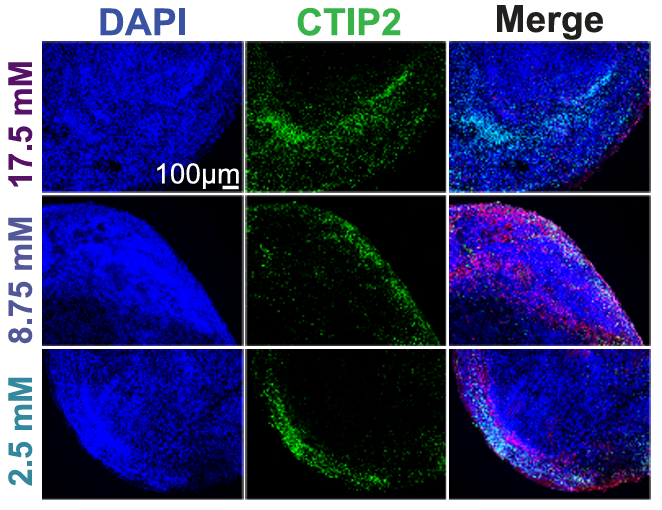
How does a developing brain decide which kinds of cells to make? A @dgsomucla-led study from Dr. Aparna Bhaduri and Dr. Heather Christofk’s labs found that metabolism may help guide that process. Using developing human brain tissue and lab-grown brain models, researchers found that changing glucose availability shifted which types of brain cells formed. The image shows fluorescently labeled cells in the brain models under different glucose conditions, helping researchers see how the mix of developing cell types changed. Read more: https://t.co/NquEUpKJpd. #UCLA #Neuroscience #BrainResearch
Congrats to UCLA scientist Tara TeSlaa, recipient of an NIH Director’s New Innovator Award! 🎉
With up to $2.375M over 5 years, her lab will develop a new way to map how specific cell types use nutrients inside the body.
Read more: https://t.co/ohB9ByGYN7