Astronomers have detected a long-running source of slow, repeating radio pulses that can’t be explained by current theories – but it’s probably not aliens.
@ColourfulCosmos from @CurtinUni has all the details 👇
https://t.co/lhmgiWqgz4
We're hearing a lot of buzz and excitement for @ColourfulCosmos' talk at #APRIM2023 on long transients -- her plenary session is 9am local time today so don't miss it! https://t.co/jDdWAtkmQw #atnf
Astronomers have detected a long-running source of slow, repeating radio pulses that can’t be explained by current theories – but it’s probably not aliens.
@ColourfulCosmos from @CurtinUni has all the details 👇
https://t.co/AReaVG1sm0
Astronomers have detected a long-running source of slow, repeating radio pulses that can’t be explained by current theories – but it’s probably not aliens.
@ColourfulCosmos from @CurtinUni has all the details 👇
https://t.co/c9869ydsTQ
Hey - if you're an undergrad student and want to work with @ColourfulCosmos on some of those radio transients we've been talking about, then we've got the summer project for you: https://t.co/lcC4H5t5SQ
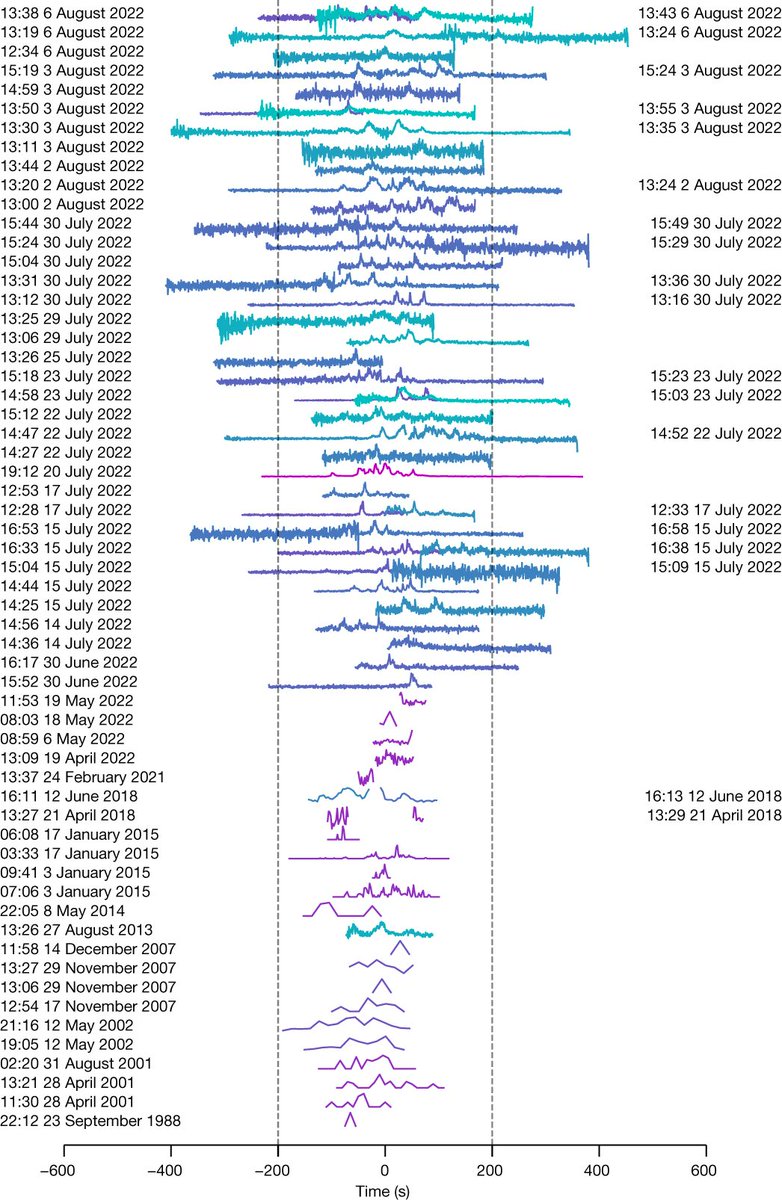
A long-period radio transient active for three decades, by Natasha Hurley-Walker @ColourfulCosmos and co-authors: https://t.co/m6MkCoHXYo
Check out the News & Views by Victoria M. Kaspi highlighting the remarkable foresight of scientists in bygone years: https://t.co/Vv579SRZLN
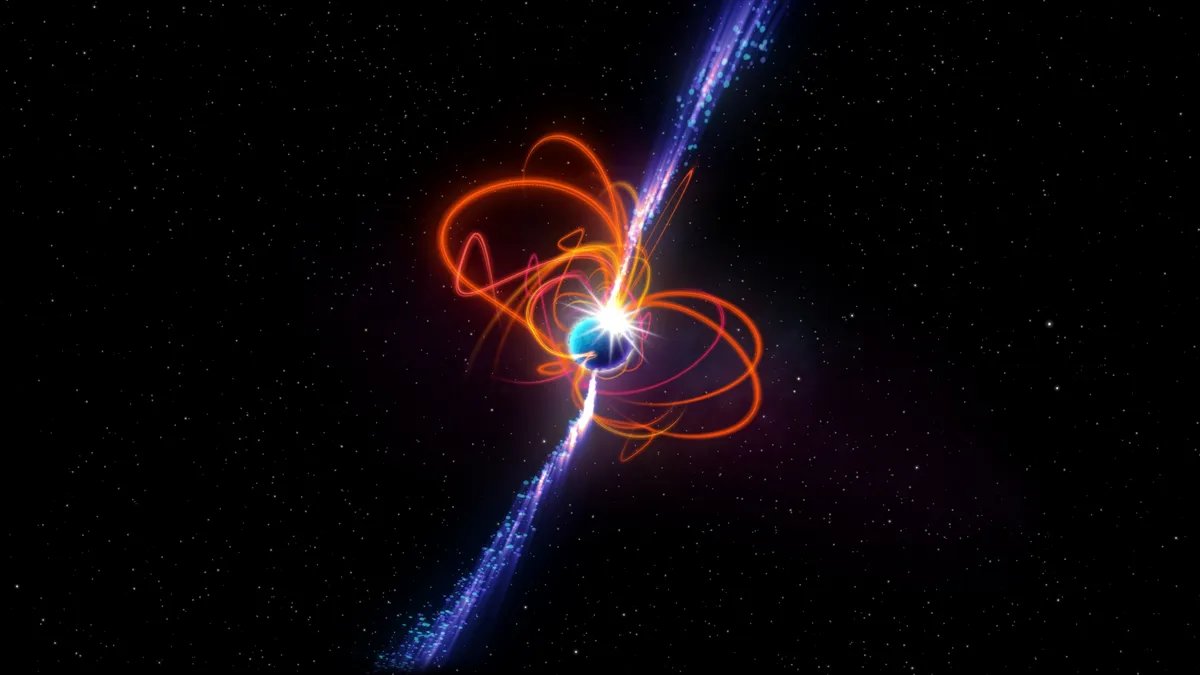
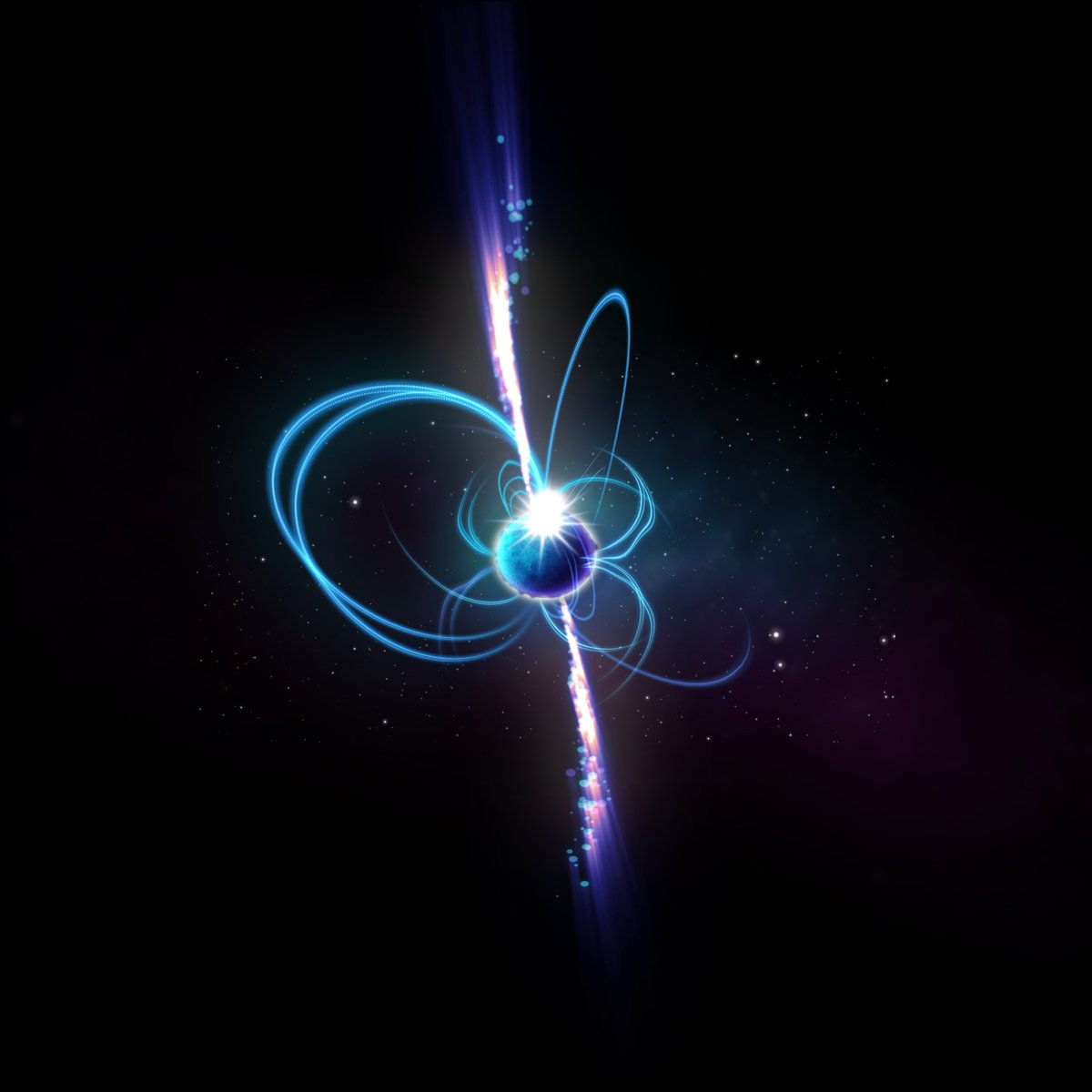
In research published today in @nature, ICRAR astronomers using the @mwatelescope and led by @ColourfulCosmos discover what may be a 'long-period #magnetar' - a new kind of slowly spinning star whose radio emissions "shouldn’t be possible". https://t.co/X42IysfUBH
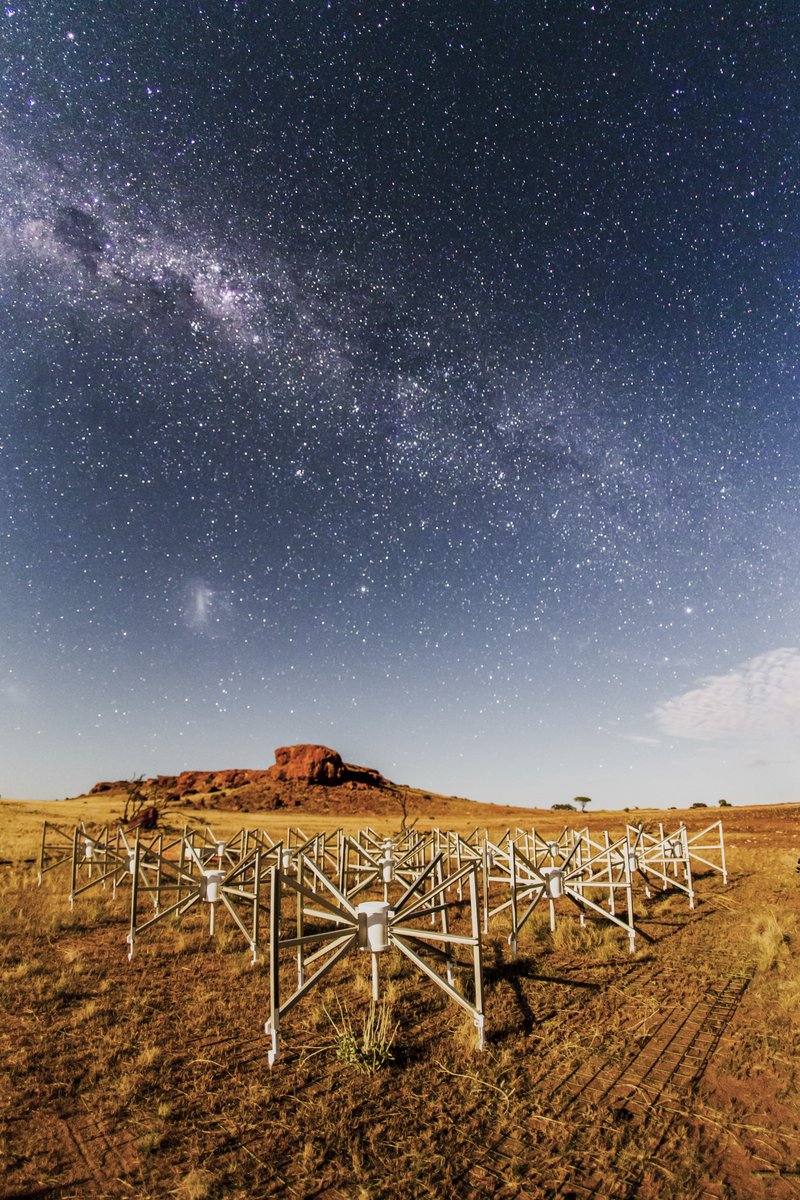
Astronomers from @ICRAR using the @mwatelescope and three @CSIRO_ATNF telescopes have discovered a new type of stellar object that upsets our understanding of neutron stars. 🌟
Here's why we're excited: https://t.co/4Cya5Lam3J
📷 | Pete Wheeler
#Magnetar
A team of astronomers, lead by @ColourfulCosmos, used the @mwatelescope to discover a long-period radio transient that has been active for almost three decades. The object was confirmed in archival data from the #VLA and the #GMRT, with detections going as far back as 1988!
Astronomers have detected a long-running source of slow, repeating radio pulses that can’t be explained by current theories – but it’s probably not aliens.
@ColourfulCosmos from @CurtinUni has all the details 👇
https://t.co/OV6PiGoILD
You asked me whether we'd found any other weird slowly-repeating radio sources and all I could say was: "watch this space". Until today!
We've found a new object - and this one breaks all the rules!
In research published today in @nature, ICRAR astronomers using the @mwatelescope and led by @ColourfulCosmos discover what may be a 'long-period #magnetar' - a new kind of slowly spinning star whose radio emissions "shouldn’t be possible". https://t.co/X42IysfUBH
@CFrootloops@HvrAlex@mwatelescope@Nature@ICRAR@CurtinUni And after a rigorous analysis we found it is easier to explain it as a natural object, or at least, adding aliens to the explanation doesn't actually do anything useful. Like seeing that the sun is shining and saying WHAT IF IT'S ALIENS rather than figuring out nuclear fusion.
Using the @mwatelescope, we've detected a surprising radio transient that repeats every 18 minutes! Read about it in @Nature: https://t.co/lkG7DVHj89
@ICRAR@CurtinUni
@CFrootloops@HvrAlex@mwatelescope@Nature@ICRAR@CurtinUni So something that varies quickly and is bright... Well, I couldn't think of anything, except maybe something really boring like an airplane or a satellite! But I kept looking through the data. Each two minute observation was taken across a different block of frequency channels...
@CFrootloops@HvrAlex@mwatelescope@Nature@ICRAR@CurtinUni So that little moment there was where I briefly considered an ETI explanation. But! After more checking, I found it at different frequencies, and I also found there was no information in any of the data - aside from how slowly it repeats, it looked just like a radio magnetar...
@CFrootloops@HvrAlex@mwatelescope@Nature@ICRAR@CurtinUni And when I found another observation where the source was on again, it was at the same frequency as the first observation. It was also 18 minutes later (weird, nothing we know does this) and fixed to the astronomical sky, rather than moving like an airplane or satellite.