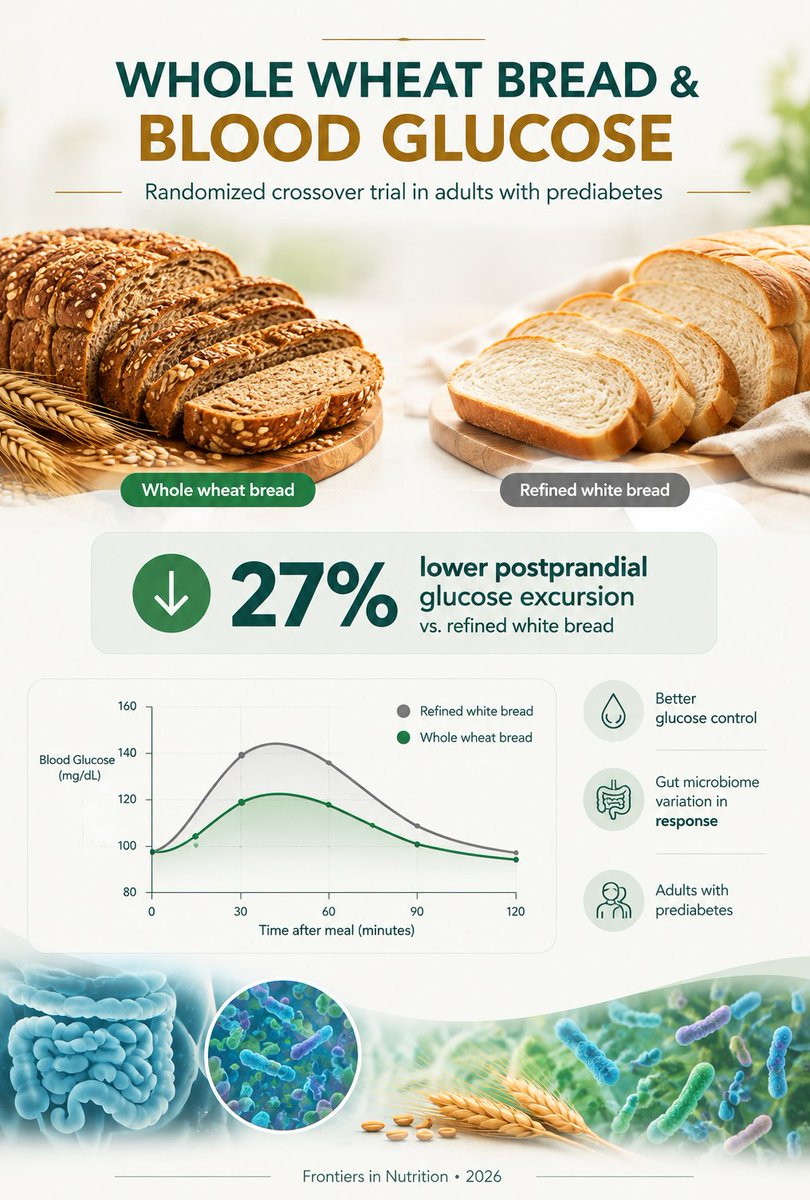
Same bread. Different gut. Different response.
Personalised nutrition gets interesting when the microbiome enters the picture.
🔗 https://t.co/3Iw499cyZY
#WholeGrains#GutMicrobiome
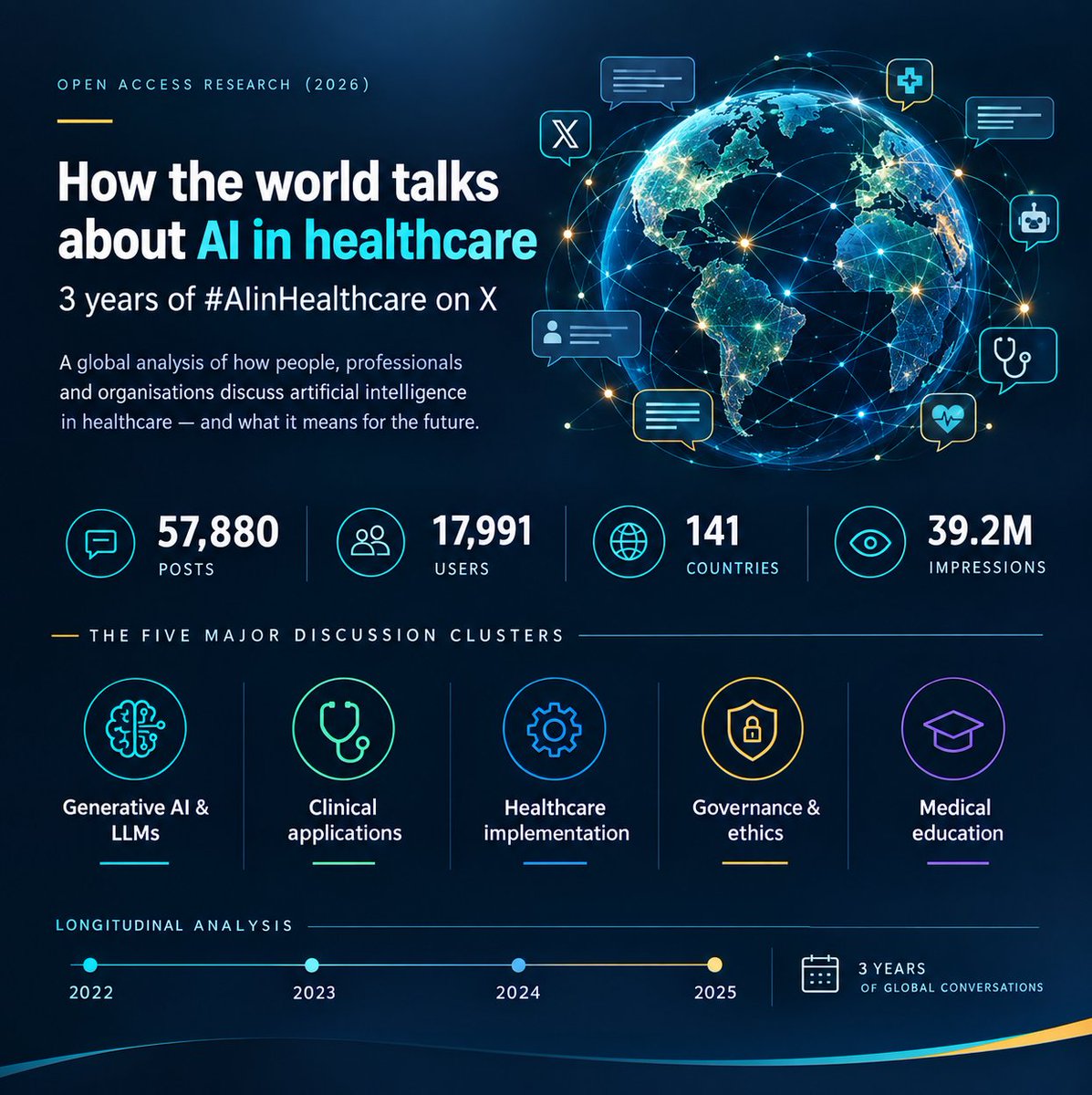
Want to know what people really think about AI in healthcare?
Look at what they say when nobody is asking them directly.
This study analysed 57,880 X posts from 141 countries to track the conversation around AI in healthcare.
https://t.co/82O6rcQxbd
#AIinHealthcare
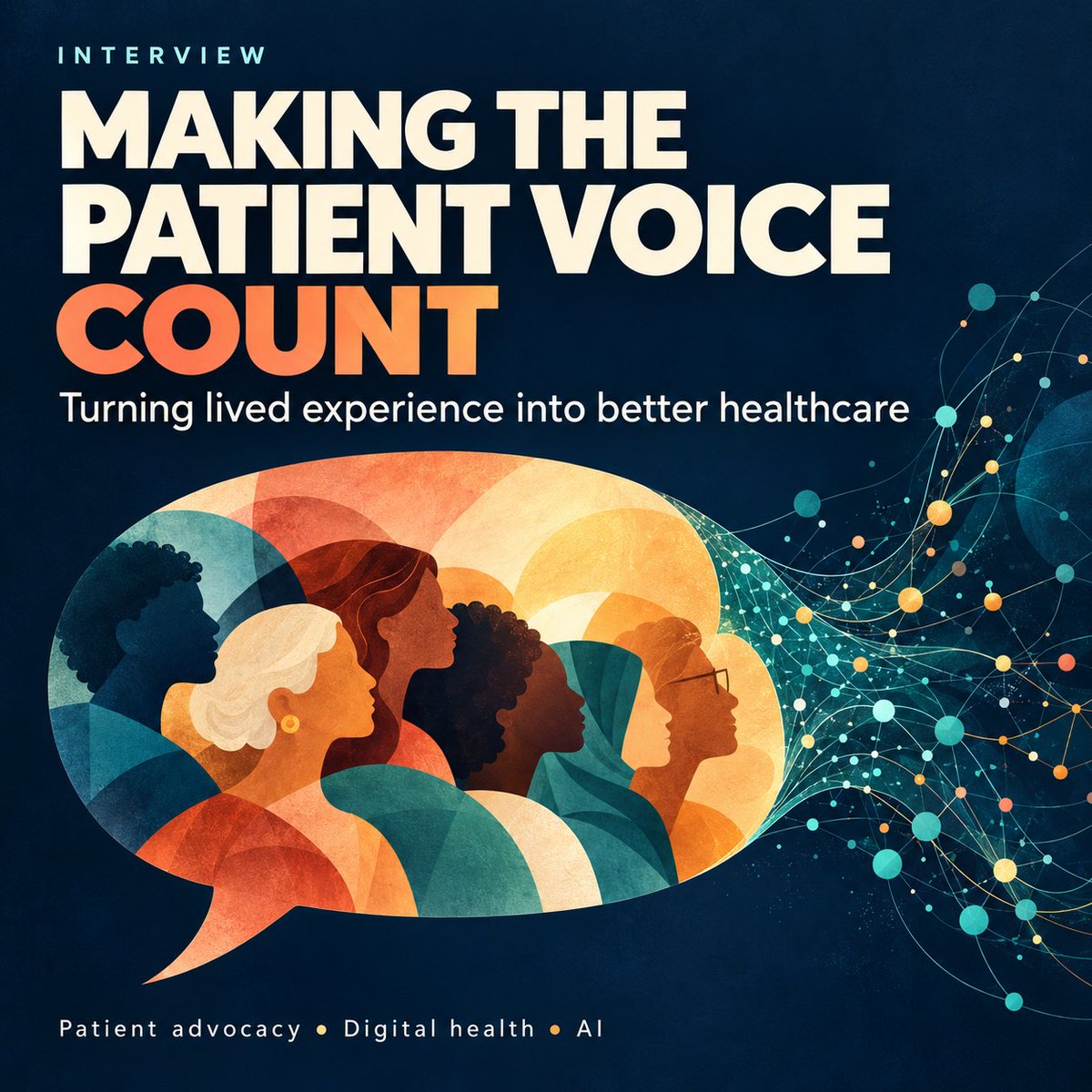
Patients know why a treatment does not fit their lives. Does that knowledge reach the decision-makers?
In our interview, Matt Toresco argues for involving patients earlier and showing how their input was used.
https://t.co/mjpnNvVF8m #DHPSP
A 14-protein signature was linked to lung cancer risk years before diagnosis
The idea of detecting the biology of cancer before the diagnosis is wild.
🔗https://t.co/XOnBEycQ7G
#cancer
AI-driven sleep analysis could help uncover health risks that traditional sleep-apnea measures may not capture.
It’s a promising step toward more comprehensive and personalized sleep health assessment.
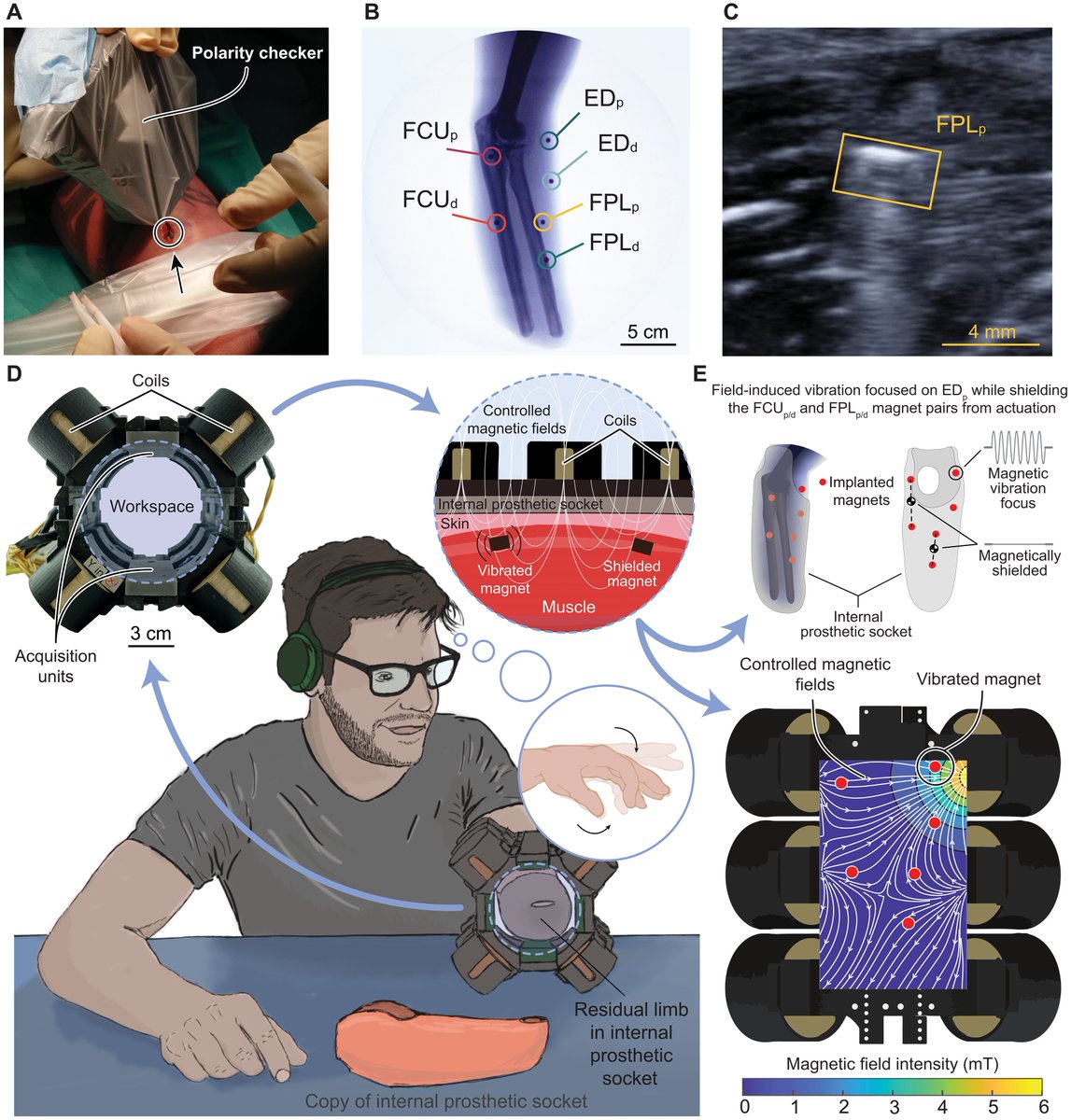
A magnetic prosthetic interface was designed to provide sensory feedback alongside control.
WOW!
We may be getting closer to prostheses that don’t just move like a body part.
🔗https://t.co/nQbi34C16k
#prosthetics
▶️ Greater nighttime light exposure was associated w/adverse cardiac remodelling & subclinical functional decline across multiple chambers, statistically mediated by shorter sleep duration.
▶️ These findings provide potential mechanistic insights into how nighttime light exposure may elevate CVD risk & highlight dark nights & adequate sleep for cardiovascular health.
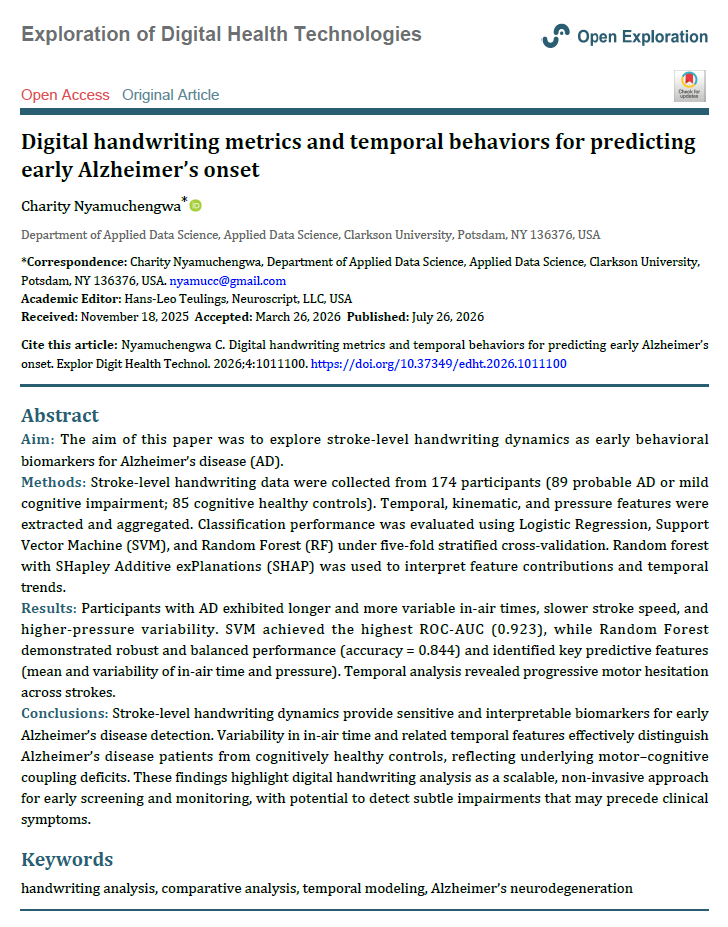
✍️ Digital handwriting metrics and temporal behaviors for predicting early Alzheimer’s onset.
👉 Explor Digit Health Technol. 2026;4:1011100. https://t.co/WjQQkY48pz #ExplorDHT#DHPSP
The body may have its own built-in defense against spinal disc degeneration.
When these cells were lost, degeneration accelerated.
👉https://t.co/RsVacz4qoI
🌐#cellrepair#spine
Botanical drugs: what is holding development back? FDA wants input on research barriers, quality and study design. This is a consultation, not a new drug approval. Comments close 3 Nov 2026.
https://t.co/z218lB3qT2
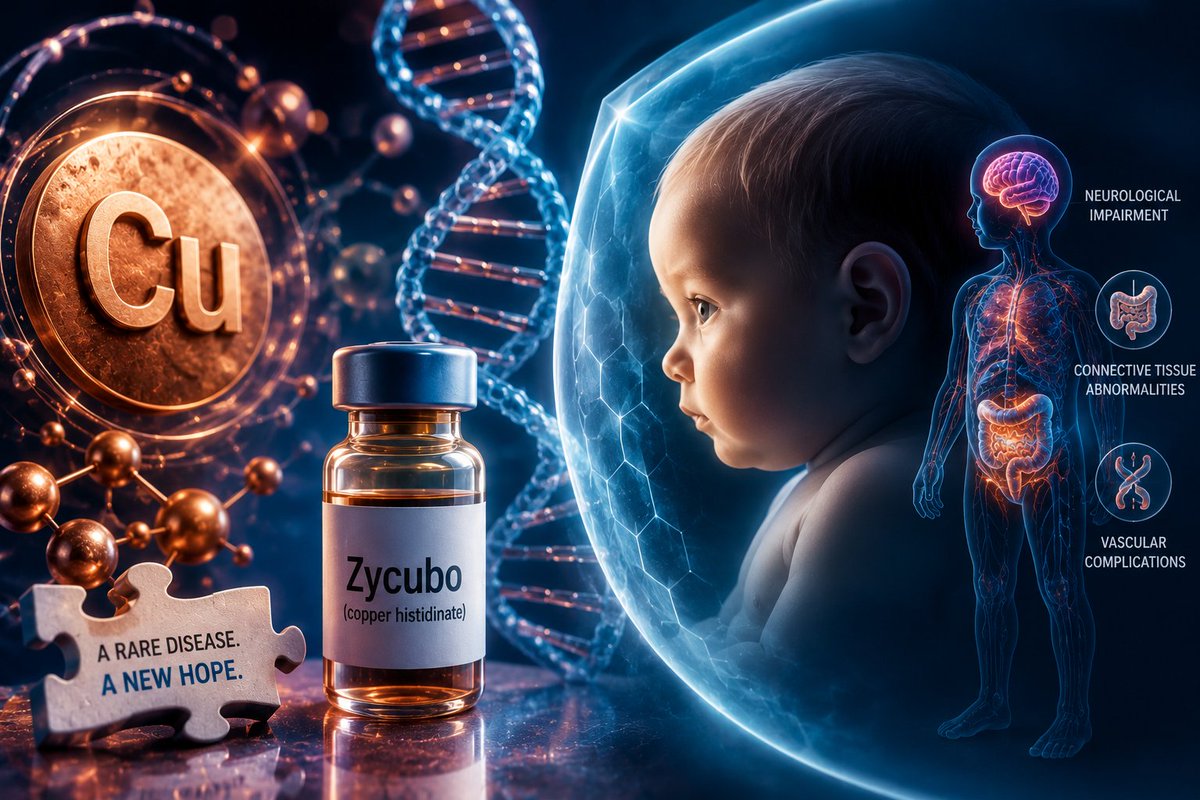
Copper histidinate (Zycubo) was approved for Menkes disease, a rare genetic disorder that can be devastating in infancy.🧬
🔗https://t.co/6jQL8nL0V3
#RareDisease#FDA#DrugDevelopment#MenkesDisease
🚨 BREAKING NEWS: The first-ever personalized mRNA cancer vaccine has successfully cleared Phase 3 clinical trials.
Pharmaceutical giants Merck and Moderna announced that their experimental mRNA cancer vaccine, intismeran, achieved positive results in its late-stage Phase 3 trial. Designed to treat high-risk melanoma patients whose tumors had been surgically removed, the individualized vaccine was paired with the immunotherapy drug Keytruda.
The combination met its primary and secondary endpoints by significantly reducing the risk of the cancer returning or spreading to other organs compared to using Keytruda alone. This milestone marks the first time a personalized mRNA-based cancer therapy has successfully cleared the final phase of clinical testing.
The customized therapy works by genetically sequencing a patient's unique tumor and utilizing mRNA technology to instruct their immune system to target up to 34 distinct cancer markers. Rather than a preventative vaccine, it functions as a highly targeted therapeutic tool tailored to a patient's exact cellular blueprint. With positive safety profiles and mostly minimal side effects reported, researchers are optimistic that this breakthrough could soon be adapted to combat other aggressive diseases like lung, bladder, and pancreatic cancers. The companies plan to present the full data at an upcoming medical meeting and engage with regulatory authorities to seek accelerated approval.
source: Merck & Co. and Moderna. (2026). Phase 3 INTerpath-001 Trial of Intismeran Autogene Plus KEYTRUDA.
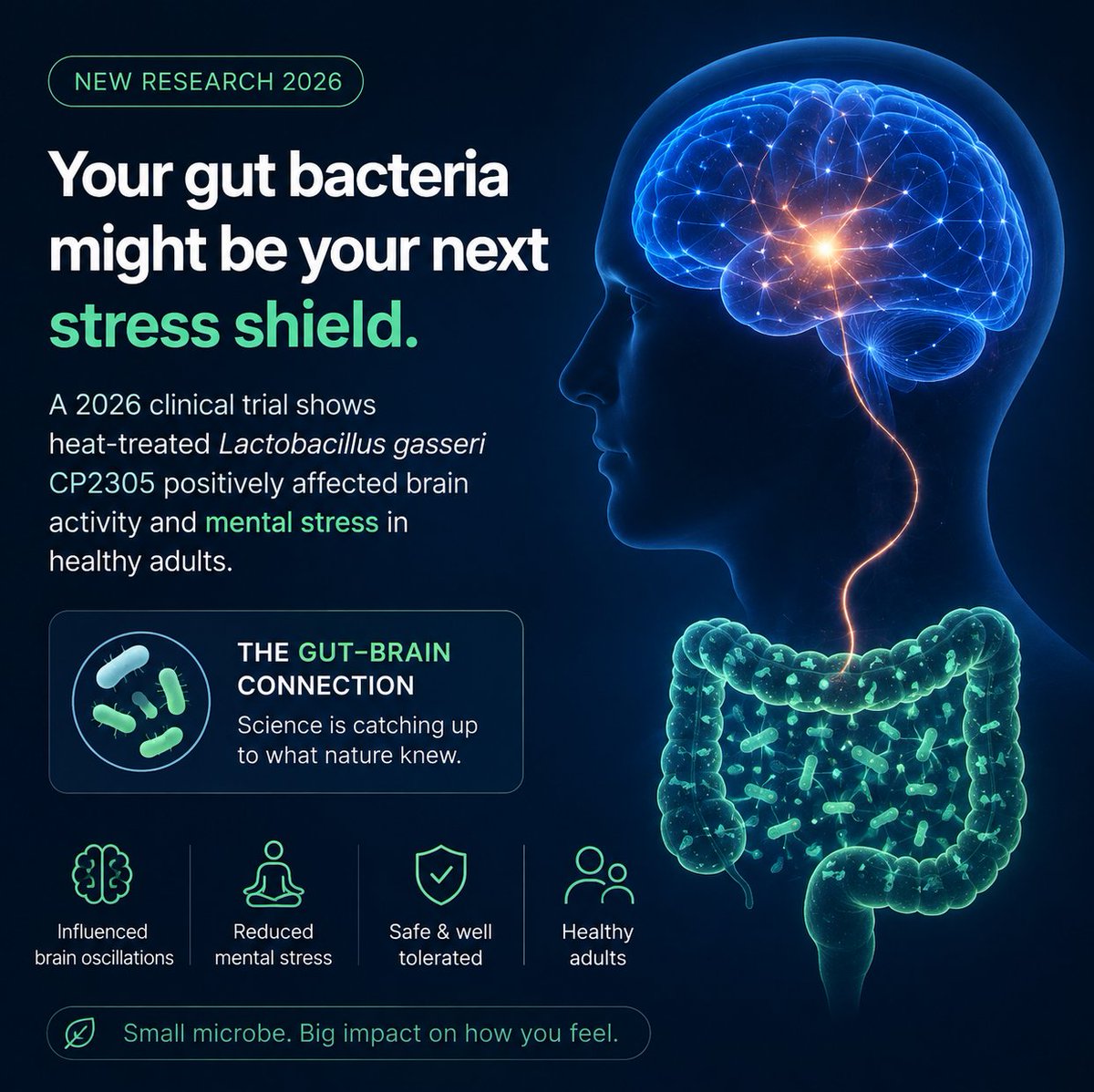
Mental stress isn’t always “in your head.”
A 2026 trial found that heat-treated Lactobacillus gasseri CP2305 influenced brain activity and mental stress in healthy adults.
The gut–brain link is getting harder to ignore.
🔗https://t.co/241vOSTSYZ
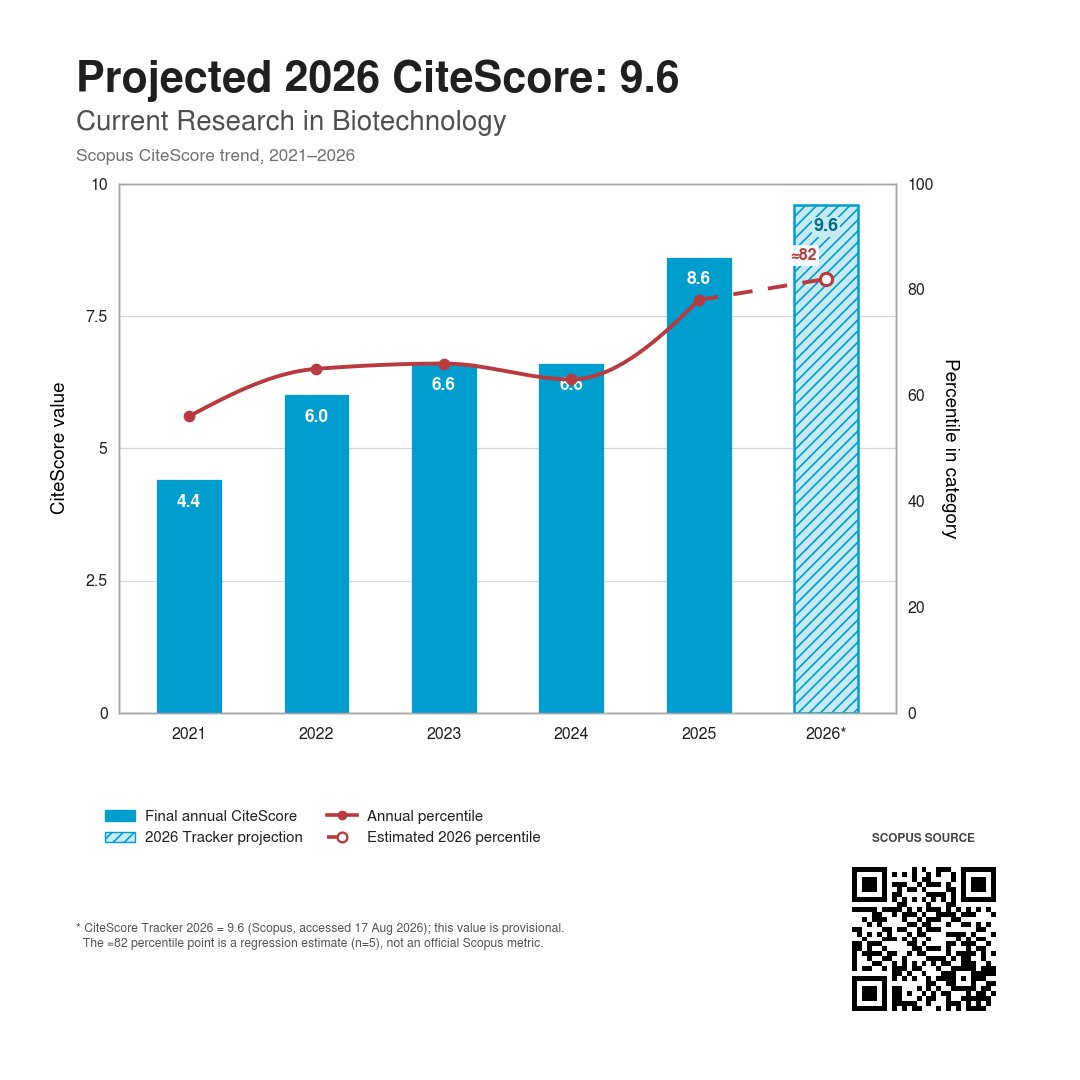
From 4.4 in 2021 to 8.6 in 2025: Current Research in Biotechnology’s CiteScore has nearly doubled. The 2026 CiteScore Tracker now stands at 9.6—but it is not yet final. Explore the Scopus profile: https://t.co/HTlbLhpaRc #Biotechnology#CiteScore
🧠 Your brain has a digital footprint.
Fear, anxiety, and worry leave traces too.
A study of 390,000 X posts reveals what sits behind negative brain-health conversations—and how they spread.
🔗https://t.co/A2D9sHVGA6
🌐#BrainHealth#Neuroscience#DigitalHealth
−120°C. That’s not a cold shower.
At temperatures this extreme, the body shows measurable changes in muscle recovery and physical performance.
Cryotherapy just got scientifically interesting.
🔗https://t.co/9VhR0cfeo0
#Cryotherapy#SportsScience#Recovery