Chrononutrition, Dietary Patterns, and Sleep: A Narrative Review of Current Evidence and Practical Implications
▶️ Sleep & nutrition are closely interconnected through behavioral, metabolic, & circadian pathways.
▶️ Insufficient sleep can alter dietary intake, energy balance, glucose regulation, & adiposity, highlighting the bidirectional nature of these relationships.
▶️ This narrative review synthesizes current evidence on nutrients, foods, dietary patterns, chrononutrition, caffeine & alcohol in relation to sleep, while also considering the effects of insufficient sleep on dietary intake & metabolic health.
https://t.co/M0b6QDkL0R @DHPSP
Yerba mate (Ilex paraguariensis St. Hill.)-based beverages: How successive extraction influences the extract composition and its capacity to chelate iron and scavenge free radicals
🧉 This study provides evidence that the extract antioxidant and iron chelation activities are maintained throughout consumption, as even a later mate (supposedly very dilute) has a sufficient antioxidant potential that is very similar to the first mate.
https://t.co/GznQzH7DT1 #Yerbamate
@Mangan150@_INPST
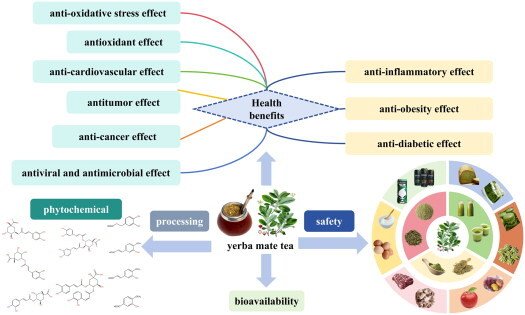
#Yerbamate : a critical review on its phytochemicals, health benefits, safety, & food industry applications
🧉 YM contains a variety of bioactive compounds, including polyphenols, methylxanthines, saponins, & flavonoids.
🧉 Health benefits of YM: anti-inflammatory, antioxidant, anti-obesity, & cardioprotective properties, along with potential prebiotic effects.
https://t.co/Jlx8JtUeto @_INPST@nuclearball
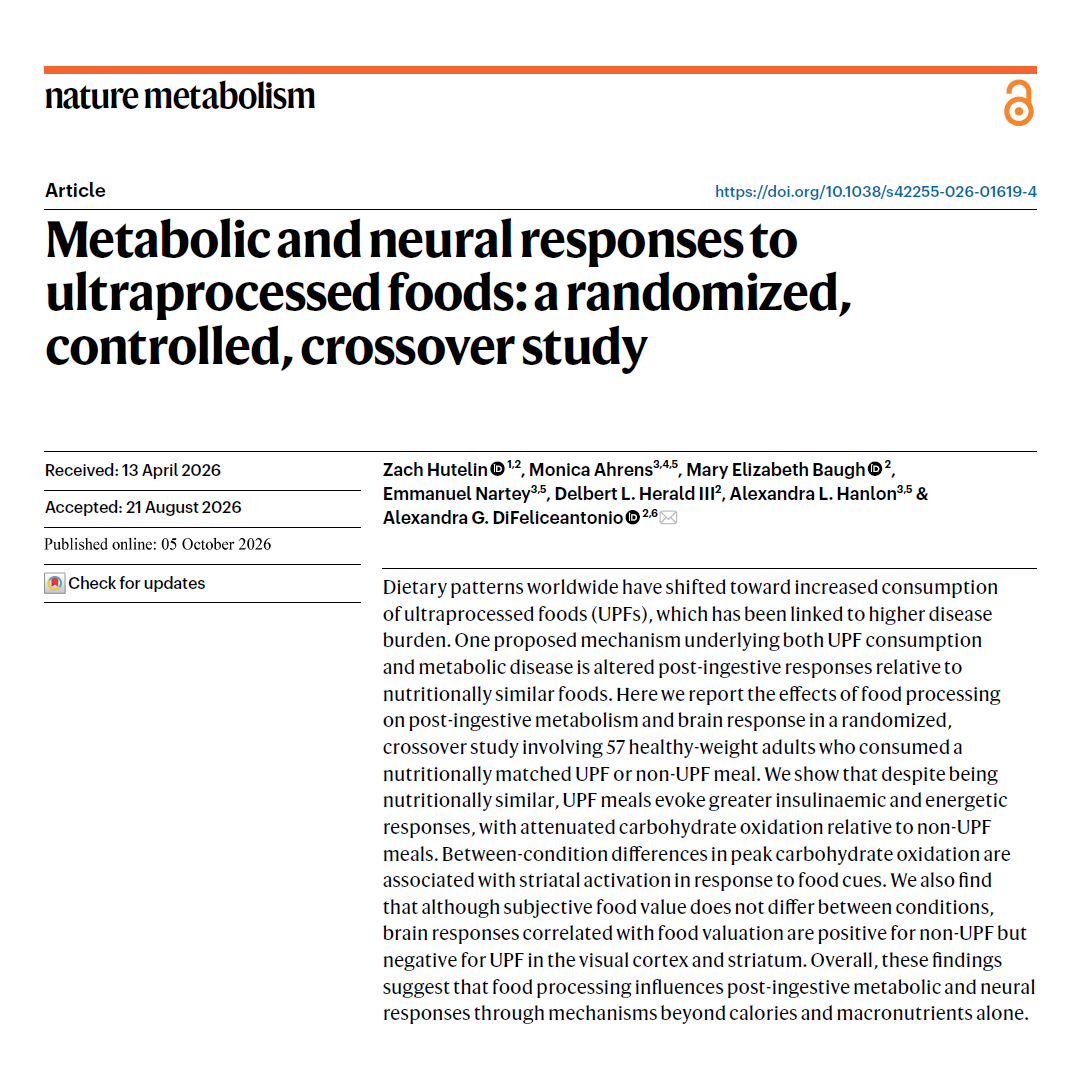
Temporal Eating Patterns & Colorectal Cancer: A Systematic Review
▶️ A short interval between the last meal and bedtime increases the risk of CRC, likely due to factors like circadian rhythm disruption, oxidative stress, & inflammation.
https://t.co/zxO4FzMqjN @DHPSP@DrRPalmquist
Molecular interaction of green tea catechins (EGCG & ECG) w/apo-transferrin (apo-TRF)
🫖 The consumption of green tea (GT) helps to reduce the risk of different types of cancer.
🫖 GT catechins demonstrate exceptional antioxidant capacity.
▶️ Apotransferrin (apo-TRF) is the abundant serum protein responsible for transporting iron ions.
▶️ The results indicate that both catechins spontaneously bind to the iron-binding site of apo-TRF
https://t.co/BR9PHY18R2 @_INPST
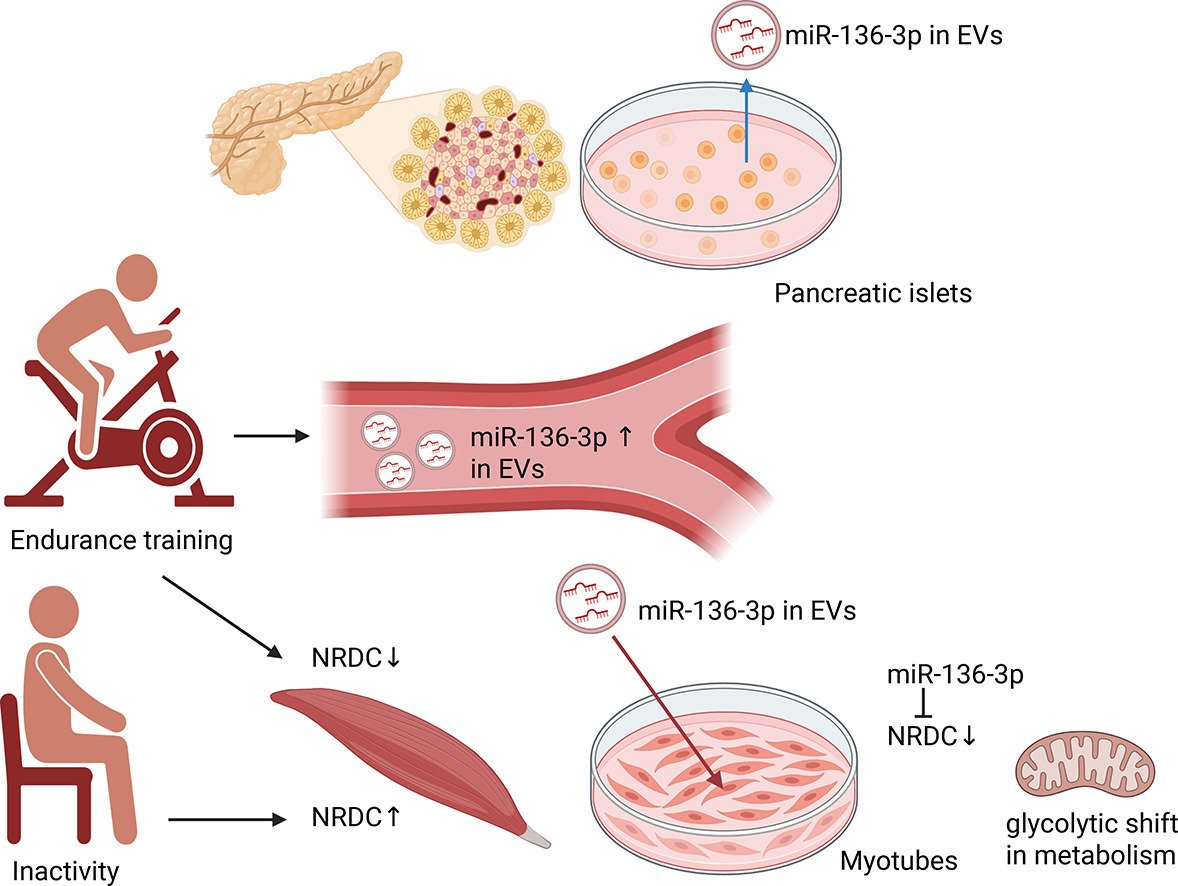
Exercise training-induced extracellular miR-136-3p modulates glucose uptake & myogenesis through targeting of NRDC in human skeletal muscle
🏋♂️ Resistance training can increase specific miRNAs in serum/plasma extracellular vesicles (miR-136-3p).
🏋♂️ This miRNA enhances glucose uptake in human myotubes, induces a shift toward glycolytic metabolism, & modulates myogenesis, suggesting a role in pancreas-muscle communication & beneficial exercise adaptations.
https://t.co/w5NKfJR0Ey @DrGrimaldesJ@Mangan150@DHPSP@DrRPalmquist@nuclearball
A systematic review of honey properties from antioxidant, anti-inflammatory, antidiabetic activities to cosmetic application & clinical trials
🍯 Current research indicates that honey’s benefits are linked to its antioxidant pathways driven by
flavonoids & phenolic acids, its anti‑inflammatory modulation of iNOS, COX‑2, &
cytokines, & its metabolic effects related to insulin sensitivity & low glycemic index, supporting its potential role in disease management.
https://t.co/APc9rbrQ9r @_INPST@nuclearball@LoriShemek@Mangan150@P1231032850@Dani21422k@_atanas_@DrGrimaldesJ@DrRPalmquist
Mechanisms of Honey’s Biological Activities.
The figure shows how honey’s bioactive compounds enhance
antioxidant responses & modulate oxidative stress, thereby influencing other biological pathways, including
antidiabetic, anti-inflammatory & cosmetic effects.
Allicin is a potential hypolipidemic and antiatherogenic agent: Mechanisms of action and implicated signaling pathways
🧄 Allicin, an organosulfur compound derived from garlic, has been extensively studied for its cardiovascular benefits.
🧄 Numerous reports highlight its lipid-lowering, antioxidant, & anti-atherogenic properties.
🧄 Studies demonstrating the ability of allicin to scavenge reactive oxygen species, prevent LDL oxidation, modulate thiol-dependent redox enzymes, and enhance endogenous antioxidant systems are outlined.
https://t.co/sFVozWrfsA @_INPST
Respiratory viral infections prime accelerated lung cancer growth
▶️ There is a causal link between prior viral pneumonia & lung tumorigenesis, underscoring the need for enhanced surveillance & targeted interventions to reduce post-COVID cancer risk.
⚠️ Severe COVID-19 is associated w/an increased subsequent risk of lung cancer.
https://t.co/WTbylVTEmd
@DHPSP@DrRPalmquist@DrGrimaldesJ@nuclearball@Dani21422k@P1231032850
Inverse association between yerba mate consumption and idiopathic Parkinson's disease. A case–control study
Highlights
▶️ Yerba mate (YM) is widely consumed in Argentina and other South American countries.
▶️ Bioactive compounds include xanthines, phenolics, theobromine and caffeine.
▶️ YM consumption and PD showed an inverse association (OR: 0.63, 95% CI: 0.52–0.76).
▶️ The possible protective role of YM could be attributed to antagonism A2A receptor.
https://t.co/JPbRtZ4c1Z @_INPST #yerbamate
Scaffolds and Artificial Augmentations for Tendon Repair
▶️ Tendon injuries are common musculoskeletal disorders that represent a significant clinical challenge due to the limited regenerative capacity of tendon tissue.
▶️ These emerging approaches offer promising alternatives & adjuncts to conventional treatments, with the potential to improve tendon healing & functional recovery.
https://t.co/KpFjQyJpOB @DHPSP
Tendon organization. The tendon tissue is composed of collagen fascicles, which in turn are composed of collagen fibers, made from collagen fibrils. The endotenon, a connective tissue layer, separates individual fascicles and contains blood vessels and nerves. Surrounding the tendon is the epitenon, and in some tendons, an additional paratenon layer of loose connective tissue facilitates gliding between the tendon and surrounding tissues. In other tendons or anatomical regions, a distinct synovial tendon sheath may be present.
Beyond Traditional Screening: The Potential Role of Lipoprotein(a), NT-proBNP, and FIB-4 in Insurance Risk Assessment
▶️ Lp(a), NT-proBNP, and FIB-4 are three biomarkers that can improve the assessment of a patient's cardiometabolic risk.
▶️ Their practical value emerges when they are integrated w/age, medical & family history, conventional risk factors, comorbidities, & other clinical findings.
— Lp(a): reflects lifelong genetic risk for atherosclerotic cardiovascular disease and calcific aortic stenosis.
— NT-proBNP: a marker of myocardial stress that can identify unrecognized cardiac vulnerability and predict heart failure, cardiovascular events, and mortality.
—FIB-4: a cost-effective, non-invasive score (based on age, aminotransferases, & platelet count) that indicates the risk of advanced liver fibrosis & adverse cardiometabolic outcomes.
https://t.co/V4yuatOIfb
@SABOURETCardio@DHPSP
Metabolic immune checkpoints (MICs) in cancer: from molecular mechanisms to challenges and opportunities in clinical translation
▶️ This review provides an integrative framework that connects tumor metabolism with immune evasion, opening more precise pathways to overcome resistance to immunotherapy and design new generation combination therapies.
https://t.co/gxp5wMXT50
Can MASLD affect more than the liver?
This review explores the liver–muscle–bone axis, highlighting links between MASLD, sarcopenia, and bone vulnerability and the need for integrated care.
https://t.co/I2aTmzU2ab
#MASLD#Sarcopenia#BoneHealth#Metabolism#MTOD
Healthy diet with less sugar is linked to younger biological age
▶️ The study is one of the first to show a link between added sugar & epigenetic aging, and the first to examine this link in a heterogenous group of women – both Black & white – in midlife. Most studies on the topic have involved older white participants.
https://t.co/p6NhqB07Qz @DHPSP
Is obesity a reversible disorder of hippocampal neuroplasticity? A hypothesis linking caloric restriction to restoration of memory function
Highlights:
▶️ Obesity may represent a reversible suppression of hippocampal plasticity.
▶️ Metabolic inflammation may constrain adult neurogenesis in the dentate gyrus.
▶️ Impaired neurogenesis may underlie deficits in pattern separation.
▶️ Pattern separation may serve as a marker of metabolic brain dysfunction.
▶️ Caloric restriction may restore hippocampal function through metabolic reset.
https://t.co/2ljAoMiWuO @DHPSP@Dani21422k@nuclearball
Opposite effects of obesity and caloric restriction on hippocampal plasticity and pattern separation.
▶️ Obesity increases visceral adiposity & metabolic inflammation, leading to insulin resistance, mitochondrial dysfunction, gut-brain & HPA axis alteration, cerebrovascular changes and microglial activation.
▶️ These processes reduce neurotrophic signalling (BDNF) & metabolic gating of hippocampal plasticity, impairing pattern separation.
▶️ In contrast, caloric restriction decreases visceral adiposity, induces metabolic restart & restores homeostasis, which restores neurotrophic signalling & allows the reopening of hippocampal plasticity, favoring pattern separation.