

Top Tweets for #MASLD

Can a diet designed for people and the planet also support liver health? In 107,940 UK Biobank participants followed for a median of 10.5 years, greater adherence to the #PlanetaryHealthDiet 2.0 was associated with lower risk of MASLD. Liver magnetic resonance imaging biomarkers offered complementary evidence, although causality remains unproven.
https://t.co/ZfoEtIllnw
#LiverHealth


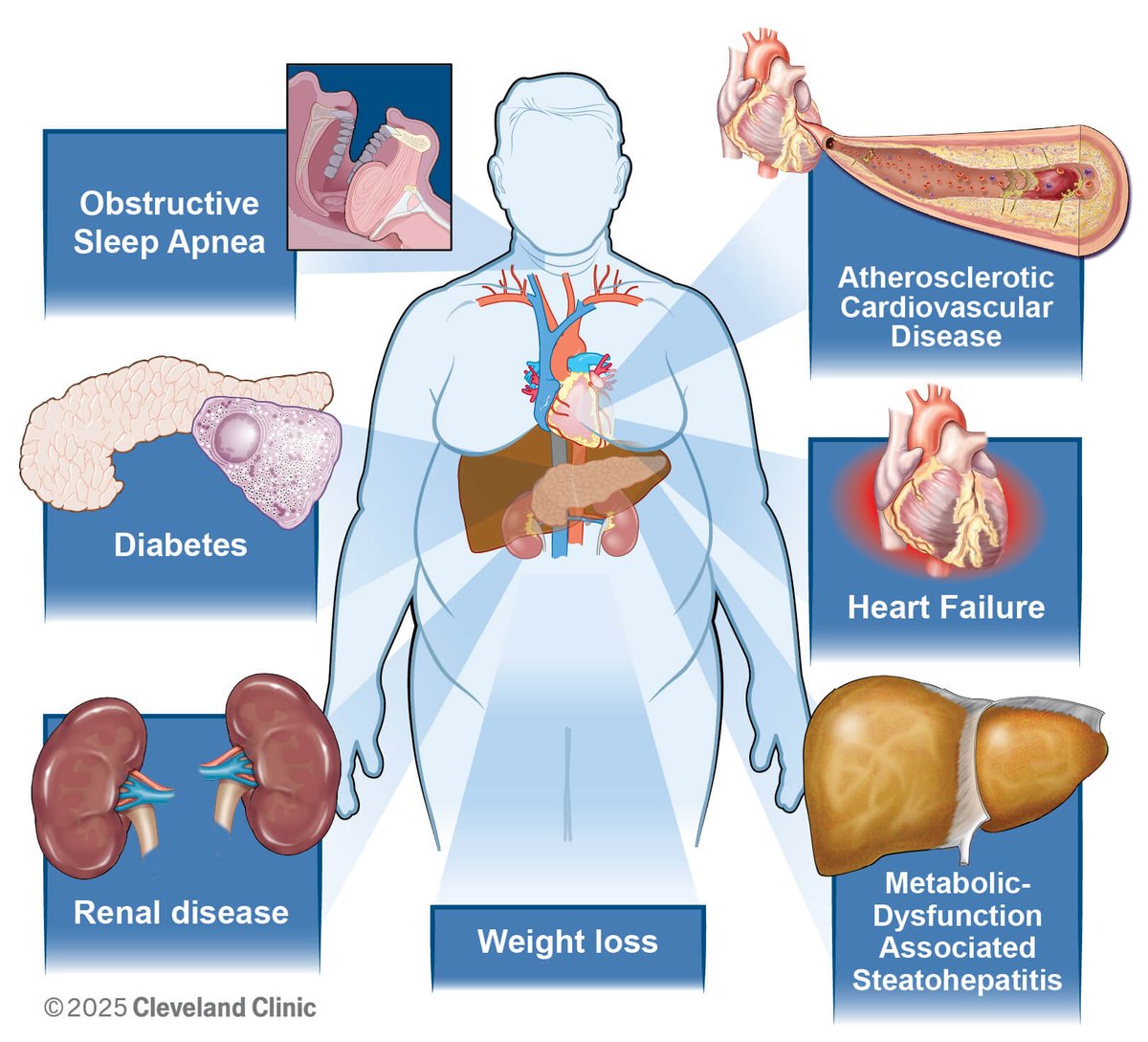
🫀 GLP-1 RAs: beyond diabetes.
1️⃣ Obesity – sustainable weight loss
2️⃣ ASCVD – MACE ↓20% (SELECT)
3️⃣ CKD – renal events ↓24% (FLOW)
4️⃣ MASLD – histologic improvement
5️⃣ OSA – FDA‑approved (tirzepatide)
⚠️ Caution in HFrEF.
https://t.co/SWWcED3hBU
#Obesity #Cardiology


The earlier MASLD starts...
The greater the metabolic consequences may become.
New research suggests that onset age could be a powerful predictor of future diabetes risk.👇
https://t.co/gVpiPdBhkX
MASLD may look similar radiologically, but the biology underneath can be completely different.
This review highlights that:
• Some genetic variants preferentially drive fibrosis/HCC risk
• Others mainly increase metabolic disease burden (T2D/CVD)
• Hepatic steatosis itself may arise through multiple independent pathways
A strong case for future precision-based MASLD classification.
#MASLD #LiverTwitter #Medx


What actually stood out at APASL Istanbul 2026?
Was it MASLD breakthroughs… fibrosis reversal data… or AI entering hepatology?
Here’s what truly matters for clinical practice 👇
https://t.co/gHKHpzpYTl
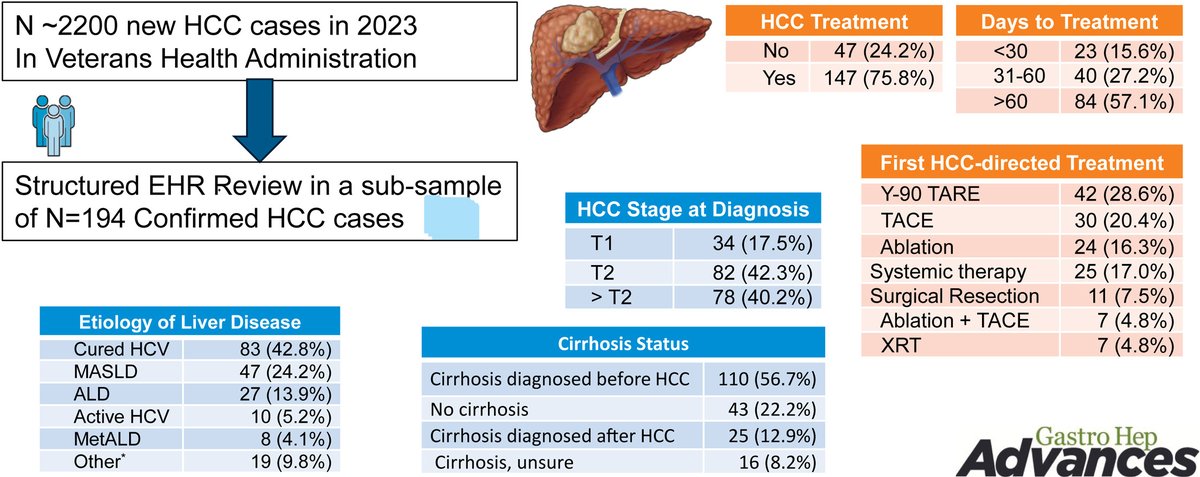
Key message: many HCC cases are still diagnosed late. Regular surveillance in high-risk patients (cirrhosis, MASLD, viral hepatitis) remains critical to detect tumors earlier and enable curative therapy.

This study from the VA shows the stage at diagnosis of hepatocellular carcinoma and most common treatment for it.
🔗 https://t.co/wLf6yR6B2B
🏷️ #FeaturedArticle
Team GastroAGI is sharing key highlights from Canadian Digestive Diseases Week (CDDW 2026)
— one of the important meetings discussing emerging research across the gut microbiome, immunology, and colorectal cancer.
Here are some of the topics now available in our Conference Section:
• Live Bacterial Therapeutics in Colorectal Cancer: A New Frontier in Detection and Therapy
• Early-Life Intestinal Viruses and Lifelong Gut Health
• How helminths modulate immunity relevant to IBD
• The Gut Mycobiome: Fungal Players in IBD Inflammation
• Diagnostics at the Gut–Liver Interface: The Microbiome’s Role in MASLD Progression
Each topic explores emerging mechanisms shaping future gastroenterology practice — from microbiome-based therapeutics to immune modulation and gut-liver axis biology.
Explore the full updates and stay informed with the latest developments from CDDW 2026.
🔗 Read more:
https://t.co/bcr2qqBsEC
#Gastroenterology #GutMicrobiome #ColorectalCancer #IBD #MedicalEducation
#CDDW2026

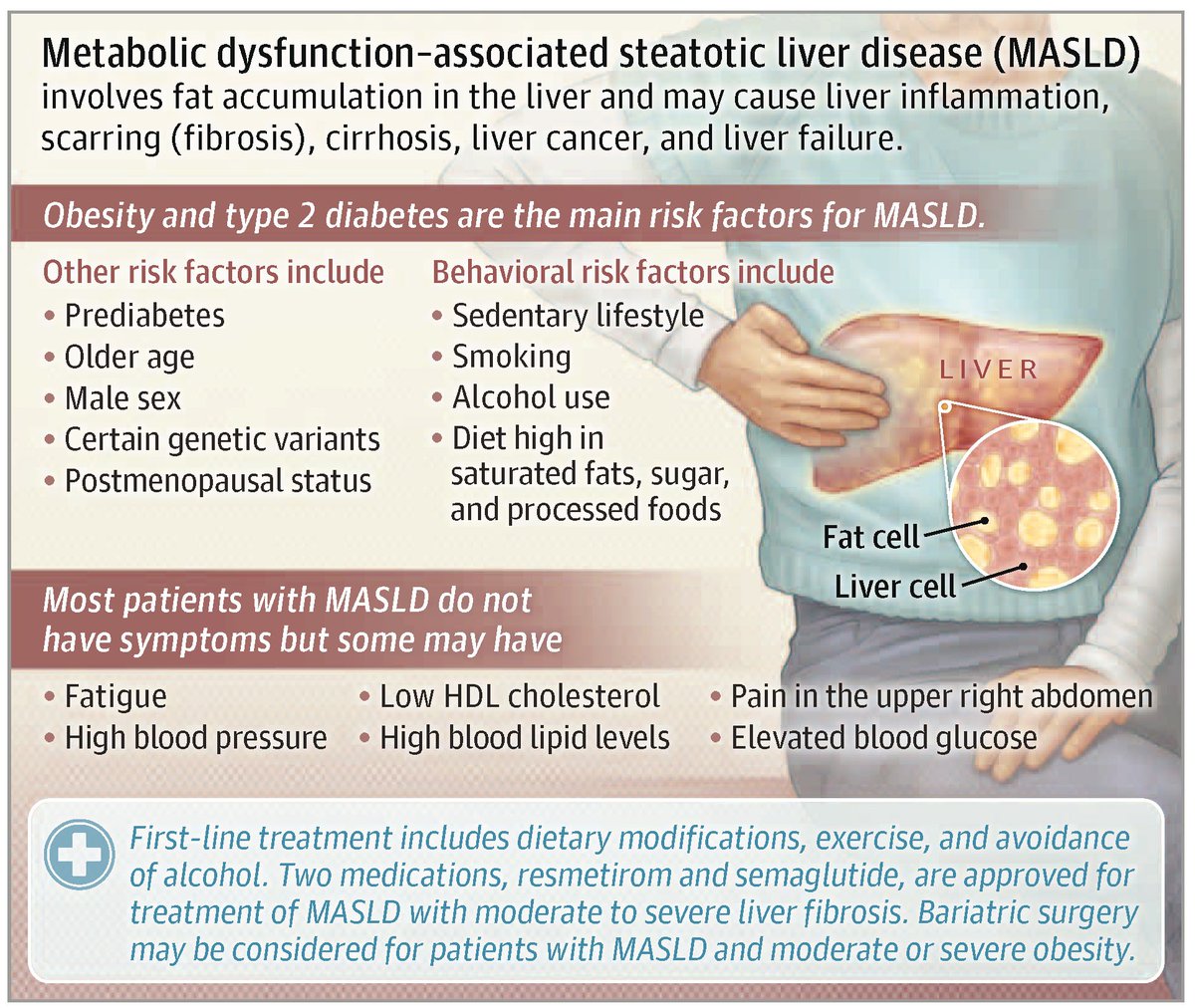
Important reminder. Most MASLD is silent until fibrosis advances. In clinic, early risk stratification and weight reduction remain the cornerstone—pharmacotherapy complements, but lifestyle change drives outcomes.


What this adds up to
Claim: "Fruit is healthy despite sugar because fiber slows absorption."
- Partly supported. Whole fruit vs juice trials show different postprandial glycemia, and added fiber can reduce peak glucose.
Claim: "Fructose is fructose, so fruit sugar has the same effects as added sugar."
- Not supported as a general rule. Isocaloric fructose exchange is mostly neutral in meta-analyses for weight, lipids, and MASLD/NAFLD-related markers, while harm signals show up mainly with excess calories.
Claim: "Dose matters; you would need unrealistic amounts of fruit to cause harm."
- Broadly supported. Excess calories and high-dose beverage sugars (especially SSBs) show the clearest adiposity and diabetes-risk signals. Fruit at lower doses does not show the same adverse pattern in controlled trials.
Claim: "Whole fruit is fine, but fruit juice is as bad as soda."
- Too strong. SSBs look worse than 100% fruit juice for T2D risk per serving. But juice is still not equivalent to whole fruit, and child cohorts show a small BMI gain per extra daily serving.

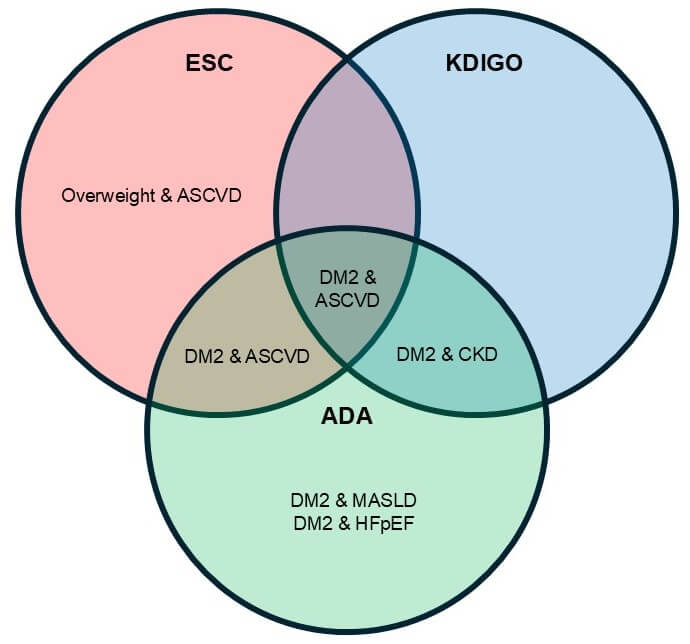
🔍Are GLP-1 receptor agonists only for #diabetes?
A new work by Dr. @tremartyn (@ClevelandClinic) examines the expanding role of GLP-1 RAs in #obesity, #HFpEF, #CKD, and #MASLD—along with ongoing trials and real-world implementation challenges.
https://t.co/Y2mELwl4qf

🧬 Preclinical models illuminate metabolic liver disease
Find More Research: https://t.co/hLRWVvwndf
Metabolic dysfunction-associated steatotic liver disease (MASLD) is rising globally, often progressing to steatohepatitis and hepatocellular carcinoma (HCC). Understanding the underlying mechanisms is crucial for developing therapies.
Here’s what recent preclinical studies reveal 👇
• Pathophysiology: Dysregulated lipid metabolism, insulin resistance, and IL1β-driven hepatic inflammation drive progression from steatosis to fibrosis
• Nutrient impact: High fructose intake worsens liver injury and metabolic stress in murine models
• Therapeutic targets: JNK inhibitors (AIK3a305), GPR31 modulation, and GLP-1 receptor agonists show promise in preventing MASLD progression
• Preclinical models: Liver-specific mouse models allow precise mechanistic insights and translational potential
• HCC insights: Macrophage migration inhibitory factor–CD44 axis promotes EMT and tumor progression, highlighting new intervention points
Why it matters
Integrating nutrient-centric strategies with targeted pharmacological interventions could prevent MASLD progression and reduce HCC risk. Preclinical models remain essential for testing mechanisms and therapies, shaping the next generation of liver disease management.
#LiverDisease #MASLD #Steatohepatitis #HepatocellularCarcinoma #PreclinicalModels #MetabolicHealth


New online! Metabolic dysfunction-associated steatotic liver disease and steatohepatitis-associated hepatocarcinoma preclinical models https://t.co/ct6S5PDAQu


# Recent Advances in Translational Medicine: Unveiling Mechanisms in Cancer, Liver Disease, and Neurological Disorders ## Abstract This synthesis report summarizes key findings from recent publications spanning oncology, hepatology, and neurology, highlighting advances in understanding disease mechanisms and therapeutic strategies. Several studies address challenges in cancer treatment, including improving progression-free survival in triple-negative breast cancer with sacituzumab govitecan plus pembrolizumab [4], the role of the CX3CL1-CX3CR1 axis in the tumor microenvironment [9], HER2 testing methodologies across solid tumors [19], and the identification of lymphoid malignancy and clonality in the POT1-mediated long telomere syndrome [10]. Furthermore, investigations into metabolic dysfunction-associated steatohepatitis (MASH) reveal novel therapeutic targets, such as ACSL3 [17] and the PNPLA3-NACC1-RIPK3 pathway [20], with potential for in vivo CAR T cell therapy [5]. Additionally, a combined in silico and in vivo approach identifies bavisant as a potential therapeutic candidate for multiple sclerosis [7]. Finally, a deep learning model integrating metabolomic data from newborn screening tests offers a novel approach to assess neonatal health risks [8]. These studies collectively underscore the power of translational research in identifying molecular targets, optimizing therapeutic interventions, and ultimately improving patient outcomes across diverse medical disciplines. The report also highlights concerns regarding prostate cancer screening over a 23-year period [2, 3, 14], questions the reliance on graft-versus-host disease-free, relapse-free survival as a primary end point in hematopoietic cell transplantation trials [16], and discusses cerebral folate deficiency in autism [11]. ## Introduction The landscape of biomedical research is continuously evolving, driven by technological advancements and a deeper understanding of disease pathogenesis. This report synthesizes significant findings from recently published articles, focusing on areas of oncology, hepatology, neurology, and neonatology. By examining these studies, we aim to identify emerging trends, dissect critical breakthroughs, and explore potential avenues for clinical translation. The papers analyzed underscore the increasing emphasis on precision medicine, utilizing molecular profiling and advanced computational methods to tailor treatments to individual patients and disease subtypes. Furthermore, they emphasize the importance of understanding complex cellular and molecular interactions within disease microenvironments, such as the tumor microenvironment and the liver parenchyma, to develop more effective therapeutic interventions. The ongoing debate about screening practices and trial endpoints is also addressed. ## Emerging Scientific Trends Several recurrent themes emerge from the analyzed publications. * **Targeting the Tumor Microenvironment (TME):** Papers [4, 5, 9] highlight the importance of modulating the TME for therapeutic benefit. Specifically, [4] presents a successful strategy for treating triple-negative breast cancer by combining sacituzumab govitecan with pembrolizumab, an immunotherapy that reinvigorates T cells within the TME. Paper [9] focuses on the spatiotemporal regulation of the CX3CL1-CX3CR1 axis, a key signaling pathway in the TME that can be harnessed for precision cancer immunotherapy. These studies emphasize the need for interventions that not only target tumor cells directly but also remodel the TME to enhance immune responses and improve treatment efficacy. * **Metabolic Dysfunction and Liver Disease:** Papers [5, 17, 20] focus on the underlying mechanisms and potential therapeutic targets for metabolic dysfunction-associated steatohepatitis (MASH). These studies collectively point towards the critical role of lipotoxicity, inflammation, and specific macrophage populations in driving disease progression. Targeting molecules involved in lipid metabolism, such as ACSL3 [17] and modulating macrophage function through pathways like PNPLA3-NACC1-RIPK3 [20], represent promising therapeutic strategies for this prevalent liver disease. In vivo CAR T cell therapy targeting FAP expressing cells also showed promise in reducing liver fibrosis [5]. * **Multi-Omics Approaches for Disease Characterization:** Papers [6, 8, 19] leverage multi-omics data to gain a comprehensive understanding of disease mechanisms and improve diagnostic accuracy. For example, [6] utilizes single-nucleus multiome sequencing and spatial profiling to identify lineage-specific blocks in differentiation within liposarcoma. Paper [8] uses a deep learning model that incorporates metabolomic data from newborn screening tests to stratify preterm infants at risk for adverse outcomes. Paper [19] compares HER2 protein overexpression, mRNA expression, and DNA amplification across solid tumors using next-generation sequencing-based assays. These studies demonstrate the power of integrating genomic, transcriptomic, proteomic, and metabolomic data to unravel disease complexity and identify novel biomarkers. * **Repurposing Existing Drugs:** Paper [7] highlights the potential of drug repurposing as a strategy for accelerating therapeutic development. By combining in silico screening with in vivo validation, the study identifies bavisant, a histamine receptor H3 antagonist, as a potential therapeutic candidate for multiple sclerosis. Repurposing existing drugs can significantly reduce the time and cost associated with developing new therapies, making it an attractive approach for addressing unmet medical needs. * **The ongoing evaluation of screening programs and treatment endpoints:** Several papers highlight the need for constant re-evaluation of existing medical practices. [2, 3, 14] discuss a 23-year follow-up study on European prostate cancer screening, while [16] questions whether graft-versus-host disease-free, relapse-free survival is the best primary endpoint for clinical trials of hematopoietic cell transplantation. These articles exemplify the iterative nature of science and the importance of revisiting previously held assumptions in light of new evidence. ## In-Depth Analysis of Critical Breakthroughs 1. **Sacituzumab Govitecan plus Pembrolizumab for Advanced Triple-Negative Breast Cancer [4]:** This phase 3 clinical trial investigated the efficacy of sacituzumab govitecan, an antibody-drug conjugate targeting Trop-2, in combination with pembrolizumab, an anti-PD-1 immune checkpoint inhibitor, for patients with previously untreated, PD-L1-positive, advanced triple-negative breast cancer. The study demonstrated a significant improvement in progression-free survival with the combination therapy compared to chemotherapy plus pembrolizumab (11.2 months vs. 7.8 months; hazard ratio, 0.65; P < 0.001). While overall survival data were immature, the objective response rate and duration of response were also higher in the sacituzumab govitecan plus pembrolizumab group. This study represents a significant advance in the treatment of triple-negative breast cancer, an aggressive subtype with limited treatment options. The observed synergy between an antibody-drug conjugate targeting tumor cells and an immune checkpoint inhibitor reinvigorating the immune system offers a promising strategy for improving patient outcomes. A potential limitation is the immaturity of the overall survival data, which will be crucial for confirming the long-term benefit of this combination therapy. Further studies are needed to identify biomarkers that predict response to this treatment and to optimize the sequencing of therapies for patients with triple-negative breast cancer. 2. **Anti-FAP CAR T cells produced in vivo reduce fibrosis and restore liver homeostasis in metabolic dysfunction-associated steatohepatitis [5]:** This study explored the antifibrotic potential of in vivo-generated anti-FAP CAR T cells in metabolic dysfunction-associated steatohepatitis (MASH). The study showed that transiently generated anti-FAP CAR T cells substantially reduced fibrosis by depleting profibrogenic hepatic stellate cells (HSCs) in a murine model of MASH. They also modulated immune cells, endothelial cells, and hepatocytes in a non-cell autonomous manner to mitigate inflammation and restore hepatic homeostasis. This suggests that in vivo CAR T therapy could attenuate this liver disease, not only by directly reducing fibrosis but also through indirect effects on other cell types. This approach bypasses the need for ex vivo CAR T cell manufacturing, potentially reducing costs and improving accessibility. However, the long-term safety and efficacy of this approach need to be carefully evaluated in clinical trials. Furthermore, understanding the mechanisms by which these CAR T cells modulate other cell types in the liver is crucial for optimizing this therapy. 3. **In silico screening and preclinical validation identify bavisant as a therapeutic candidate for multiple sclerosis [7]:** This study describes a systematic approach to drug repurposing for multiple sclerosis (MS) treatment. Through in silico screening of over 1500 compounds, followed by in vitro and in vivo validation, the study identified bavisant, a histamine receptor H3 antagonist, as a potential therapeutic candidate for MS. Bavisant promoted remyelination and neuroprotection in mouse models of demyelination and axonal injury, suggesting its potential to delay the neurodegenerative process in MS. The strength of this study lies in its rigorous validation pipeline, encompassing both rodent and human in vitro assays, as well as multiple mouse models that recapitulate key pathological features of MS. While these preclinical findings are promising, clinical trials are needed to confirm the efficacy and safety of bavisant in patients with MS. Furthermore, understanding the precise mechanisms by which bavisant promotes remyelination and neuroprotection could lead to the development of even more effective therapies. 4. **Genome-wide CRISPR screen identifies ACSL3 as a regulator of lipotoxicity and progression of MASLD [17]:** This study employed a genome-wide CRISPR-Cas9 loss-of-function screen to identify regulators of palmitate-induced lipotoxicity in hepatocytes. The screen identified ACSL3, a long-chain fatty acid CoA ligase, as a novel determinant of hepatocyte survival under lipotoxic stress. Genetic deletion or pharmacological inhibition of ACSL3 rendered hepatocytes resistant to palmitate-induced apoptosis and endoplasmic reticulum stress. Hepatic ACSL3 expression positively correlated with histological severity and aminotransferase levels in human MASLD. These data suggest that ACSL3 is a central regulator of lipotoxic hepatocyte injury and MASLD progression. The strength of this study lies in its use of a powerful genetic screening approach to identify a previously unrecognized regulator of lipotoxicity. Targeting ACSL3 may represent a promising therapeutic strategy for preventing or slowing the progression of MASLD. Future studies should focus on developing selective ACSL3 inhibitors and evaluating their efficacy and safety in preclinical models and clinical trials. 5. **Marking Techniques for Target Lymph Nodes in Node-Positive Breast Cancer Treated With Neoadjuvant Therapy in the AXSANA/EUBREAST-03/AGO-B-053 Study [18]:** This prospective study evaluated different marking methods for target lymph nodes (TLN) in patients with node-positive breast cancer who converted to clinical node negativity through neoadjuvant chemotherapy (NACT). The study found that probe-guided detection markers (radioactive seed, magnetic seed, radar marker, RFID) used to mark metastatic nodes before NACT provided superior detection rates compared to other methods, such as clips or carbon ink. This large, multicenter study provides valuable insights into optimizing surgical axillary staging in patients with breast cancer who have undergone NACT. The findings suggest that using probe-guided detection markers can improve the accuracy of TLN identification and removal, potentially reducing the need for more extensive axillary dissection and minimizing complications. However, further research is needed to determine the optimal timing and technique for TLN marking, as well as the long-term impact of these different marking methods on patient outcomes. ## Future Directions & Clinical Translation The research summarized in this report paves the way for numerous future studies and therapeutic interventions. * **Personalized Cancer Immunotherapy:** Further research is needed to identify predictive biomarkers for response to sacituzumab govitecan plus pembrolizumab in triple-negative breast cancer and to develop strategies for overcoming resistance to immune checkpoint inhibitors. Precision cancer immunotherapy, guided by comprehensive molecular profiling of both the tumor and the immune microenvironment, holds immense promise for improving patient outcomes. * **Targeted Therapies for Liver Disease:** The identification of ACSL3 and the PNPLA3-NACC1-RIPK3 pathway as key regulators of lipotoxicity and inflammation in MASH opens up new avenues for therapeutic intervention. Developing selective inhibitors of these targets and evaluating their efficacy in preclinical models and clinical trials could lead to new treatments for this prevalent liver disease. * **Neuroprotective Strategies for Multiple Sclerosis:** Clinical trials are needed to confirm the efficacy and safety of bavisant in patients with MS. Furthermore, understanding the mechanisms by which bavisant promotes remyelination and neuroprotection could lead to the development of even more effective therapies. * **Metabolic Health Index for Neonatal Care:** Validating the metabolic health index in larger, more diverse cohorts of preterm infants and integrating it into clinical decision-making could improve the early identification of at-risk newborns and facilitate timely intervention. ## Conclusion This synthesis report highlights significant advances in translational medicine across various disciplines. The studies analyzed demonstrate the power of multi-omics approaches, targeted therapies, and drug repurposing strategies to address unmet medical needs. By elucidating disease mechanisms, identifying novel therapeutic targets, and optimizing existing treatment strategies, these findings contribute to the ongoing effort to improve patient outcomes and advance the field of medicine. Continued research and clinical translation of these findings hold immense promise for improving the lives of patients with cancer, liver disease, neurological disorders, and other complex medical conditions. The constant re-evaluation of current medical practices and trial designs, as demonstrated in several of the included articles, is essential for improving health outcomes. ## References 1. Medical Imaging and Hematologic Cancer Risk among Children and Teens. *The New England journal of medicine*, DOI: 10.1056/NEJMc2515877 2. European Study of Prostate Cancer Screening - 23-Year Follow-up. *The New England journal of medicine*, DOI: 10.1056/NEJMc2517122 3. European Study of Prostate Cancer Screening - 23-Year Follow-up. *The New England journal of medicine*, DOI: 10.1056/NEJMc2517122 4. Sacituzumab Govitecan plus Pembrolizumab for Advanced Triple-Negative Breast Cancer. *The New England journal of medicine*, DOI: 10.1056/NEJMoa2508959 5. Anti-FAP CAR T cells produced in vivo reduce fibrosis and restore liver homeostasis in metabolic dysfunction-associated steatohepatitis. *Science translational medicine*, DOI: 10.1126/scitranslmed.adx0368 6. Epigenetic dysregulation of metabolic programs mediates liposarcoma cell plasticity. *Science translational medicine*, DOI: 10.1126/scitranslmed.adw4689 7. In silico screening and preclinical validation identify bavisant as a therapeutic candidate for multiple sclerosis. *Science translational medicine*, DOI: 10.1126/scitranslmed.ads0633 8. Quantitative assessment of neonatal health using dried blood spot metabolite profiles and deep learning. *Science translational medicine*, DOI: 10.1126/scitranslmed.adv4942 9. Spatiotemporal dynamic regulation of the CX3CL1-CX3CR1 axis: A double-edged sword in the tumor immune microenvironment and new strategies for precision therapy. *Cytokine & growth factor reviews*, DOI: 10.1016/j.cytogfr.2026.01.006 10. Lymphoid malignancy and clonality in the POT1-mediated long telomere syndrome. *Blood*, DOI: 10.1182/blood.2025031287 11. Cerebral Folate Deficiency, Autism, and the Role of Leucovorin. *The New England journal of medicine*, DOI: 10.1056/NEJMp2516268 12. Medical Imaging and Hematologic Cancer Risk among Children and Teens. *The New England journal of medicine*, DOI: 10.1056/NEJMc2515877 13. Medical Imaging and Hematologic Cancer Risk among Children and Teens. *The New England journal of medicine*, DOI: 10.1056/NEJMc2515877 14. European Study of Prostate Cancer Screening - 23-Year Follow-up. Reply. *The New England journal of medicine*, DOI: 10.1056/NEJMc2517122 15. Physiologic Pacing in Heart Failure. *The New England journal of medicine*, DOI: 10.1056/NEJMra2415650 16. Is It Time to Move Beyond Graft-Versus-Host Disease-Free, Relapse-Free Survival as a Primary End Point in Clinical Trials for Hematopoietic Cell Transplantation? *Journal of clinical oncology : official journal of the American Society of Clinical Oncology*, DOI: 10.1200/JCO-25-02130 17. Genome-wide CRISPR screen identifies ACSL3 as a regulator of lipotoxicity and progression of MASLD. *Hepatology communications*, DOI: 10.1097/HC9.0000000000000884 18. Marking Techniques for Target Lymph Nodes in Node-Positive Breast Cancer Treated With Neoadjuvant Therapy in the AXSANA/EUBREAST-03/AGO-B-053 Study. *Journal of clinical oncology : official journal of the American Society of Clinical Oncology*, DOI: 10.1200/JCO-25-01921 19. HER2 Protein Overexpression, mRNA Expression, and DNA Amplification Across Solid Tumors: Comparison of Next-Generation Sequencing-Based Assays With Immunohistochemistry. *JCO precision oncology*, DOI: 10.1200/PO-25-00413 20. A PNPLA3-NACC1-RIPK3 pathway mediates macrophage necroptosis and inflammation in MASLD. *Hepatology communications*, DOI: 10.1097/HC9.0000000000000890

📑 The latest work from Temple University @TempleUniv and University of Campania "Luigi Vanvitelli" @unicampania by Assoc. Prof. Vincenzo Russo and his team is now featured in RCM!
Welcome to read this article 👉: https://t.co/kcYcIEPz0O
Article Highlights
💡 How does the coexistence of type 2 diabetes (T2D), metabolic dysfunction-associated steatotic liver disease (MASLD), and cardiovascular disease (CVD) affect vascular aging and long-term outcomes?
This review explores the intertwined impact of insulin resistance, inflammation, oxidative stress, and endothelial dysfunction, highlighting under-recognized factors such as gut-derived metabolites and adipose dysfunction.
✒️ Author: Alfredo Caturano, Davide Nilo, Giovanni Di Lorenzo, Maria Rocco, Giuseppina Tagliaferri, Alessia Piacevole, Mariarosaria Donnarumma, Ilaria Iadicicco, Simona Maria Moretto, Carlo Acierno, Celestino Sardu, Vincenzo Russo, Marco Alfonso Perrone, Erica Vetrano, Raffaele Galiero, Raffaele Marfella, Leonilde Bonfrate, Luca Rinaldi, Caterina Conte, Ferdinando Carlo Sasso
🏪 Affiliation: Temple University @TempleUniv ; University of Campania "Luigi Vanvitelli" @unicampania; San Raffaele Roma University; Azienda Ospedaliera Regionale San Carlo; University of Rome Tor Vergata @UTORV; Università degli Studi del Molise; IRCCS MultiMedica
📖 Don’t miss this citable reference for your future research!
Citation format: Caturano, Alfredo, et al. "Cardiovascular Health in the Shadow of Diabetes and Metabolic Dysfunction-Associated Steatotic Liver Disease: An Emerging Paradigm." Reviews in Cardiovascular Medicine 26.11 (2025): 43143.
Welcome to submit your work via our submission link👉: https://t.co/t3hP2jZTf9
RCM welcomes review papers, research articles and other types of research in both cardiovascular medicine and cardiovascular disease.
📖 Click here for author guidelines: https://t.co/tKLwCKyDww
#CardiovascularMedicine #Diabetes #MASLD #CVD #OxidativeStress #PatientCare #IntegratedCare


معايير السكري 2026: ما الذي تغيّر فعليًا عن 2025؟
I. الأهداف العلاجية وتنظيم HbA1c
حافظت معايير 2026 على الهدف العام بقيمة HbA1c أقل من 7%، كما في 2025، لكنها شددت في 2026 على ضرورة ربط الهدف بمؤشرات أكثر دقة مثل Time-in-Range، إلى جانب دمج الحالة القلبية والكلوية والكبدية ضمن القرار العلاجي منذ البداية. بينما كانت توصيات 2025 تركز على التحكم الرقمي بالسكر، انتقلت 2026 إلى التحكم الموجّه بوظائف الأعضاء، وهو تحول في فلسفة العلاج.
II. موقع الميتفورمين ودور أدوية PI3K
في 2025 كان الميتفورمين العلاج الأول في النوع الثاني، وفي 2026 بقي كذلك، لكن تم توسيع دوره الوقائي وربطه بشكل أوضح بالحالات التي تتناول أدوية محفزة لفرط السكر، خصوصًا مثبطات PI3K التي أُدرجت بوضوح لأول مرة ضمن الخريطة العلاجية. وتم تحديد أدوية Idelalisib وCopanlisib وDuvelisib وAlpelisib وUmbralisib كأمثلة مع توضيح أن Alpelisib الأكثر تسببًا بارتفاع الجلوكوز؛ إضافة لم تكن موجودة في 2025.
III. أمراض القلب والكلى والسمنة: إعادة صياغة الأولوية العلاجية
في 2025 كان استخدام SGLT2 أو GLP-1 أو GIP-GLP-1 موصى به عند وجود خطر قلبي أو كلوي، أما في 2026 فأصبح وجود أي مرض قلبي أو كلوي أو سمنة عالية سببًا كافيًا لبدء هذه العلاجات مباشرة حتى إذا كان HbA1c في النطاق. هذا يعكس انتقال 2026 من “دواء يخفض السكر” إلى “دواء يحمي القلب والكلى والوزن”، وهو تغيير جوهري في مفهوم البداية العلاجية. الأرقام التي دعمت هذا التحول بقيت ثابتة: خفض دخول المستشفى بنسبة 30–35% في قصور القلب، تباطؤ تدهور الكلى بنسبة 40%، وتقليل أحداث القلب الكبرى بنسبة 14–20%.
IV. منبهات GLP-1 وGIP-GLP-1: توسّع في الدور العلاجي
في 2025 كان التركيز على خفض HbA1c والوزن، أما 2026 فوسّع نطاق الاستخدام وربطه بوضوح بمعالجة MASLD وMASH ضمن خريطة رسمية. أصبحت هذه الفئات عنصرًا محوريًا في علاج الكبد الدهني إلى جانب تأثيرها في الوزن والسكر، وهو جانب لم يكن محددًا بوضوح في 2025. وتستمر هذه الفئات في تقديم نتائج ثابتة تشمل خفض HbA1c بمقدار 1–2% وخفض الوزن 12–20% وتحسين دهون الكبد.
V. مثبطات SGLT2: ترسيخ مكانة أقوى
كانت توصيات 2025 تدعم استخدام SGLT2 لحماية القلب والكلى، لكن 2026 أدرجت دعمًا أوسع ودمجت توصيات الجمعية الوطنية للكلى، ما رفع قوة التوصية. وأصبح SGLT2 عنصرًا “أساسيًا” عند وجود مرض كلى أو قصور قلب وليس مجرد خيار مفضّل كما في 2025. الأرقام نفسها بقيت أساس القرار: خفض قصور القلب 30–35% وإبطاء تدهور الكلى بنسبة 40%.
VI. الإنسولين: إعادة تموضع
في 2025 كان الإنسولين يستخدم بعد فشل العلاجات المتدرجة، أما في 2026 فقد تم تحديد موقعه بدقة أكبر: لا يبدأ الإنسولين إلا بعد استنفاد خيارات GLP-1 وGIP-GLP-1 وSGLT2، إلا عند وجود ارتفاع شديد أو أعراض catabolic state. وفي النوع الأول، أصبحت أنظمة AID والقياس المستمر معتمدة منذ التشخيص، توضيح لم يكن بنفس الحسم في 2025.
VII. التكنولوجيا والقياس المستمر: نقلة في المعيارية
في 2025 كان استخدام CGM واسعًا، لكنه في 2026 أصبح جزءًا رئيسيًا من الرعاية في كل مرحلة تقريبًا، مع اعتماد Time-in-Range كعامل أساسي في اتخاذ القرارات العلاجية، وليس مجرد مؤشر إضافي للمراقبة. كما توسع الاعتراف بالأنظمة الذكية Automated Delivery Systems مقارنة بـ 2025.
VIII. العلاجات المستقبلية: من أبحاث إلى مسارات واضحة
ذكرت معايير 2025 بعض الأدوية التجريبية، لكن معايير 2026 نظمت هذه الفئة ضمن “اتجاهات علاجية قادمة” وأدخلت قائمة موسعة تشمل Retatrutide (منبه ثلاثي)، وCagrilintide + Semaglutide، وDanuglipron، ونظائر FGF-21، وResmetirom، والعلاجات المناعية مثل Teplizumab. الفرق هنا أن 2026 لا تعرضها كأبحاث فقط، بل كخطوط مستقبلية واضحة المعالم.
IX. جوهر الفرق بين 2026 و2025
يمكن تلخيص ما تغيّر في أربعة محاور مترابطة:
أولًا: 2026 نقل نقطة البداية العلاجية نحو حماية القلب والكلى والوزن بدلًا من التركيز على الجلوكوز فقط.
ثانيًا: ربط 2026 السكري بالكبد الدهني MASLD/MASH ضمن الخريطة الرسمية، وهو عنصر غائب في 2025.
ثالثًا: جعل 2026 التكنولوجيا (CGM وAID) جزءًا أساسيًا من الرعاية وليس ملحقًا اختياريًا كما في 2025.
رابعًا: أدرجت 2026 بوضوح أثر أدوية PI3K على الجلوكوز وكيفية التعامل معها، وهو تفصيل لم يكن موجودًا في 2025.



$VKTX Here’s What You Own.
You’re not just holding shares — you’re owning a gold mine of innovation, driving a bold biotech mission with a diversified pipeline and the high potential to revolutionize treatments for liver diseases, metabolic disorders, and more.
• VK2735: Dual GLP-1/GIP agonists for obesity and type 2 diabetes.
• VK2809: THR-β agonist for MASLD (Metabolic Dysfunction-Associated Steatotic Liver Disease).
• VK0214: Another THR-β agonist, targeting liver disease.
• Amylin Agonist: Cutting-edge blood sugar regulation for diabetes.
• VK5211: Targeting muscle wasting with precision.
• VK0612: Improving glucose metabolism.
• VK1430: Fighting liver fat and fatty liver disease.
• EPOR Agonist: Potential breakthrough in anemia treatment.

Learn and Save 📍
@BioProtocol is a project positioning itself as an innovative financial layer in biotechnology, focusing on tokenizing scientific research and enabling blockchain-based funding. Its slogan, "Coin your science," allows researchers to mint their ideas, hypotheses, and experimental data as IP Tokens (IPTs). This transforms scientific discoveries into financial assets, facilitating funding and collaboration.
Experimental Insights and Research-Focused Features:
- Aubrai Terminal and AI Tools: The project develops an AI agent called Aubrai, focused on anti-aging research. In live demos (e.g., scheduled for September 12, 2025) with Aubrey de Grey and Vita DAO researchers, RMR2 studies (mouse experiments exploring aging mechanisms) are integrated with the agent. This supports hypothesis design, experiment planning, and minting "proof of invention" (PoI). Aubrai has minted 4,434 PoIs, processed over 4,000 papers, and mapped 280,000+ graphical assets. RMR2 studies provide experimental data on stem cell and genetic interventions in aging biology.
- IP Tokens and Experimental Funding: Ideas are converted into IP NFTs, then fractionalized into IPTs. These tokens fund specific experimental projects (e.g., novel compound screening or therapeutics). Agents like Aubrai retain a portion of IPTs, redistributing data and value to the community. The Hypothesis Challenge allows researchers to propose hypotheses via X (tagging @Aubrai_); selected ones can receive up to $100,000 in funding through IPT sales.
- Scientific Discourse and XP System: BioXP (Yapping XP) rewards high-quality scientific discussions. An anti-spam algorithm encourages original experimental discourse (e.g., monkey anti-aging experiments, FOXO3 gene with SRC cell therapy). XP grants access to Ignition Sales; for instance, Aubrai’s FDV rose from $269k to $40M.
- Recent Experimental Examples: Posts mention experiments like:
- SRC cell therapy partially reversing aging in monkeys (FOXO3 gene; improves cognition, bone strength, and reproductive health; exosomes suppress the cGAS-STING pathway).
- Vitamin B3 (niacin) targeting MASLD by suppressing miR-93 (enhances SIRT1 to improve lipid metabolism).
- FITT principle-based experiments showing exercise as effective as drugs for depression.
- Reframing heart failure as a preventable chronic disease (via modifiable factors like hypertension, diabetes).
$BIO

🚀 New paper alert!
Full article 👉: https://t.co/goFXbnHff6
📌 Epicardial adipose tissue (#EAT) is a marker of cardiovascular & metabolic risk.
📊 This study explored the relationship between EAT thickness (#EATT) and liver fibrosis & steatosis in patients with type 2 diabetes mellitus (#T2DM) and #MASLD.
✒️ Author: Simona Cernea, Andrada Larisa Roiban, Danusia Onișo, Nora Rat
🏪 Affiliation: George Emil Palade University of Medicine; Emergency County Clinical Hospital; Mediaș Municipal Hospital; Mureș County Clinical Hospital;
🔔 Welcome to read this article: https://t.co/goFXbnHff6
Submit your work 👉 https://t.co/t3hP2jZTf9
#Diabetes #LiverDisease #Cardiology


🌍 The global surge in cardiometabolic diseases—#T2D, #obesity, #CVD—is demanding more than incremental solutions.
Dual GLP-1/glucagon receptor agonists (e.g., #survodutide, #cotadutide) are reshaping the therapeutic landscape:
✅ Superior glucose control (HbA1c↓)
✅ Enhanced weight loss
✅ Increased energy expenditure & fat oxidation
✅ Reduction in liver fat (MASLD)
✅ Promising CV & renal outcomes
🔍 This review highlights the transformative potential of dual GLP-1/Gcg receptor agonists, providing a thorough examination of their mechanisms of action, clinical efficacy, and safety profiles across the cardio–metabolic continuum.
✒️ Author: Panagiotis Stachteas, @nasoufidou_athi , Paschalis Karakasis, Markella Koiliari, Efstratios Karagiannidis, Theocharis Koufakis, Nikolaos Fragakis, @DPatoulias
🏪 Affiliation: @Auth_University Aristotle University of Thessaloniki
🔔 Full Text: https://t.co/Os9lAnKShp
#Diabetes #Obesity #GLP1 #MASLD #CardioRenal #PrecisionMedicine #PharmaInnovation


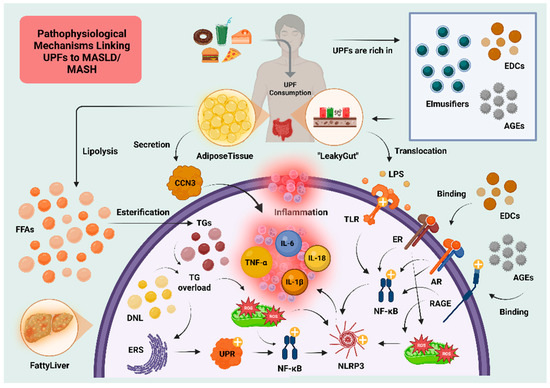
Main pathophysiological mechanisms linking ultra-processed food consumption with the development and progression of metabolic dysfunction-associated steatotic liver disease/steatohepatitis (MASLD/MASH).
https://t.co/6IEKp6g0rC

🔴Answer is D
➡️Cirrhosis refers to the replacement of normal liver tissue with non-living scar tissue.
➡️It is always related to other liver diseases.
🔺️The most common causes of Cirrhosis are
➡️Hepatitis C,
➡️Alcohol-related Liver Disease,
➡️Non-Alcoholic Fatty Liver Disease (now called metabolic dysfunction-
associated steatotic liver disease or MASLD), and
➡️Hepatitis B.
➡️Many people with Cirrhosis have no symptoms in the early stages of the disease.
➡️Alcohol remains the second most common cause of liver Cirrhosis after hepatitis C virus.
Most Popular Users

Elon Musk 
@elonmusk
240.1M followers

Barack Obama
@barackobama
118.6M followers

Cristiano Ronaldo
@cristiano
114.4M followers

Donald J. Trump
@realdonaldtrump
111.7M followers

Narendra Modi
@narendramodi
106.9M followers

Rihanna
@rihanna
98.6M followers

NASA
@nasa
92.1M followers

Justin Bieber
@justinbieber
91.7M followers

KATY PERRY
@katyperry
89.9M followers

Taylor Swift
@taylorswift13
83.9M followers

Lady Gaga
@ladygaga
75.4M followers

Virat Kohli
@imvkohli
73.3M followers

Kim Kardashian
@kimkardashian
70.8M followers

YouTube
@youtube
68.6M followers

Neymar Jr
@neymarjr
66.3M followers

Bill Gates
@billgates
65.2M followers

Selena Gomez
@selenagomez
63M followers

The Ellen Show
@theellenshow
62.1M followers

CNN
@cnn
61.7M followers

X
@x
60.6M followers