📢Official Announcement:
I am Twinkle Xu, the Commissioning Editor of (@RCMjournal ). If you're interested in submitting your work or have questions about our submission process, feel free to DM me via Twitter or ([email protected]). Looking forward to your contributions!
🚨 It's #WorldHypertensionDay 🩺❤️
Hypertension affects 1.28B+ adults globally — and the science is evolving fast.
📚 Explore our NEW Special Collection from:
🔹 Reviews in Cardiovascular Medicine
🔹 The Heart Surgery Forum
Top research on pulmonary HTN, vascular remodeling, exercise & surgical care ⬇️ 👉https://t.co/hCliO9orhU
#Hypertension #Cardiology #HeartHealth #CardioTwitter #MedTwitter #BloodPressure #CVD #MedicalResearch
🌍❤️ World Hypertension Day Special Interview ! 🩺
RCM sits down with Prof. Ruan Kruger @ProfRuanKruger
(@NWU_HART) — a global leader in pediatric hypertension — to unpack why BP control must start in childhood, not adulthood. 🧒📉
🔑 Key takeaways:
⌚ Wearables + AI = the future of early screening
🌍 Africa needs more pediatric BP data — now
🏫 School-based screening saves lives
🤝 Bridging research → public action is critical
📖 Read the full interview 👇
https://t.co/Mv2ybZQdCO
#WorldHypertensionDay #Hypertension #HeartHealth #PediatricHealth #AIinMedicine #GlobalHealth #IMRPress #RCM #CardiovascularHealth #PediatricHypertension #WorldHypertensionDay2026 #PreventiveCardiology #GlobalHealth #DigitalHealth #AIinHealthcare #PublicHealth
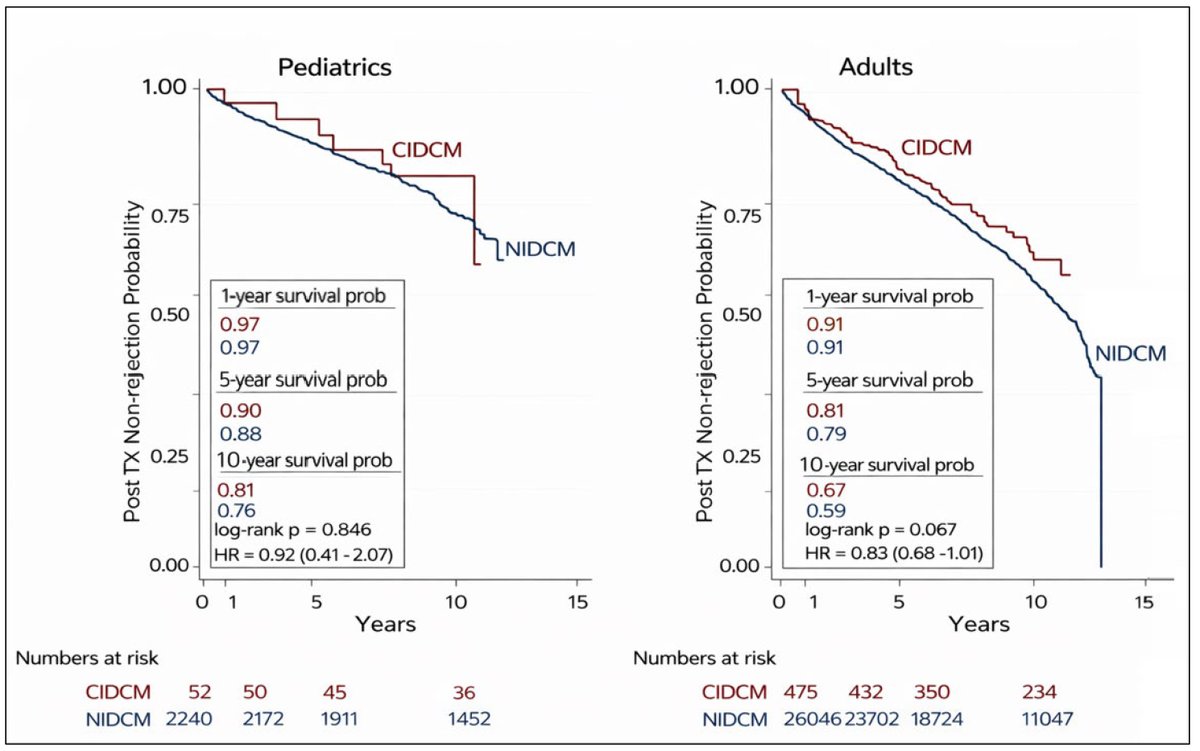
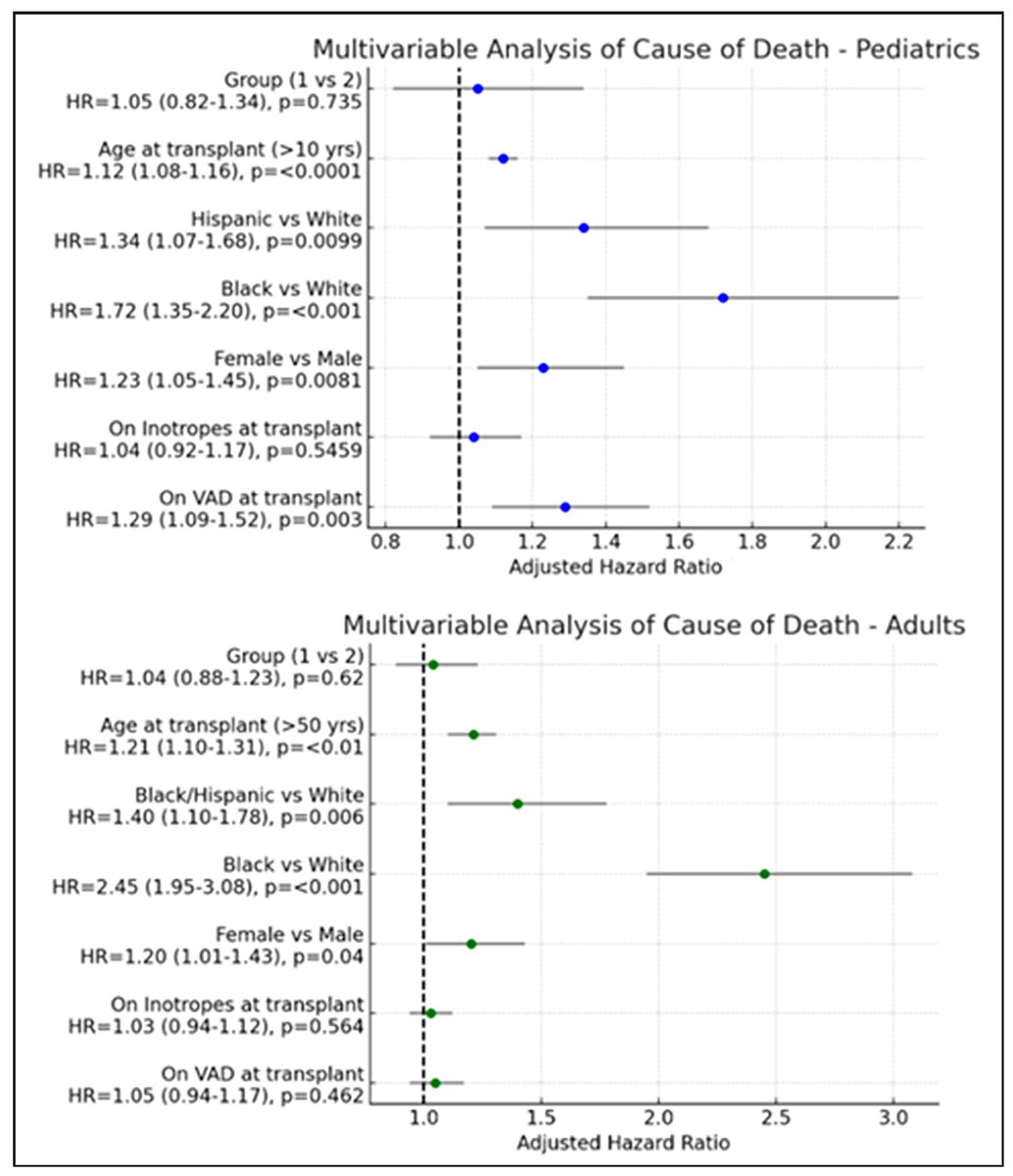
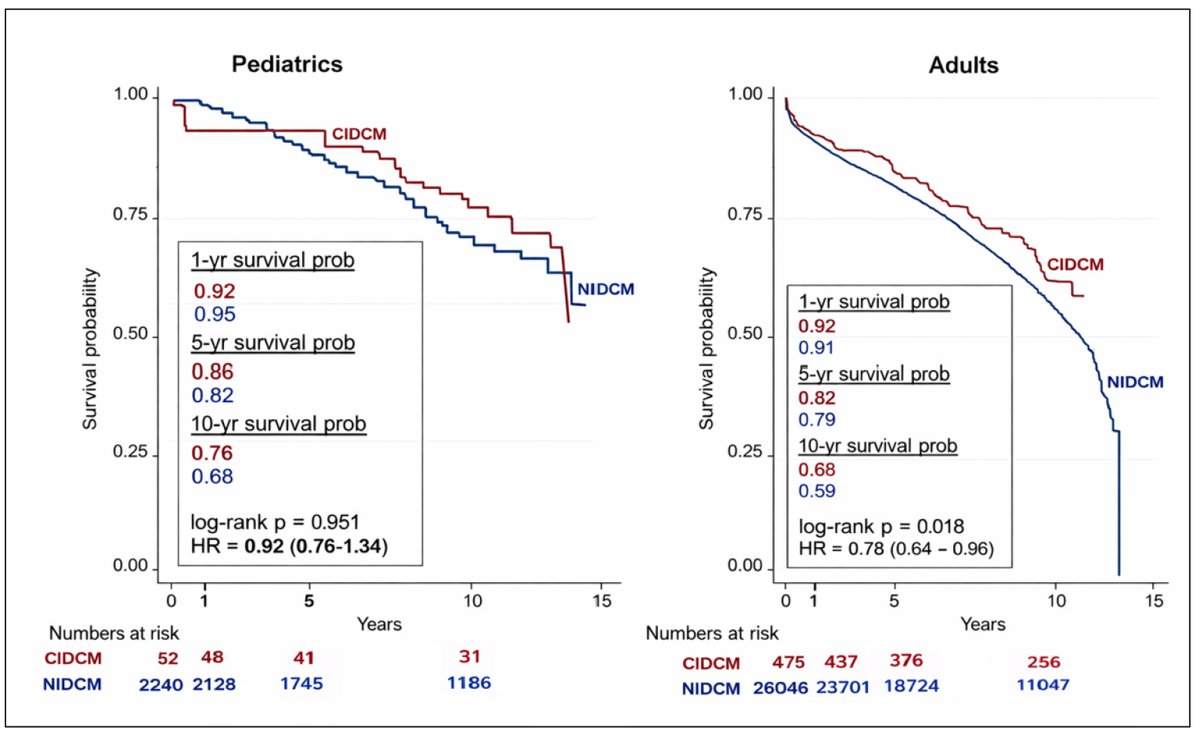
#HeartTransplant outcomes in chemotherapy-induced vs non-ischemic DCM show comparable or improved survival in CIDCM, with similar cancer risk and lower rejection in adults.
👉Full study: https://t.co/J0aQluFqyD
#CardioOncology#HeartFailure
Why are updated #ACS guidelines still hard to implement in practice?
A systematic review by Dr. Snezana Stolic (from @unisqaus) finds barriers across patient, provider, and system levels—from delayed care to workforce shortages and limited #PCI access.
https://t.co/WATUVWtROq
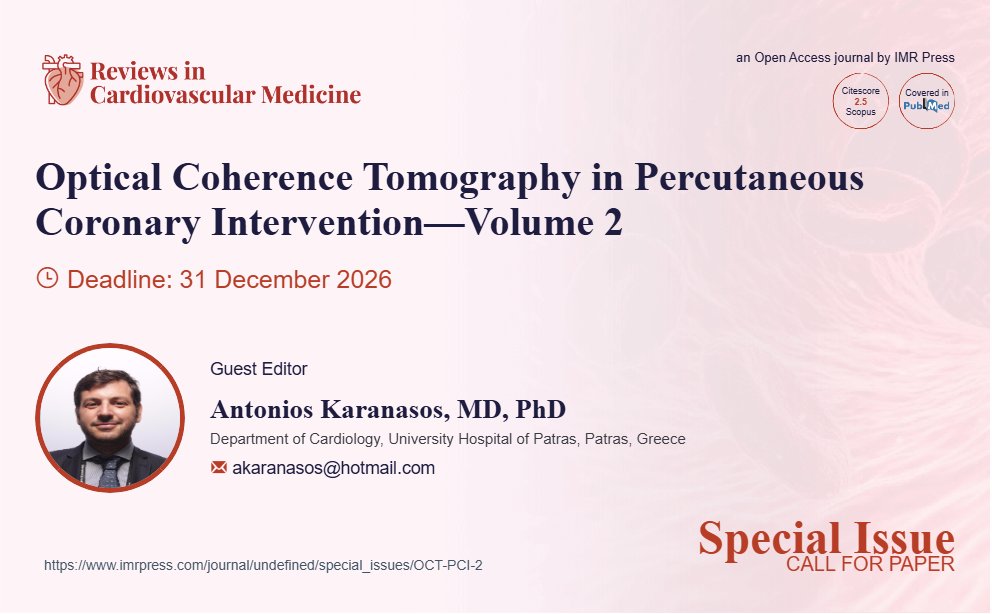
🧐We warmly invite you to submit to the Special Issue:
Optical Coherence Tomography in Percutaneous Coronary Intervention—Volume 2
From the University Hospital of Patras by Ass. Prof. @ankaranasos
📖 For more details, please see:
https://t.co/CWoLv1tEtS
👉 Intracoronary optical coherence tomography (OCT) is a high-resolution, infrared light-based imaging modality that can provide important information regarding the morphological characteristics of atherosclerotic plaques, as well as the effect of percutaneous coronary intervention (PCI). Specifically, OCT allows qualitative and quantitative assessment of microstructures such as the fibrous cap, lipid core, macrophages, calcium, cholesterol crystals, thrombus, and more. It has also been used in PCI for procedural guidance, guiding device selection for lesion preparation, providing quantitative measurements for sizing, and assessing stent expansion and PCI-induced vascular trauma. Moreover, OCT can provide useful information regarding the patho-mechanisms involved in stent failure. Recent evidence shows that OCT guidance in PCI may be associated with improved outcomes.
This Special Issue focuses on:
✨ the role of OCT in procedural guidance
✨the use of OCT in the assessment of stent failure
✨OCT guidance in specific lesion subsets (bifurcations, calcified lesions, etc.)
✨insights into the mechanisms of atherosclerosis obtained by OCT
✨recent developments in intracoronary OCT imaging
🧠 Why submit to this Special Issue of RCM?
✔️ Open Access
✔️ Rapid review process
✔️ Impact Factor: 1.3
✔️ Indexed in major databases
📕 Manuscript Type: Review、Systematic Review、Original Research、Opinion、Editorial et al.
📆 Submission deadline: 31 Dec 2026
✍️ Submit your work to https://t.co/0im2Ul0zPy
📑 Click here for author guidelines: https://t.co/tKLwCKyDww
#OpticalCoherenceTomography #PercutaneousCoronaryIntervention #IntravascularImaging #InterventionalCardiology #CoronaryArteryDisease #Atherosclerosis #CardiovascularResearch #CoronaryStents #CallForPapers #IMRPress #RCMCFP
🧠 Growing evidence shows that cardiovascular and neurodegenerative diseases share risk factors, mechanisms, and trajectories — making the heart–brain axis a critical frontier of modern medicine.
🌟We are honored to share a Special Interview with Dr. Allison B. Reiss @Dr__Reiss, Associate Professor of Medicine and Head of the Inflammation Laboratory at NYU Grossman Long Island School of Medicine @nyulangone , and Editorial Board Member of Reviews in Cardiovascular Medicine (RCM).
As both a board-certified internal medicine physician and a molecular biologist, Dr. Reiss has spent her career working at the intersection of cardiometabolic disease and neurodegeneration — a space where bench-to-bedside thinking matters more than ever.
In this conversation, she explores:
🔬 The heart–brain axis as a critical determinant of both lifespan and healthspan, and why subspecialization can blind us to the interdependence of these two organs.
🧬 The role of ApoE genetics, lipid biology, systemic and neuroinflammation as shared drivers of cardiovascular and neurodegenerative disease.
🤖 How AI, single-cell and spatial multi-omics, 3D imaging, organoid models, CRISPR-based editing, and engineered exosome/nanoparticle delivery are reshaping brain–heart systems biology and enabling dual-disease trials.
🌱 Why lifestyle — nutrient-dense diets, regular activity, quality sleep, social engagement, and stress management — remains one of the most powerful interventions we have for both organs.
👩⚕️ Her journey as a woman in medicine and science, the barriers she faced, and her advice to the next generation: do what you love, keep your dreams alive, find great mentors — and mentor others in return.
📚 Her vision for academic publishing: journals as trusted, unbiased platforms that disseminate validated science to clinicians, researchers, and the public alike.
Dr. Reiss also shares thoughtful suggestions for RCM’s future — from Special Issue–themed webinars and awards for outstanding reviewers and authors, to a stronger, video-driven social media presence.
A heartfelt thank you to Dr. Reiss for her time, candor, and vision.
👉 Read the full interview on the RCM website.
https://t.co/UsLccN0ZPx
#CardiovascularMedicine #HeartBrainAxis #Neurodegeneration #AlzheimersResearch #Inflammation #TranslationalResearch #PrecisionMedicine #SingleCellOmics #SpatialTranscriptomics #AIinHealthcare #WomenInSTEM #WomenInMedicine #PhysicianScientist #OpenAccess #ScientificPublishing #IMRPress #ReviewsInCardiovascularMedicine #AI
🧐NEW INTERVIEW 🚨
🔬We sat down with Prof. @atmbiopro (@VCU), RCM Editorial Board Member & a leading voice in cardiovascular & cardio-oncology research.
She unpacks:
🧬 The pleiotropic miRNA-17-92 cluster
💊 PDE5 inhibitors vs. doxorubicin cardiotoxicity
🧪 mTOR signaling in the diabetic heart
🎯 Her new Special Issue on cardiac injury
💙 A heartfelt thank-you to Prof. Anindita Das for her dedication to mentorship, scientific rigor, and the global cardiovascular community.
Read 👉https://t.co/WNUEUoosB1
#Cardiology #CardioOncology #microRNA #HeartResearch #STEM #WomenInScience #IMRPress
#CardiovascularResearch #TranslationalMedicine #HeartHealth #ScienceCommunication #WomenInSTEM #MedicalResearch #Cardiology
📢 From high-risk to younger patients — #TAVR is rapidly reshaping how we treat #aortic stenosis.
We are now accepting submissions for a Special Issue on: “#Transcatheter Aortic Valve Replacement.”
👨🏫: Antonio Nenna, MD, PhD
📅: 31 May 2027
🔗
https://t.co/UPp8yRoGp1
#Heart
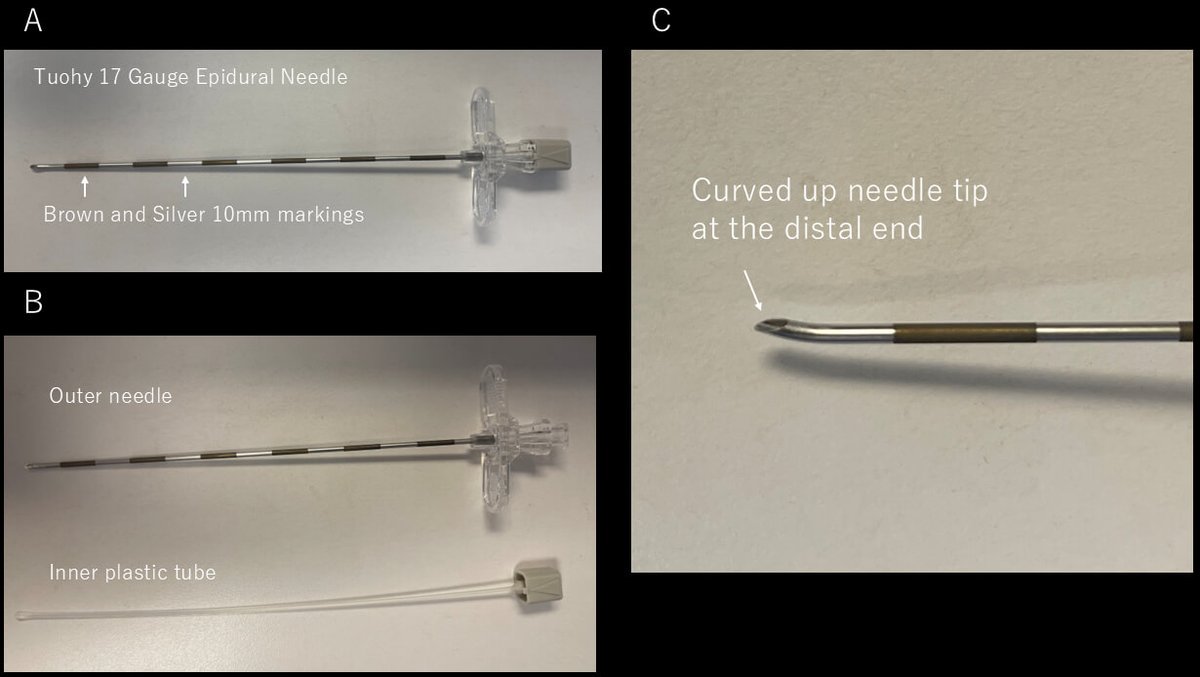
💡"What if a simple gas could make one of #EPeeps' riskiest steps in #VTablation far safer? #CO2#Cardiology"
🧠The latest work from @ClevelandClinic by first author Dr. Koji Higuchi and his team is now featured in RCM!
👉: https://t.co/II1SmEbHeZ
#VentricularTachycardia #EPeeps #VTablation #CO2 #Cardiology #HeartRhythm #CardiacElectrophysiology #CatheterAblation #CardioTwitter #InterventionalCardiology #MedicalResearch #ClevelandClinic
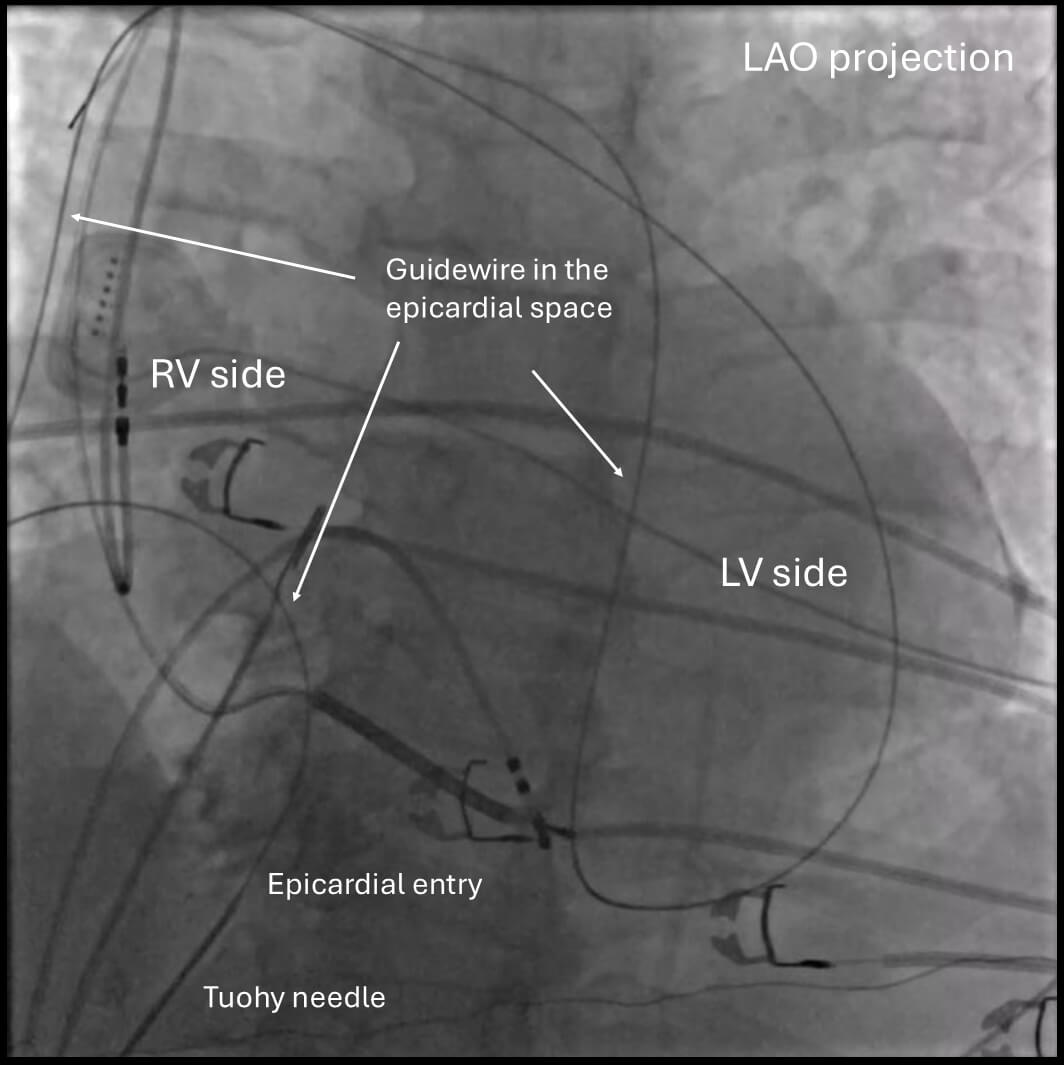
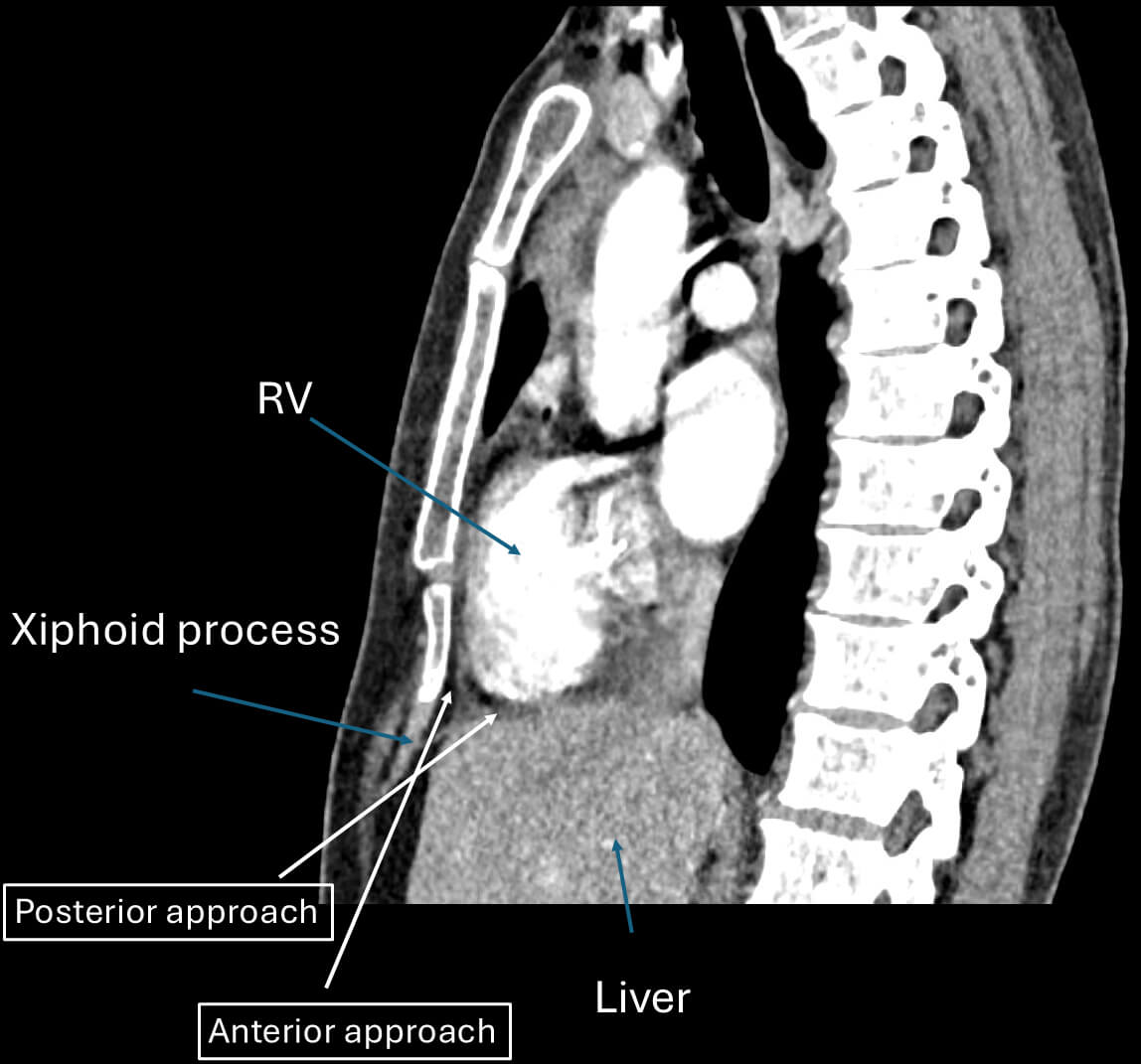
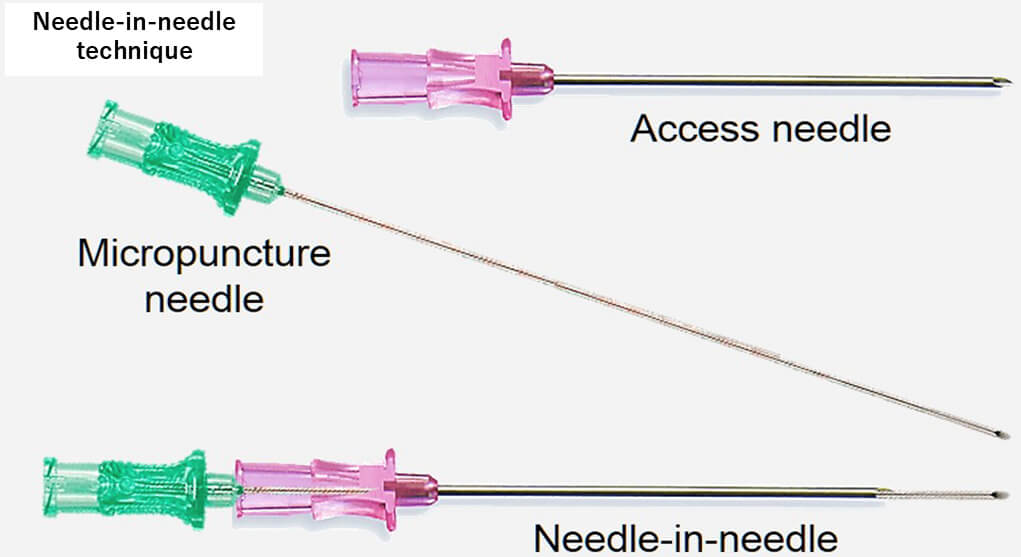
New from @ClevelandClinic#Epicardial VT #ablation access is evolving—from traditional puncture techniques to micropuncture/SAFER approaches. A key emerging concept: CO₂ insufflation to improve safety in challenging cases.
https://t.co/HGIMu70T9O
#Electrophysiology
💡 Video Interpretation by Amgad N. Makaryus — Beyond Glucose Control: GLP-1 Agonists & Blood Pressure
Are we overlooking the cardiovascular potential of GLP-1 receptor agonists beyond glycemic control?
👉 Watch the video: https://t.co/aMIob0Xk6X
🎥 In this video, Amgad N. Makaryus explores how GLP-1 RAs influence blood pressure via vascular, renal, and metabolic pathways—backed by major clinical trials.
From modest BP reductions to broader cardiometabolic benefits, their role as an adjunctive strategy is gaining increasing attention.
✒️ Authors: Dhir Gala, Fady Botros, Amgad N. Makaryus @AmgadMakaryus
🏪 Affiliation: Rutgers New Jersey Medical School @Rutgers_NJMS ; Northwell Health; Donald and Barbara Zucker School of Medicine at Hofstra/Northwell @ZuckerSoM
📄 Read the article: https://t.co/qFo8JXYdtG
#Cardiology #Hypertension #Diabetes #CardiometabolicHealth #ClinicalResearch #Medicine