🫀 Radial-first is recommended in ACS—but why does transradial access still fail?
A meta-analysis of 12,621 patients cited in this review identified three leading causes of transradial access failure or crossover to femoral access:
🔹 Failed puncture: 35.3%
🔹 Peripheral occlusion or tortuosity: 24.5%
🔹 Radial artery spasm: 20.1%
This review explores practical considerations for successful transradial procedures, including anatomical variations, right vs. left access, distal radial access, anticoagulation, wire and catheter selection, and complication prevention.
📄 Transradial Coronary Angiography and Intervention: Current Concepts and Future Directions
Authors: Gabriela M. Diaz, Edwin A. Takahashi (@ETakahashiMD) , Ion S. Jovin, Ian C. Gilchrist (@Radial_ICG), Arnold H. Seto (@arnoldseto), Chayakrit Krittanawong (@KrittanawongMD).
Affiliations:
Emory University @EmoryUniversity
Mayo Clinic @MayoClinic
McGuire Veterans Affairs Medical Center @RichmondVAMC
Dartmouth Hitchcock Medical Center @DartmouthHealth
University of California @UCIrvine
Penn Highland Healthcare @pennhighlandshc
🔗 https://t.co/xyck8ok6Th
#PCI #InterventionalCardiology #RadialAccess
🫀 Semaglutide & new-onset atrial fibrillation
Semaglutide showed no significant reduction in new-onset AF vs placebo. A potential benefit emerged after excluding FLOW, but remains to be confirmed.
https://t.co/E3ucqBOaFb
#Semaglutide#AtrialFibrillation
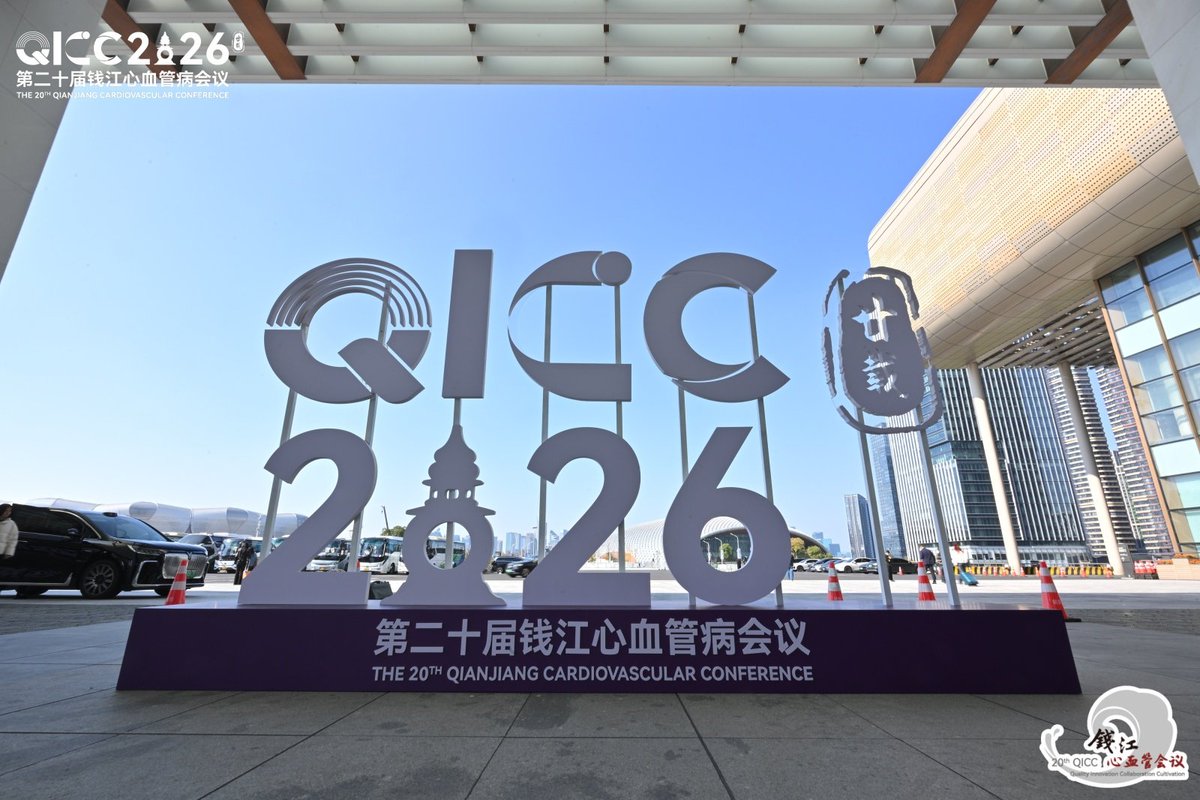
🌍 #QICC2026 is underway in Hangzhou!
Bringing together cardiovascular experts from China and around the world, with four joint sessions with the ESC and international collaboration with the World Heart Federation (WHF).
Four days of scientific exchange, shared perspectives and advances in cardiovascular medicine.
📍 Hangzhou, China | Nov 19–22
@QICCmediacenter
#Cardiology #CardiovascularResearch
🫀 A pacemaker implanted in childhood may shape a lifetime of cardiac function. Are we pacing the heart as physiologically as possible?
Conduction system pacing (CSP), including His bundle pacing and left bundle branch area pacing, offers a promising approach to preserving physiological ventricular activation in children.
This review explores current evidence, technical challenges and considerations for lifelong pacing.
Read more: https://t.co/vpdVdevadY
#Pacing #PediatricCardiology #Electrophysiology
🫀 Can atrial fibrillation ablation move beyond fluoroscopy?
Intracardiac echocardiography (ICE) and 3D electroanatomic mapping (EAM) enable real-time imaging, catheter navigation and lesion assessment, paving the way for zero-fluoroscopy workflows.
Discover how these technologies are shaping the future of AF ablation.
Read more: https://t.co/7Tx9DtJ0Rp
#AtrialFibrillation #ZeroFluoroscopy #Electrophysiology
🫀 Looking forward to the exciting discussions at #QICC2026!
Explore four Best of ESC@QICC sessions covering cardiovascular disease and CKD, heart failure, emerging clinical frontiers and late-breaking trials, alongside dedicated forums on epidemiology and AI in cardiovascular care.
#Cardiology #CardiovascularResearch
Prof. Thomas F. Lüscher, ESC immediate past president, invites you to #QICC2026: 4 joint sessions on CKD & HF guidelines, China epidemiology, AI in CV care & eminent trials. https://t.co/81eCowqh5q
https://t.co/WvI9o2AMds
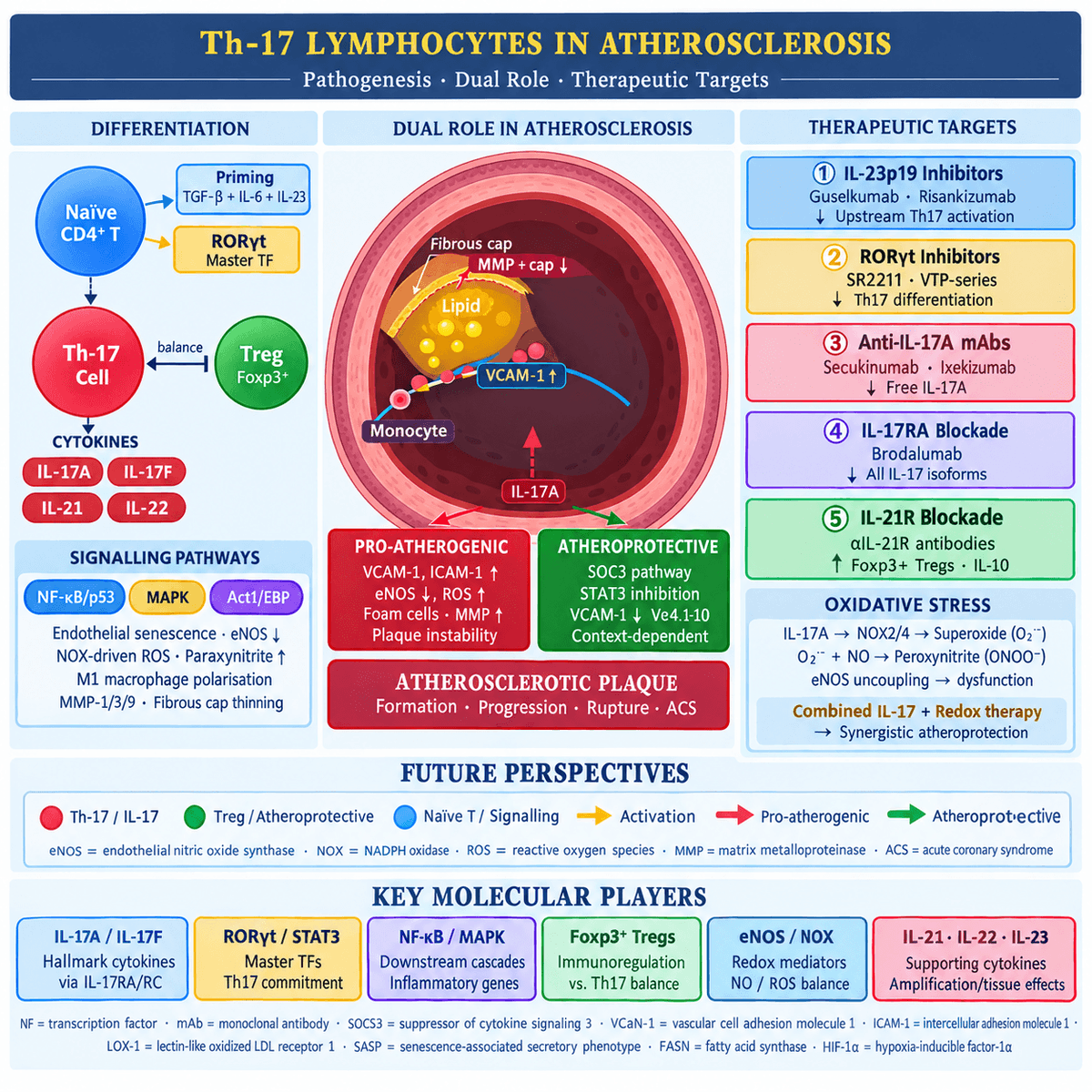
🫀 Are #Th17cells always harmful in atherosclerosis?
The Th17/IL-17 axis can fuel vascular inflammation, yet IL-17 may also have protective effects in some settings. This review explores its dual role and potential therapeutic targets.
Read: https://t.co/bsxRsrWXWC
#Atherosclerosis #CardiovascularResearch #Immunology
Thank you for sharing this perspective! Carotid plaque assessment may provide additional information on atherosclerotic burden beyond conventional risk factors. However, the extent to which the carotid plaque score improves risk reclassification and influences clinical decision-making remains an important area for further evaluation.
🫀 Can TAVI become a treatment option for pure native aortic regurgitation?
Without valve calcification, secure transcatheter valve anchoring remains challenging. This review explores advances in dedicated devices, patient selection and procedural strategies, while SAVR remains the standard when feasible.
Read more: https://t.co/Io2NGFPBiN
👥 Authors: Joao Matteo Rampone, Samuele Sandrone, Sergio Capoccia, Federico Conrotto, Francesco Bruno @cescobruno, Ovidio De Filippo @ovidio_def , Mario Iannaccone, Giacomo Boccuzzi, Fabrizio D’Ascenzo @Fabri84Dascenzo , Francesco Maisano @drmaisano , Gaetano Maria De Ferrari @GMDeFerrari , Federico Giacobbe @fedegcb
🏥 Affiliations: Division of Cardiology, Cardiovascular and Thoracic Department, “Città della Salute e della Scienza” Hospital.
#TAVI #AorticRegurgitation #Cardiology
🫀 With smart devices transforming cardiac rhythm monitoring, does the conventional Holter ECG still have a place?
ECG patches, implantable loop recorders and wearable devices offer different monitoring durations and capabilities. Yet conventional Holter ECG remains valuable for selected clinical scenarios.
Read more: https://t.co/15Nae0Dew5
#Arrhythmia #HolterECG #WearableTechnology #Cardiology
🫀 Cardiovascular complications of cancer therapy may emerge during treatment—or years later.
Heart failure, arrhythmias, myocarditis and thromboembolic disease are among the diverse manifestations of cancer therapy-related cardiovascular toxicity.
This review outlines the underlying mechanisms, cardiovascular risk assessment, imaging and biomarker surveillance, cardioprotection and therapy-specific management.
Read more: https://t.co/gf8li3Xbzs
#CardioOncology #Cardiotoxicity #Cardiology
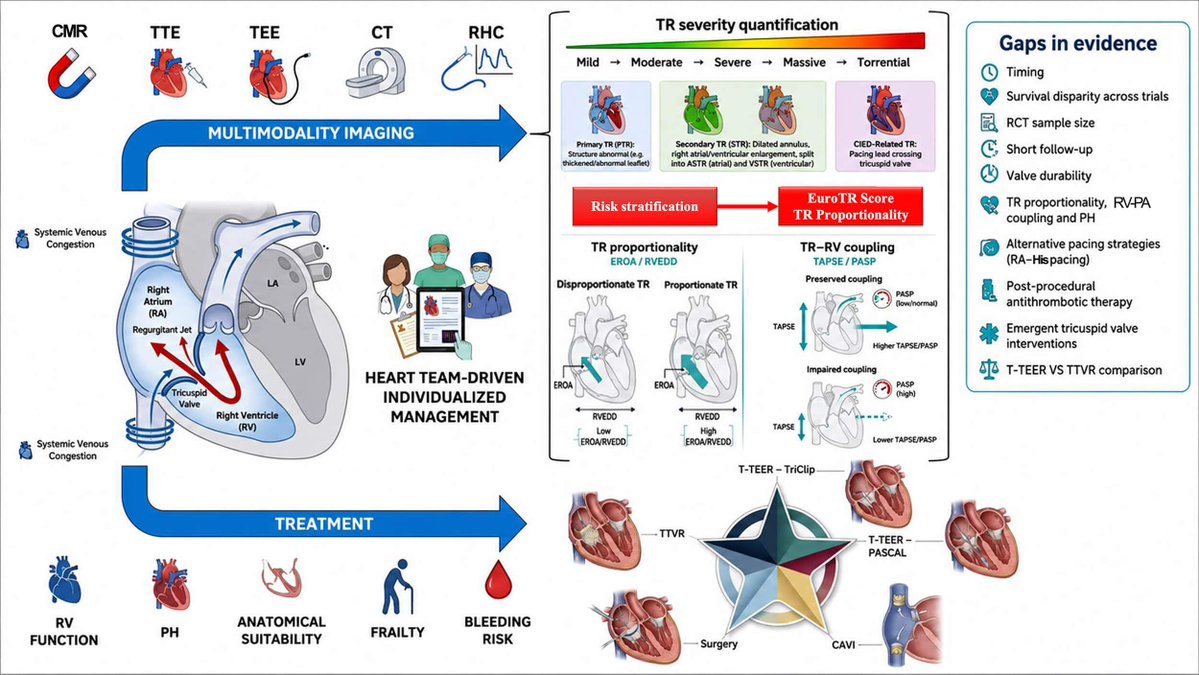
🫀 Tricuspid regurgitation is no longer the “forgotten” valve—but when is the right time to intervene?
A review of the 2025 ESC/EACTS update explores imaging, patient selection, and surgical and transcatheter treatment options.
🔗 https://t.co/T5cD2uhnJy
#TricuspidRegurgitation #Cardiology #StructuralHeart
“ The future is not simply radial-first. It's choosing the safest and most appropriate approach for each patient.”
An important perspective on individualized access selection in interventional cardiology. 🫀
🫀 Just published!
Radial (through the wrist) and pedal (through the foot) access are important frontiers in interventional cardiology.
How we access the arteries matters.
Radial access has transformed heart procedures by reducing bleeding and vascular complications compared with traditional femoral access (through the groin).
Pedal access is also expanding treatment options for certain vascular conditions.
The future is not simply radial-first. It's choosing the safest and most appropriate approach for each patient.
Our new review explores:
• How patient anatomy influences access selection
• Right vs. left radial access
• Conventional vs. distal radial access
• Blood thinners and prevention of radial artery occlusion
• Wire and catheter selection
• Recognition and management of complications
• Future directions in transradial intervention
📖 How are these techniques changing modern heart procedures? Explore our latest review for a practical look at the techniques, benefits, challenges, and future of radial coronary access.
https://t.co/22GBjGPsk1
#Cardiology #HeartHealth #InterventionalCardiology
@KrittanawongMD Congratulations to you and the entire team on this important work! We're delighted to share it with the interventional cardiology community.
@KrittanawongMD Thank you, Dr. Krittanawong, for your kind words! We truly appreciate the team's valuable contribution and are pleased to share this work with the interventional cardiology community.
🫀 Radial-first is recommended in ACS—but why does transradial access still fail?
A meta-analysis of 12,621 patients cited in this review identified three leading causes of transradial access failure or crossover to femoral access:
🔹 Failed puncture: 35.3%
🔹 Peripheral occlusion or tortuosity: 24.5%
🔹 Radial artery spasm: 20.1%
This review explores practical considerations for successful transradial procedures, including anatomical variations, right vs. left access, distal radial access, anticoagulation, wire and catheter selection, and complication prevention.
📄 Transradial Coronary Angiography and Intervention: Current Concepts and Future Directions
Authors: Gabriela M. Diaz, Edwin A. Takahashi (@ETakahashiMD) , Ion S. Jovin, Ian C. Gilchrist (@Radial_ICG), Arnold H. Seto (@arnoldseto), Chayakrit Krittanawong (@KrittanawongMD).
Affiliations:
Emory University @EmoryUniversity
Mayo Clinic @MayoClinic
McGuire Veterans Affairs Medical Center @RichmondVAMC
Dartmouth Hitchcock Medical Center @DartmouthHealth
University of California @UCIrvine
Penn Highland Healthcare @pennhighlandshc
🔗 https://t.co/xyck8ok6Th
#PCI #InterventionalCardiology #RadialAccess
🫀 Gram-negative LVAD infections: Does one antibiotic duration fit all?
A systematic review of 25 cases found different treatment durations by infection site: median 14 days for superficial driveline infections vs. 42 days for deep infections.
Evidence-based protocols remain limited.
🔗https://t.co/gRv8G934Cz
#LVAD #Infection #Antibiotics