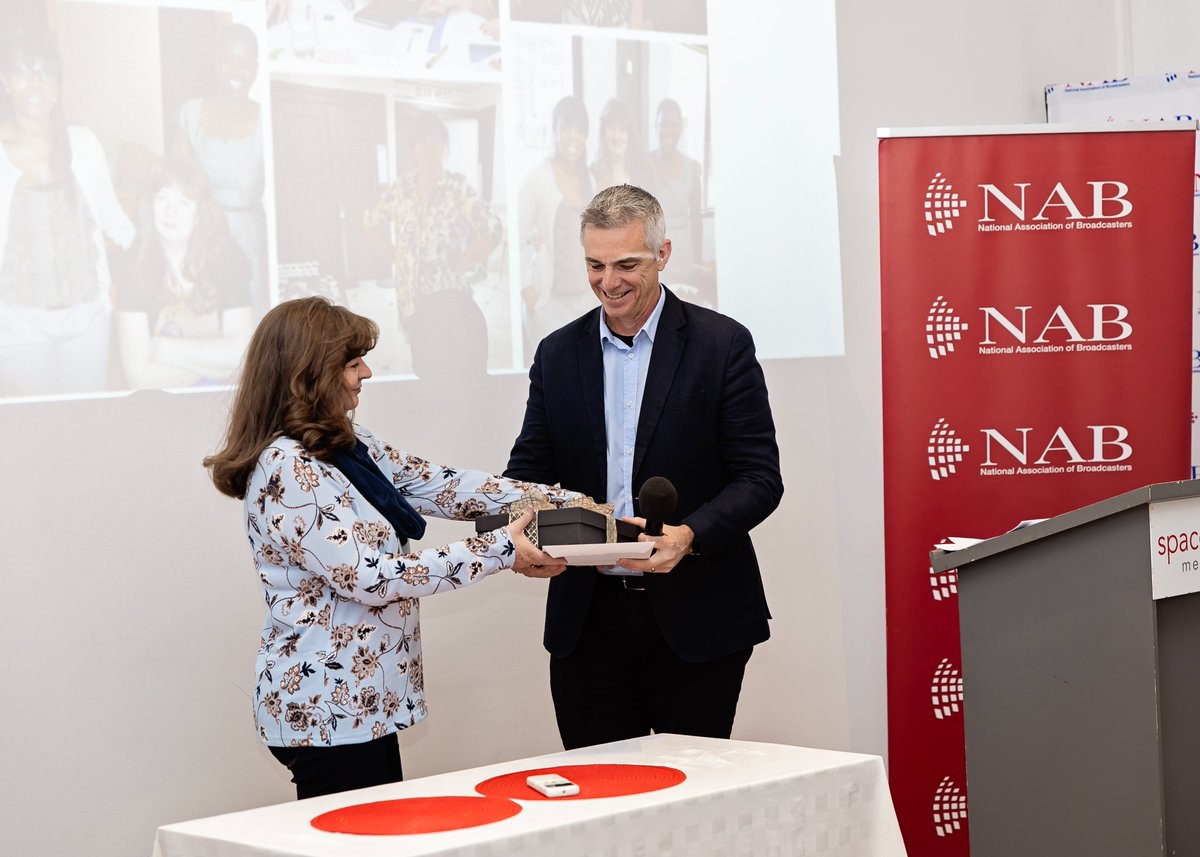
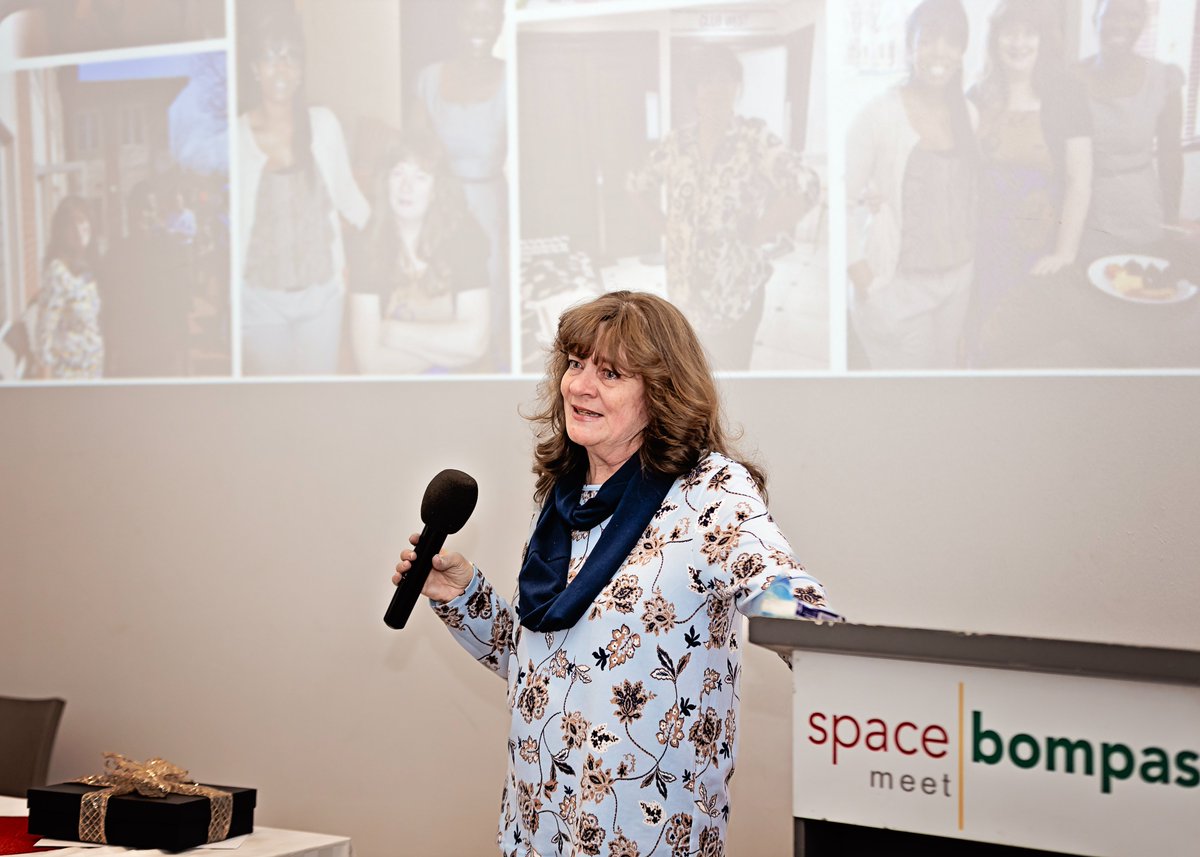
🧵Last Month, the NAB held its 33rd AGM and reflected on 2024 as a year of progress and continued commitment to a sustainable and inclusive broadcasting sector.
Today on the International Day For Countering Hate Speech, the NAB stands united against hate and intolerance. This year, the UN Commemorative Day is observed under the theme “Hate Speech & A.I. nexus: Building coalitions to reclaim inclusive and safe spaces free of hatred”.
Tomorrow, the NAB will celebrate #WRD2025 through its annual #WorldRadioDay webinar.
This year’s theme is ‘radio and climate change’ and we will be in conversation with industry leaders discussing how radio is shaping climate awareness, action, and resilience in South Africa🇿🇦
The NAB is the voice of South Africa's broadcast industry and our members comprise all broadcasting tiers (commercial, community and public).
Visit https://t.co/Yf5iPQVQew to learn about the benefits of joining the NAB and see how your TV or radio station can become a member.
@decenteredmedia Totally agree and what a good challenge for us at the start of 2025. Our resolution should be to find answers to these critical questions and draw a new road map...
Thought provoking.. And critical existential questions to the community media sector globally.. The time is now to define our vision and mission as creators and facilitators of local public value...
What is the true value of community media in the UK today?
As we face challenges from mass and social media—both criticised for their commercial focus and polarising effects—how can we rethink communication as a collaborative process? Drawing on the principles of John Ruskin, this blog explores how community media can become a meaningful platform for collective empowerment and engagement.
Ruskin, a 19th-century writer and critic, believed that creative work should serve a moral and social purpose. He valued sincerity, craftsmanship, and a connection to place. How might these ideas shape a community media model that prioritises people over profit and fosters participation over passive consumption?
- Can community media be a space where dialogue, storytelling, and shared experiences strengthen local identity and ethical responsibility?
- How can we create media platforms that connect individuals to their work, nurturing pride and creativity through skills in podcasting, video, or radio?
- What role should local culture, history, and geography play in resisting the homogenisation of mass media? Could media become a tool for environmental awareness and action?
Ruskin viewed creative work as a source of empowerment, dignity, and agency. When media-making is accessible to everyone, especially those from underrepresented groups, does it offer a way to challenge dominant narratives and foster mutual respect?
He was also critical of industrialisation’s tendency to commodify creativity. In a media landscape driven by metrics and algorithms, how can community media retain its independence, focusing instead on collective benefit and shared purpose?
Finally, Ruskin’s commitment to sincerity and truth offers a blueprint for trustworthy and accountable media. In a time of misinformation, how can community media platforms ensure transparency and build authentic connections with their audiences?
This is not just about rethinking the structure of media—it’s about reshaping its purpose. Should government, public service providers, and civic society groups rethink their professional communications models? Could they adopt approaches that value citizen participation and collaborative communication as central to community capacity building?
Community media has the potential to enrich lives, strengthen communities, and provide a space for dialogue, creativity, and understanding. But how do we make this vision a reality?
📺📻 Season's Greetings from the NAB! 🎄✨
As we reflect on a remarkable year in broadcasting, we invite you to explore key insights & trends from our third State of the Broadcasting Industry Report.
📖🎙️ A must-read this holiday season! https://t.co/fO9crUwSio
📺📻🇿🇦 TV and radio remain core components for engagement with the South African population. Content consumption continues to grow apace in both the video and audio spaces.
https://t.co/dzU7oU3lTW
Media Fact 346
In South Africa we need to learn from our media colleagues across Africa
The absence of regular & reliable audience research might be a real challenge to #mediatrading but it should never become a barrier to strategic media thinking @AMASAJoburg@AMF_SA@MediaTMO
📢 The NAB is excited to present the third edition of its State of the Broadcasting Industry Report! The Report includes the overall results of a confidential survey of NAB members, by research contributor PwC, and it tracks key sectoral developments over the last five years.🧵
The NAB is excited to be launching its State of the Broadcasting Industry Report (2019 - 2024) today, with research contributed by PwC. The report is a comprehensive survey of NAB members. The previous report was released in 2019.
On #WorldTVDay, we celebrate TV’s vital role in informing citizens about the world around them. This annual event – proclaimed by the @UN General Assembly on 17 Dec. '96 – provides vital information, essential for democratic participation in society. @egtaconnect@globaltvgroup
A thriving #communitymedia sector is essential for the survival of the local #Advertising industry. Cultural and linguistic diversity are the pillars on which community #media flourish and foster a national culture of DEI
@Pendoring_@ACA_SA @MediaMattersZA @Bizcommunity
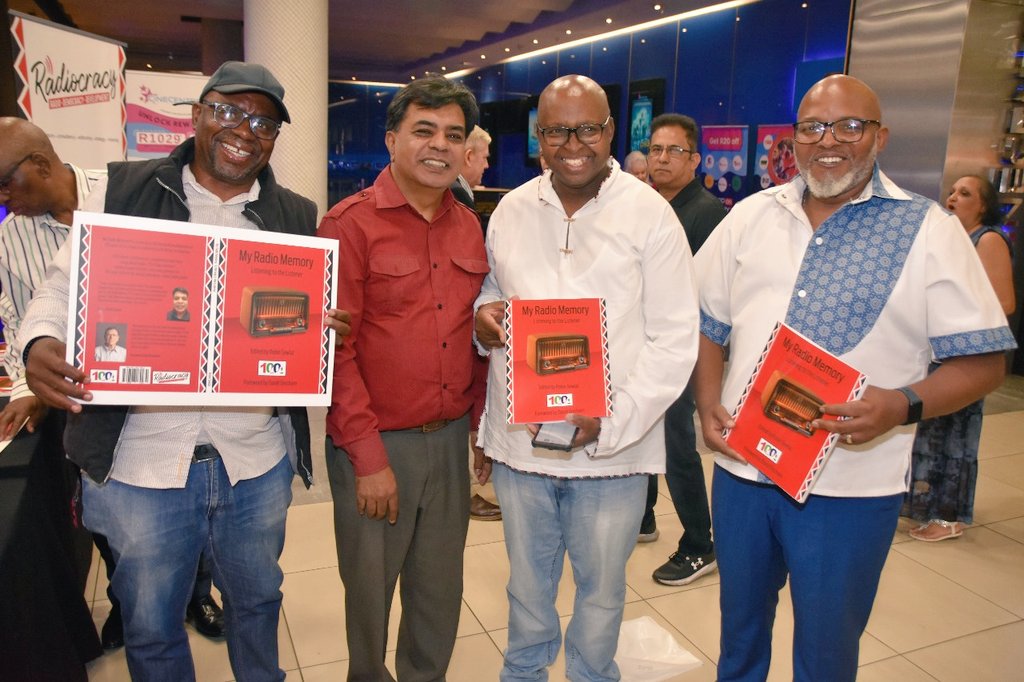
#MyRadioMemory a great account of 100 people from all walks of life sharing their most memorable experiences in radio. Author/Editor @RobinSewlal did a great job.. Attend launches in Cape Town on 14 November and Durban on 20 November. Get a copy ... [email protected]
Media Fact 316
Latest @nielsen@NielsenIQAfrica#AdIntel data for the month September confirms the #audio renaissance continues to gather momentum. Investment in #radio increased 23% YoY compared to an 11% decrease for TV
Seems like advertisers are listening
@AMASAJoburg@ACA_SA