Since 1950, the Sport Fish Restoration Program has generated more than $12 billion for fish conservation, habitat restoration, boating access, and aquatic education across the country. Supported by purchases made by anglers and boaters, these investments help conserve America's fisheries while connecting more people to the outdoors.
Thanks to the support of anglers and boaters, conservation projects across the country are helping ensure healthy fisheries and better access to America's waters.
Photo by Sanjay Mitra
Interior be like “I know a spot,” and then take you somewhere that looks like another planet.
Moonscape Overlook in Utah is the kind of place that reminds you just how wild, vast, and beautiful America’s public lands really are.
Photo by Susan Hartman
Sometimes the most effective strategy in nature is doing absolutely nothing.
American alligators like this one can spend hours barely moving at all. Staying still helps them conserve energy, regulate body temperature, and wait patiently for prey to come within snapping distance.
Somewhere out on the Wyoming sagebrush plain, thousands of Americans once faced decisions that could change the course of their lives.
At a place called Parting of the Ways, pioneers traveling west by wagon had a decision to make. Stay on the established route or travel on a riskier shortcut across miles of dry desert with little water and no guarantees.
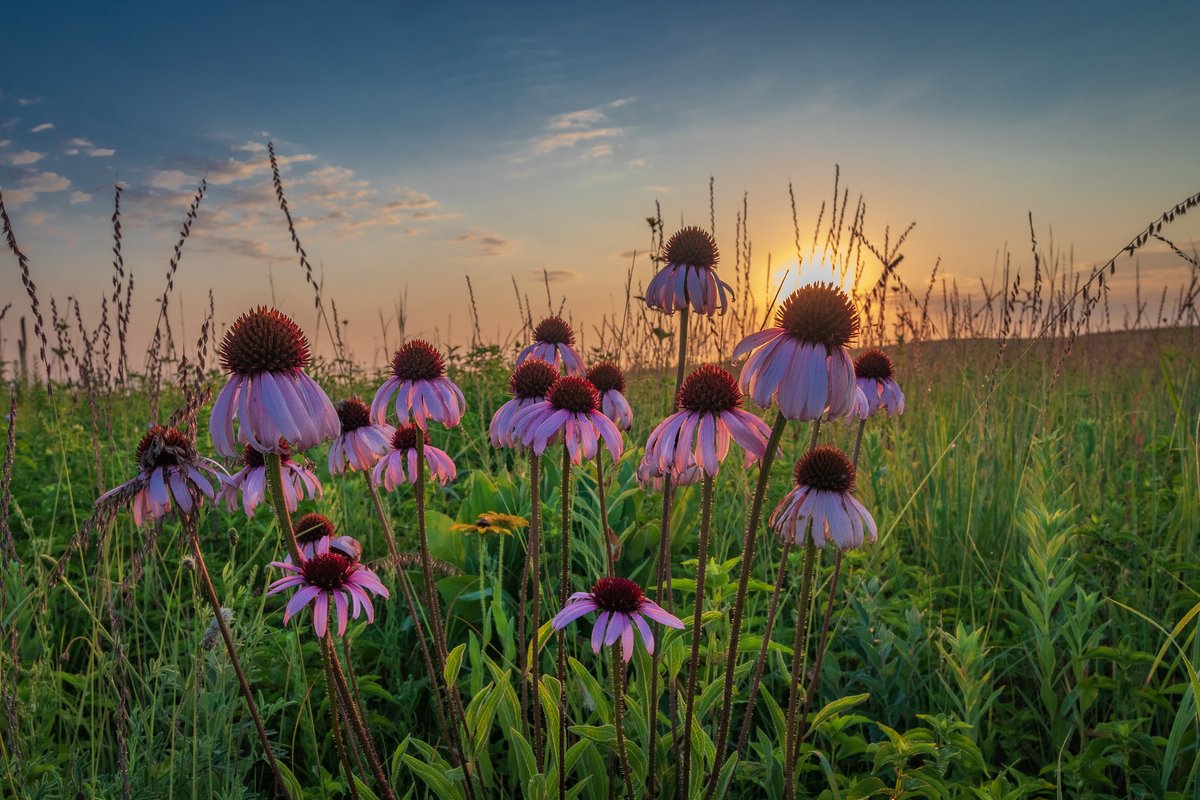
Stop and smell the flowers on the @BridgerTetonNF. Get out and enjoy your big backyard during National Forest Week!
(Forest Service photo by Timothy Farris.)
From neighborhood parks to remote wilderness, America is full of places to relax, explore, and make lasting memories. Whether you're hiking a trail, paddling a river, or watching a sunset, everyone can celebrate Great Outdoors Month and enjoy the natural splendor of our country.
The bald eagle became a symbol of the United States in 1782.
Since then, generations of Americans have defended the freedoms represented by that symbol.
This Memorial Day, we honor the service members who gave their lives for our country and remember the freedoms that allow Americans to experience and share our public lands and wildlife.
As our nation approaches the Freedom 250 milestone, we remember that freedom has always carried a cost.
We are saddened and heartbroken to share the news of the passing of Kyle Busch, a two-time Cup champion and one of our sport's greatest and fiercest drivers. He was 41 years old.
We extend our deepest condolences to the Busch family, Richard Childress Racing and the entire motorsports community.
Memorial Day Weekend is a time to get outdoors and enjoy our nation's great landscapes, and with increased use means increased responsibility.
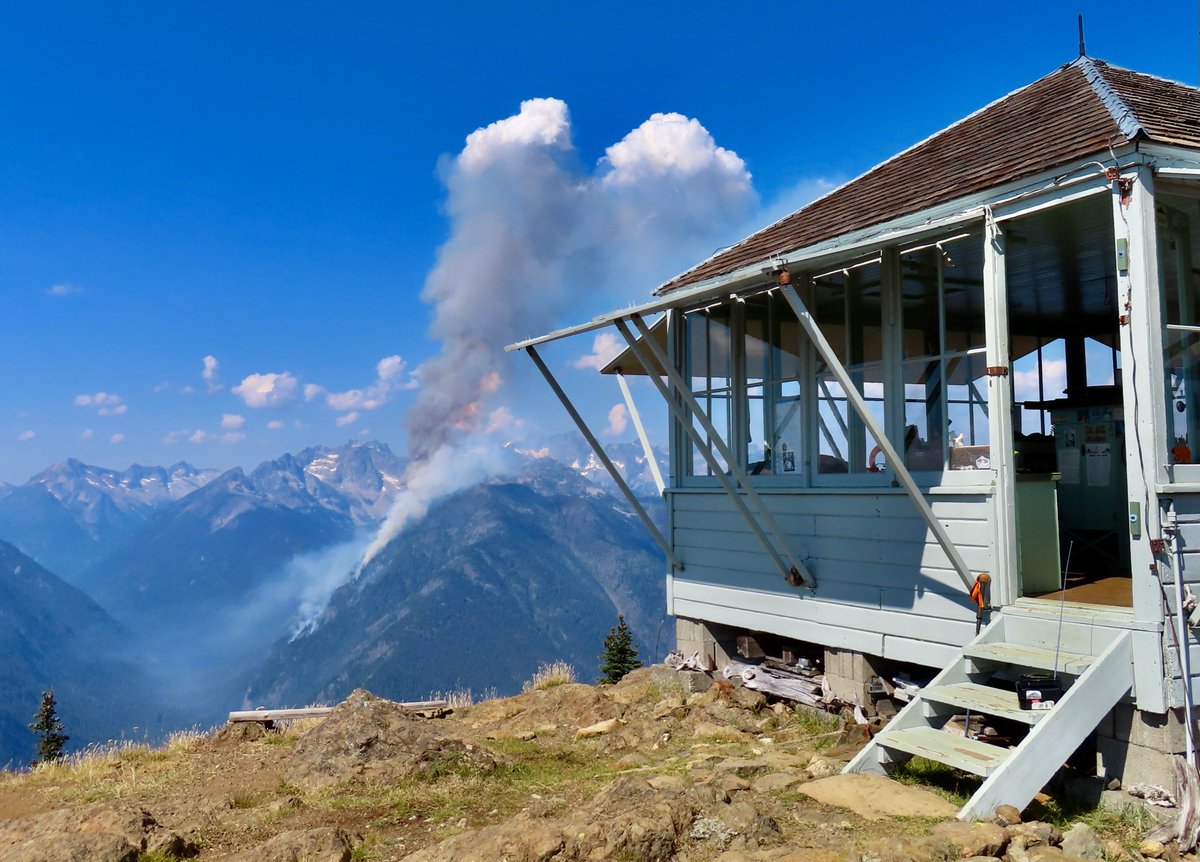
Help prevent wildfires by being cautious with campfires, equipment, and anything that can spark a fire.
If you see smoke or flames, don’t assume it’s been reported. If it’s safe, call 911, share the location, and move to a safe area.
This Wildfire Awareness Month, let’s enjoy our public lands responsibly and help keep them safe for everyone.
Photo by Sean McPharlin
Wildfire Awareness Month serves as a reminder that preparing for wildfire starts long before smoke is in the air.
Across the country, our wildland firefighters, land managers, and local communities are working together to reduce wildfire risk through prevention, preparedness, and responsible land stewardship.
You can help too. Nearly 85% of wildfires are human-caused, and small actions can make a big difference in protecting communities, public lands, wildlife habitats, and natural resources.
Learn how you can prevent wildfires: https://t.co/Agq3NUxRIv
Photo by @USWFS
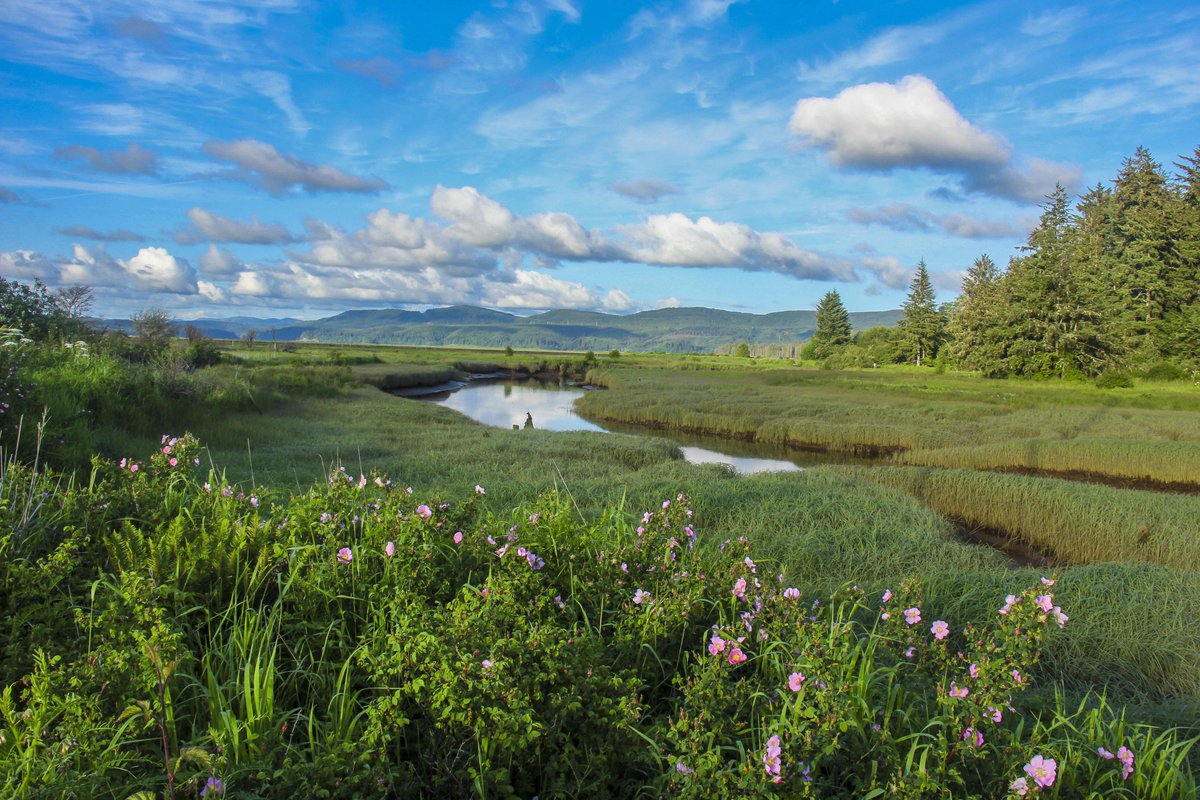
Picture yourself surrounded by breathtaking landscapes, from an old growth coastal cedar forest to pristine wetlands. Willapa National Wildlife Refuge in Washington is the place to see what the Pacific Northwest looked like over 100 years ago.
Photo by Andy Zahn
Happy Mother’s Day!
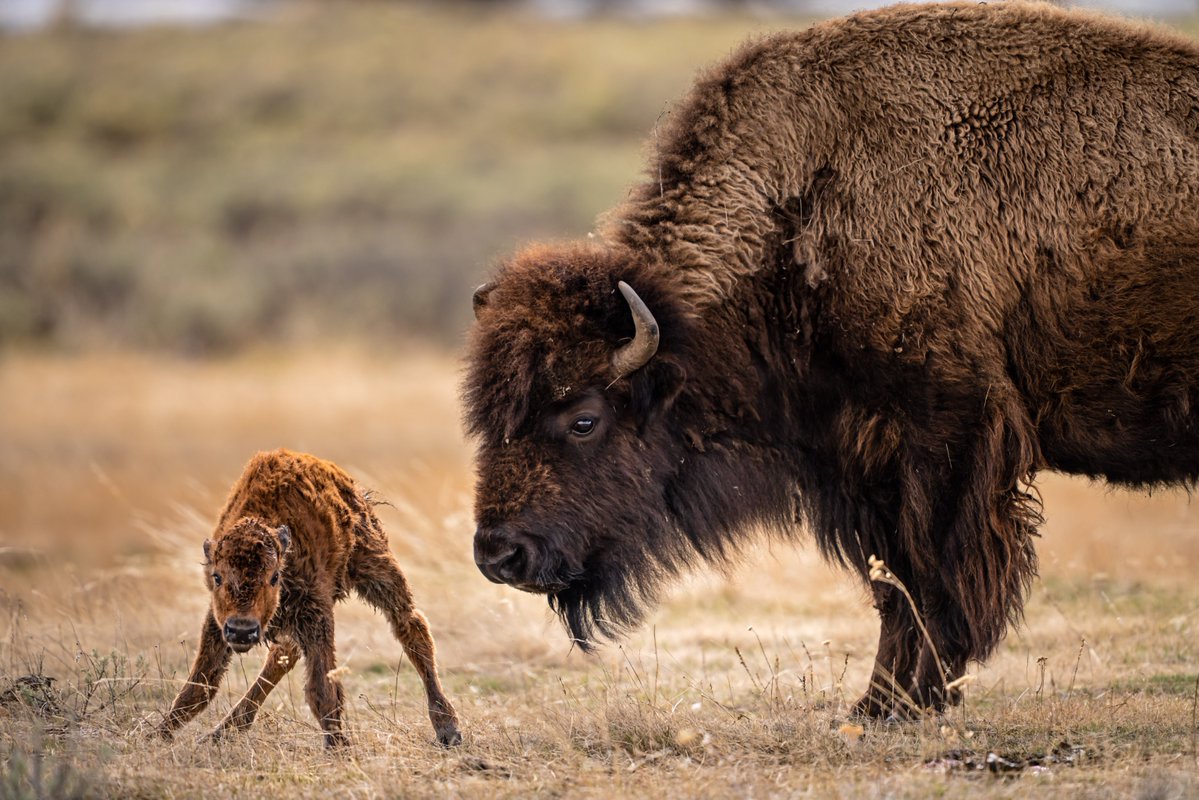
From those first wobbly steps to every moment after, moms are always there.
Sending love to all the moms out there today.❤️
Photo by Taylor Albright
Awareness starts with understanding. What is the Wildland Urban Interface?
It’s where communities and wildland vegetation meet or intermingle, where homes, infrastructure, and natural fuels exist side by side.
These areas can be found across the country, not just in the West, and they continue to grow as more people live closer to forests, grasslands, and open spaces.
Why does it matter? The WUI is where wildfire risk to people, homes, and communities is often the highest.
During Wildfire Awareness Month, understanding where you live is the first step. Preparing your home, creating defensible space, and staying informed can help reduce risk and protect what matters most.
#WildfireAwarenessMonth
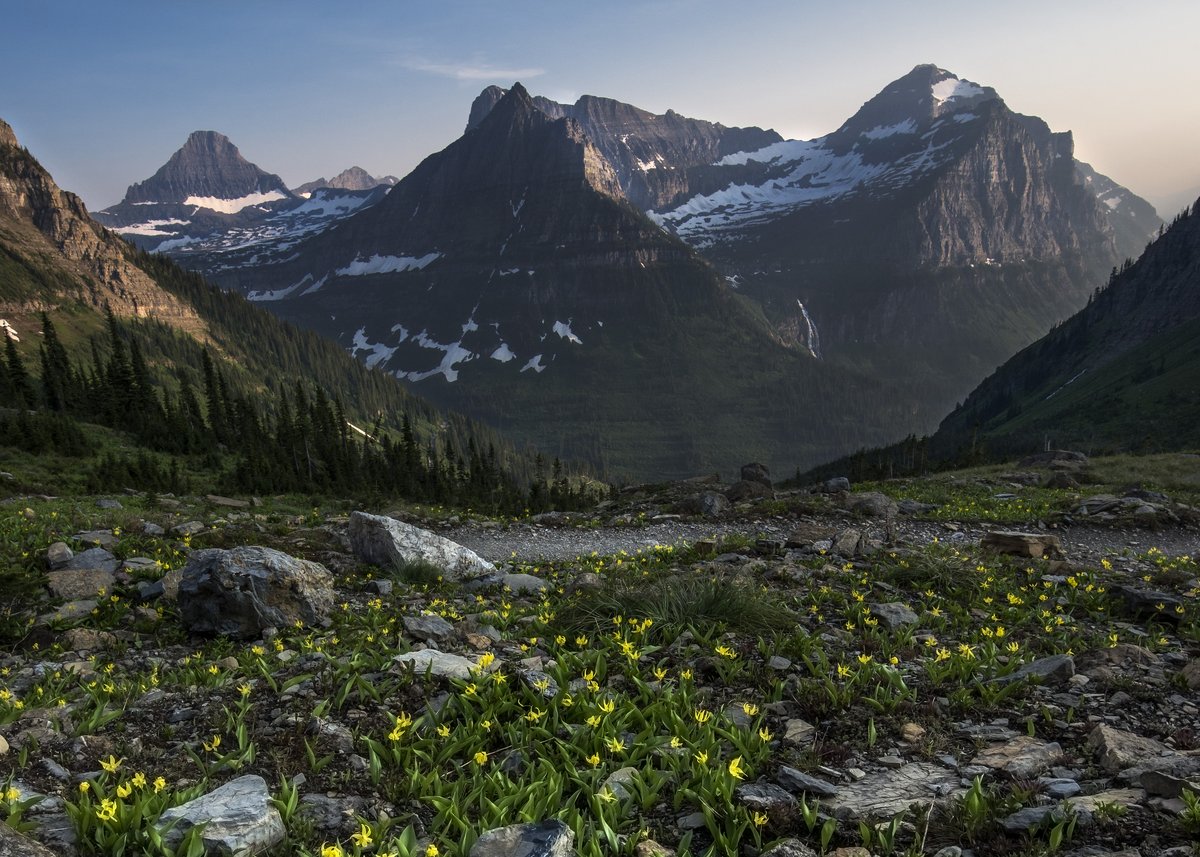
As the snow melts in Glacier National Park, glacier lilies start to appear, spreading across the landscape and marking the start of spring.
Photo by Tim Rains / NPS
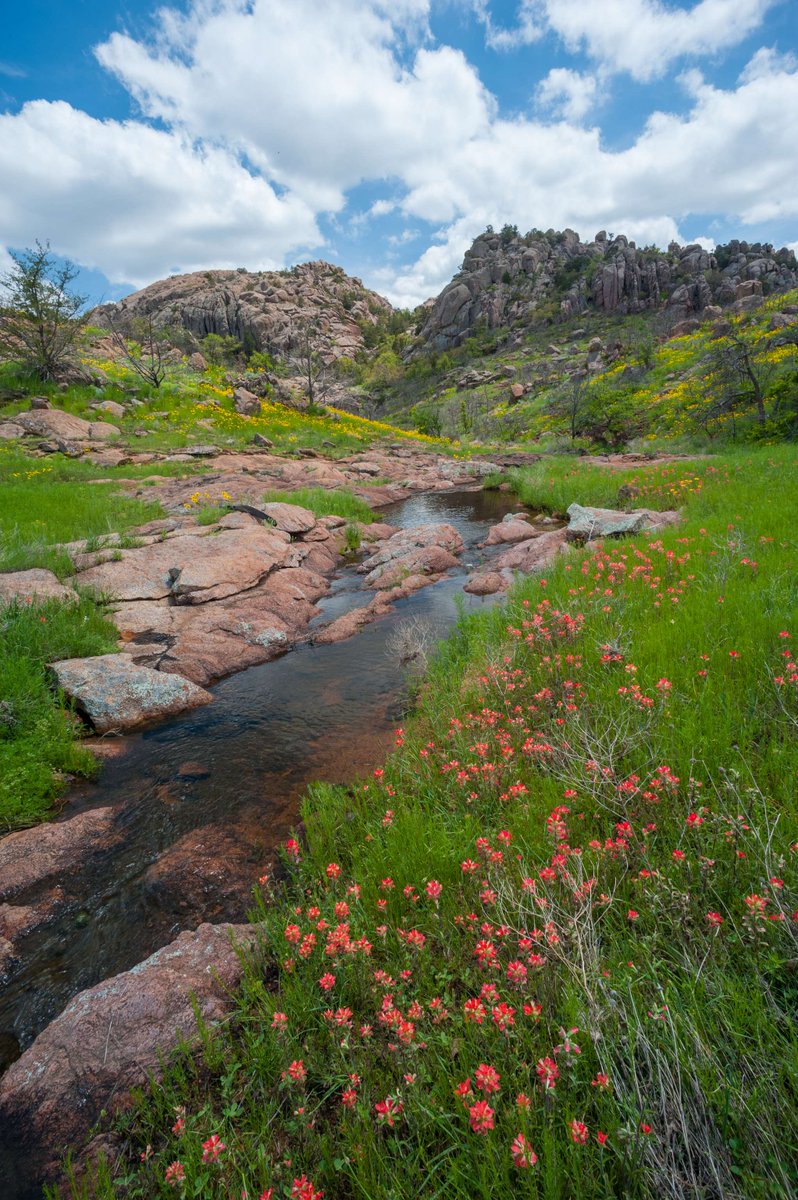
Rising above the plains of Oklahoma, Wichita Mountains Wildlife Refuge is a rugged sanctuary where grasslands meet granite peaks. Known for its roaming herds of bison and Rocky Mountain elk, the refuge also offers quality opportunities for recreation.
Photo by Steven Hunter