The week on 807
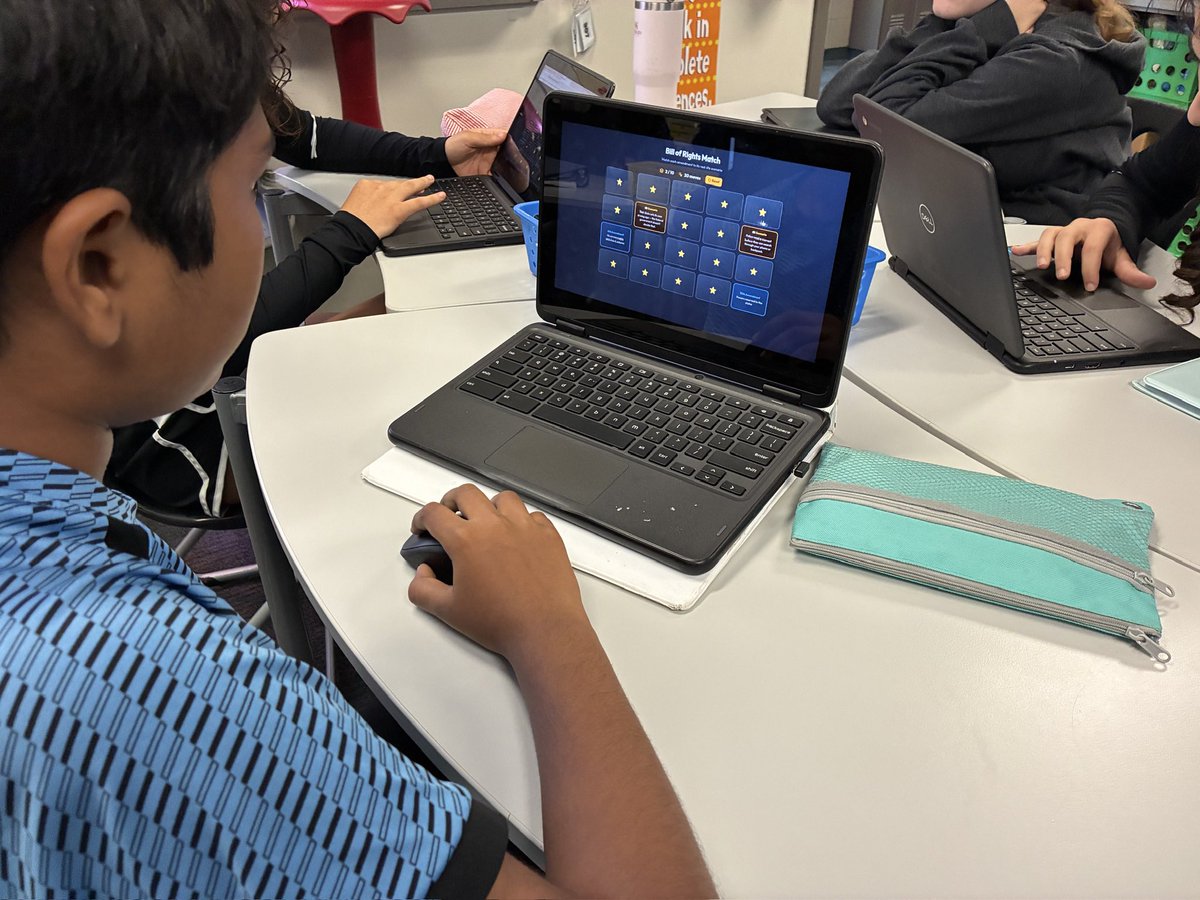
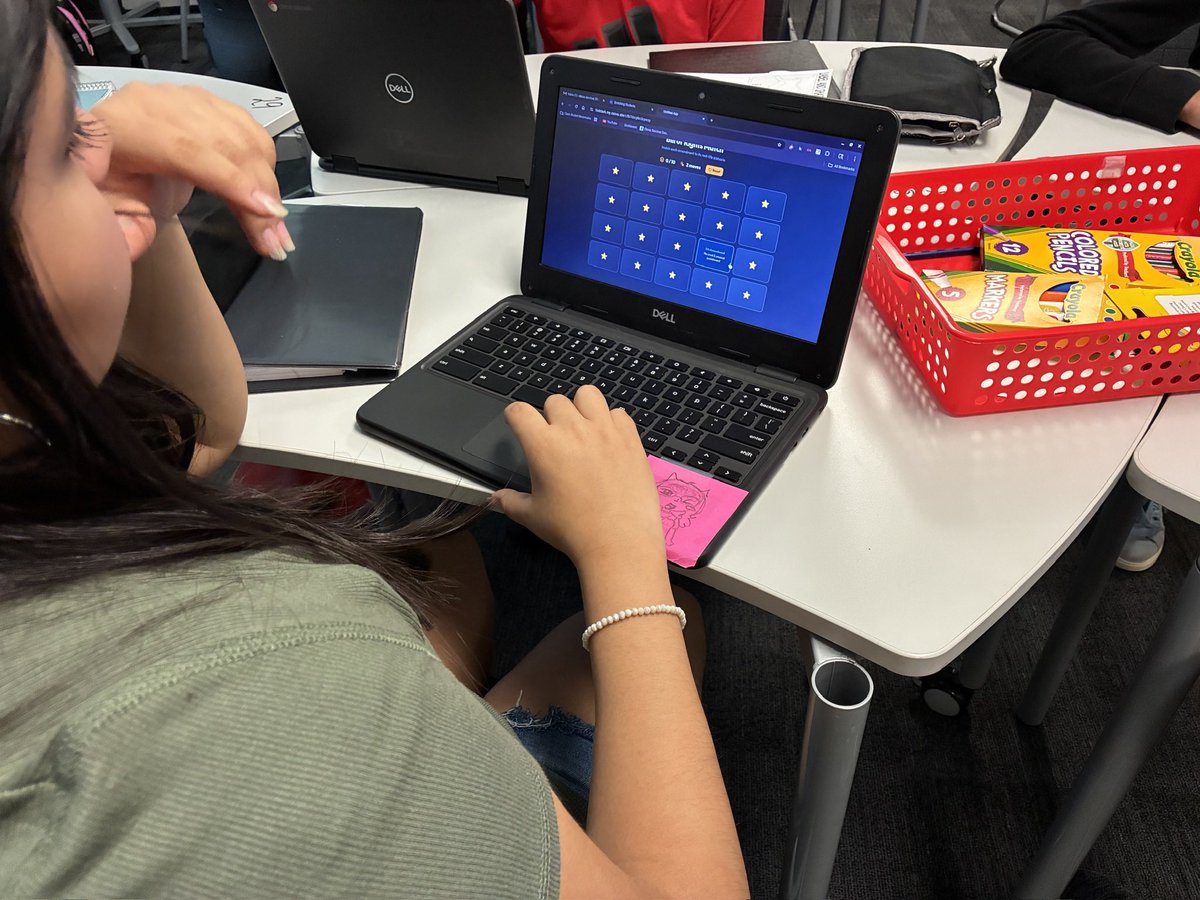
Ratification and the Bill of Rights
Note taking using WTP on ratification
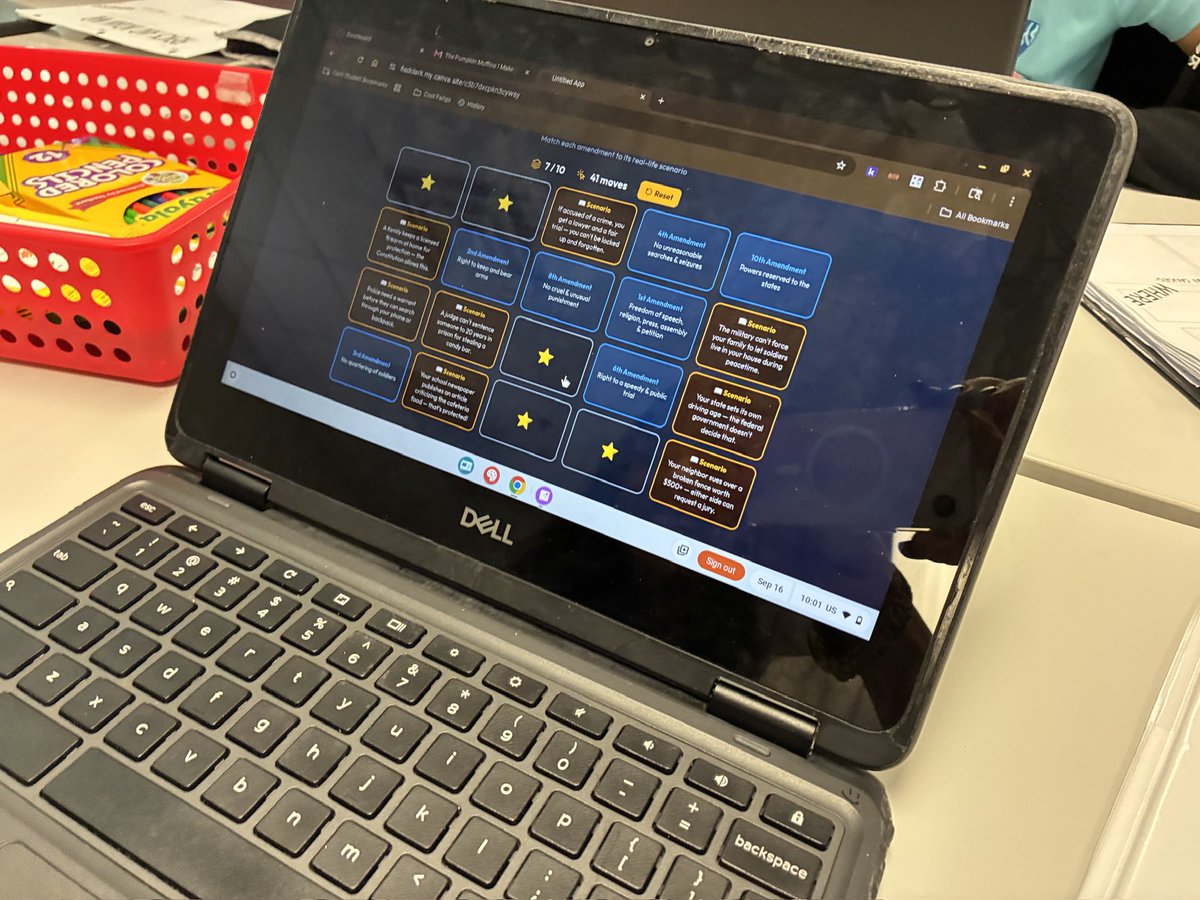
Bill of Rights in the Bag @Texas_LRE
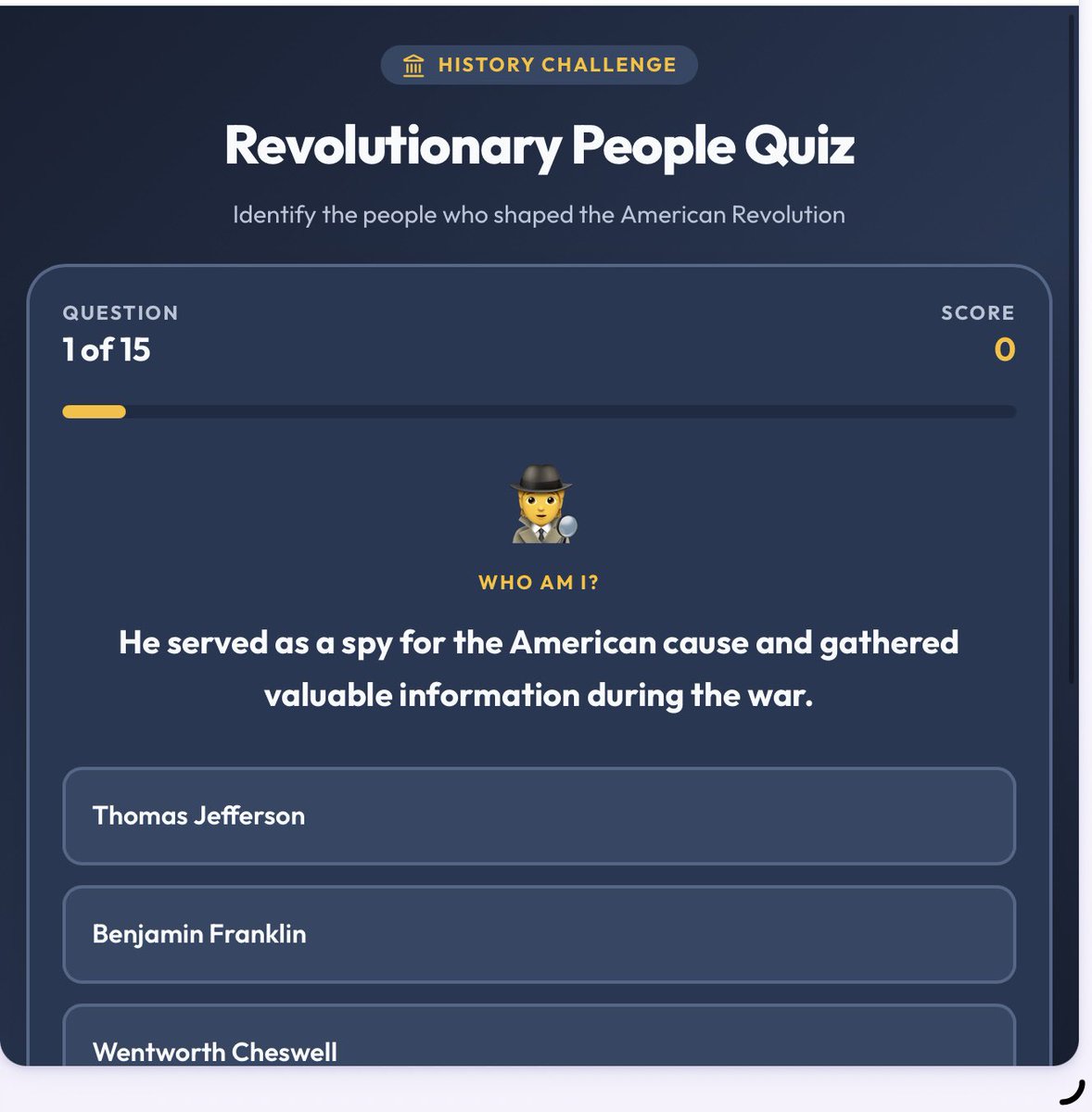
Forgot to show our cemetery of Revolutionary people
Worked in on @GetSchoolAI space then a CER X3
@ClarkMSCougars@FISDsocstudies
The week in 807
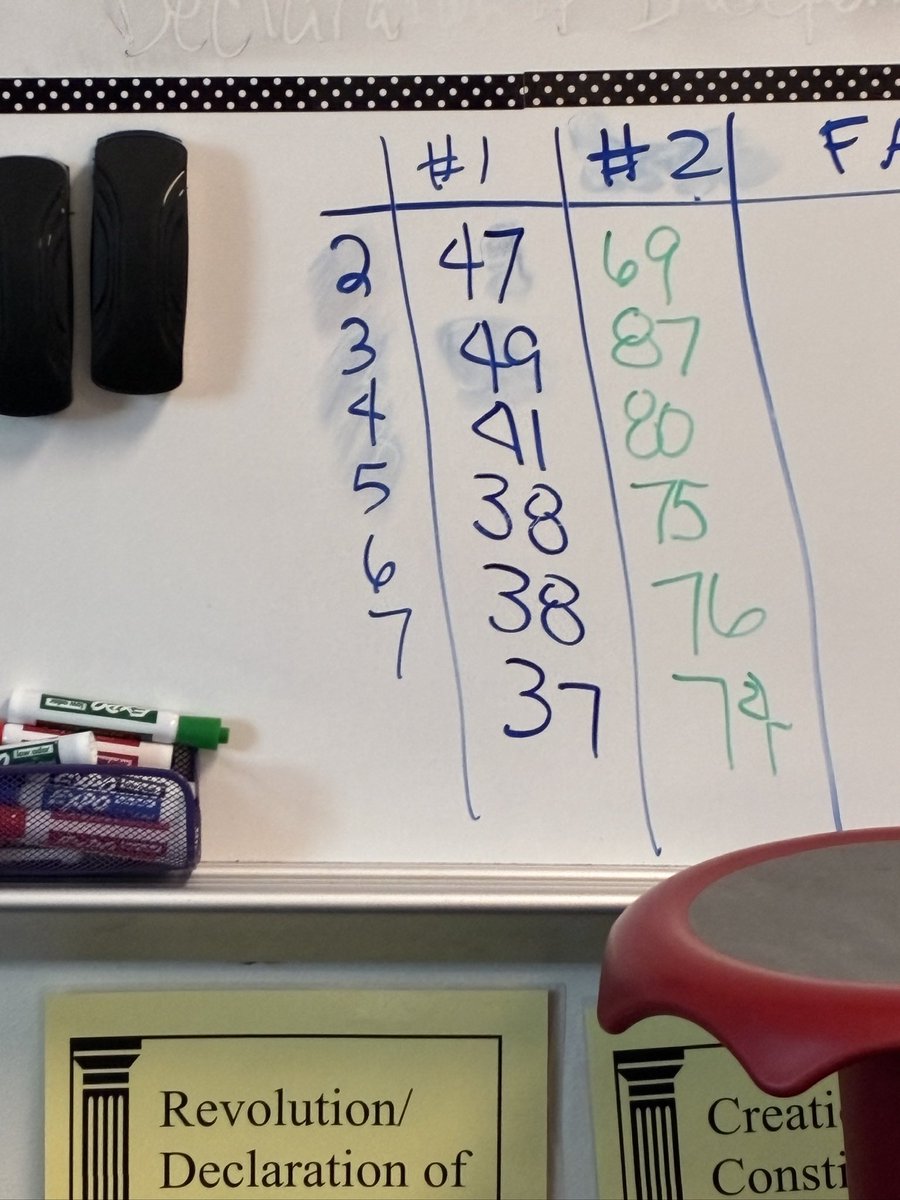
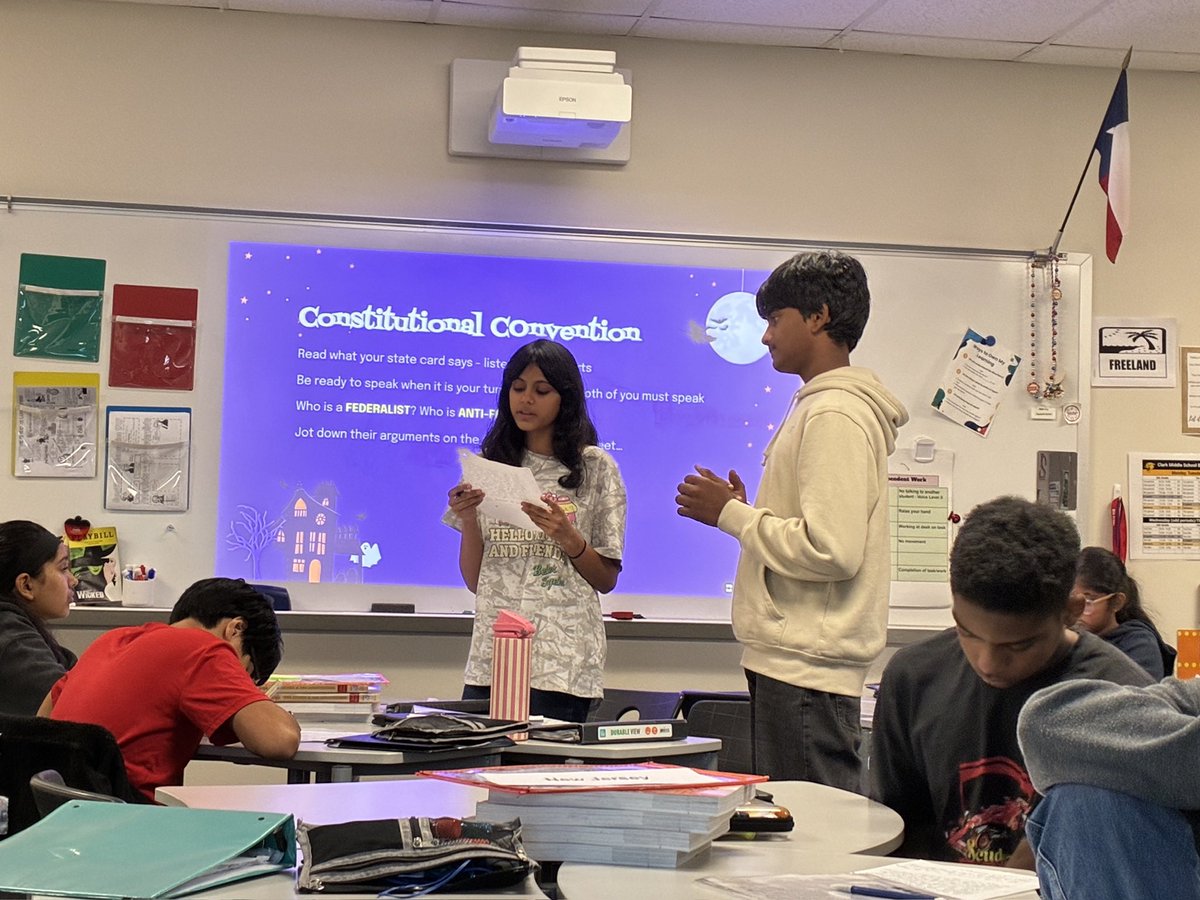
Principles of government and the Constitutional Convention
Gummy Bear Principles
Musical chairs gallery walk to give Glows or Grows feedback
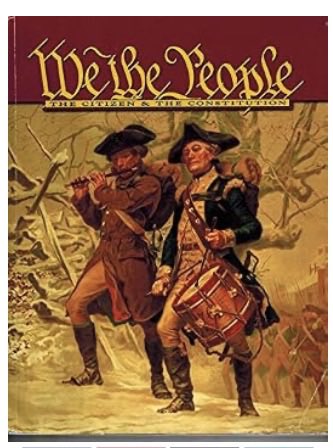
Constitutional Convention simulation from @Texas_LRE and We The People
@ClarkMSCougars@FISDsocstudies
Picture the last five minutes of class.
Four students still have unfinished assignments.
From across the room, it looks like the same problem four times.
But take a closer look.
One student never understood a skill from yesterday's lesson. Another knows the material but isn't sure what the finished assignment should look like. A third sees so many steps that they can't figure out where to begin.
And the fourth? They understand the assignment but still haven't started.
Giving all four students another reminder to finish their work probably won't solve all four problems.
Sometimes two quick questions can tell us more than another five minutes of reminders.
"Show me where you stopped."
"What do you think your next step should be?"
Their answers can help us decide whether to reteach something, clarify expectations, break down the task, or help them take that first step.
And yes, students still need to be held accountable for completing their work.
Understanding what's getting in the way doesn't mean lowering expectations. It means figuring out what kind of response will actually help.
Teachers don't have time to hold a lengthy conference over every unfinished assignment. But when the same student keeps leaving work unfinished, repeating the same reminder probably isn't the answer.
A reminder can tell students to get to work. It can't teach them what they don't know.
And knowing the difference can save everyone a lot of frustration.
The week in 807
Super short week - Fall break!
Review for American Revolution unit assessment
✔️a little Hamilton warmup
✔️a Canva review created in minutes
✔️cartooning @Texas_LRE -Ss write a story using the cartoons - 100% fun
@ClarkMSCougars@FISDsocstudies
The week in 807
Events of the Revolution
✔️FAC on @waygroundai
✔️Reading about the battles
✔️Notes on chart
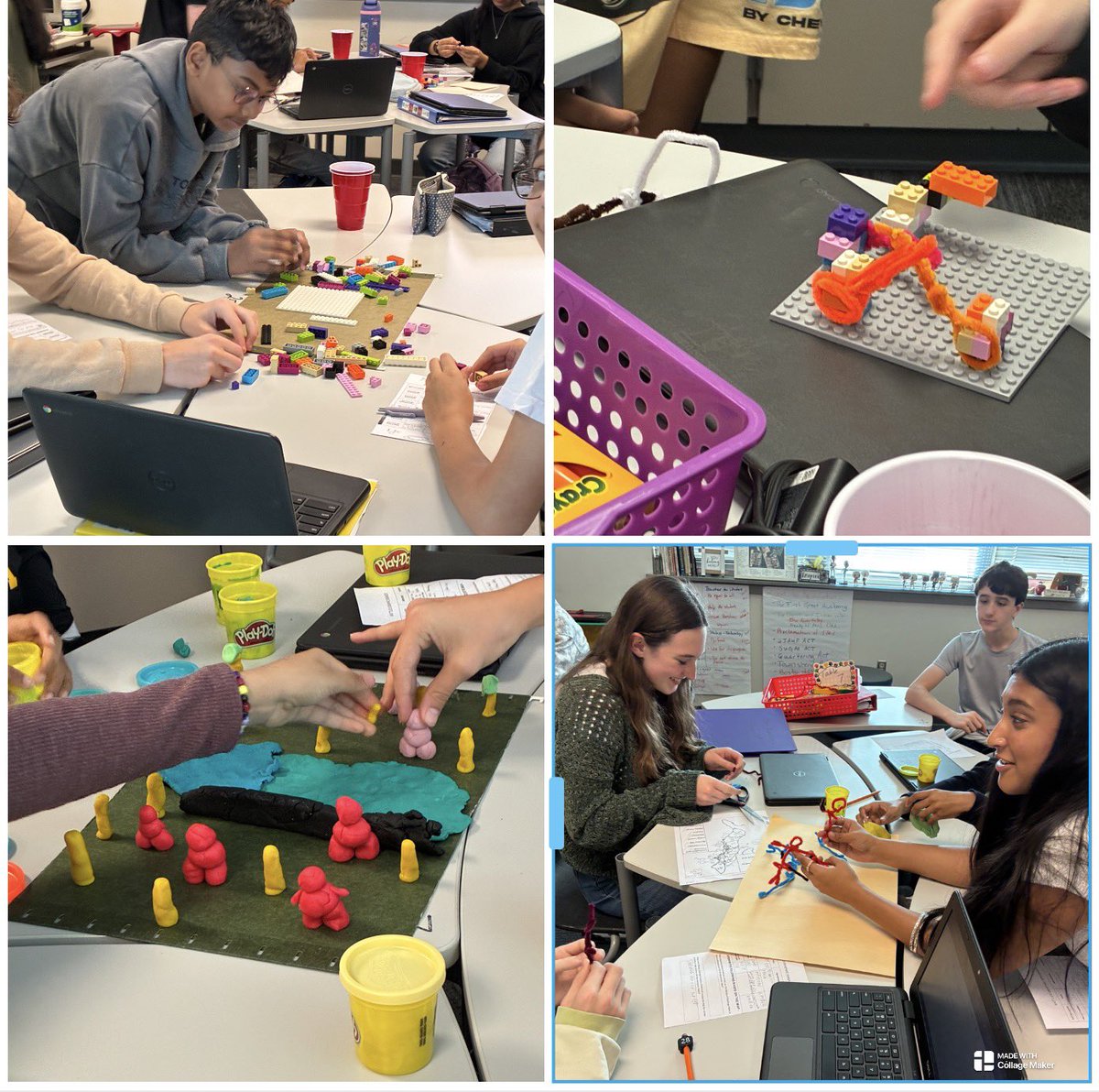
✔️Build your battle with Play Doh, Legos, and pipe cleaners
✔️Present your battle on a Thick (ish) Slide
Ss were so creative 😉
@ClarkMSCougars@FISDsocstudies
The week in 807
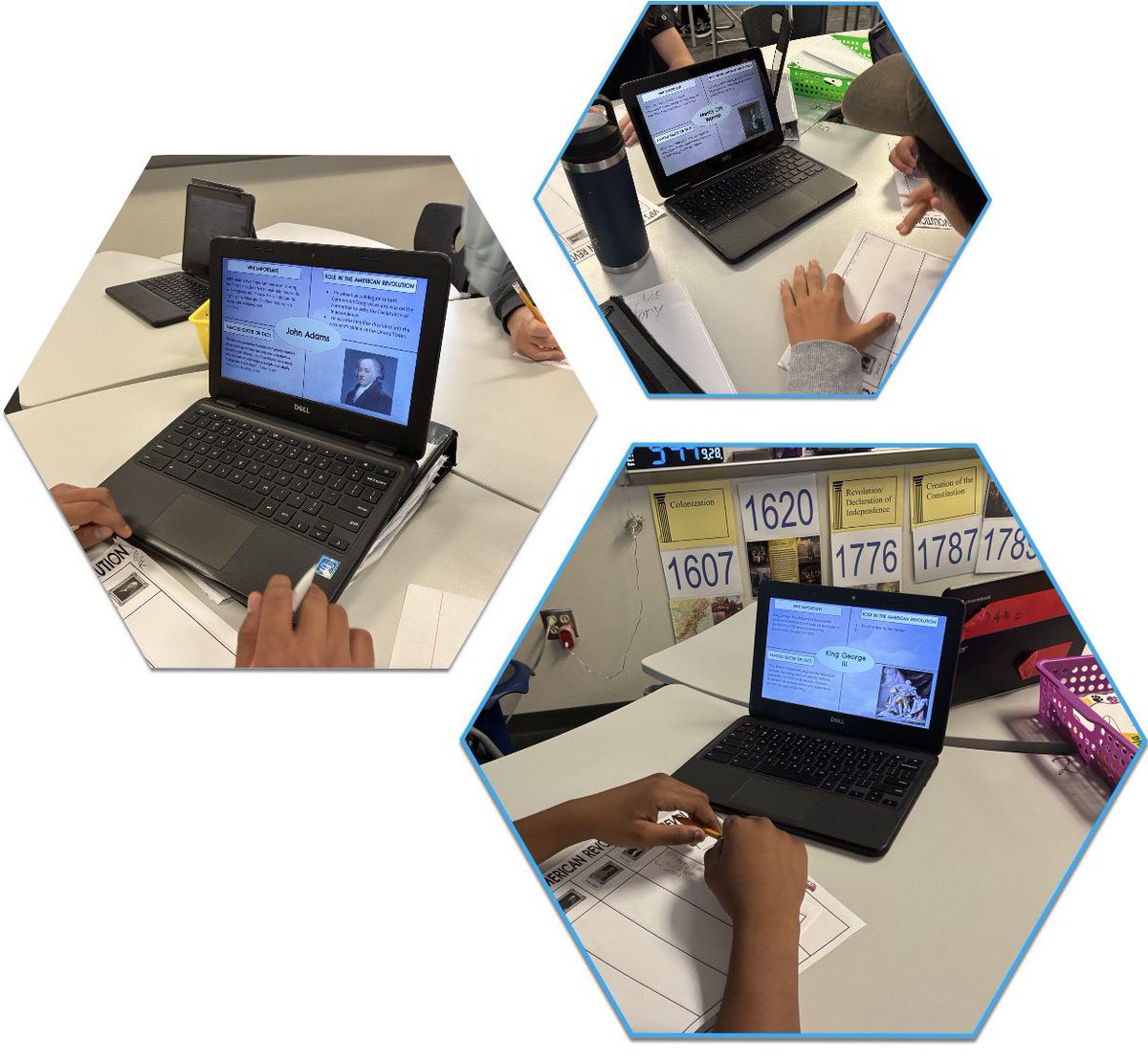
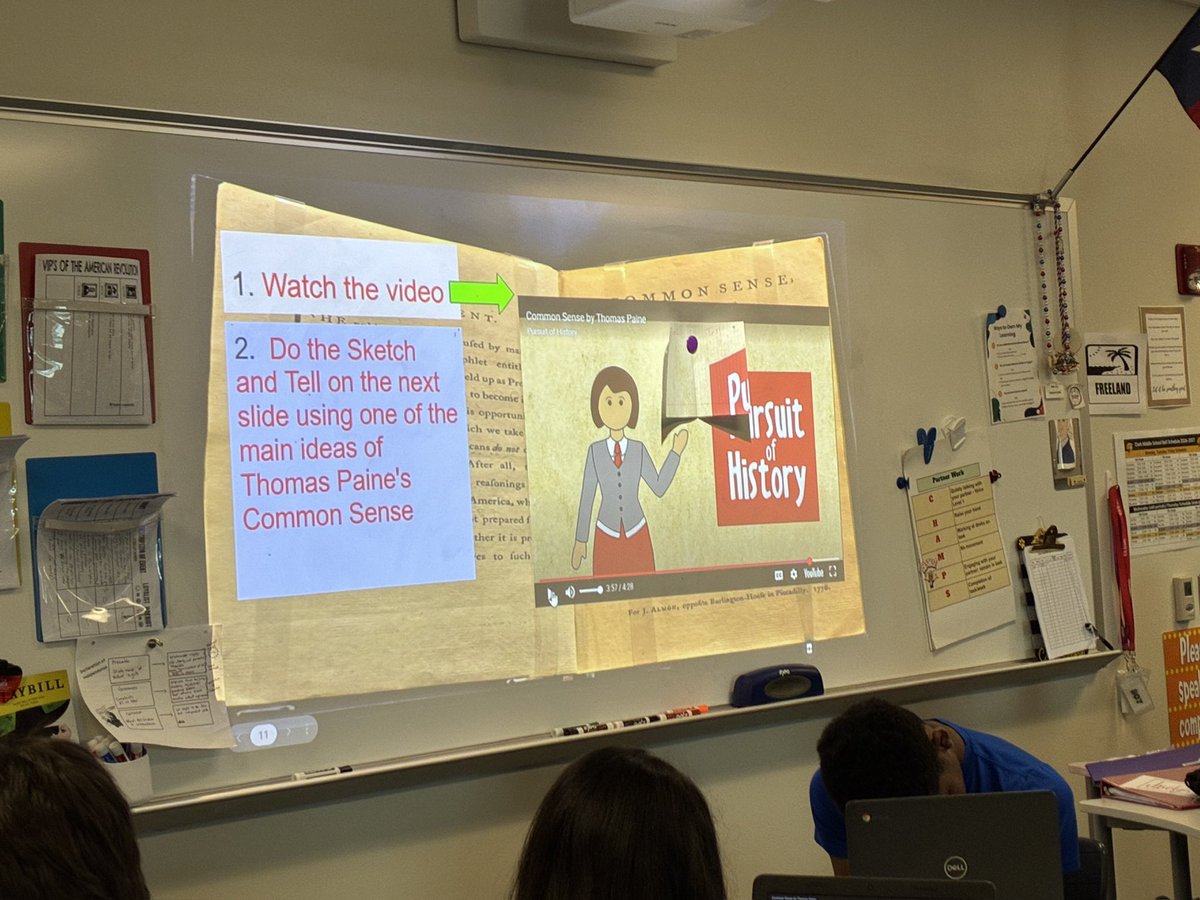
People of the Revolution then Propaganda
✔️FAC people
✔️Frayer Slide to share
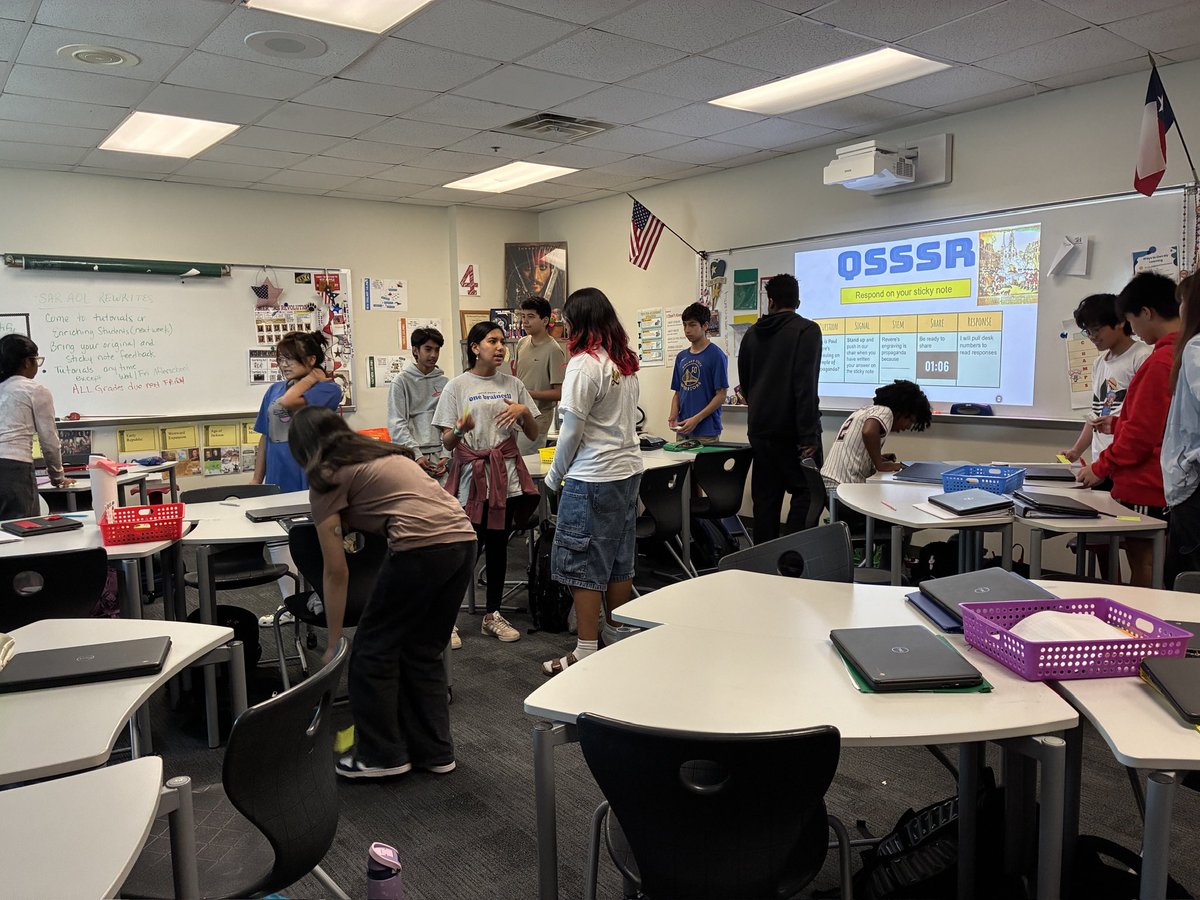
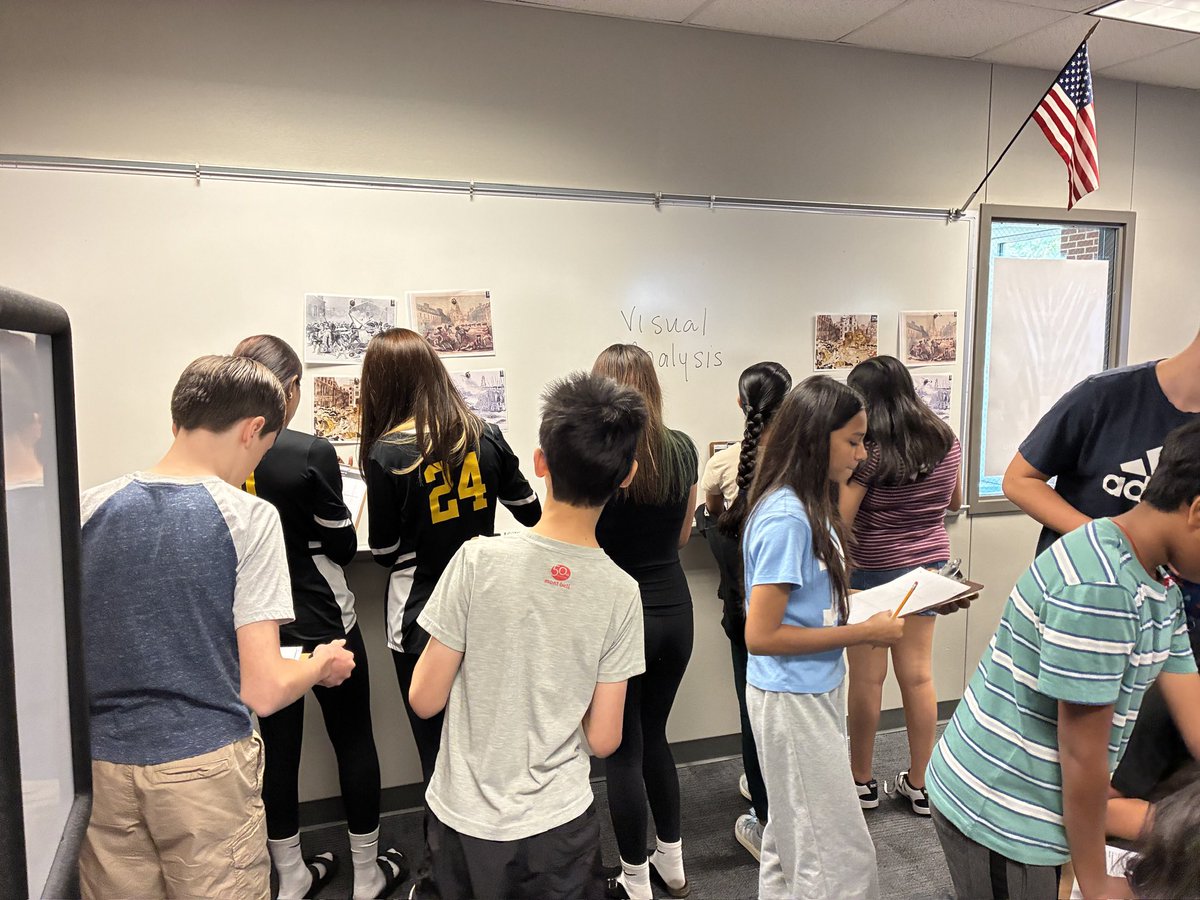
✔️QSSSR-Boston Massacre Engraving
✔️Sketch and Tell Common Sense
@FISDsocstudies@ClarkMSCougars@FISD_EB
The week in 807
Causes of the American Revolution
Started the week with the King’s candy lesson
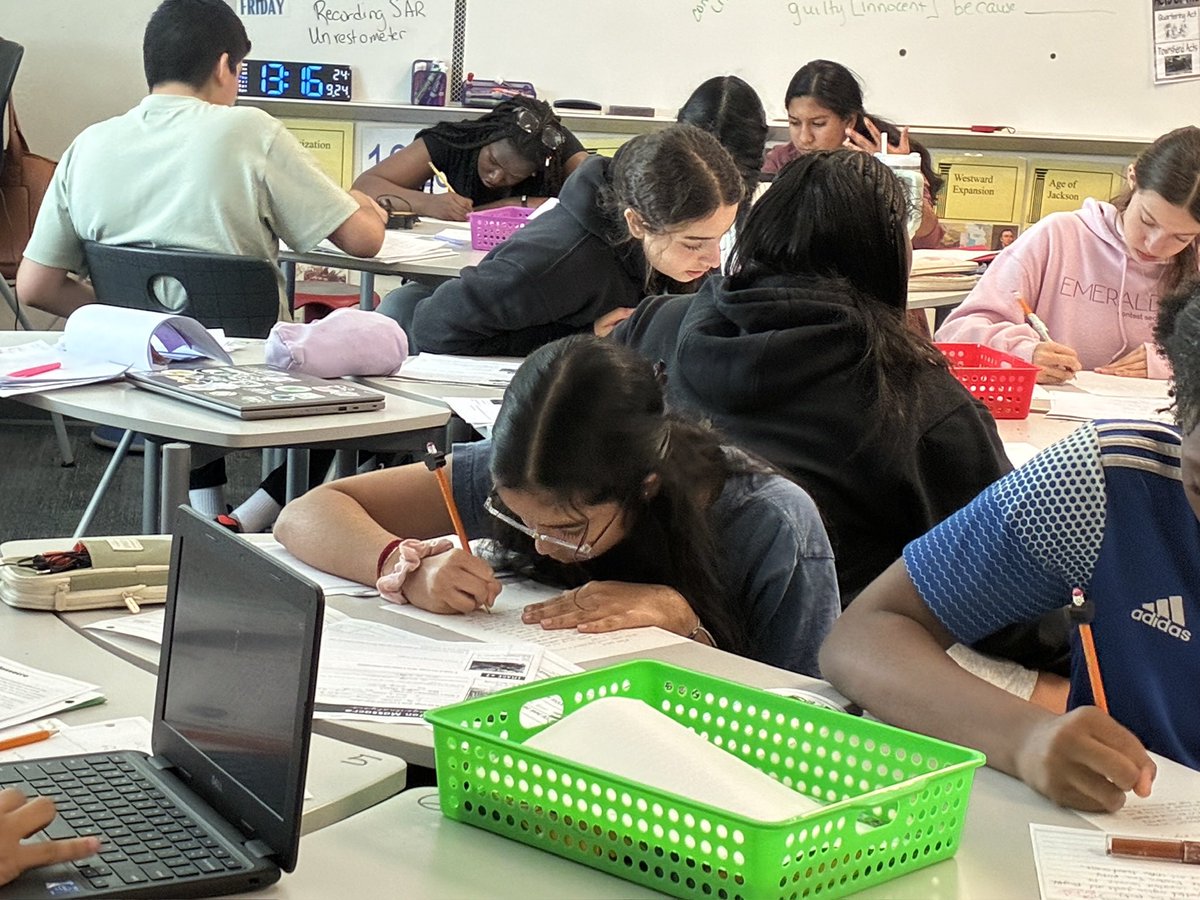
Practiced an SAR
Investigated the Boston Massacre crime scenes w/ @cbmamba
We wrote a graded SAR
Today recorded our SAR to practice communication
@ClarkMSCougars@FISDsocstudies
On this day in 1777, months before Valley Forge became the sacred name we all know, the frozen crucible where Washington's army suffered and was reborn, it was just a supply depot, and the British burned it. And the two American officers who barely escaped that raid were a pair of 20-somethings named Alexander Hamilton and Henry "Light-Horse Harry" Lee.
The context was grim. A week earlier the British had beaten Washington at Brandywine, and now General Howe's army was loose in Pennsylvania, driving on Philadelphia, the American capital. The Continental Congress had to pack up and flee the city ahead of the enemy. And the Americans had a small but valuable supply magazine at a place called Valley Forge, on the Schuylkill River, stocked with flour, grain, tools, and iron goods from the local forge. Washington sent men to save those supplies before the British could grab them.
The officers given that dangerous job were two of the most talented young men in the army. One was Alexander Hamilton, Washington's brilliant 22-year-old aide, the future architect of American finance. The other was Henry Lee, a dashing young cavalry officer who would become one of the war's great partisan leaders and, decades later, the father of Robert E. Lee. On September 18, they were down at Valley Forge scrambling to load supplies onto boats and haul them to safety when the enemy came.
It was the Hessians, German troops in British service under General von Knyphausen, and they arrived faster than expected. Suddenly Hamilton and Lee were nearly trapped. In the scramble to escape, Hamilton and a few men leaped into a flat-bottomed boat on the river to get away, while Lee and others made a run for it on horseback. The enemy opened fire. Bullets tore into the boat, killing and wounding men right beside Hamilton and holing the craft. It was a genuinely close call, one of several times in the war that the young man who would shape the nation's future nearly did not survive its present. Both officers got out, but only barely.
The supplies were not so lucky. The Hessians seized the magazine and burned it, carrying off or destroying everything the Americans had failed to evacuate. It was one more loss in a stretch of the war that was nearly all losses. Within days the British would occupy Philadelphia itself, and Congress would be governing a country from exile in a small Pennsylvania town.
And here is the strange, poignant thread that makes September 18 worth remembering. This grim little raid on an obscure supply depot is our first real introduction to Valley Forge, and it is a scene of American failure and narrow escape. Just three months later, Washington would march his beaten, freezing army to that very same ground to make winter camp, and the name Valley Forge would be transformed forever, from the place where the British burned the magazine into the place where the Continental Army, against all odds, endured, drilled, and emerged in the spring as a real fighting force. The war has a way of returning to the same ground with the meaning completely changed.