The Conservation Action Trust works for the protection of threatened species by commissioning investigations into important issues affecting them. #conservation
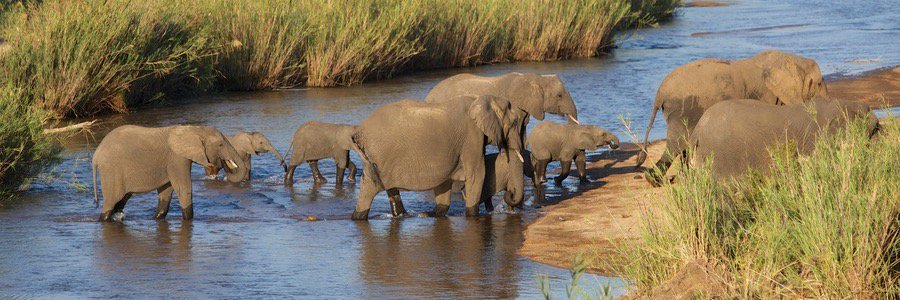
South African MPs and animal welfare groups warn that delays in managing growing elephant populations could push reserves toward culling, despite government insistence that it remains a last resort. Read:
https://t.co/UqkmW8gzyE via @sheree_bega, @mailandguardian
@NSPCA_SA appeared in Constitutional Court this week to defend the inclusion of animal ‘wellbeing’ in NEMBA. In law, the word "wellbeing" decides what must be seen, what may be ignored & how humans make decisions about wild animals. Read
https://t.co/iKfFQLNE5h by @donaldpinnock
The delay and lack of accountability regarding South Africa's elephants could push culling from a last resort to an all-too-possible outcome.
Read article by @donaldpinnock : https://t.co/HG3hiURdrq
“...no plan to relocate 1,050 elephants.”
KZN’s elephant “overpopulation crisis” framed as scientific inevitability. But official responses reveal contradictions, missing evidence, and a regulatory process lagging behind the claims.
Read https://t.co/xFlTFLUBpR by Adam Cruise.
Is killing elephants becoming normalised? Read "Madikwe reserve and the normalisation of killing elephants" by @donaldpinnock : https://t.co/Dg0JKz8d85
In a sweeping statement of support for legal trade, the report says: “The ongoing CITES prohibition on the trade in rhino horn has, however, been detrimental to the survival of the species in South Africa.” https://t.co/LJCXRY9r7o
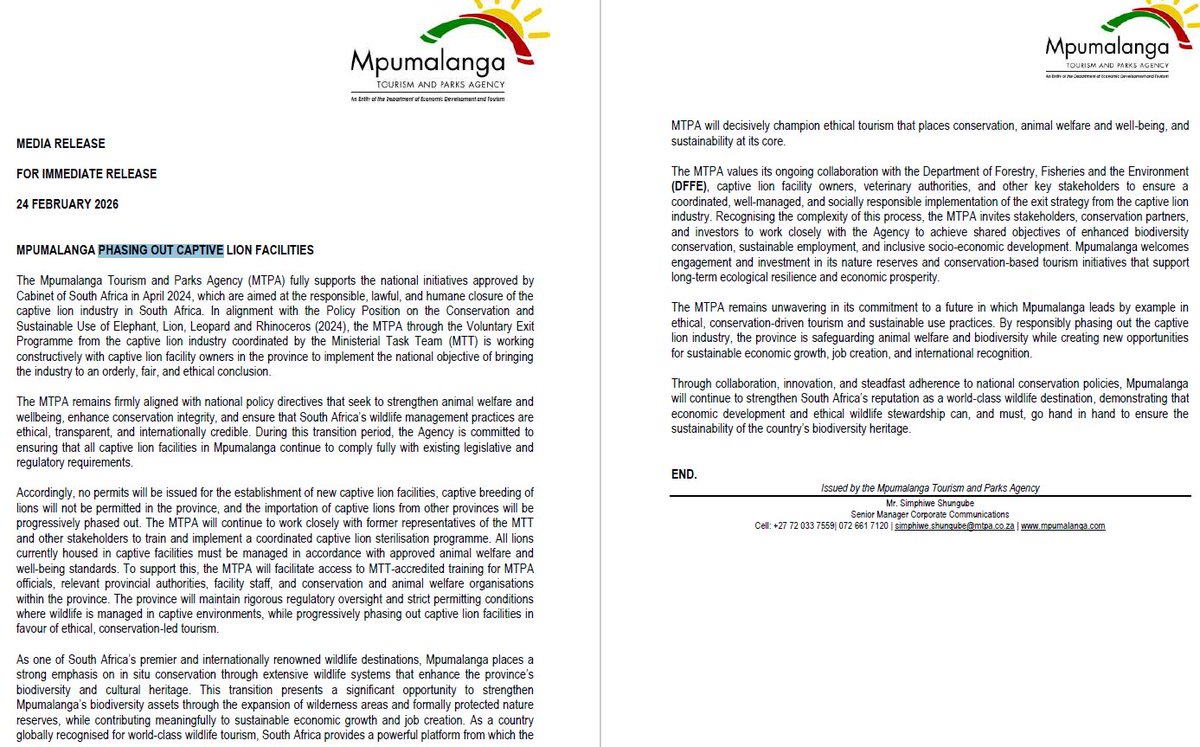
Just as many expected a retreat from wildlife reform, Mpumalanga has taken the opposite step, the MTPA, framed the move as a matter of principle. It’s the issue of the exploitation of the lions… this thing of exploitation of lions is a problem.”
https://t.co/A3IQ9wWUJJ
Mpumalanga is leading the way for humane wildlife management! "Mpumalanga Tourism & Parks Agency is phasing out captive lion facilities." "Working with captive lion facility owners to bring the industry to an orderly, fair, and ethical conclusion." https://t.co/lrgTf9RJSp
"The planned phase-out of the captive lion industry remains on track, endorsed by provinces and advanced through committee recommendation." – Time for change?
https://t.co/eN5QjBFlUE
“I don’t see wildlife simply as a financial asset. Once that becomes the dominant logic, the regulatory system starts bending to fit it.” — Former Minister Dion George on the risks of prioritizing revenue over true conservation.
https://t.co/jPOpu4dSmi
" It's horrific, cruel, needless and driven purely by entertainment and profit." Cubs are separated from their mothers shortly after birth and used for petting and bottle feeding, but they end up in canned hunting, or killed for the bone trade.
https://t.co/jQBPLBUwZE
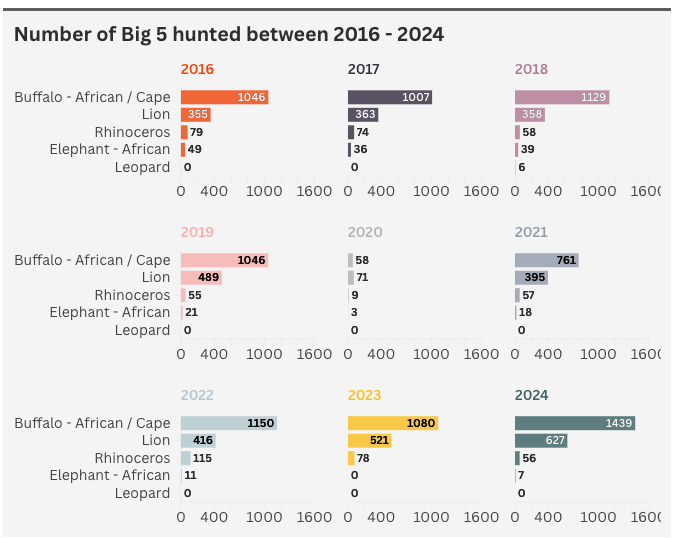
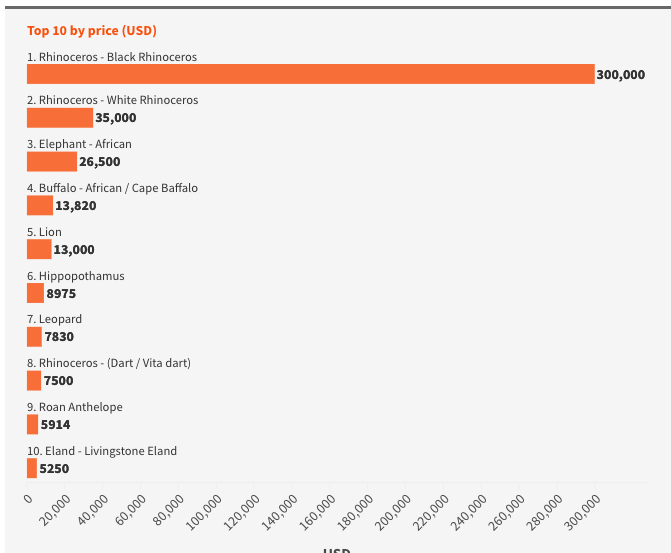
RSA’s hunting stats record the killing of elephants and rhinos, species recognised as facing severe pressure. Elephants hunts in the RSA have been marketed in the range of R600K - R1M+ each, Rhino at R1.5M - R3M each... killing as a conservation tool, erode ethical limits rapidly
Trophy hunting: a vast, industrialised system, normalised by regulation, sanitised through conservation rhetoric, and sustained by political accommodation - a market-driven economy of killing, dominated by affluent international consumers.
https://t.co/cUQwdTOz6w
Botswana, home to the largest remaining population of African elephants - is losing this wildlife asset at a rate far higher than officials have acknowledged - Poachers and trophy hunters are both targeting the same elephants: older bulls with big tusks. https://t.co/ioI2rcYAMI
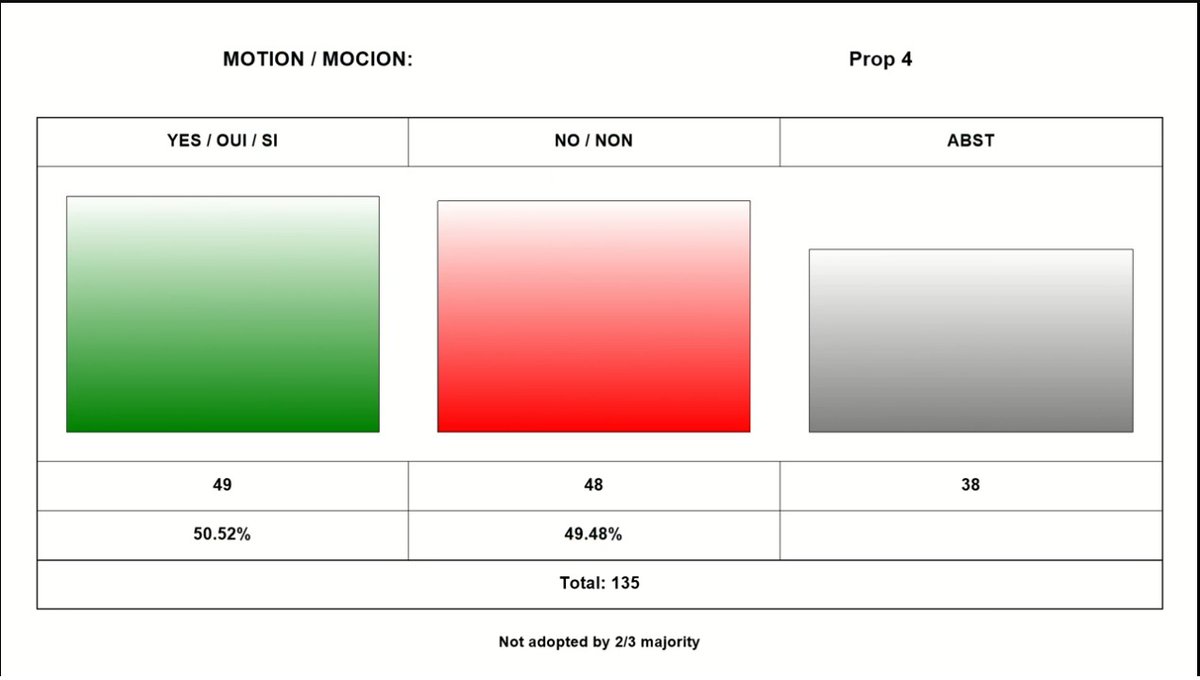
They argued that these populations are stable or increasing and do not meet the criteria for trade regulation due to sustainable management and low poaching risk. The proposal was NOT adopted by a 2/3 majority.
Report back from CITES COP20 - Proposal 4 - submitted by Angola, Botswana, Eswatini, Malawi, Mozambique, Namibia, South Africa, Tanzania, and Zimbabwe proposed excluding their populations of the southern giraffe from the Appendix II listing.
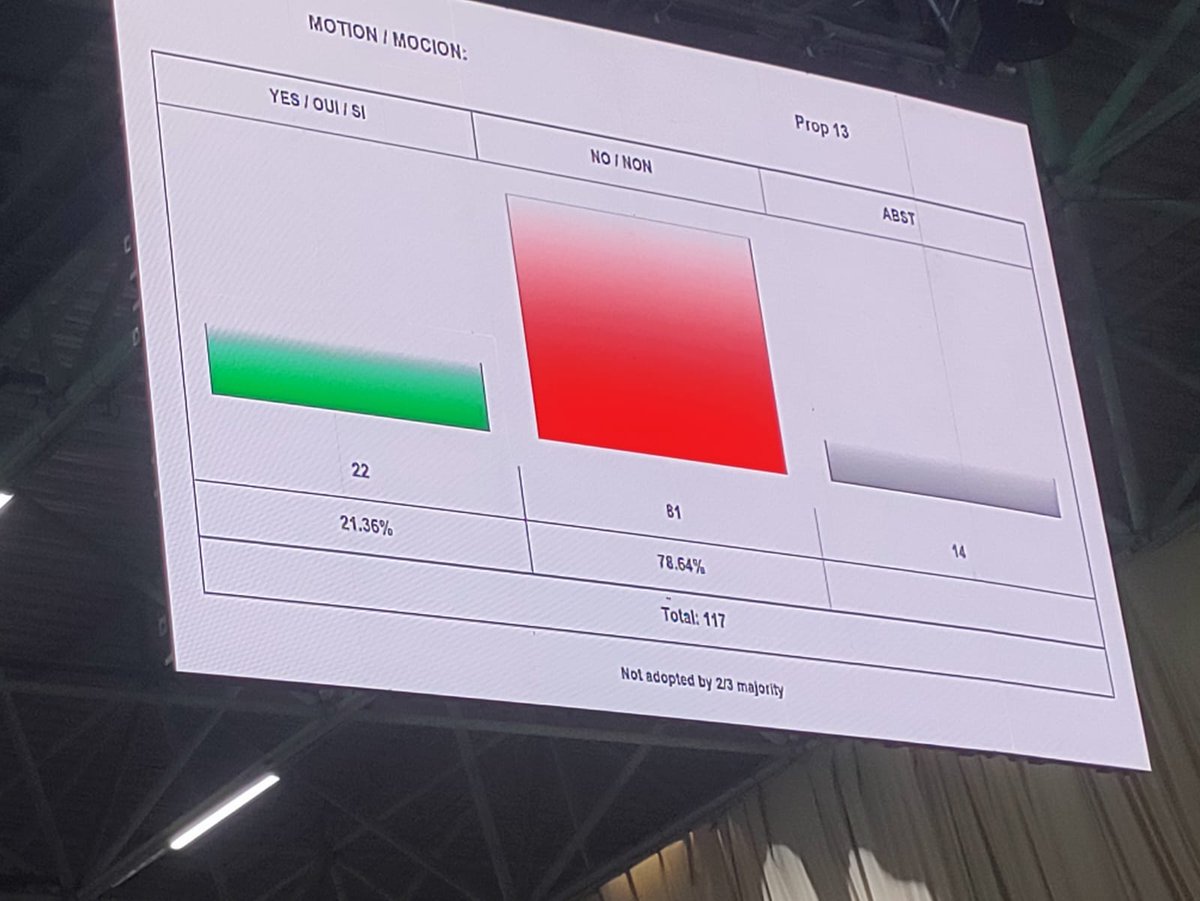
Report back from COP20 - Proposal 13 - Trade in registered ivory stocks of Namibian origin: Namibia seeks approval to trade more than 46 tonnes of registered raw ivory (whole tusks and pieces)
for commercial purposes. - REJECTED
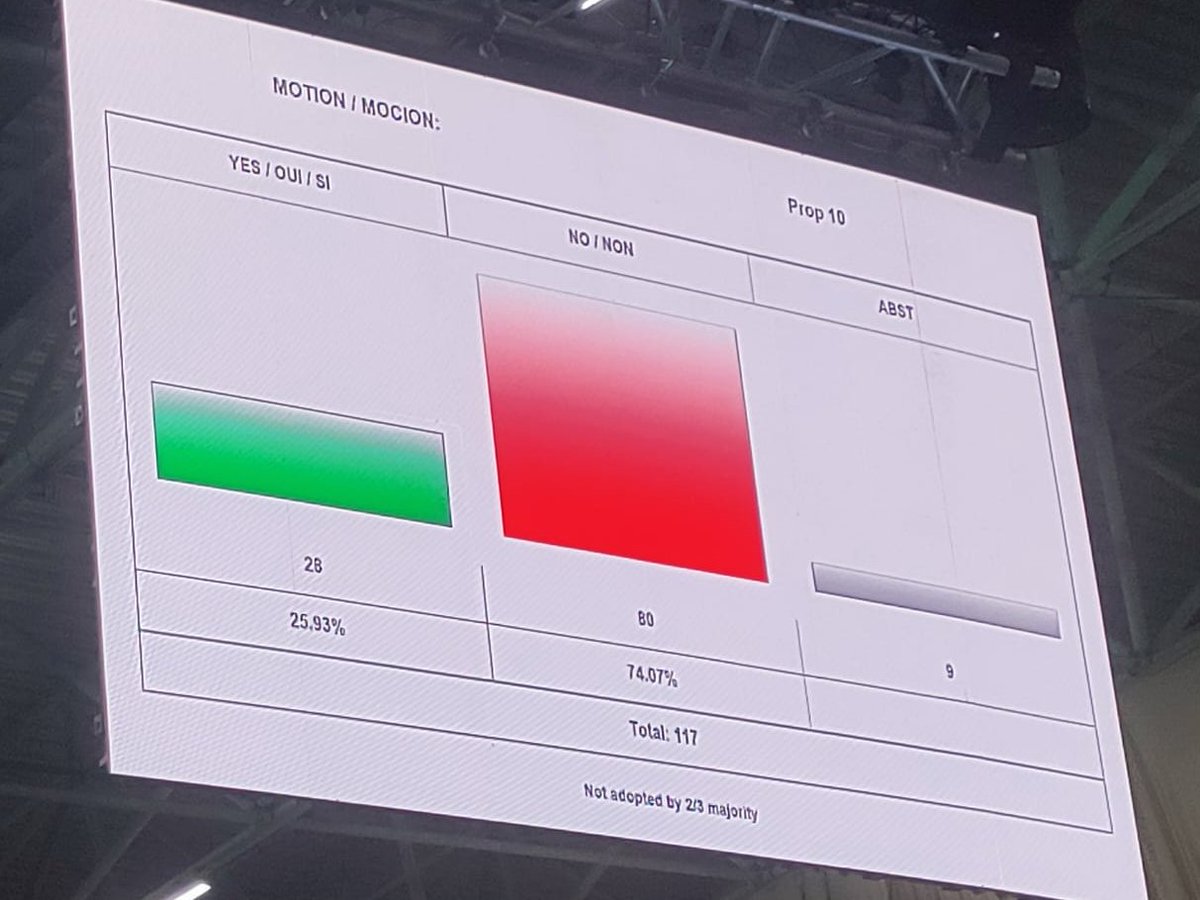
Report back from COP20 - Proposal 10 - Transfer the population of Diceros bicornis bicornis (Black Rhino) of Namibia from Appendix I to Appendix II with an annotation to allow for international commercial trade in rhino horn (Namibia) - REJECTED