Together with @zodl_co, @ZcashFoundation, @ValarGroup and @ShieldedLabs, we're advocating for a network upgrade that would make ZEC's circulating supply auditable, providing additional reassurance that no counterfeiting occurred in the Orchard pool before this week's bugfix.
https://t.co/uPeinopdgf
Trying to standardize barter seems anti-barter. If only there were some type of contract that was smart enough to convert value in flight to meet both sender and receiver needs...
Ethereum is a technology. It is not a cult.
A grant is a payment of an invoice. A receivable of money that is meant to cover a portion of USD/EUR etc. denominated expenses.
An invoice that is taxed at a given % with the $ value at time of receival.
A few hours or days later having 10% less is insane. You not only have less money to do the thing you were tasked to do. You owe the exact same % on taxes, taxed on money you do not have.
Grantees should not have to suffer those consequences. The grant sizes have already been reduced considerably as money is running out of the ecosystem.
Asking grantees to submit to purity tests like being forced to be paid in ETH is simply idiotic.
Maybe this vuln was exploited. Maybe it wasn't. Maybe we'll learn more in the coming months.
But everyone debating how to measure shielded pool balances indirectly is because they're very effectively shielded.
Not everything has to be BTC. Some intentionally not.
This is actually slightly bullish ZEC. Let's game it all the way out.
A short thesis assumes exploit was discovered recently. If found 3 years ago, they'd carry timing risk, margin costs, funding costs, and be called several times over. You can be right and still get liquidated
The game theory of "exploiting" the Zcash bug is much more complex.
"If the Zcash bug were exploited, we would have seen a large outflow from the Orchard pool."
No, it's not that simple.
A sophisticated hacker would not have just withdrawn from the shielded pool and sold tokens. Why? Because once they are out of the pool, there is basically no way to launder a large sum of money.
The orchard pool itself is actually the best way to launder counterfeit ZEC. The best scenario for a hacker is if (1) they remain the only party with counterfeit ZEC and (2) the Orchard pool remains in operation (not drained), so the hacker can launder the ZEC slowly (say, direct OTC within the Orchard pool over a longer period of time).
Can we rule this out? Yes, this can be ruled out if we ask most ZEC holders in Orchard to withdraw (i.e. drain the pool).
Another angle of attack that could have been executed which is hard to rule out: the hacker could have taken a large but ordinary-looking short position on ZEC after finding the exploit. This strategy is even plausibly deniable--you can reap rewards from knowing about the exploit early with little risk. Since there's a liquid perp market on ZEC, it's possible to "hide" a significant short position (worth millions) without moving markets significantly or leaving suspicious traces.
A sophisticated hacker could have run a combination of the two strategies above.
@threewishfail Everyone falls in a few groups:
>Holders of competing privacy protocol
>KOLs with zero exposure to crypto
>Security researchers
>Traders
Do not let incentives influence your thinking.
This take sums up my thoughts.
say what you want but
ct’s cypherpunk nerd era was infinitely better than whatever we have going on right now with casino badges and self-important VCs on the timeline
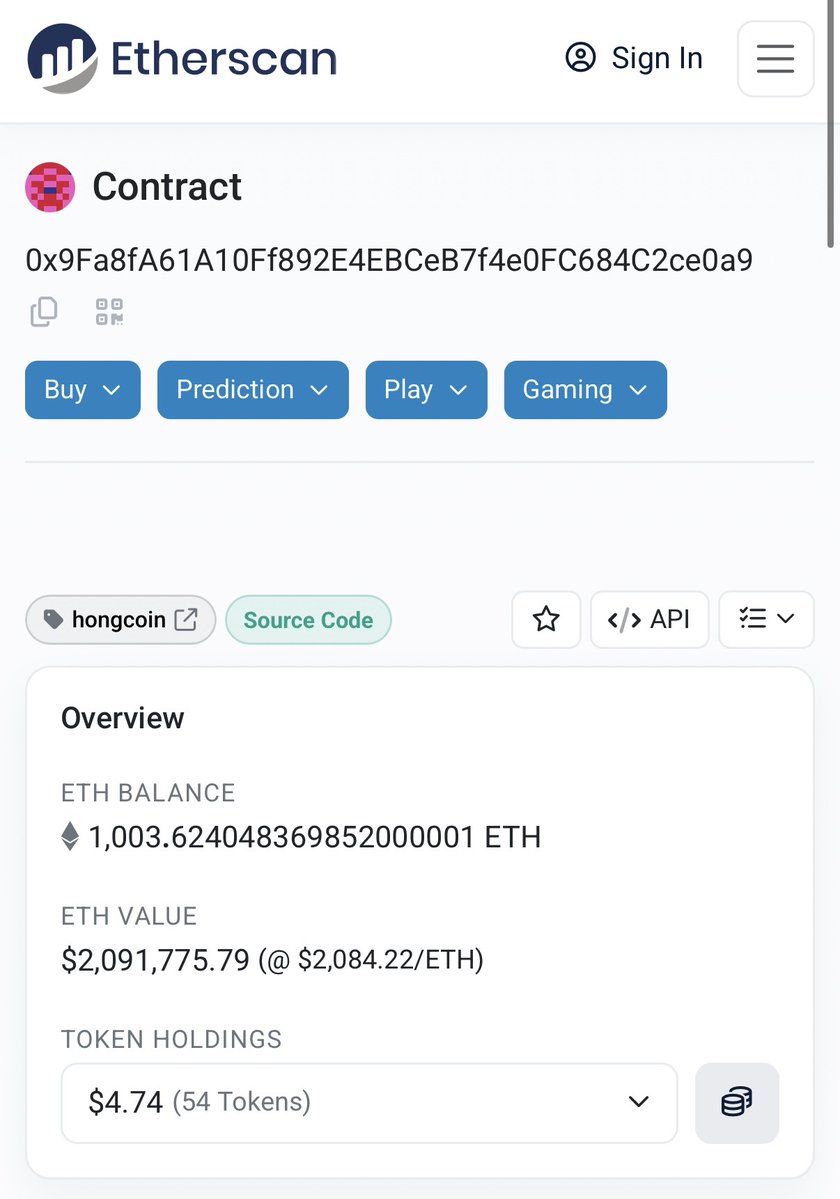
First white-hat exploit on Ethereum: I unlocked 1,003.62
Ξ ($2,000,000) trapped in a 2016 ICO smart contract
for 9 years.
The 48 original investors can now claim their funds.