30,000 hours of footage, equivalent to 3 years and 7 months, were filmed to capture the blooming of 77 types of flowers, and the result is spectacular.
05.06.1967 розпочалась Шестиденна арабо-ізраїльська війна. Ізраїль встановив контроль над Синайським півостровом, Сектором Гази, Західним берегом ріки Йордан, Східним Єрусалимом та Голанськими висотами. Втрати Ізраїля 983 вбитих; Єгипта, Йорданії, Сирії, Ірака -23,5 тис
Galerina autumnalis, "Autumn Skullcap"
Highly toxic, fatal to humans if consumed. Contains amatoxins (alpha-amanitin), the same as Death Caps. Just a few of these tiny caps can kill. Symptoms hit 6-24 hours post-ingestion and include: vomiting and diarrhea at first. Toxins severely affect the liver which results in gastrointestinal bleeding, a coma, kidney failure, then death, usually within seven days of consumption. Death rate is high (50-90%) without treatment like IV fluids or liver support.
Caps are 1-4 cm wide, starting convex then flattening, light brown to tawny-brown, smooth and slightly sticky when wet, drying paler with a darker center. Gills are pale brown, turning rusty-brown as spores mature, producing a rusty-brown spore print. The stem (3-6 cm tall) is slender, brown, with a small, fragile ring that often disappears, growing on decaying logs, stumps, or buried roots, in forests or grassy areas across North America and Europe, primarily in fall.
@drkeithsiau STT3B is required for α-amanitin toxicity and its inhibitor, indocyanine green (ICG), can be used as a specific antidote (subject to approval)
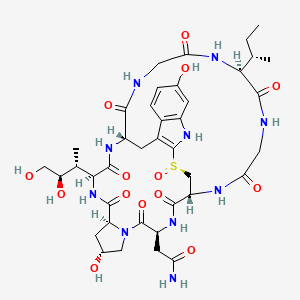
The lethality strategy of Amanita phalloides, the “death cap” mushroom, lies in a small cyclic peptide, α-amanitin. It does not “kill” in the classical toxicological sense of disrupting membranes or ion channels.
It does something more fundamental: It disconnects the genome from the proteome.
Cells continue to exist structurally—but lose the ability to renew themselves molecularly.
Let's see how it happens....
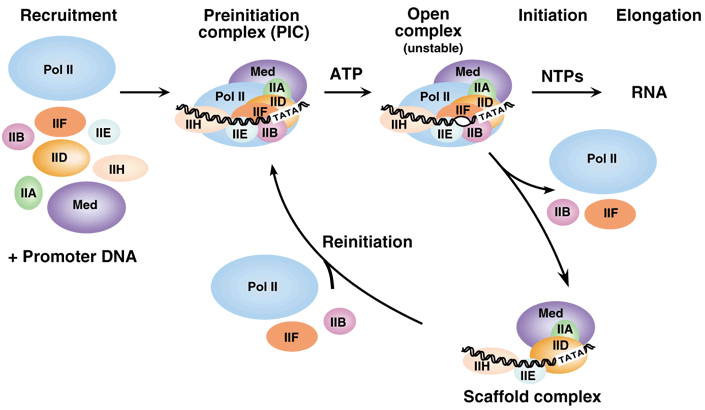
*⃣ α-Amanitin binds with high specificity to RNA polymerase II, the enzyme responsible for synthesising mRNA in eukaryotic cells.
Mechanistically, the toxin does not block DNA binding per se. Instead, it locks the enzyme in a translocation-incompetent state, dramatically slowing nucleotide addition (by >1000-fold), effectively halting elongation.
*⃣ Once transcription stops, the consequences are not immediate—but they are inevitable.
Cells are not static. Many proteins, especially regulatory and metabolic ones, have short half-lives. Without continuous mRNA production:
- Protein synthesis declines
- Critical proteins are depleted (metabolic enzymes, cytoskeletal components, anti-apoptotic factors).
- Cellular homeostasis fails (mitochondrial dysfunction, oxidative stress, loss of membrane integrity).
- Cell death ensues, through a mix of apoptosis and necrosis.
*⃣ Clinically, the most striking damage occurs in hepatocytes. This is not accidental.
- After ingestion, amatoxins are absorbed in the gut and transported via the portal vein directly to the liver.
- Hepatocytes express uptake transporters that actively concentrate the toxin.
- The liver also has high transcriptional and metabolic demand, making it exquisitely sensitive to transcriptional arrest.
- The result: massive centrilobular hepatic necrosis.
*⃣ If α-amanitin is such a potent inhibitor of RNA polymerase II, why is Amanita phalloides itself not poisoned?
- The fungal RNA polymerase II has amino acid substitutions in the amanitin-binding region. These changes reduce binding affinity of α-amanitin and preserve catalytic function despite the presence of the toxin.
- Intracellular organisation adds another layer of protection. Amatoxins are synthesised and stored in vacuoles or vesicular compartments while RNA polymerase II operates in the nucleus.
*⃣ Most toxins interfere with function.
Amatoxins interfere with the capacity to maintain function over time.
And in a system as dynamic as a living cell, that distinction is lethal.
Supplementation with Vitamin D or calcium, or both does not help prevent fractures or falls. From a new systematic review of 69 randomized trials and >150,000 participants