#CineDebate en torno a 2001: Odisea del espacio la obra maestra de Stanley Kubrick que explora la evolución de la humanidad, el descubrimiento de inteligencia extraterrestre y la relación entre el ser humano y la tecnología @Fedemast@oswaldo__zavala
@Fedemast@Context000@Milenio@dominga_milenio Fagocita todo, es nueva palabra tan vieja en mi vida. Mucha suerte a esos weyes siempre. Y a todos lo que hagan la musica y lo que les gusta.
Mi crónica sobre la grandiosa banda Titán. Espero que la disfruten.
Titán dentro de una gomichela: la banda electrónica ahora hace cine y cambia de forma via @milenio https://t.co/4D2TFJyUaJ @dominga_milenio
#CineDebate en torno a #GhostInTheShell una profunda meditación filosófica sobre nuestra alma. Y también una distopía en la que los recuerdos pueden ser hackeados, los cuerpos reemplazados y la conciencia perderse en un infinito mar de datos @Fedemast@oswaldo__zavala
Michael Mann couldn't shoot Collateral on film. The cameras couldn't see Los Angeles at night the way he wanted. So he picked a digital camera no other major Hollywood movie had used. The crew was still building parts for it during the shoot.
Mann was chasing a specific look. Around 10 or 11pm in LA winters, a low cloud bank drifts in off the ocean and settles about 1,200 feet up. The orange sodium streetlamps below light up the bottom of those clouds and turn the whole sky into a soft, hazy glow. Mann said it looked like winter in England.
Movie film couldn't see that. To shoot a single downtown block clearly, the crew would have had to bring in massive lights and brighten up entire streets just to make the buildings visible. Even with the lens open as wide as it goes to pull in any available light, almost nothing outside the foreground would stay in focus.
The camera Mann picked was the Thomson Viper, brand new and not really ready for production. There was no memory card or storage inside the body. It had to be plugged into a separate hard drive with a cable.
About 80% of Collateral was shot digital. The other 20% on regular film was mostly the Korean nightclub shootout, where the bright club lighting gave the crew plenty to work with.
The coyote scene only exists because of the digital camera. Mann didn't plan it. A small pack of coyotes wandered across an empty street between takes, and because the camera could see in near-darkness, the crew just rolled. On film, that shot would have required lighting up the whole intersection first.
The helicopter shots over the city work the same way. Palm trees against the night sky, the downtown skyline lit only by the city's own light. On 35mm film, none of that would have shown up.
The movie cost $65 million to make and earned $220 million worldwide. It won Best Cinematography at the BAFTAs, the British version of the Oscars, and helped push Hollywood toward digital cameras for night shoots.
One catch. That orange light Mann chased is mostly gone now. Starting in 2009, LA began replacing its sodium vapor streetlamps with white LEDs. By 2013 the city had swapped out 141,000 of them. Today the lighting system is 98% LED. The Los Angeles you see in Collateral doesn't exist anymore.
The first teaser trailer for ‘LA BOLA NEGRA’ has been released.
Directed by Javier Calvo and Javier Ambrossi.
In theaters in Spain on October 2 and Movistar Plus+ following its theatrical run.
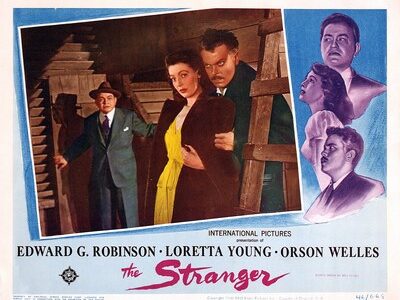
A 4K restoration of Orson Welles' THE STRANGER — led by @cinemathequefr and the @librarycongress in collaboration with @AmazonMGMStudio — was screened on May 19 at the Cannes Film Festival as the film marks its 80th anniversary.
https://t.co/O045JfENl9
#CineDebate en torno a #PalmSprings una comedia romántica que mezcla humor, drama y ciencia ficción para dar sentido a la vida de sus protagonistas que buscan escapar de la rutina infinita. @oswaldo__zavala@Fedemast
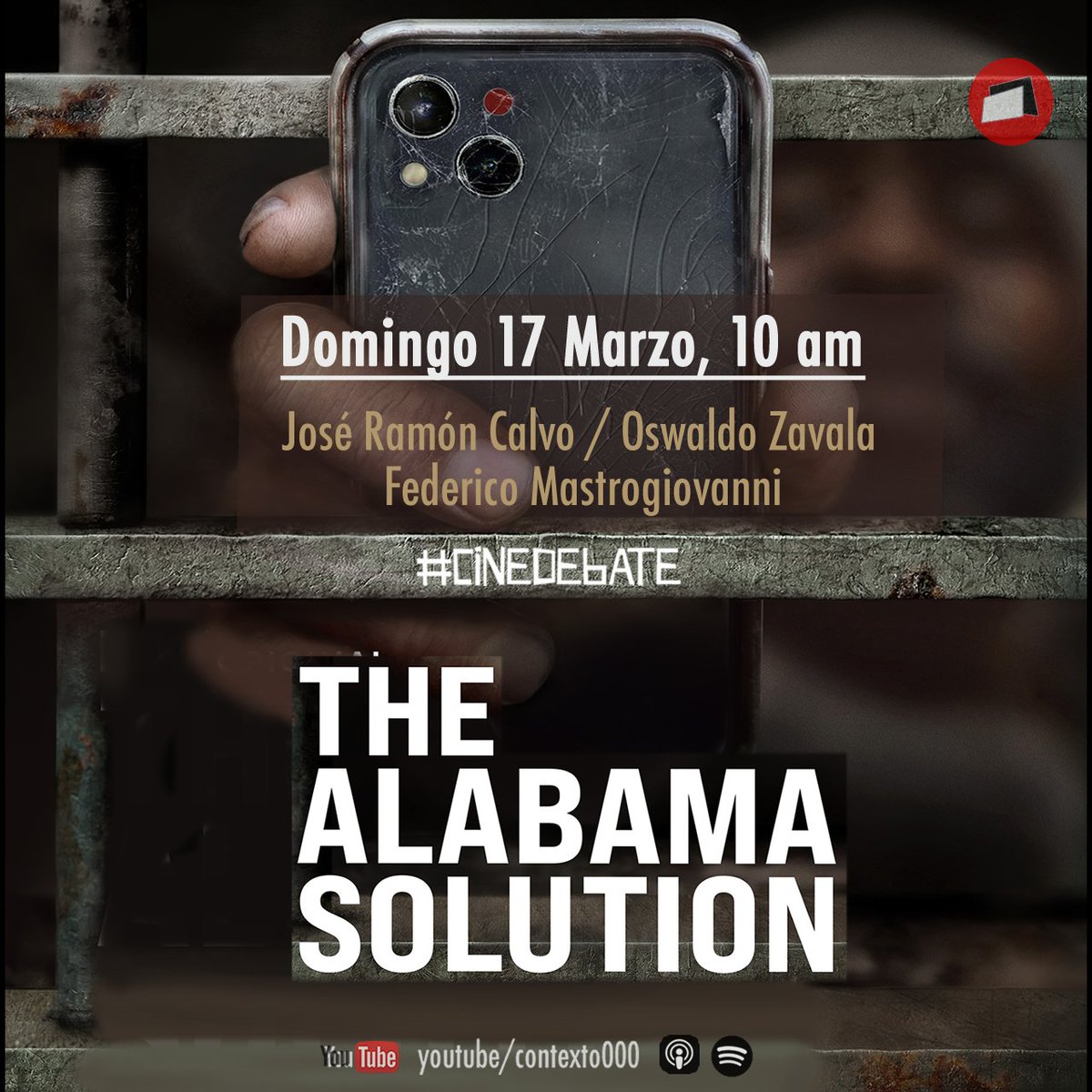
El alarmante aumento de la población penitenciaria en México conecta con #TheAlabamSolution de acuerdo a la lectura de @oswaldo__zavala en #CineDebate Pueden ver el video completo aqui: https://t.co/qDj45hXdXy
Thrilled to debut a webpage dedicated to the lost cut of Orson Welles’ THE MAGNIFICENT AMBERSONS. It features a screenplay-style format of the 131-minute edit, as well as a PDF of the RKO cutting continuity. Also, photos & storyboards of deleted scenes. https://t.co/Vu4qX8q3QA
#CineDebate en torno a #TheAlabamaSolution un documental grabado de forma clandestina por los propios reclusos utilizando celulares de contrabando, mostrando violencia sistemática y una alarmante tasa de muertes no investigadas @Fedemast@oswaldo__zavala Pueden verlo en @HBO
#Cannes jury president Park Chan-wook says "I don’t think politics and art should be divided."
" I think it’s a strange concept to think that they’re in conflict with each other. Just because a work of art has a political statement, it should not be considered an enemy of art. At the same time, just because a film is not making a political statement, that film should not be ignored. Even if we are to make a brilliant political statement, if it’s not expressed artfully enough, it would just be propaganda. So what I want to say is that art and politics are not concepts that are in conflict with each other, as long as they are artistically expressed, they are valuable."
Bresson: “For me, the order and position of characters and the framing of a shot are the essence of cinema. They’re much more important than the simple, dramatic action, which is only revealed through the form the shot takes. In cinema, what matters is the form,.. 1/2