Audit readiness shouldn’t start when the request arrives.
A PBC / evidence index should track:
→ Request
→ Owner
→ Evidence location
→ Due date
→ Status
→ Review
REQUEST → OWNER → EVIDENCE → REVIEW → READY
Maintain the evidence system all year.
#GRC#AuditReadiness
SCOOP: Major U.S. banks are detecting unauthorized third-party AI agents inside customer accounts, including some attempting to take actions that appear to be independent of user instructions, sources told Axios.
The findings have alarmed banking executives, who are racing to restrict access to their systems as AI moves at a velocity faster than financial institutions can respond, multiple industry and bank executives told Axios.
Several banks are now preparing for worst-case and even “day after” scenarios, including how to rapidly secure or restore customer accounts if things go wrong, the people said.
Several bank executives told Axios they're struggling to distinguish between human users and AI agents. One executive said banks also struggle to determine whether agents are authorized by customers or potentially operating without their permission, more akin to rogue agent behavior.
Read my latest for Axios here: https://t.co/Q3bda5In8q
Lazarus hackers use post-quantum cryptography for malware delivery www.bleepingcomputer.com/news/security/lazarus-hackers-use-post-quantum-cryptography-for-malware-delivery/ #Security
@BannedStann Excellent point. Industry and business context should come first. It shapes regulatory applicability, risk exposure, and control priorities. A framework is only effective when it reflects the organization’s actual operating environment—not just a generic compliance checklist.
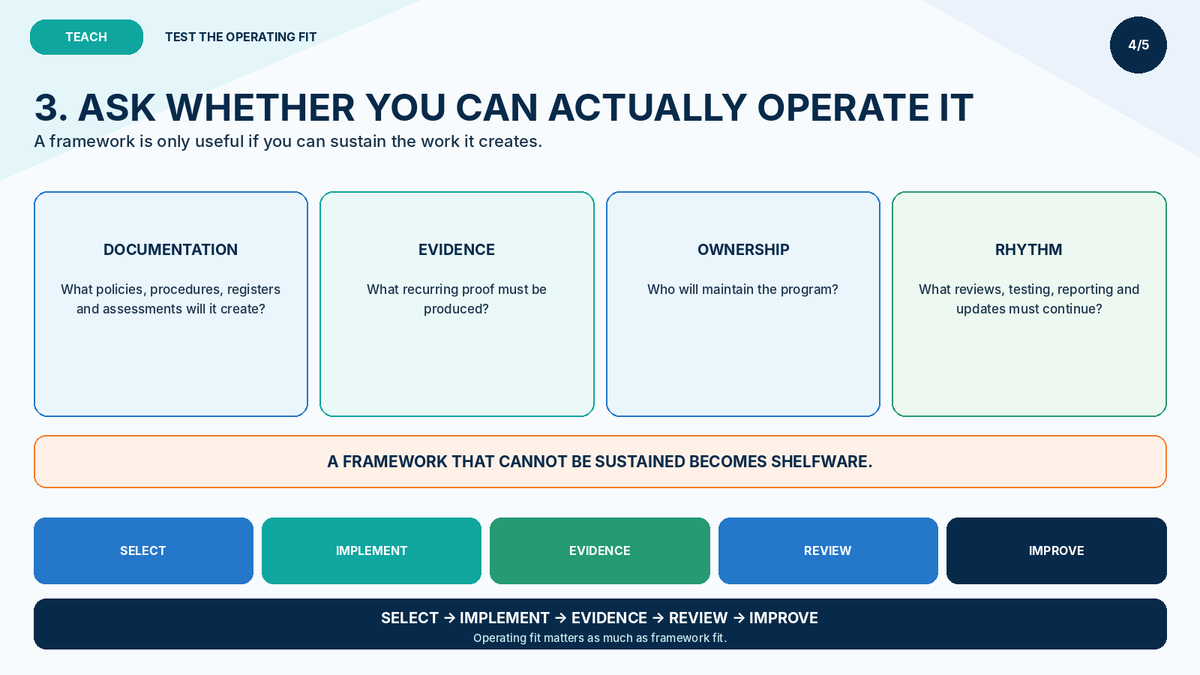
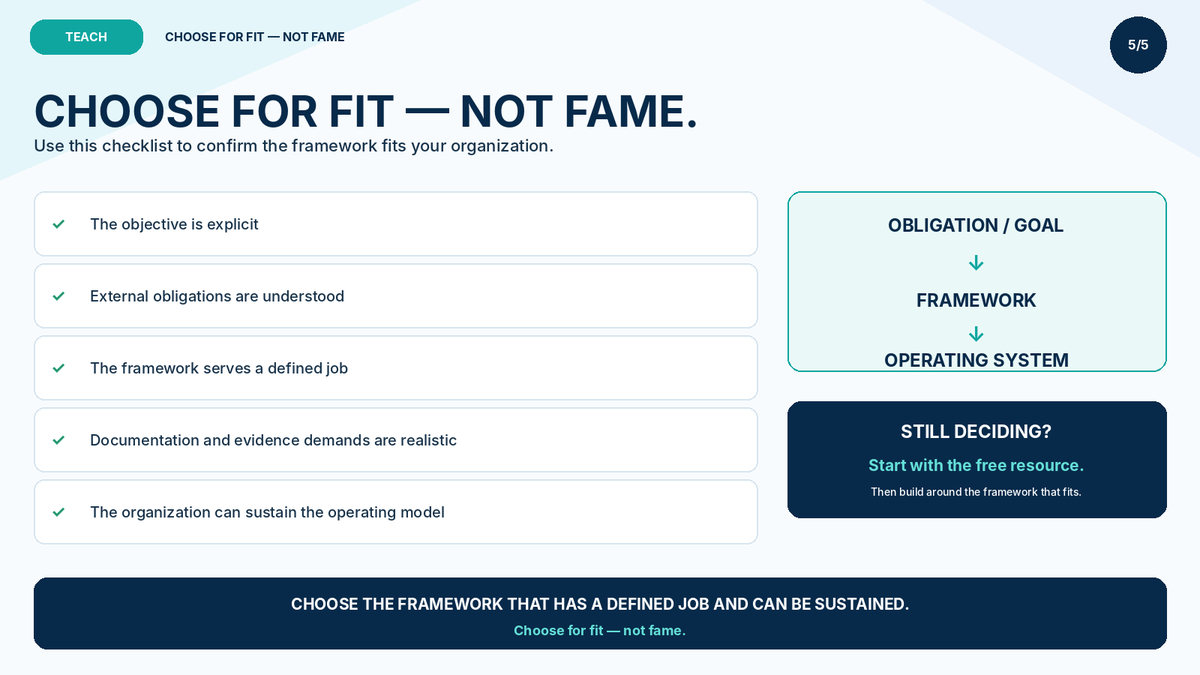
Framework selection test:
✓ Objective is clear
✓ Obligations are understood
✓ Framework has a defined job
✓ Evidence burden is realistic
✓ We can sustain the operating model
Choose for fit — not fame.
Still deciding? Start with the free resource.
#GRC
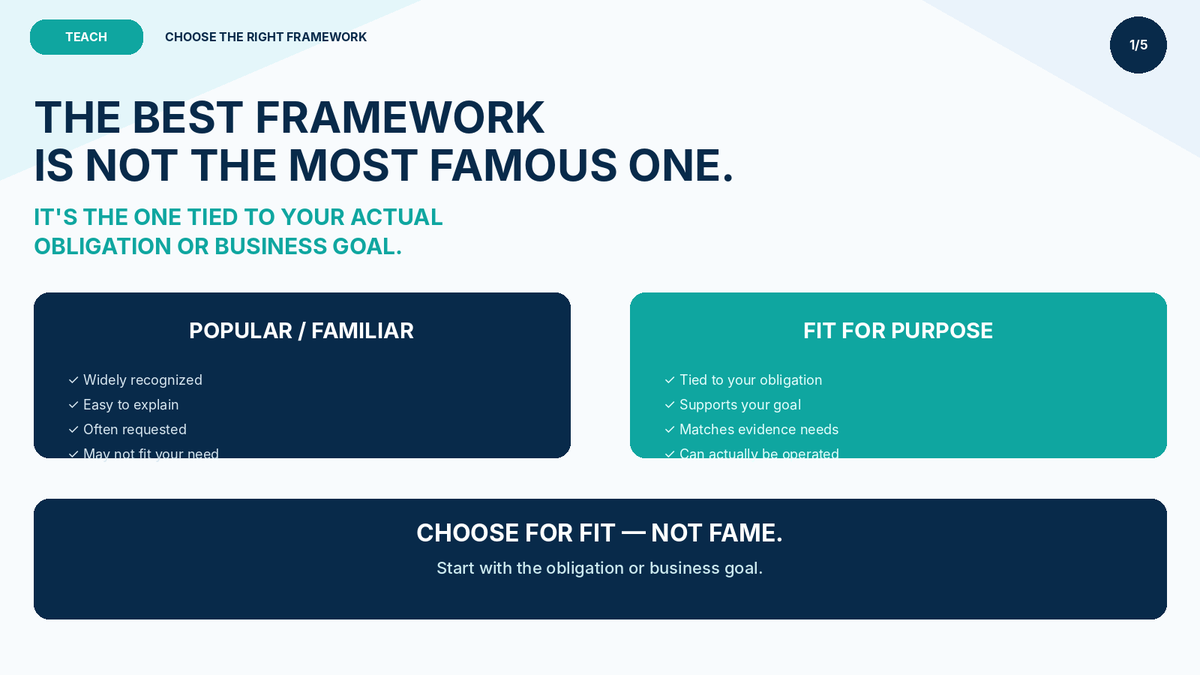
The best framework isn’t the most famous.
It’s the one tied to your:
→ Obligation
→ Customer need
→ Certification goal
→ Risk objective
→ Operating model
Then ask: can we actually sustain it?
Choose for fit — not fame.
#GRC#Cybersecurity
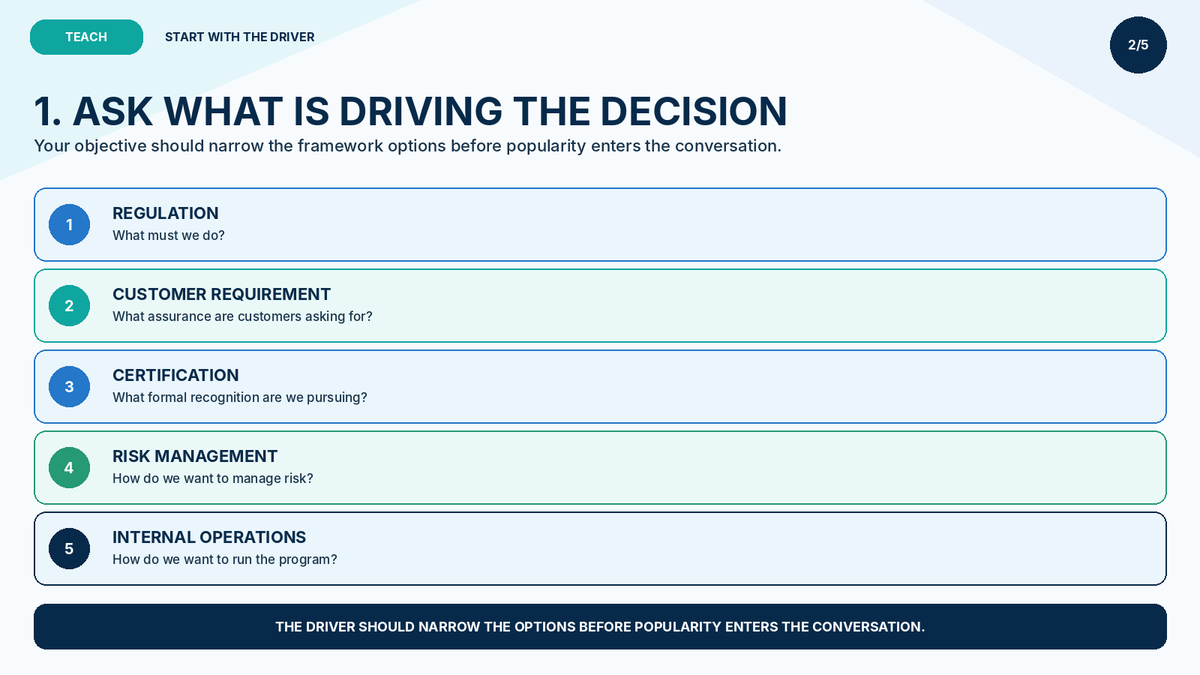
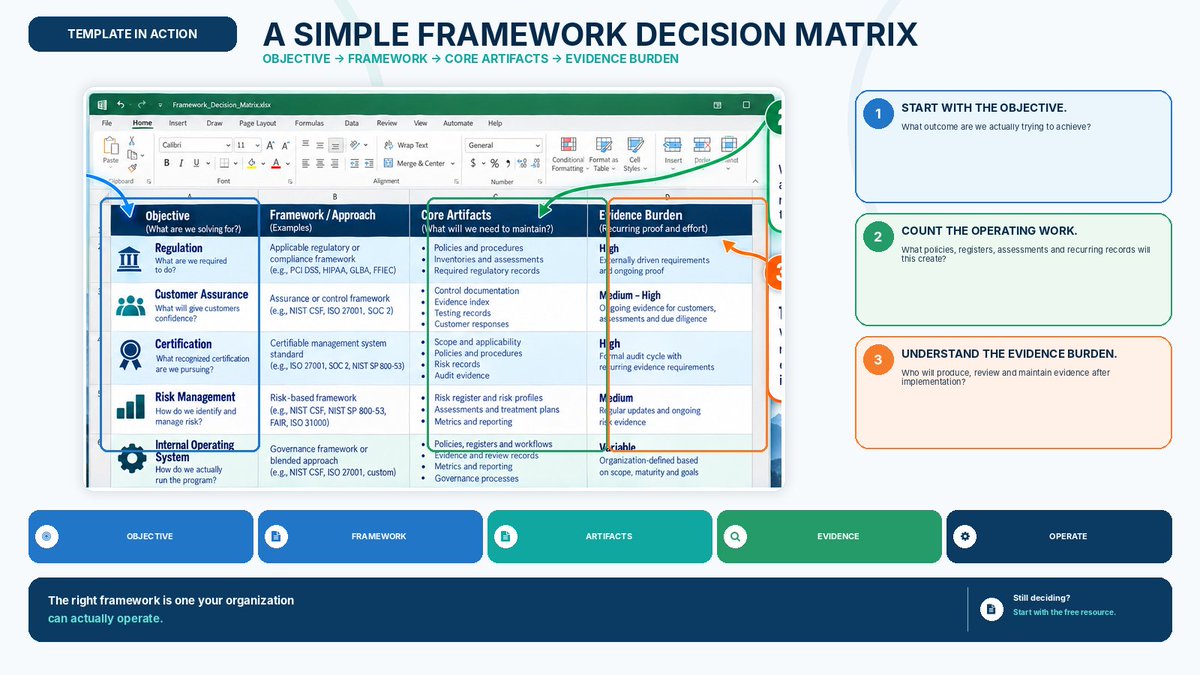
Choosing a cybersecurity framework?
Compare more than the name:
→ Objective
→ Framework
→ Artifacts
→ Evidence burden
→ Operating effort
The right framework is one your organization can operate.
Still deciding? Start with the free resource.
#GRC#Cybersecurity
@cyber39glt Exactly. Zero Trust isn't a product stack; it's a security architecture and operating discipline. AI agents raise the stakes: workload identity, least-privilege access, contextual authorization, and auditable decisions. Verification means little without enforcement.
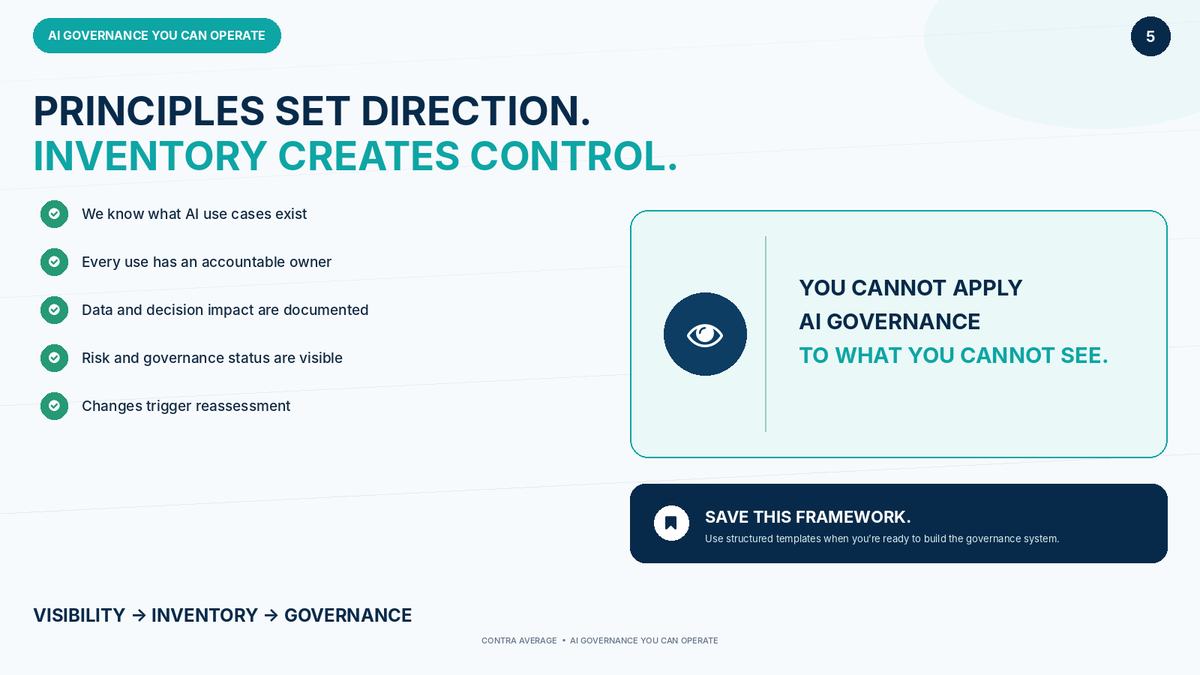
AI governance readiness test:
✓ AI uses are known
✓ Owners are assigned
✓ Data + impact are documented
✓ Risk + status are visible
✓ Changes trigger review
You can’t govern what you can’t see.
#AIGovernance#ResponsibleAI
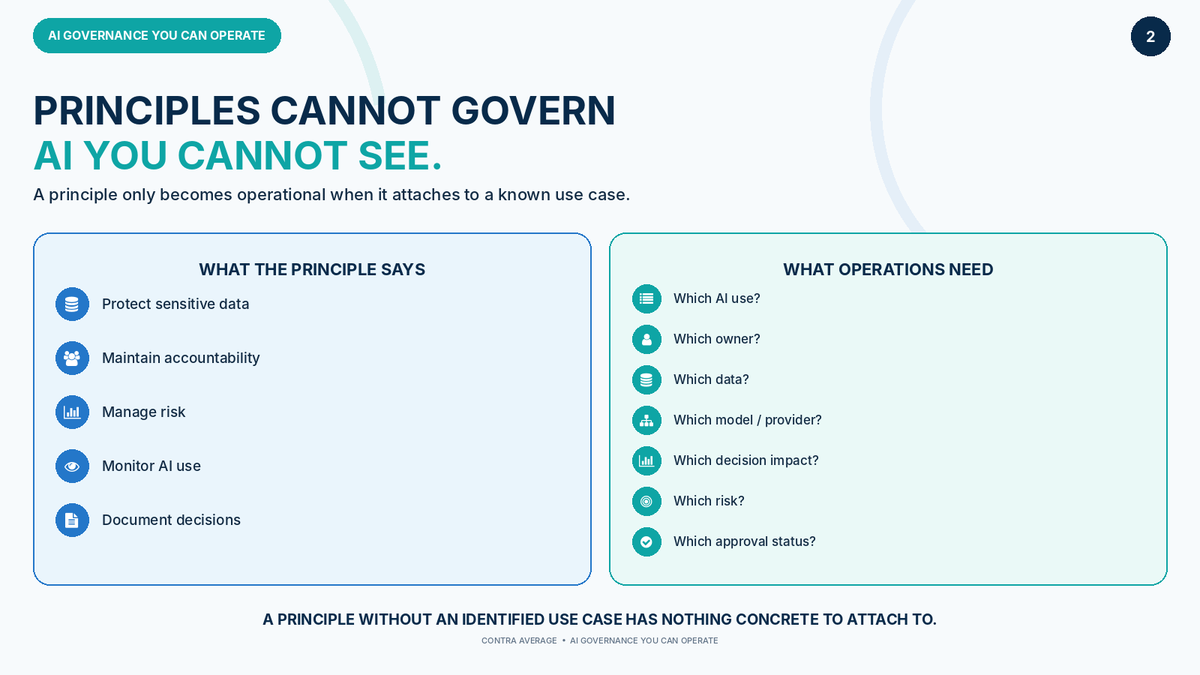
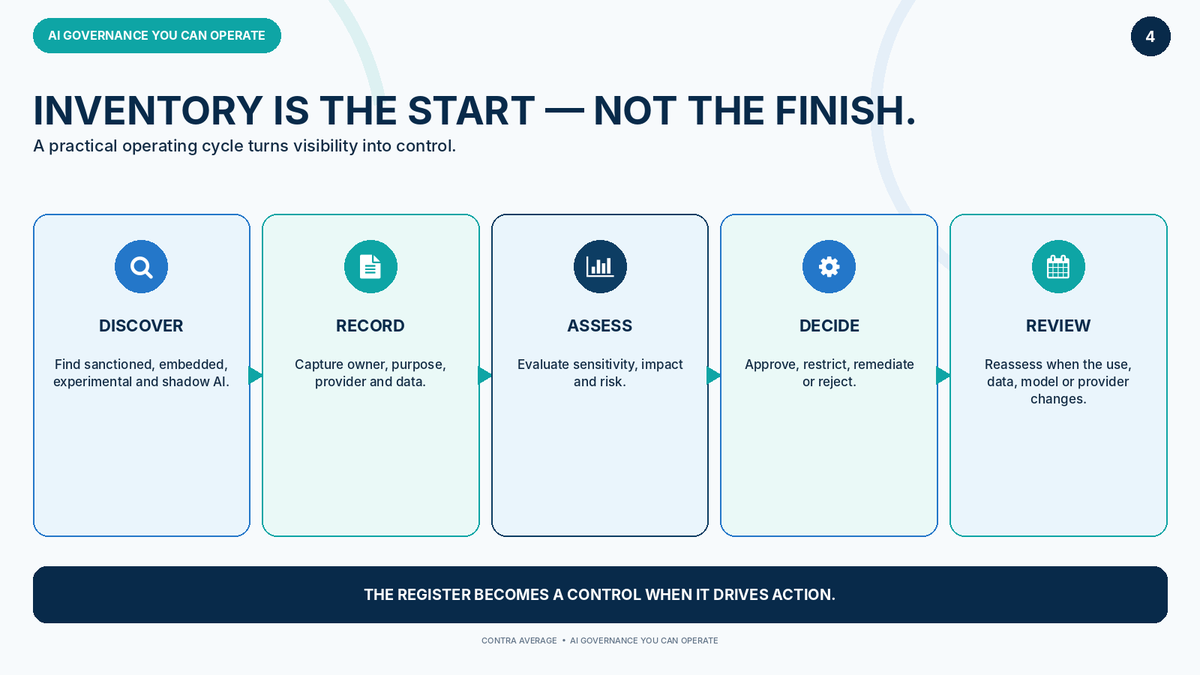
AI governance doesn’t need another principle before it knows what AI it is governing.
For each use case:
→ Owner
→ Purpose
→ Data
→ Provider
→ Decision impact
→ Risk
→ Status
Principles set direction.
Inventory creates control.
#AIGovernance#GRC
@kuriharan AI sovereignty is really dependency risk. If one model, provider, or jurisdiction can interrupt access, resilience was never designed in. Map the dependencies, diversify where it matters, build failover, and make portability part of AI governance.
AI inventory ≠ AI tool list.
For every AI use case, can you name:
→ Owner
→ Purpose
→ Data
→ Provider
→ Decision impact
→ Risk
→ Status
An inventory becomes governance when it records decisions — not just tools.
#AIGovernance
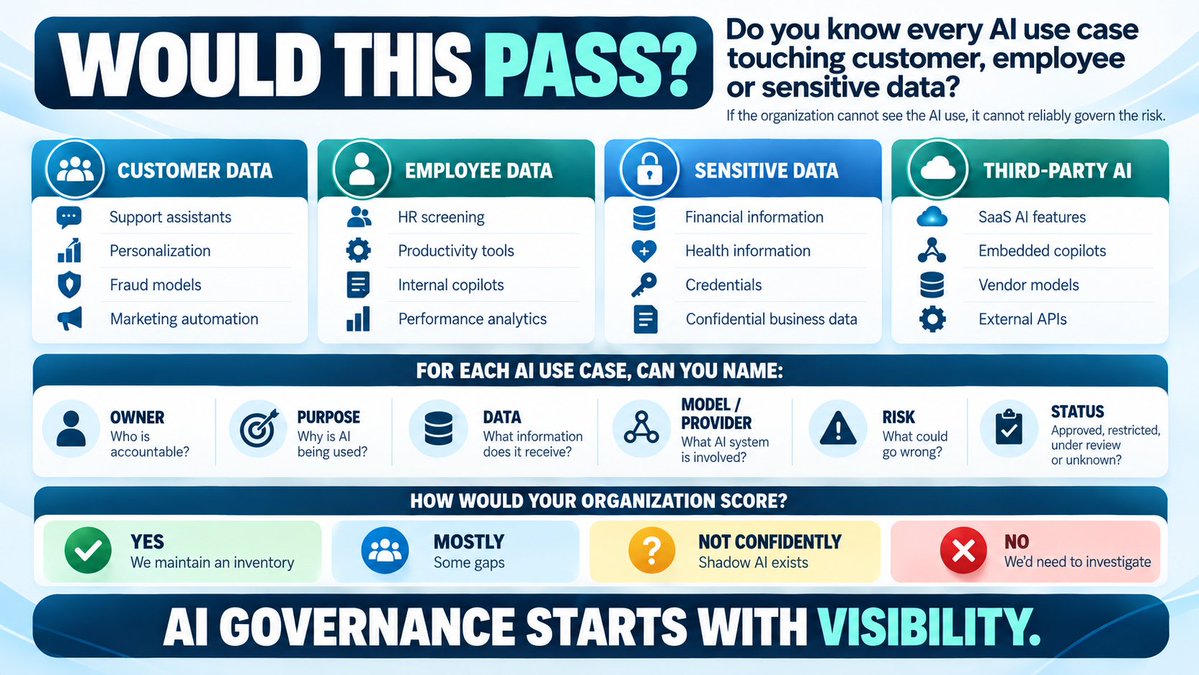
AI governance test:
Can you name every AI use case touching:
→ Customer data
→ Employee data
→ Sensitive data
→ Confidential business data
And identify its owner, purpose, provider, risk + status?
You can’t govern AI you can’t see.
#AIGovernance#GRC