Copenhagen Suborbitals is a crowdfunded non-profit suborbital human space program, crewed only by volunteers working towards human spaceflight in our sparetime.
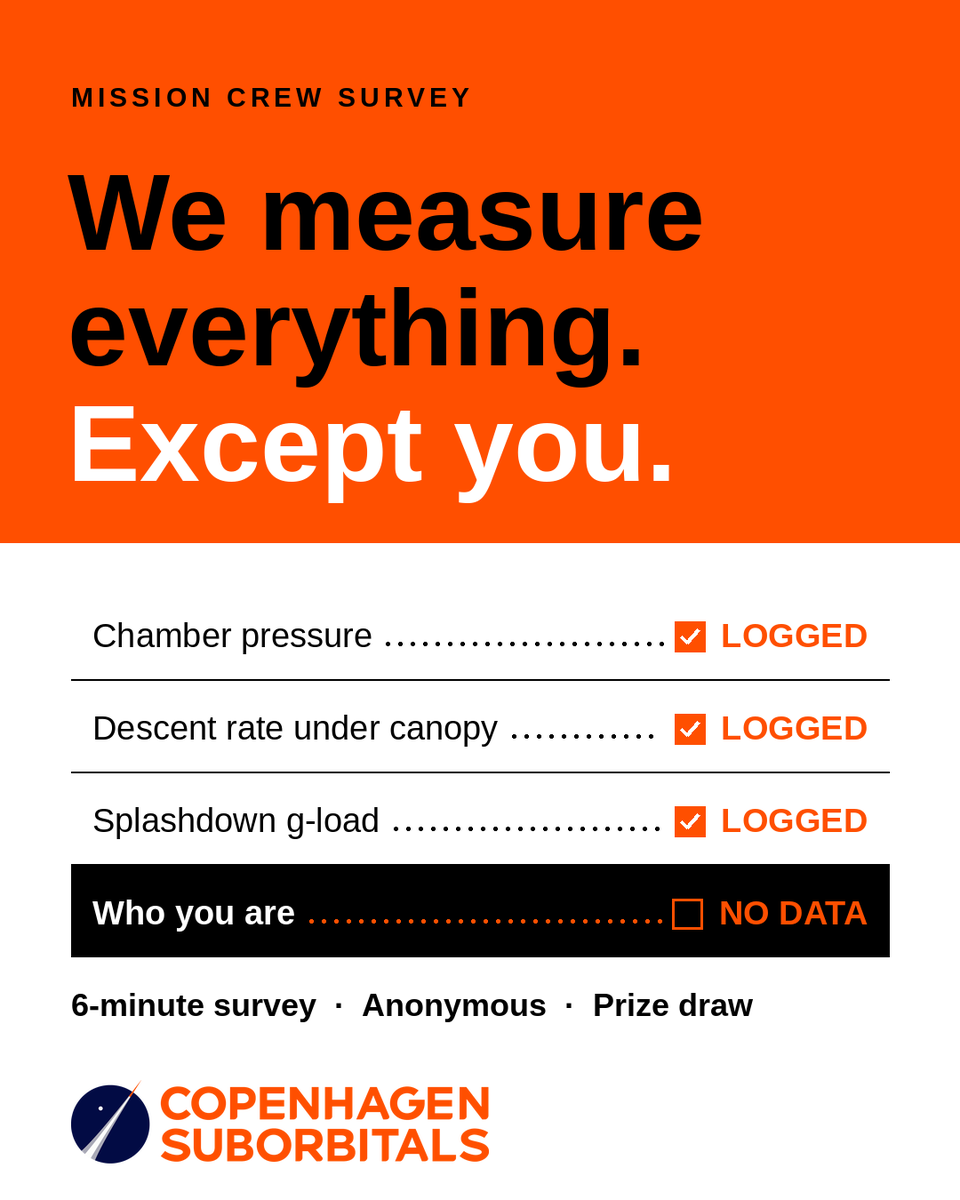
We measure almost everything we build, except the people following along.
Take our six-minute anonymous survey and you're in the draw for a Remove Before Flight key ring.
https://t.co/WCzY83Uskl #CopSub
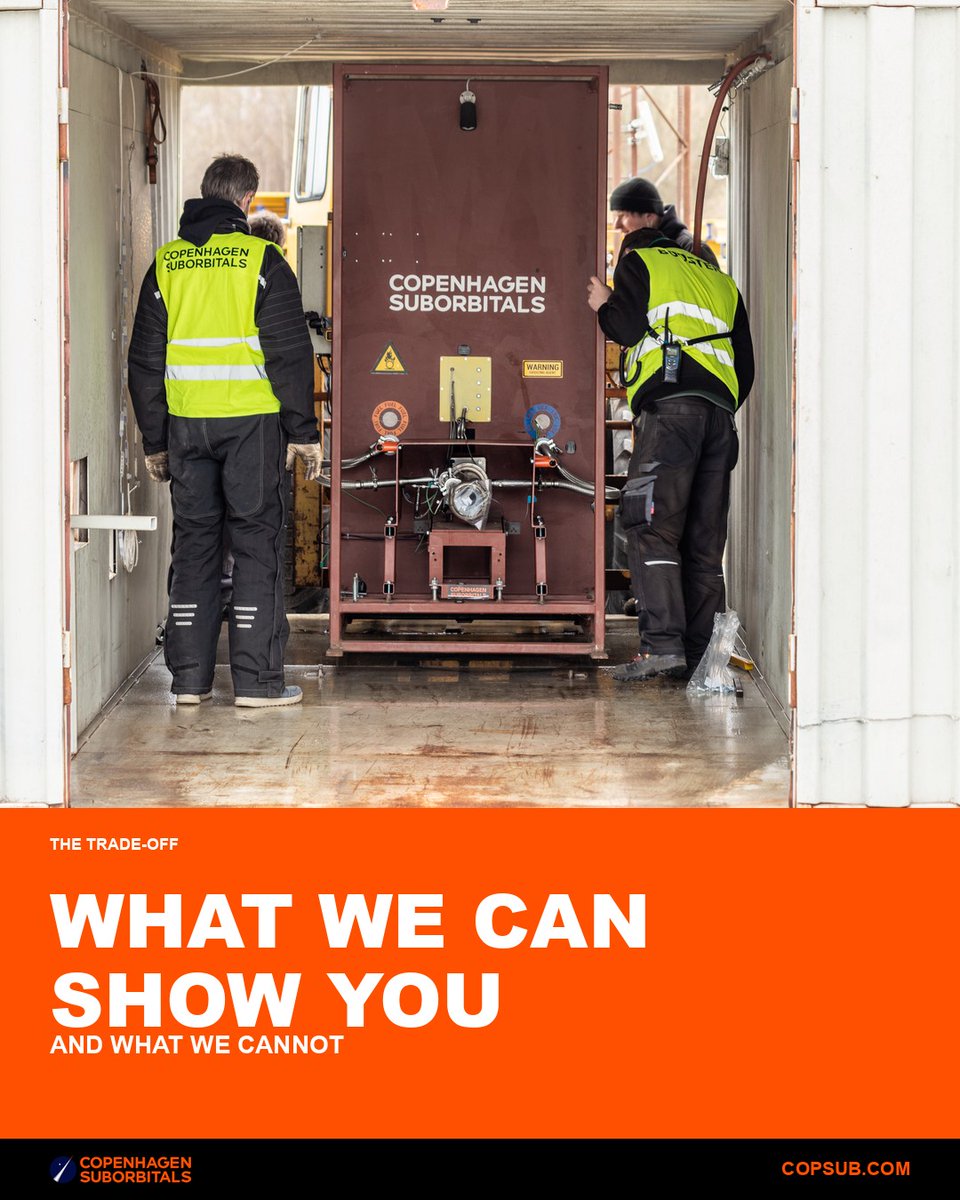
We publish almost everything we do. Almost is doing real work in that sentence.
Open development is the reason this program exists, and it is the reason people trust it.
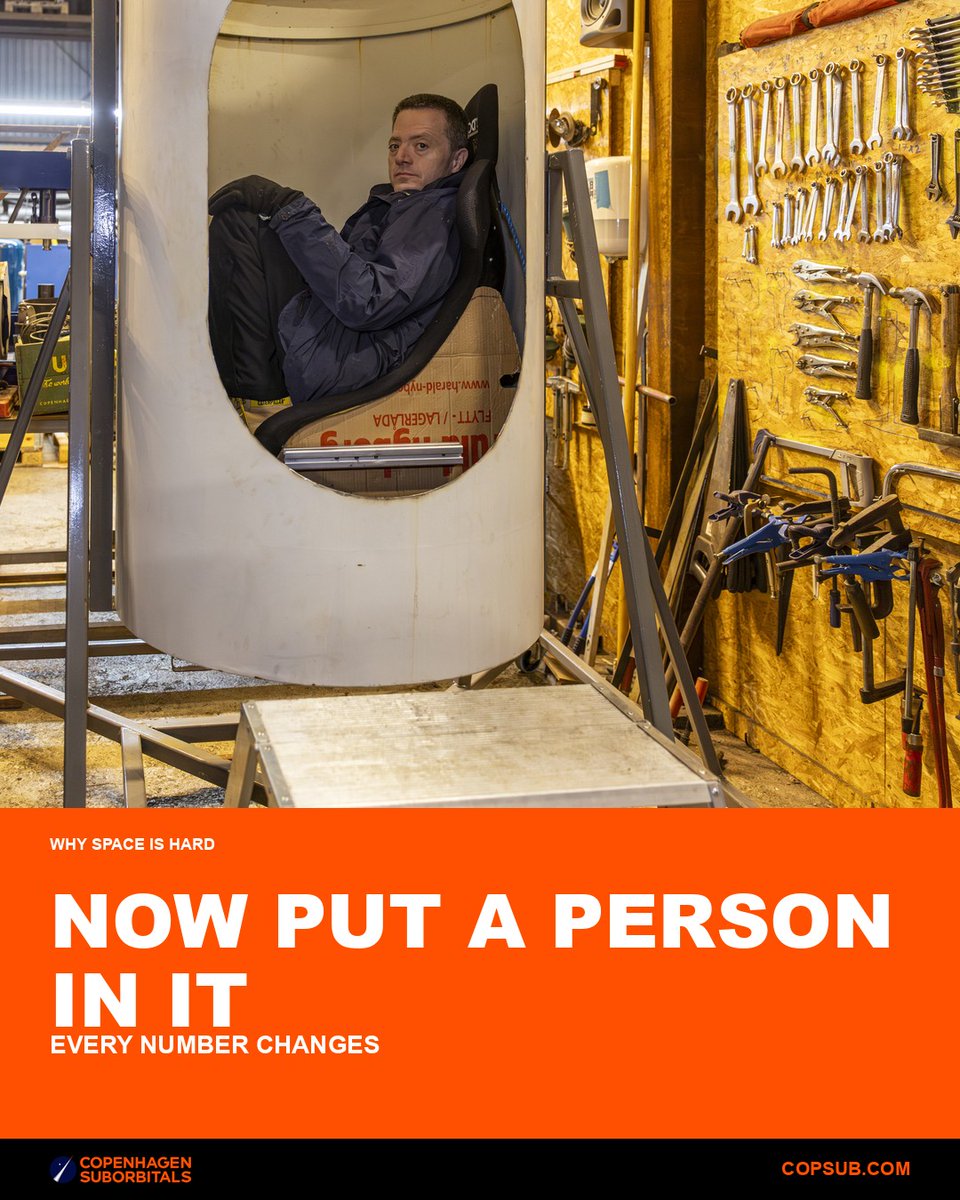
Hardware can take 15 g. A person can take a fraction of that, and only lying down, facing the right way.
Acceleration through the chest is survivable at levels that would grey you out instantly if you were sitting upright.
A person on board wants a hand on something. The reliability data does not agree.
Automation does the same thing every time, does not panic, and does not need to see out of a window.
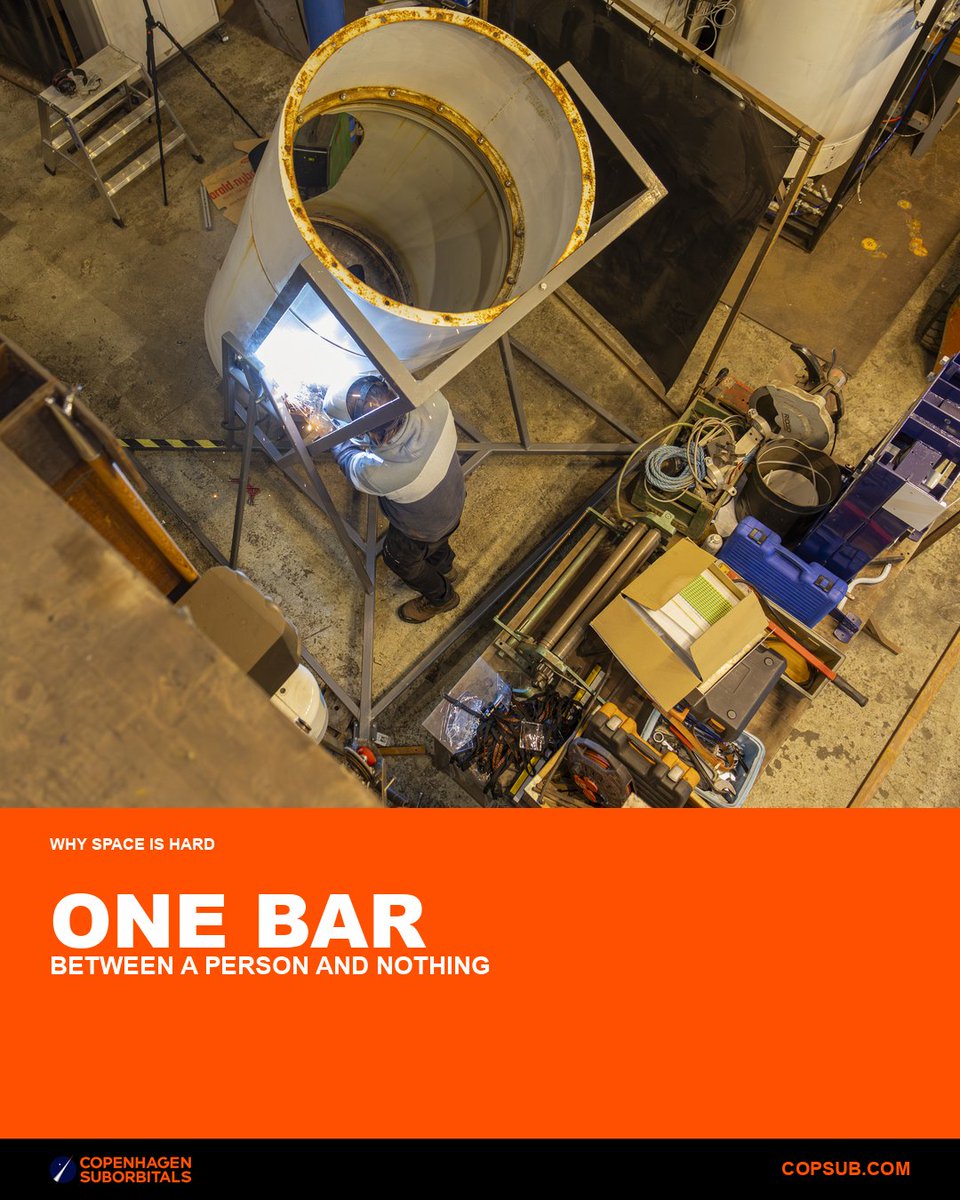
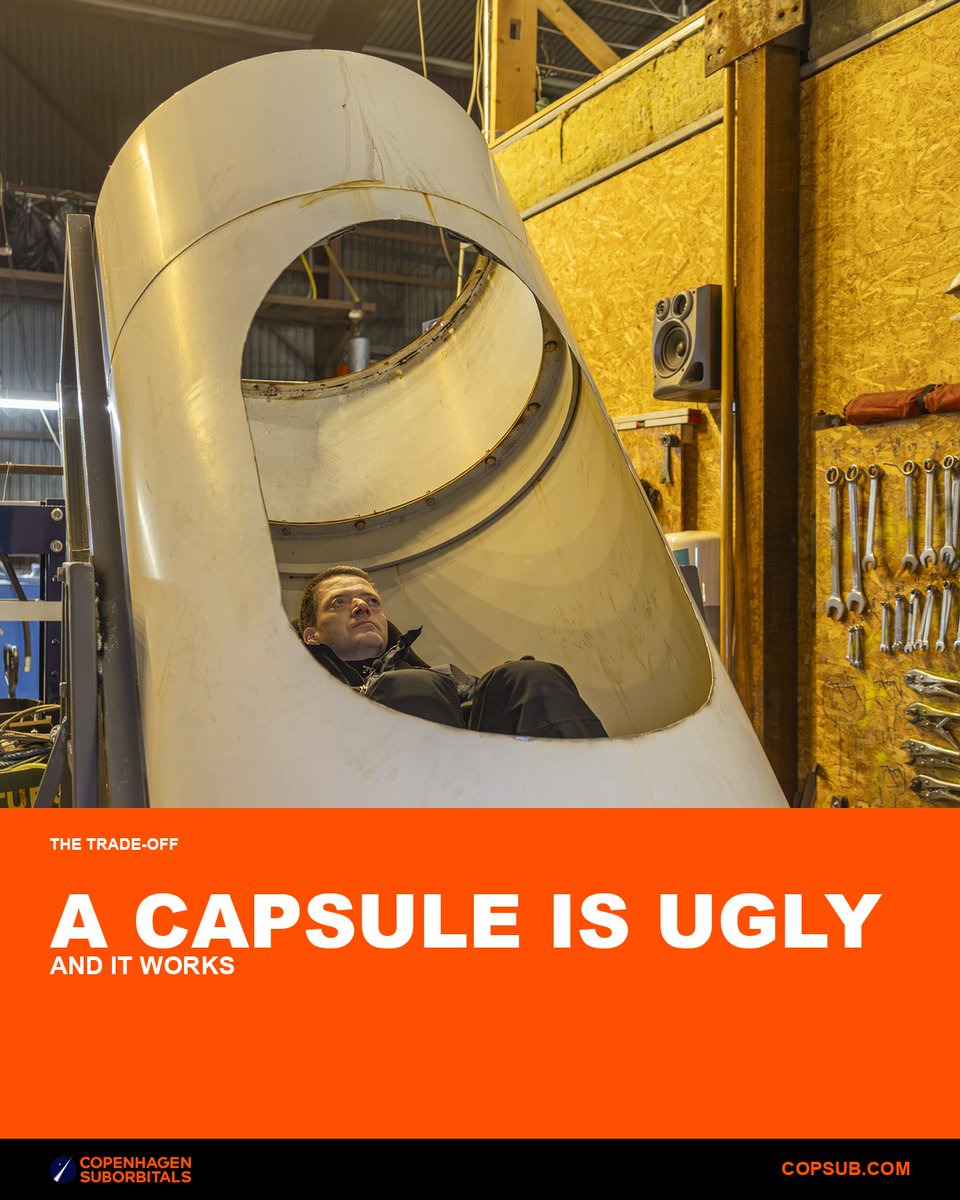
The capsule is a pressure vessel that happens to have a person inside it.
One atmosphere on the inside, nothing on the outside, and a wall that has to hold that difference without complaint.
"Boy Scouts on steroids"
That’s how one of our guests described us - we’ll take it!
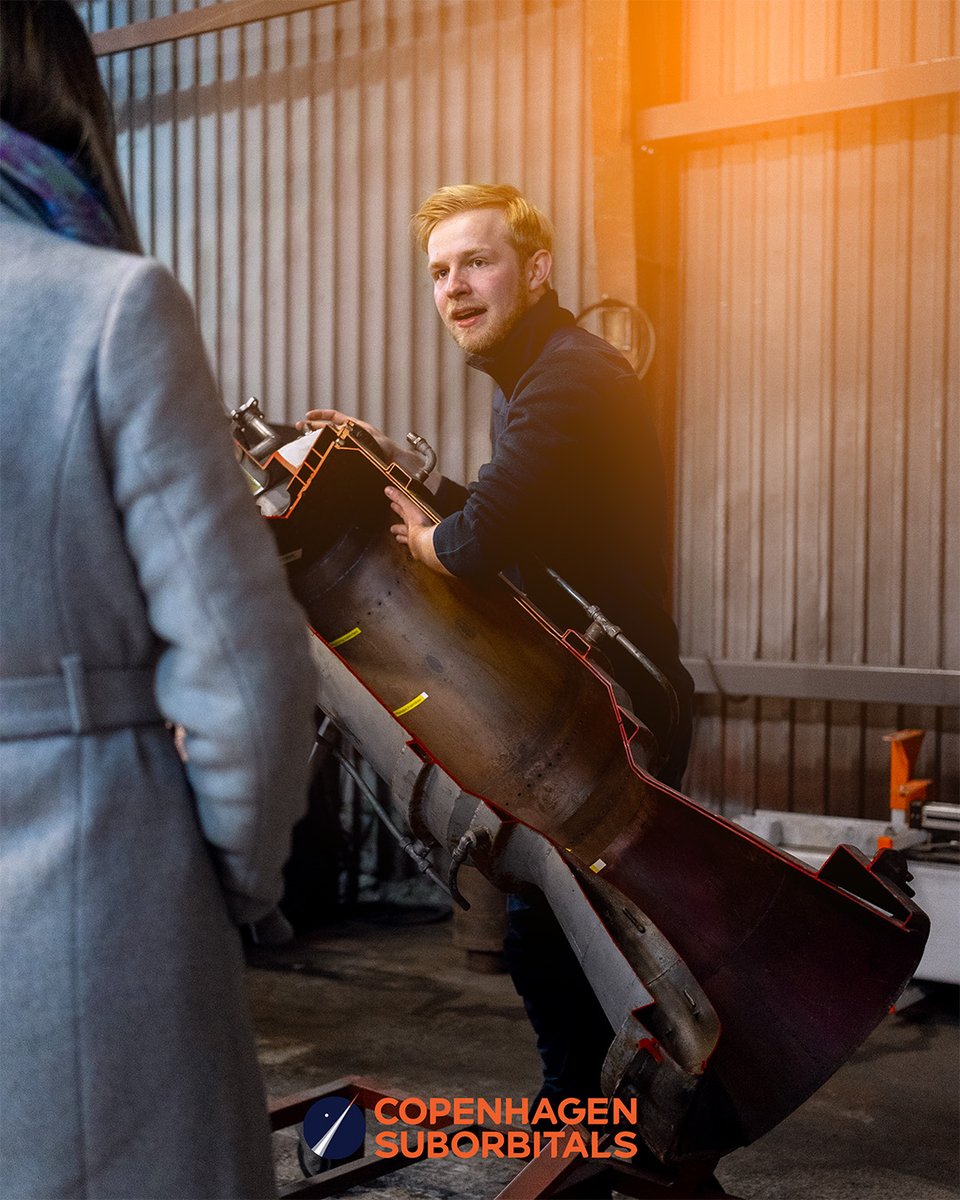
We are 100% crowdfunded and 100% volunteer-run. When you book our tour, you are stepping into a working workshop where real people are building rockets.
Book your visit: https://t.co/feYME5vcJp
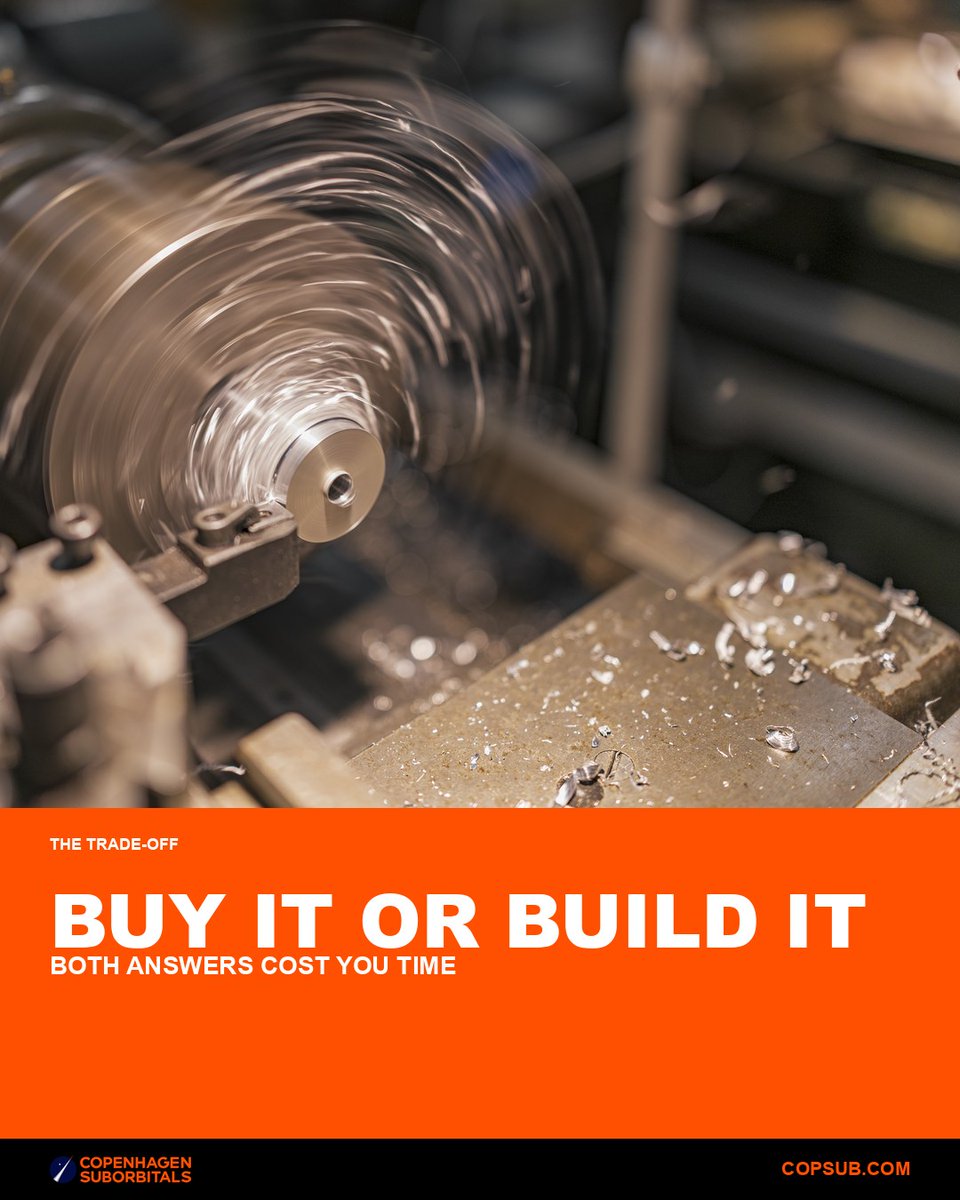
Buying the part is faster, until the lead time comes back as 40 weeks.
Off the shelf hardware is qualified, documented and someone else's problem when it fails.
This failed engine test brings some *ahem* "warm" memories... We share many such less-and-more-successful memories during our weekly rocket factory tours, while showing you our latest rocket production in action. Dates and booking. 👉https://t.co/feYME5vcJp
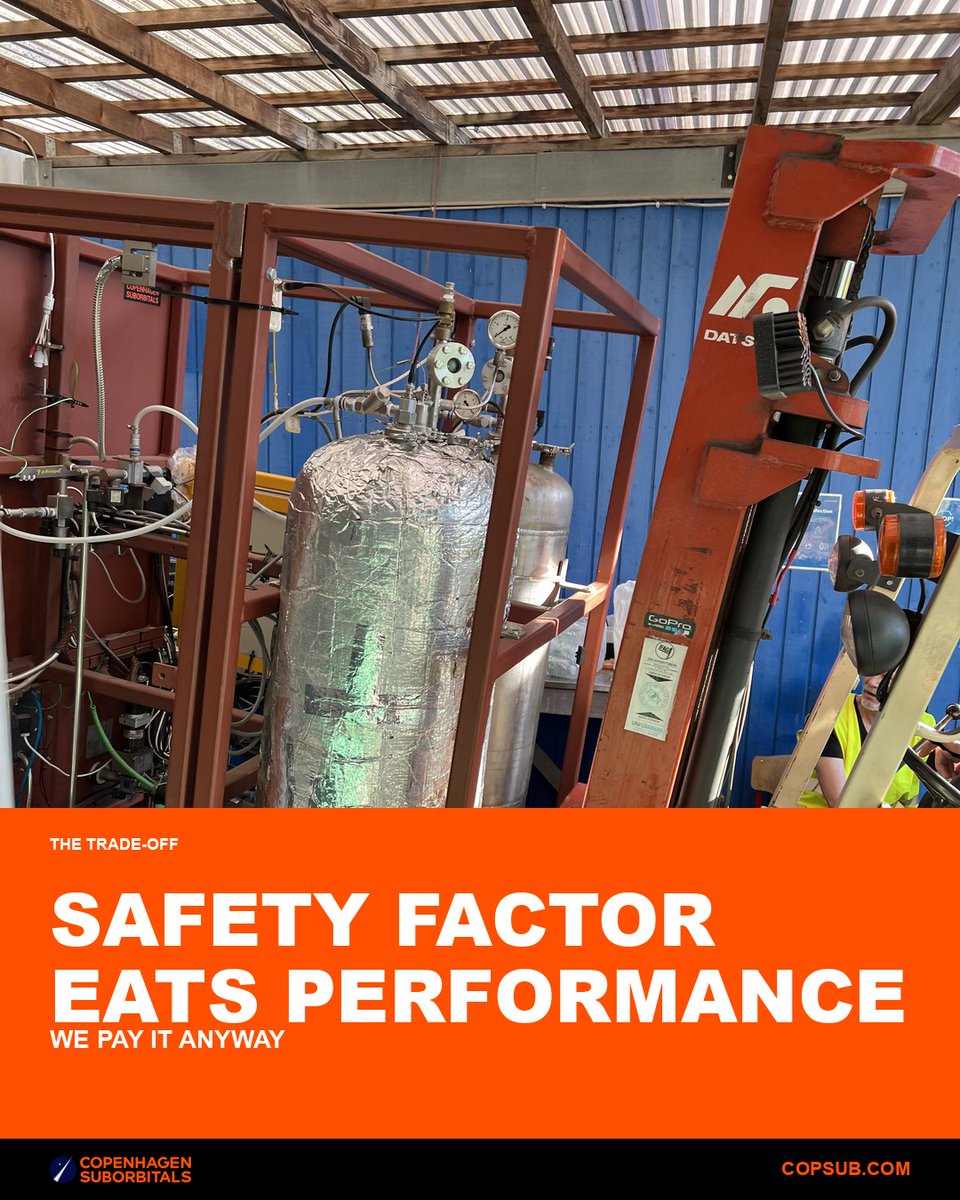
Every safety factor is mass, and every kilo of mass is altitude you do not get.
On an uncrewed vehicle you can argue the margin down and accept that sometimes you lose the rocket.
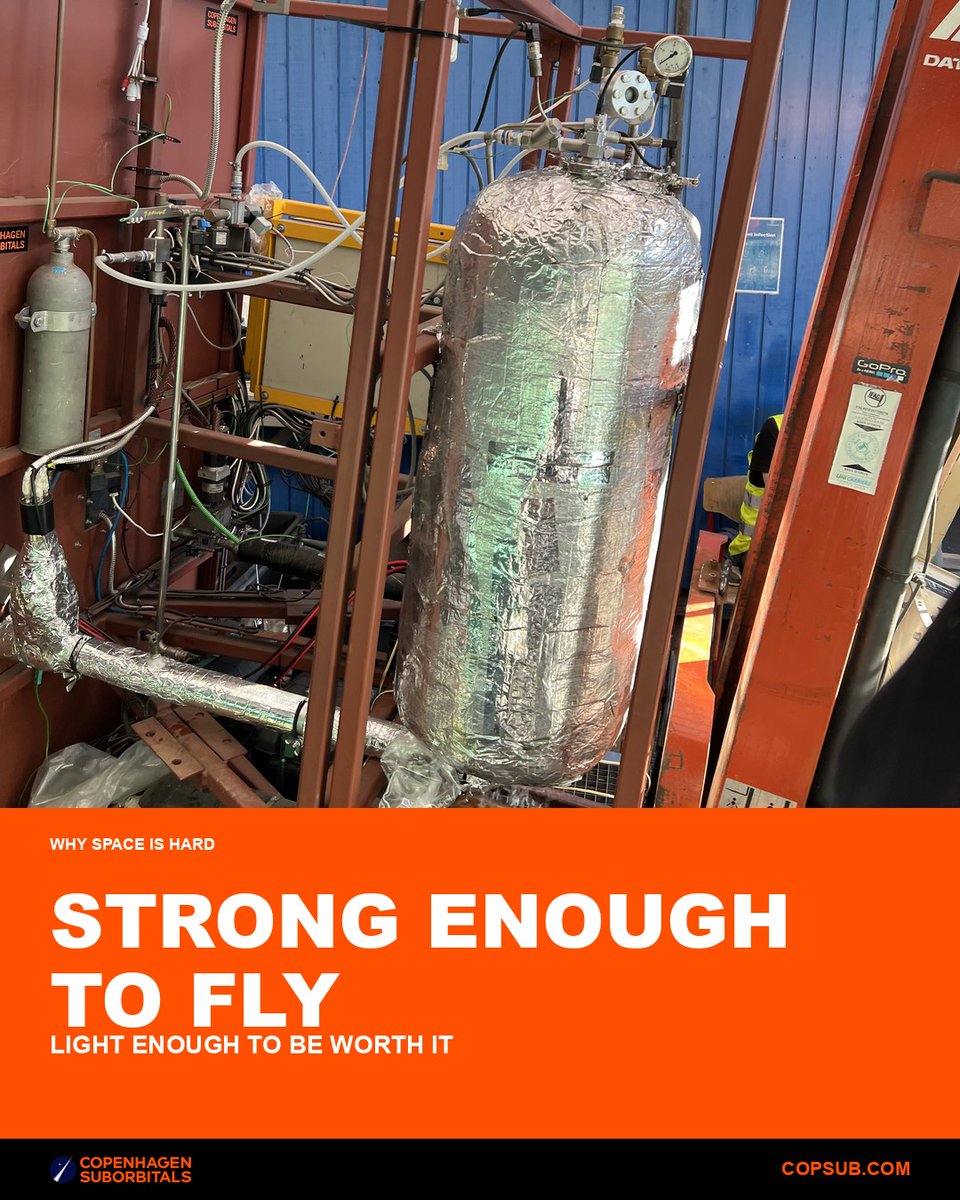
A rocket tank has to be strong enough to survive the flight and light enough to make the flight worth taking.
Those two requirements pull in opposite directions on every single millimetre of wall.
Our rocket "factory" is open for visits every weekend. You can watch our Spica rocket take shape and hear about all the success and failures from our previous tests and launches. Like the time this engine came apart during a static fire.
🚀Dates & booking: https://t.co/feYME5vcJp
Wings look like the future. We are not building wings.
A spaceplane gives you a gentle return and a runway at the end of it, which is genuinely better for the person inside.
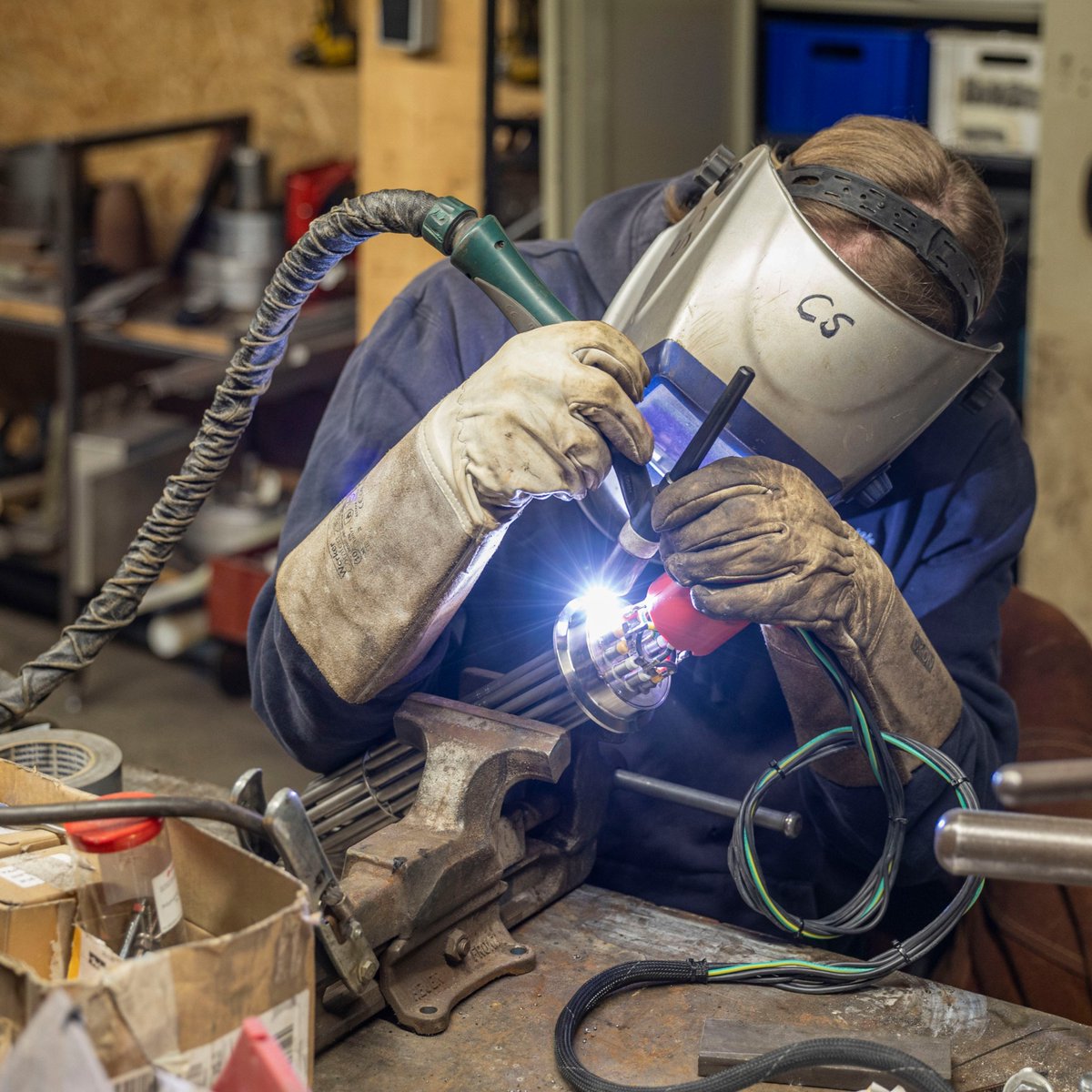
Why is it taking so long? Because nobody sells the tools we need. At our scale you cannot buy a rocket welder, so we built one, and it took years. From outside it looked like nothing was happening, and it was us buying speed later.
https://t.co/S05IVpuFd6
#CopSub
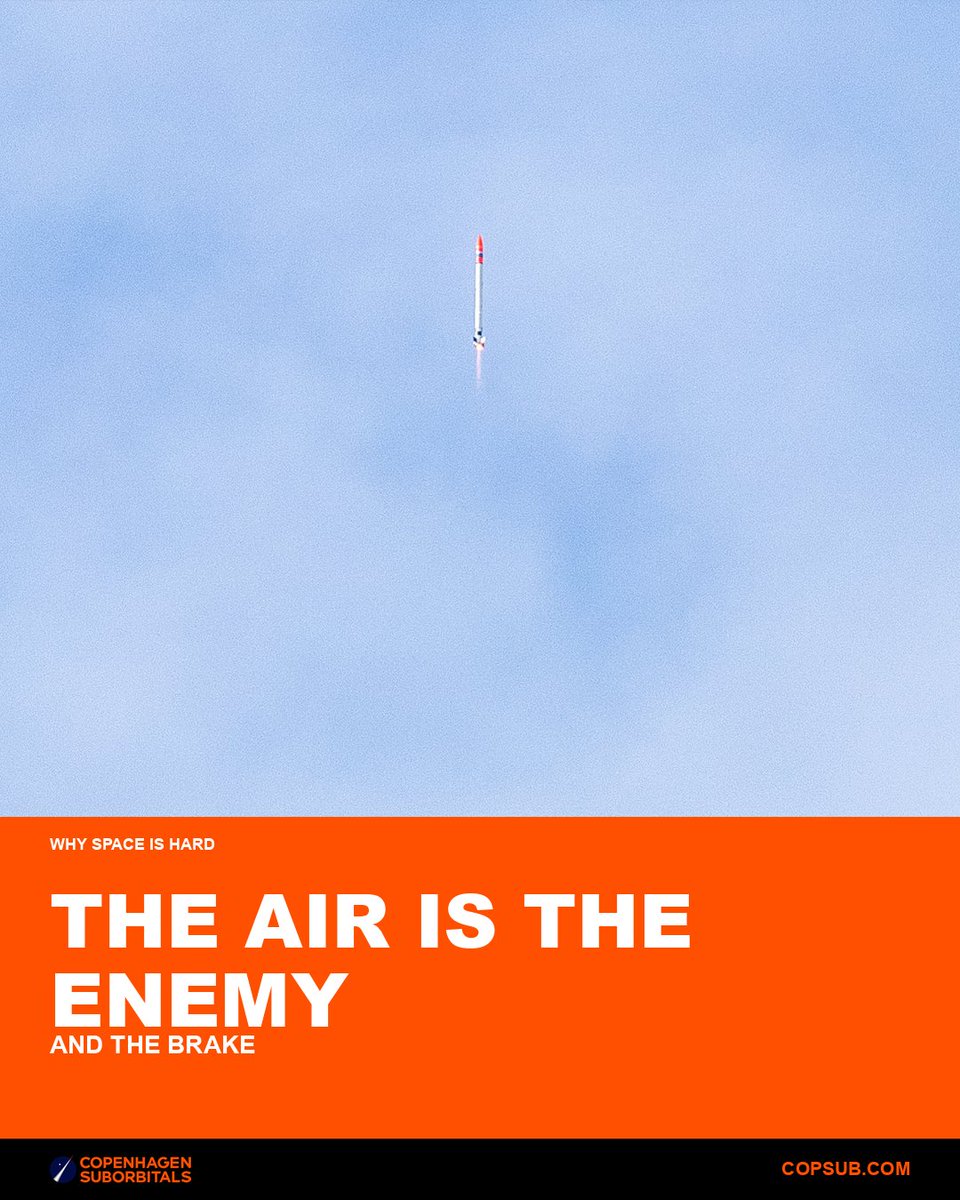
About a minute after liftoff, the air is doing its best to tear the rocket apart.
Speed rises faster than the atmosphere thins, so there is a moment where aerodynamic load peaks and the structure has to be sized for it.
Try our flown space capsule on for size by taking a tour of our rocket "factory". 🚀
We host public tours every weekend. See our rocket production in action and hear all the success and failures of a crowdfunded space program. Dates and booking. 👉https://t.co/feYME5vcJp
Confidence is bought in units of time, and we have a finite number of evenings.
Each additional test cycle is weeks of build, weeks of waiting for parts, and a weekend at the test site.
https://t.co/3GrQSmgMnC
Mission log: Draw complete. Winner identified. Email dispatched.
If you're part of the Mission Crew — your inbox may require attention.
Not in the crew yet?
This could be you next month. https://t.co/o7RszqekDY
We launch from a platform in the Baltic. That is the safe and the difficult option at the same time.
Nothing we fly passes over anybody, which is the single biggest safety argument available to an amateur program.