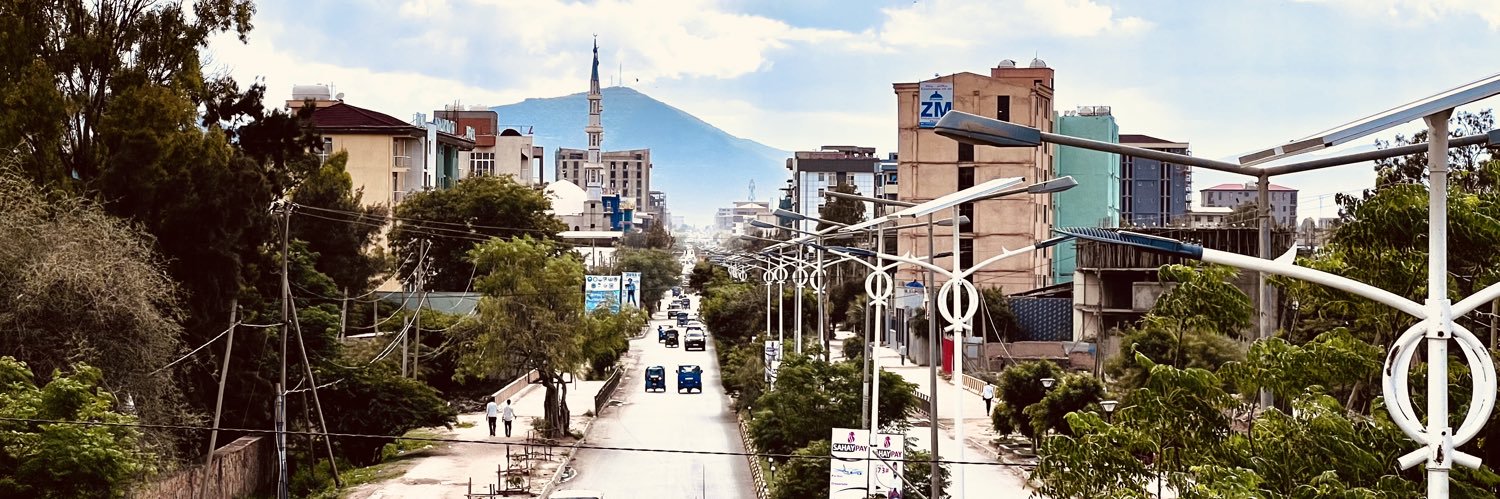
Koyama island, Jubaland region, southern Somalia
Mihrab of old mosque of Rassini, Lower Juba, Somalia
Pillar tombs in Koyama island
Ancient mosque in Barawa, Lower Shebelle, Somalia
G. Revoil, 1882-3
#archivesxt
@ahmedali1928274@yu33efkh dhaladii jack danielska miyaan kaaga soo muuqday. Post laba bilood ka hor ayaad kusoo noqotay ee? Idoorkina jack danielska aad baad u jeceshyihiin. Jaamac daahir ayaad u bixiseen.
Ethiopian state media has entered Nollywood territory. They’re telling us, patients were ripping out IV fluids to run to the ballot box. At this rate, next they’ll report a man woke up from a 7-year coma just to vote for Prosperity. 😂
The funniest part about propaganda like this is that it always overacts. Real public support never needs this level of theatrical storytelling.
A Ethiopian somali regional state official urged the community of his district and said “go out and use your vote, even though we’re already elected”.
I’d dub him as the most honest politician in jigjiga.
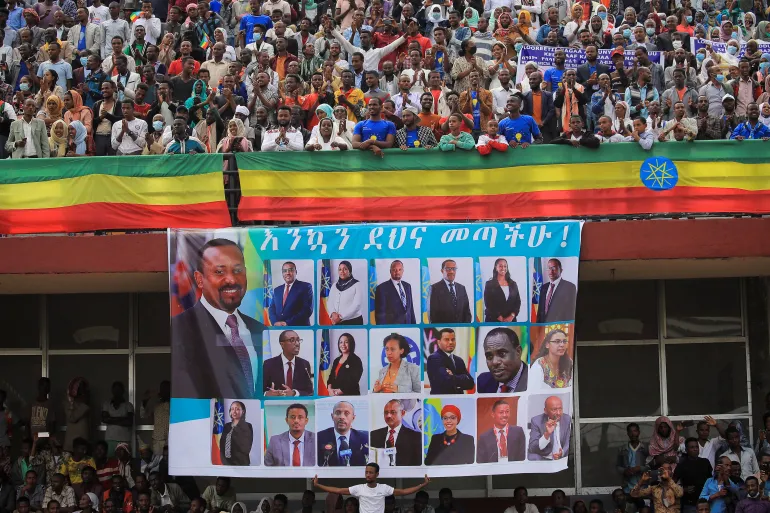
Imagine this: on June 1, 50 million people in Ethiopia will head to the polls, yet the outcome already seems predetermined. In 64 of the 509 electoral districts outside Tigray, only Prosperity Party candidates are running. The Tigray People's Liberation Front, which dominated Ethiopian politics for nearly three decades before Abiy Ahmed’s rise, has been banned. No voting will take place in Tigray, home to around 6% of the population. In some parts of Amhara, holding elections appears impossible. Meanwhile, the risk of armed clashes is growing in certain areas of Oromia. Voting in the Amhara region is expected to remain largely confined to urban centers. Due to insecurity, elections cannot be organized in many rural areas, and according to the Ethiopian National Election Board’s (NEBE) own optimistic estimates, polling stations will not even be set up in at least 30 constituencies.