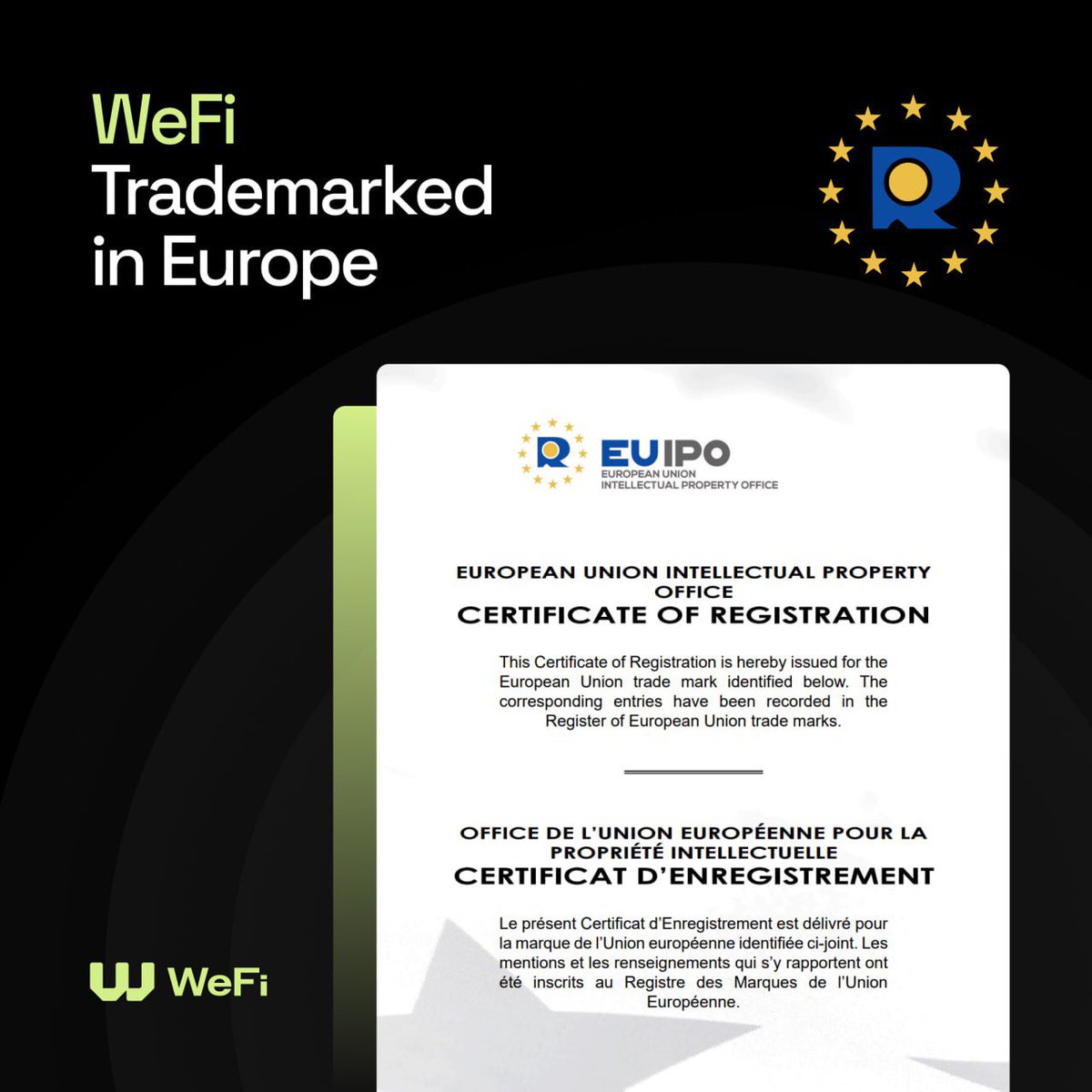
🏦 Soon, you will experience the world's first Deobank showcase.
The goal is not to replace the current banking system.
→ It is instead to update it.
When the rails are switched to infrastructure that lives onchain, a new chapter is born. One built on transparency, trust and most importantly, efficiency. 💥
➡️ @wefi_official
JUST IN: 🇾🇪🇮🇷 Yemeni Houthis officially enter war against US & Israel in support of Iran.
"Our operations will continue until the objectives are achieved."
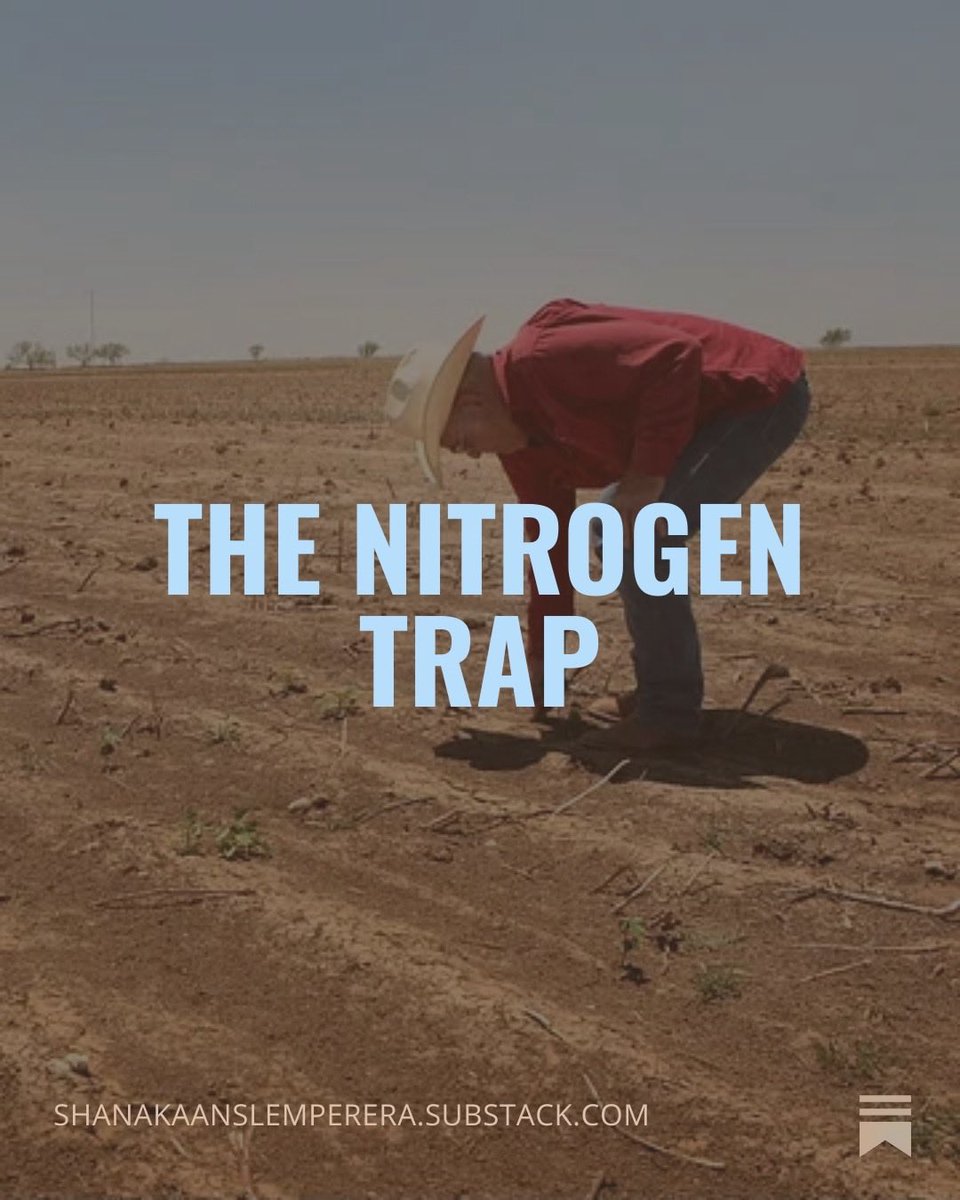
BREAKING: While the world debates oil prices and war strategy, the actual crisis is unfolding in silence.
The molecules that produce half the planet’s food are physically trapped behind a war zone. And the biological window to apply them closes in weeks. Not months. Weeks.
This is not a drill.
Roughly one-third of all seaborne fertilizer trade passes through the Strait of Hormuz according to UNCTAD. Nearly 49% of globally traded urea is tied to conflict-exposed exporters. Nearly half of global sulfur trade, the chemical without which phosphate fertilizer cannot be processed anywhere on Earth, is Gulf-dependent. Transit has collapsed 97%. There is no alternative route. There is no strategic fertilizer reserve anywhere on Earth. There is no Plan B.
Right now, as you read this:
Bangladesh has shut five of six urea factories. Boro rice season, which produces over half the country’s grain, is underway with no domestic nitrogen supply. India is operating fertilizer plants at 60% capacity and has formally asked China for emergency urea. China said nothing and banned its own phosphate exports through August. Egypt, the world’s largest wheat importer, faces $28 billion in debt repayments while the bread subsidy feeding 69 million people hemorrhages money at prices it never budgeted for. Sudan, already in confirmed famine, sources 54% of its fertilizer from the Gulf. WFP shipping now takes 25 extra days rerouting around the war zone. Australia imports virtually all its urea, two-thirds from the Gulf, and its entire heavy trucking fleet runs on AdBlue made from the same urea that is not arriving. No urea, no AdBlue, no freight, no groceries on shelves in Sydney.
318 million people were at crisis-level hunger BEFORE February 28.
The number that should haunt every policymaker on Earth: the yield response to nitrogen is not linear. It is quadratic. In wealthy countries that over-apply fertilizer, a 15% reduction costs maybe 3% of yield. In the Global South where farmers already apply one-seventh the global average, the same reduction pushes crops off a biophysical cliff where production does not decline. It collapses. Sri Lanka proved this in 2021. One season without synthetic fertilizer. Rice output collapsed 40%. Government fell. Now multiply Sri Lanka across thirty countries simultaneously.
During a potential El Nino that Skymet says carries a 60% chance of below-normal Indian monsoon. While 51% of US corn-growing areas are already in drought. While Australia’s root-zone soil moisture sits in the lowest 10% since 1911. While corn farmers are abandoning nitrogen-intensive planting because they cannot afford $900-per-ton ammonia against $4.50 corn. While the Fed is trapped at 3% core PCE with no room to cut and food inflation about to surge through every grocery aisle in America six months from now.
Nobody is talking about this.
CNBC leads with oil. Bloomberg leads with equities. The Pentagon leads with strike counts. But the actual weapon of mass destruction in this conflict is not a missile. It is a calendar. The Corn Belt needs nitrogen by mid-April. India needs to prep Kharif by May. Australia needs urea by June. Miss those windows and no subsequent intervention reverses the yield loss. The food is not decided by diplomats in six months. It is decided by soil chemistry in the next six weeks. The prices hit your table by Christmas.
Both sides rejected ceasefire talks this week.
The world spent fifty years preparing for an oil shock. It spent zero years preparing for a fertilizer shock. Half of humanity eats because of a single industrial process that runs on natural gas from the Persian Gulf, exits through 21 miles of water that are currently mined, uninsured, and unescorted.
The planting window does not care about your geopolitics.
It is closing.
Full analysis: https://t.co/iFmUcarGdV
Visa and WeFi Talk: The Future of Stablecoin Payment.
Our first episode is coming next week, and we sat down with Visa to talk about where global payments go next.
The conversation features Alexandra Soroko, Growth Product & Partnerships at Visa, and Michael Batuev, Head of Global Payments at WeFi.
We discuss how global payment infrastructure evaluates stablecoin integration, what real operational deployment involves, and how financial systems at scale decide when new rails become part of core infrastructure.
WeFi is not watching the future unfold. We are in the room helping shape it.
This is the first of many conversations we will host with major players across the industry.
$307 billion in stablecoins.
Even as traditional markets turn red.
Capital is migrating toward programmable dollars and on-chain reserves.
When users can verify collateral and move value globally in seconds, the old model starts to look slow.
Infrastructure is shifting.
@stbl_official@wefi_official
$WFI is in Top 200 on CoinGecko 📈
$WFI keeps climbing through real progress. This is a huge milestone we're not stopping here, we're aiming higher, and this momentum is built to last.
Why? It’s simple:
Because behind the ranking there's consistent improvements, a product built for our users, and most importantly: a token that's 100% community owned.
Huge thank you to everyone who's been here from day one, and to everyone just finding us now 🙏
Let's keep going!
1.4 billion people are still unbanked.
Not because they don’t want access, but because the system wasn’t designed for them, and crypto hasn’t yet become everyday infrastructure.
We’re building the bridge: seamless fiat ↔ crypto, cards that work globally with zero FX fees, and a model where the upside flows to users, not shareholders.
This is real financial inclusion.
@wefi_official