New Research: New gait performance indices and cognitive functions: a longitudinal pre–post follow-up after rehabilitation in people with Parkinson’s disease https://t.co/PoENnSifUD #FrontiersIn#HumanNeuroscience
تلوث الهواء منخفض المستوى مرتبط بالتدهور المعرفي وتلف الدماغ
Low-Level Air Pollution Linked to Cognitive Decline, Brain Damage - https://t.co/MqASSGn22p via @neurosciencenew
5. إليك طرق لتحسين الدورة الدموية بشكل طبيعي
• المشي 8–10 آلاف خطوة يومياً
• شرب ماء أكثر
• التنفس عبر الأنف
• تناول البنجر والخضار
• تمارين إطالة وإرخاء العضلات
• الغمر البارد والساونا
بسيط وفعّال.
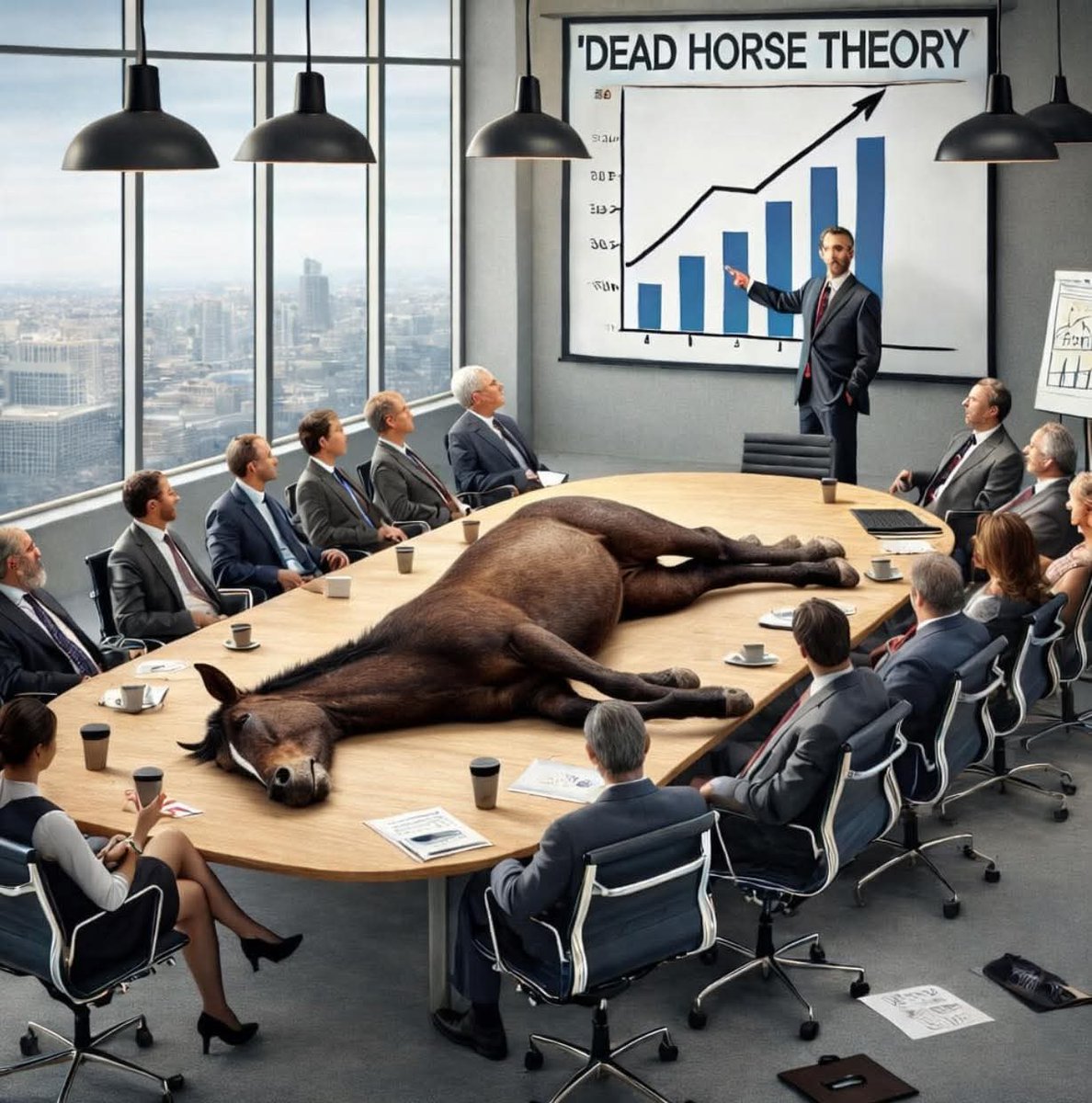
نظرية الحصان الميت (Dead Horse Theory)
هي استعارة ساخرة تكشف كيف يتعامل بعض الأفراد أو المؤسسات أو حتى المجتمعات مع المشكلات الواضحة، وكأنها لغز معقّد، فيتهربون من الاعتراف بالحقيقة، ويبدعون في تبرير الفشل بدل مواجهته.
الفكرة ببساطة:
إذا اكتشفت أنك تركب حصانًا ميتًا، فإن الحل المنطقي الوحيد هو أن تنزل عنه وتتركه.
لكن الواقع غالبًا يكون مختلفًا تمامًا…
فبدل الاعتراف بالحقيقة، يبدأ البعض في اتخاذ قرارات عبثية، مثل:
1. شراء سرج جديد للحصان.
2. إطعامه وكأنه ما زال حيًا.
3. تغيير الفارس الذي يركبه.
4. إقالة المسؤول عنه وتعيين غيره.
5. عقد اجتماعات لمناقشة كيفية زيادة سرعته!
6. تشكيل لجان وفرق عمل لدراسة حالته من كل الزوايا.
7. وبعد شهور من التحليل… يصلون لنفس النتيجة الواضحة منذ البداية:
“الحصان ميت.”
8. لكنهم لا يعترفون، بل يقارنونه بأحصنة ميتة أخرى لتبرير الوضع.
9. يقررون أن المشكلة في نقص التدريب، ويقترحون دورة للحصان!
10. بالطبع، تحتاج الدورة إلى ميزانية جديدة.
11. وفي النهاية، يعيدون تعريف كلمة “ميت” ليقنعوا أنفسهم أنه ما زال حيًا!
⚠️ الخلاصة:
كثيرون يختارون العيش في وهم الإنكار، ويهدرون وقتهم وطاقتهم ومواردهم في محاولات فاشلة، بدل امتلاك الشجاعة للاعتراف بالمشكلة منذ البداية ومعالجتها بصدق.
أحيانًا، أعظم قرار تتخذه…
هو أن تنزل عن الحصان الميت.
لا يكفي حصولك على أعلى الشهادات في العلاج النفسي لتصبح معالج جيد ، هناك خصائص شخصية لا تُمنح بالدرجة العلمية ، بل تكتسب من خلال التجربة والوعي الذاتي ، فمعالج بلا فضول إنساني ، بلا قدرة على الإصغاء العميق ، بلا تواضع أمام تعقيد الإنسان ، قد يعرف النظريات جيدًا لكنه يعجز عن ملامسة جوهر المراجع.
هناك حقيقة يغفل عنها الكثير من طلبة الماجستير والدكتوراه:
النجاح الحقيقي في هذه المراحل لا يقاس بالدرجات العالية، ولا بتقارير تنجز لهم، ولا بأبحاث يعتمدون فيها على غيرهم، قد يحصل البعض على امتياز أو معدل مرتفع أو حتى درجة الدكتوراه نفسها عبر مسارات سهلة … لكن ما لا يعرفونه هو أن الثمن الحقيقي سيبدفع لاحقًا!!!
فبعد حصولهم على الدرجة ودخولهم للميدان....سيواجهون أشخاصًا متميزين، باحثين متمكنين، أشخاص أصغر منهم سنًا لكن يمتلكون عمقًا علميًا وفهمًا بحثيًا حقيقيًا.
هنا سيظهر الفارق…....وتبدأ مشاعر النقص والارتباك والحرج!
يبدأ الواحد منهم يكتشف أنه لا يمتلك المهارات ولا القدرة البحثية ولا أدوات التخصص التي يفترض أن يحملها...
وهنا تولد "العقد"ويظهر الإحراج، ويشعر أنه في المكان الخطأ.
أما الطالب الذي اجتهد فعلاً، حتى لو كانت رسالته غير مميزة ، حتى لو لم يحصل على أعلى التقديرات، وحتى لو وقع في أخطاء… لكنه تعلّم، وجرب، وبذل وقته وطاقته ...هذا الشخص يدخل ميدان التخصص بثبات، وبثقة عالية..ولديه قابلية للتطور، ووعيًا بطريقة وخطوات العمل، ويستطيع أن يبني نفسه.... سنة بعد سنة سصيبح شخصية متميزة في مجاله، مهما كان تقييمه الأكاديمي في البداية.
وفي الختام … هذا خيار الطالب نفسه:
هل يريد أن يعيش بعد الماجستير والدكتوراه صراعًا نفسيًا ومواقف محرجة لأنه اعتمد على غيره؟
أم يريد أن يعيش بشكل طبيعي، يطور نفسه بهدوء، ويصل للتميز الحقيقي لاحقًا بعد أن يمشي الطريق بجهده هو ؟
Grounding is one of the most powerful yet underrated health practices that exist.
It improves literally every function in your body, it's completely FREE, and outperforms 99% of supplements.
The Science of Grounding:
Alzheimer’s Disrupts the Whole Body, Not Just the Brain
New research shows that Alzheimer’s disease impacts not only the brain but also other organs throughout the body.
Using genetically modified fruit flies that expressed Alzheimer’s-related proteins Aβ42 or Tau in neurons, scientists created a detailed Fly Cell Atlas of gene activity across 219 cell types.
They found that Aβ42 primarily affected the nervous system, especially sensory neurons linked to smell, hearing, and vision.
Tau, on the other hand, caused disruptions in peripheral tissues, including altered fat metabolism, digestion issues, and reduced fertility, mimicking accelerated aging.
These findings reveal that brain-body communication is disrupted in Alzheimer’s and suggest the disease has widespread physiological effects.
The Alzheimer’s Disease Fly Cell Atlas is now a key resource for studying whole-body changes and identifying new therapeutic targets.
Weight Training May Slow Cognitive Decline and Protect Aging Brains
A recent study found that weight training can protect the brains of older adults with mild cognitive impairment, a condition that increases the risk of dementia.
After six months of twice-weekly resistance training, participants showed improvements in memory and preservation of brain areas commonly affected by Alzheimer’s disease, such as the hippocampus and precuneus.
MRI scans revealed better white matter integrity in the exercise group, while the control group showed decline.
Researchers believe that weight training promotes neuroprotection by stimulating neural growth factors and reducing inflammation.
Remarkably, five participants improved so much that they no longer met the criteria for mild cognitive impairment by the end of the study.
These findings support weight training as a low-cost, non-drug approach to slowing or reversing cognitive decline in aging populations.
Daily Exercise Boosts Brain Speed, Helps Keep Minds Youthful
Everyday physical activity—whether light tasks like walking or more intense exercise—can immediately boost brain processing speed, making middle-aged adults' minds function as if they are four years younger.
Researchers observed that when participants were active within the last few hours, they performed better on cognitive tests, with quicker response times.
The study tracked participants’ daily activities using smartphone check-ins over nine days.
Frequent activity was linked to even greater cognitive benefits.
These findings suggest that even routine movement, not just structured exercise, can positively impact brain health.
The research supports integrating regular activity into daily routines to enhance mental sharpness.
Parents have rushed to concerns about screen usage and social media, which, while important, cannot tell us the full story. Social media and technology can have benefits and risks, and it’s important parents look at how their child is doing holistically.
This clip is from our social media webinar, Beyond the Hype: What Research Tells Us About Social Media’s Role in Youth Mental Health, where experts gathered for a roundtable discussion on what the research says about the perils and promise of social media for our kids. Watch the replay at the link below, and follow @ChildMindSci so you don't miss future webinars.
https://t.co/0tJjqbjmhV
#Creativity lives inside all children. Psychology can help families cultivate an environment that fosters children's inventive ideas and allows them to thrive.
Learn more: https://t.co/kIh3l27dZ1
يكشف بحث جديد أن التمارين الذهنية مثل الشطرنج والكلمات المتقاطعة قد تساعد في درء الخرف بشكل أفضل من الأنشطة الاجتماعية أو الإبداعية. مارس التمارين الذهنية بشكل يومي او اسبوعي حتى تبقى محافظا على مستوى وعيك الادراكي
https://t.co/ao89uBAZmQ
How can families work together to keep teens #SafeOnSocial?
As @AnaCabrera and @WatchSavannah point out, our new recommendations provide parents with helpful ways to start an ongoing conversation. https://t.co/FGAaf2laYQ
التوحد مرض نمائي يحدث في الطفولة المبكرة ، ستتجد العديد من المقالات والمحاضرات التي تتحدث عن التوحد ، و سأتحدث هنا عن طريقة جيدة قد تساعد الأهالي في التعامل مع الطفل المصاب بالتوحد
وأسأل الله أن ينفع بها
Adults who get just half the recommended amount of physical activity per week—the equivalent of about 75 minutes of brisk walking—see their risk of depression lowered by 18%. https://t.co/fFZpHFiI2V









![Rajesh992510253's tweet photo. 80+ AI tools to finish months of work in minutes.
Follow for more updates [ Retweet and Bookmark 🔖 for later used ]
1. Research
- ChatGPT
- Copilot
- Gemini
- Abacus
- Perplexity
2. Image
- Fotor
- Dalle 3
- Stability AI
- Midjourney
- Microsoft Designer
3. CopyWriting
- Rytr
- Copy AI
- Writesonic
- Adcreative AI
4. Writing
- Jasper
- HIX AI
- Jenny AI
- Textblaze
- Quillbot
5. Website
- 10Web
- Durable
- Framer
- Style AI
6. Video
- Klap
- Opus
- Eightify
- InVideo
- HeyGen
- Runway
- ImgCreator AI
- Morphstudio .xyz
7. Meeting
- Tldv
- Otter
- Noty AI
- Fireflies
8. SEO
- VidIQ
- Seona AI
- BlogSEO
- Keywrds ai
9. Chatbot
- Droxy
- Chatbase
- Mutual info
- Chatsimple
10. Presentation
- Decktopus
- Slides AI
- Gamma AI
- Designs AI
- Beautiful AI
11. Automation
- Make
- Zapier
- Xembly
- Bardeen
12. Prompts
- FlowGPT
- Alicent AI
- PromptBox
- Promptbase
- Snack Prompt
13. UI/UX
- Figma
- Uizard
- UiMagic
- Photoshop
14. Design
- Canva
- Flair AI
- Designify
- Clipdrop
- Autodraw
- Magician design
15. Logo Generator
- Looka
- Designs AI
- Brandmark
- Stockimg AI
- Namecheap
16. Audio
- Lovo ai
- Eleven labs
- Songburst AI
- Adobe Podcast
17. Productivity
- Merlin
- Tinywow
- Notion AI
- Adobe Sensei
- Personal AI
18. Social media management
- Tapilo
- Typefully
- Hypefury
- TweetHunter
Follow me for more.](https://pbs.twimg.com/media/G7Ir2_7bUAAoWLY.jpg)


