Crater Locators, aka the award-winning Research Resource Archaeology, specialise in the accountable archaeology of the V-weapons offensive of 1944-1945.
Preparing to disseminate our Archaeological studies to the great audience of Barnet & St Albans National Farmers Union Branch Meeting 17.3.2026 at the wonderful John Bunyan public house Wheathampstead Hertfordshire
@antzdeno#archaeology
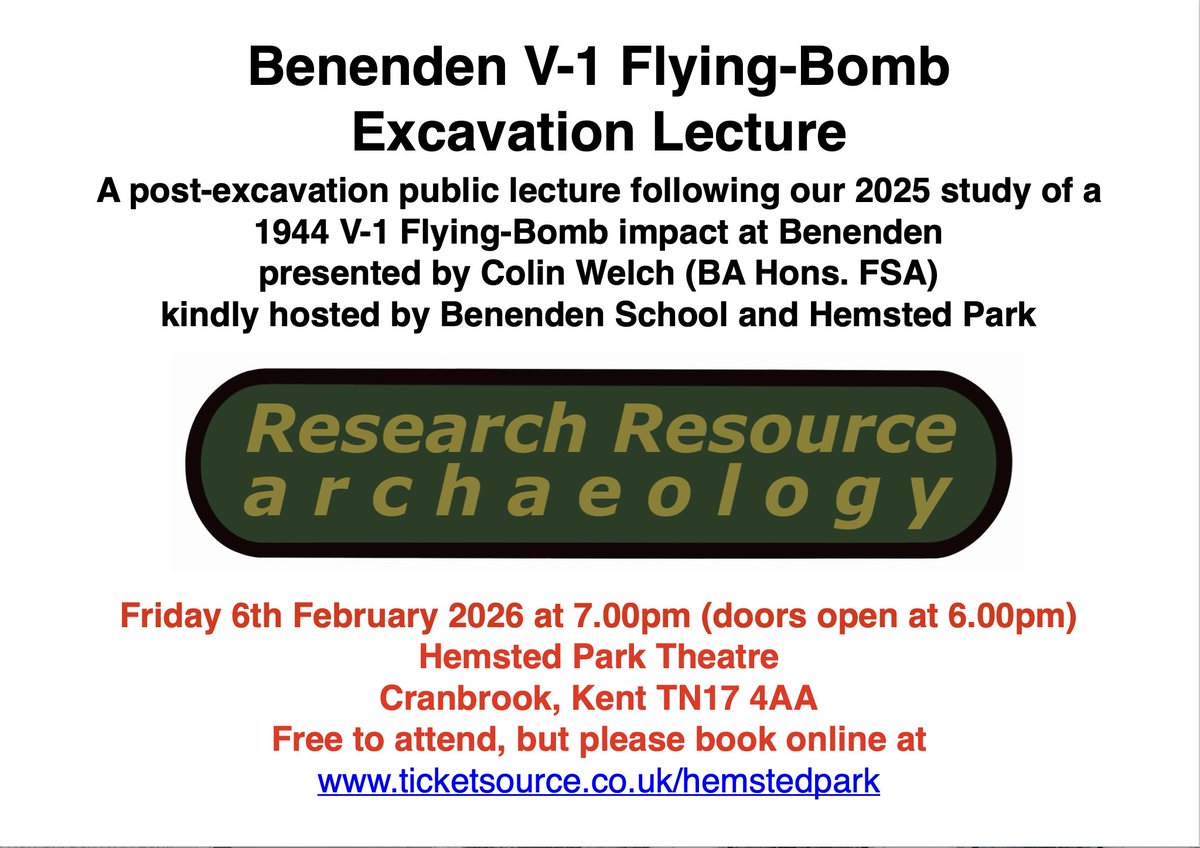
27.1.2026: follow-up television filming for ITV Meridian news to discover the results of the conservation & analysis of finds and their context from our September 2025 V1 excavation at Benenden. Public lecture at Benenden School 6.2.2026 evening about our work & the study - free
V1 excavation Benenden, Kent 23.9.2025.
A remarkable crater profile revealed after careful removal of infill, with a central depression. Also 2 major discoveries nearby during blast field recorded survey (see film) #archaeology sponsors @planthireHE
V1 Benenden excavation 2025
Crater profile measured in 4 axis before infill and tree removal. Footage: work in progress to cut back to original crater profile. The yellow soil is the natural. The crater will be re-measured tomorrow.
#archaeology sponsors @planthireHE
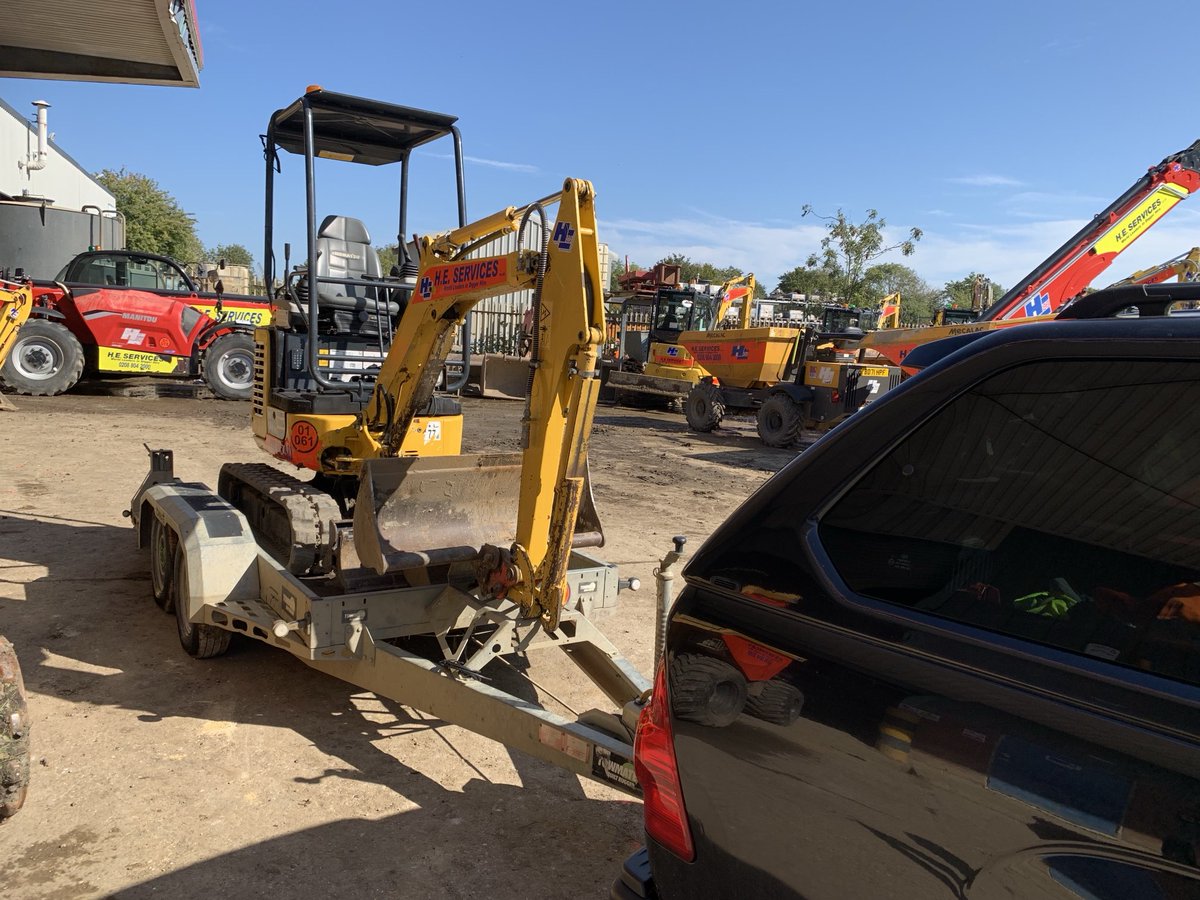
Preparations in place (machine collected from sponsors HE Services Plant Hire Ltd @planthireHE) ready for our flying bomb excavation beginning on Monday 22nd September #archaeology
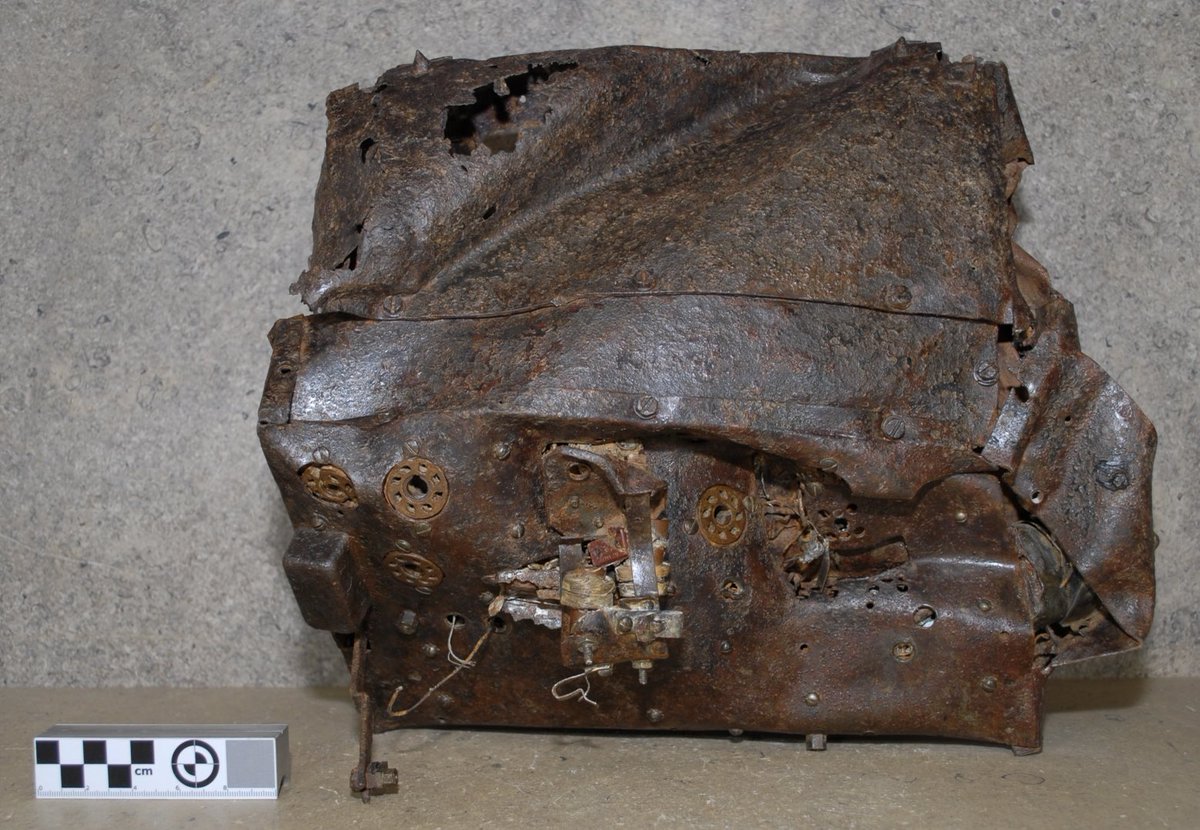
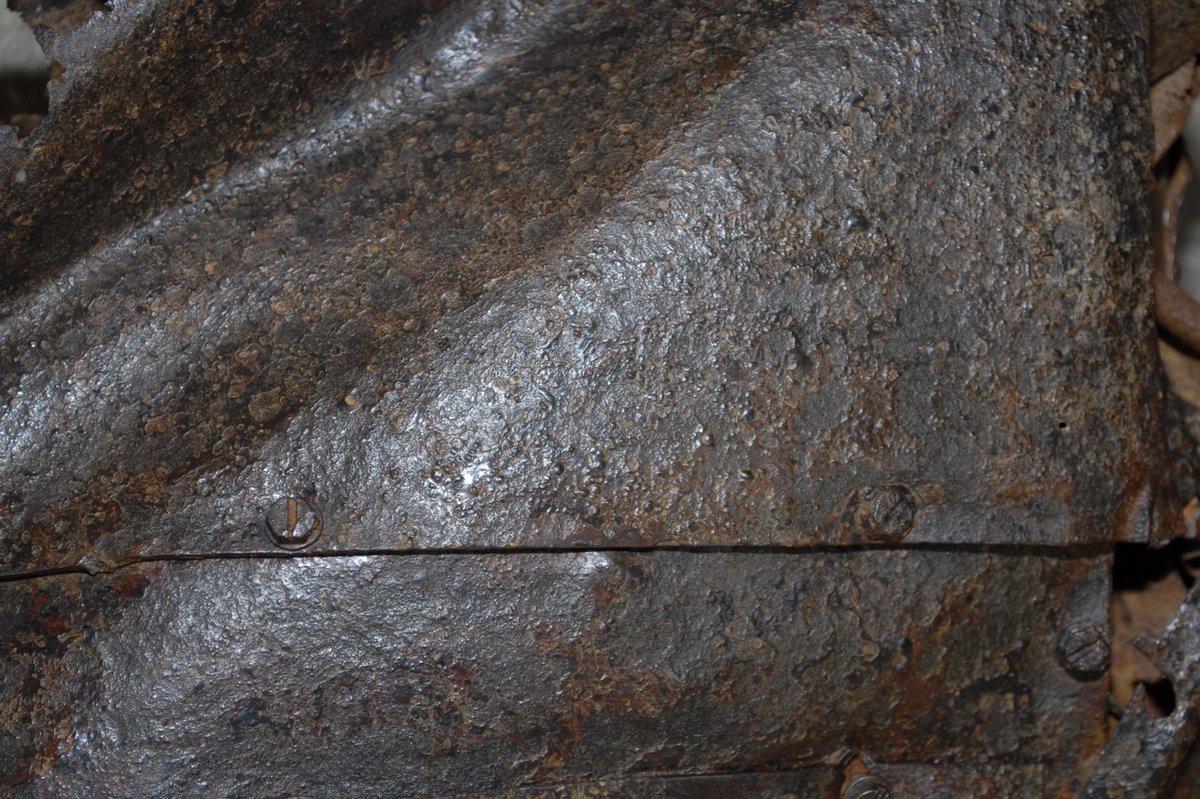
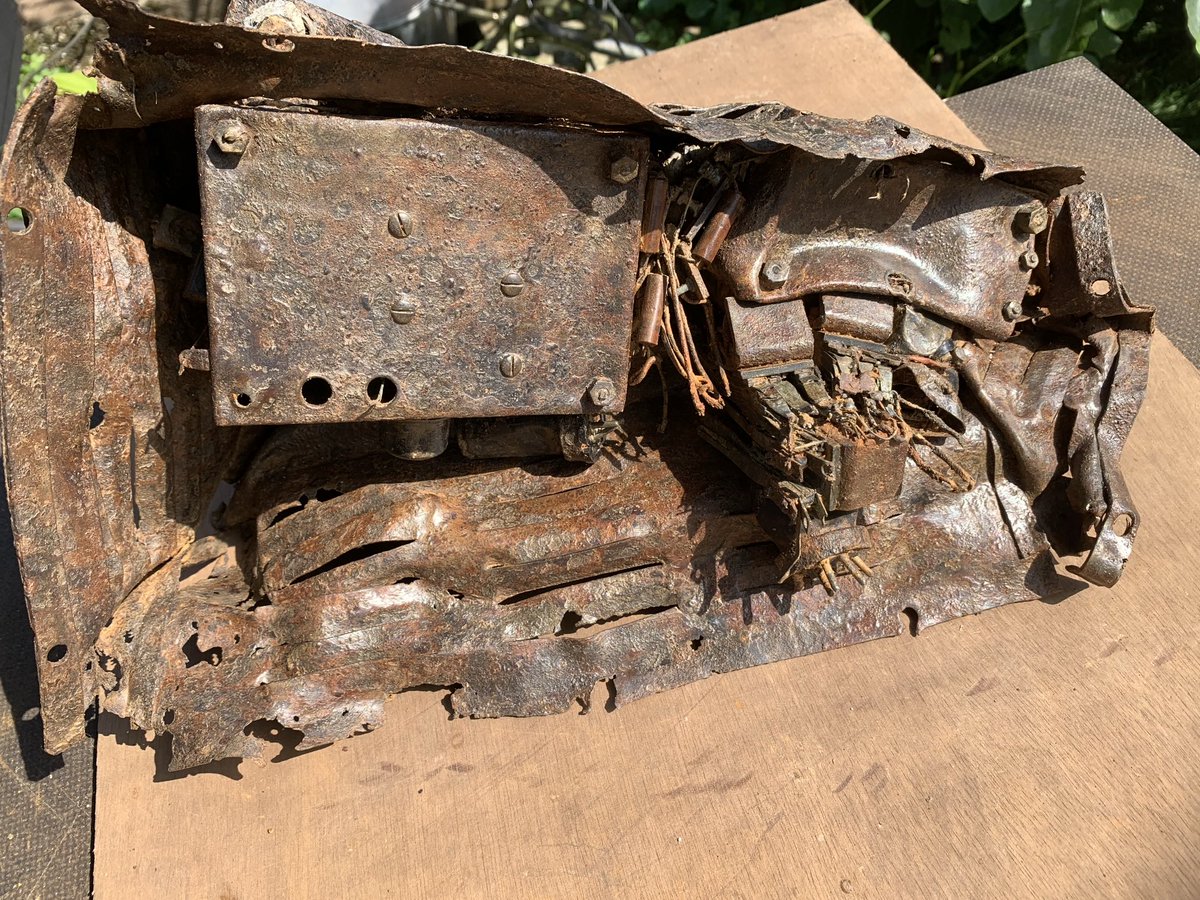
3) images of internal components from the conservation of the Hawker Tempest EJ532 transponder unit. The aim is to maintain surface detail without evidence of the work to conserve it @TheeCarlosRocha #archaeology
2) further detail of the EJ532 Hawker Tempest transponder unit, concentrating on how far to take conservation with the aim of retaining as much surface information as possible. Image 3 (lower left) shows the remains of the Air Ministry stamp. @TheeCarlosRocha #archaeology
1) As promised @TheeCarlosRocha further conservation images of the EJ532 Hawker Tempest transponder unit (from our 2016 licensed excavation). 1 of 3 posts detailing the completed work following many days of careful work. #archaeology
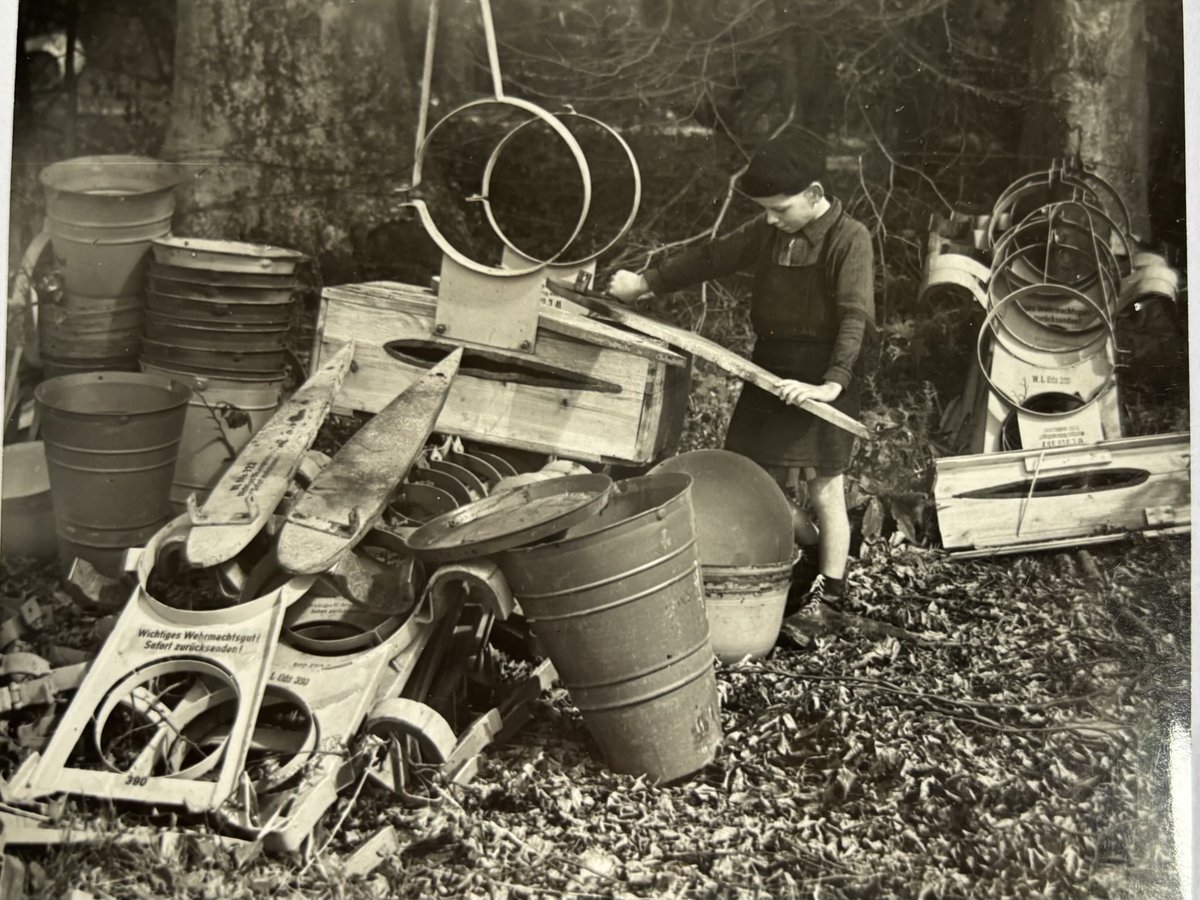
Still sorting through my V1 and V2 photo archive. Here, a young French boy looks at discarded transportation ‘packaging’ for V1s, including brackets to hold wings/tail units etc. The strange bucket items are presumably protective covers for warhead/nose assemblies.
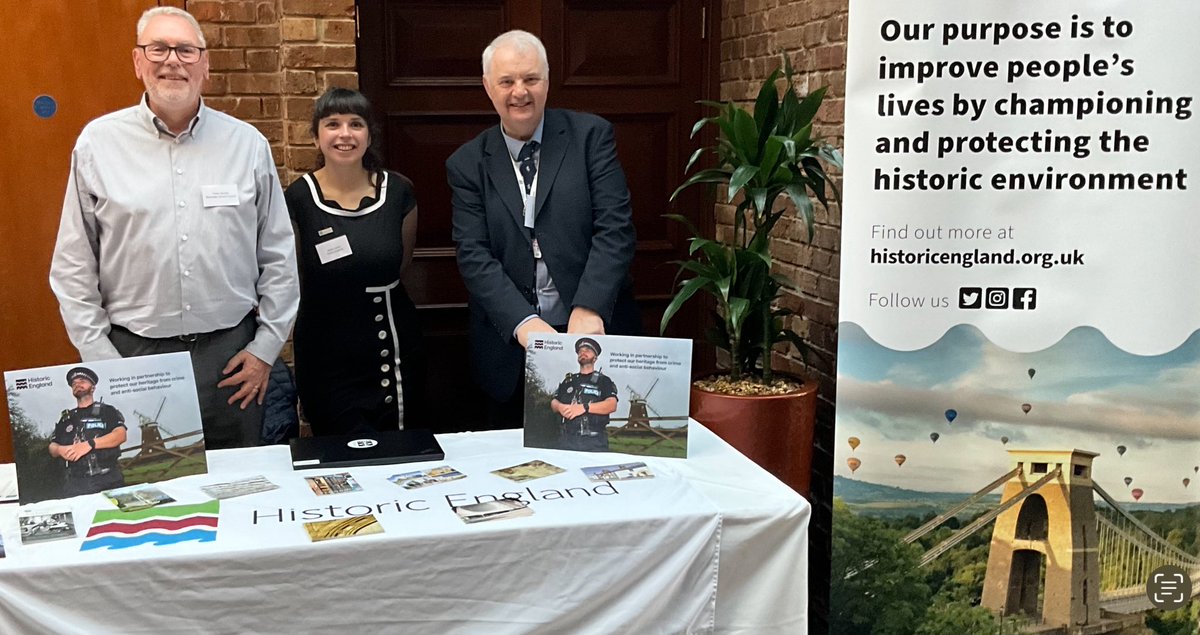
#ASBAwarenessWeek
At @HistoricEngland our purpose is to improve people’s lives by championing & protecting the historic environment by working together we can ensure that our heritage is protected & enjoyed by current & future generations #MakingCommunitiesSafer#HeritageCrime
@TheeCarlosRocha Yes. Failure to do this after conservation means in even (most) controlled environments
surface oxidisation results - particularly if gloves have not been used for handling. I am referring to metals (although not exclusively) and particularly ferrous metals.
Beginning the conservation of the Hawker Tempest EJ532 transponder (I.F.F. Unit) from our 2016 licensed excavation of F/Sgt.Drew’s aircraft, lost on V-1 patrol 29.7.1944
More images to follow as work proceeds. #archaeology
@TheeCarlosRocha Depending on soil type, the aim of not disturbing the surface detail (could result in loss of information) is paramount & dictates how sensitively invasive the process should be: from manual to chemical manipulation (see previous posts for e.g’s). Museum grade wax finishing.