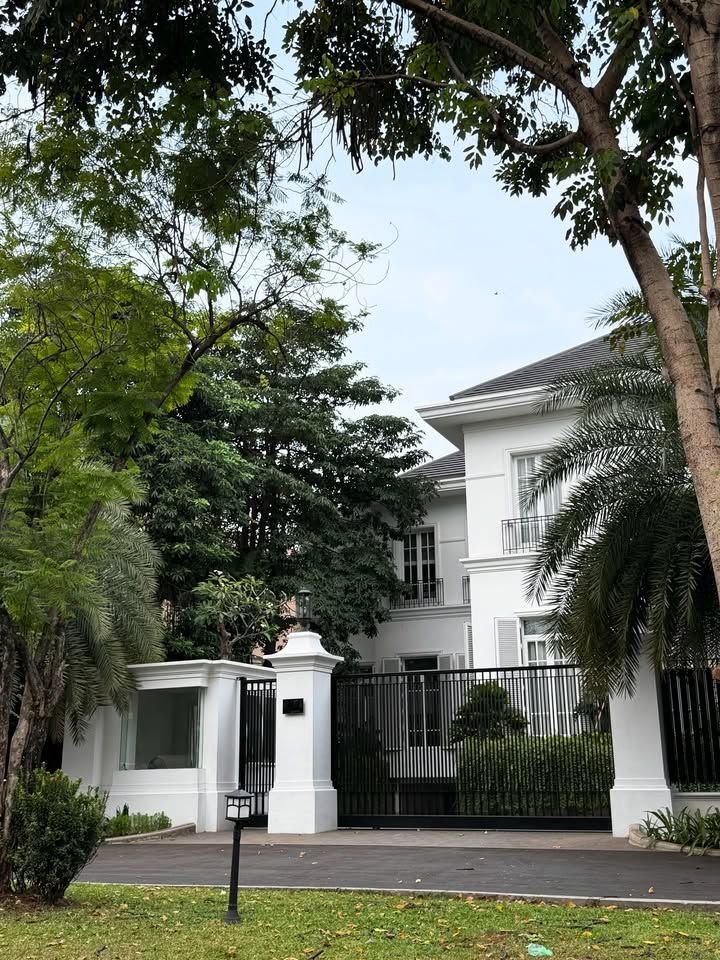
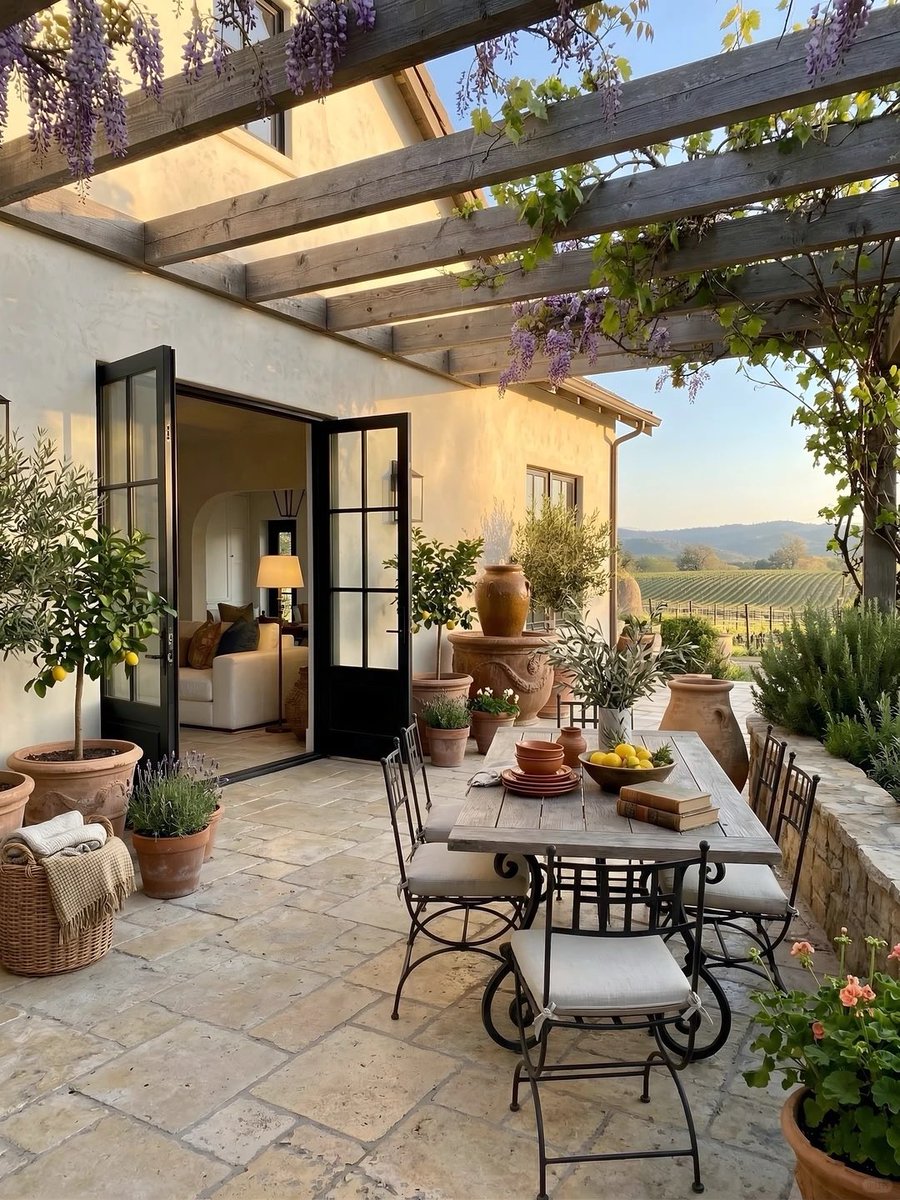
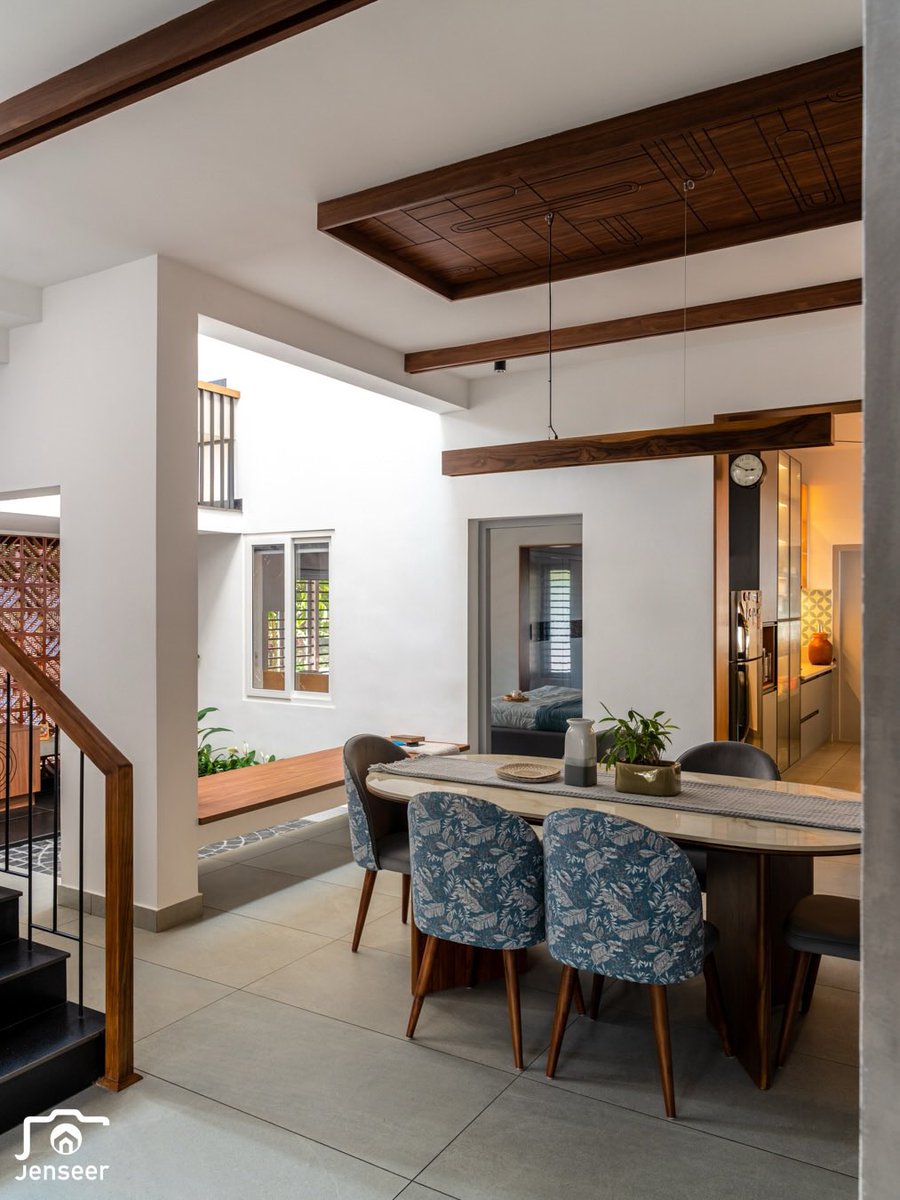
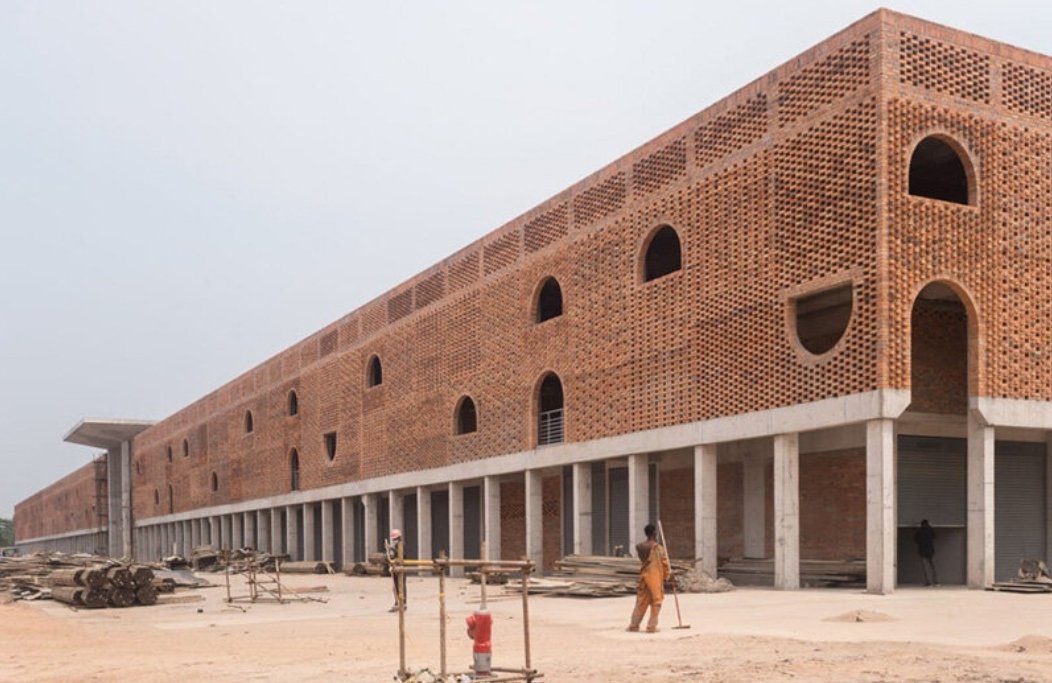
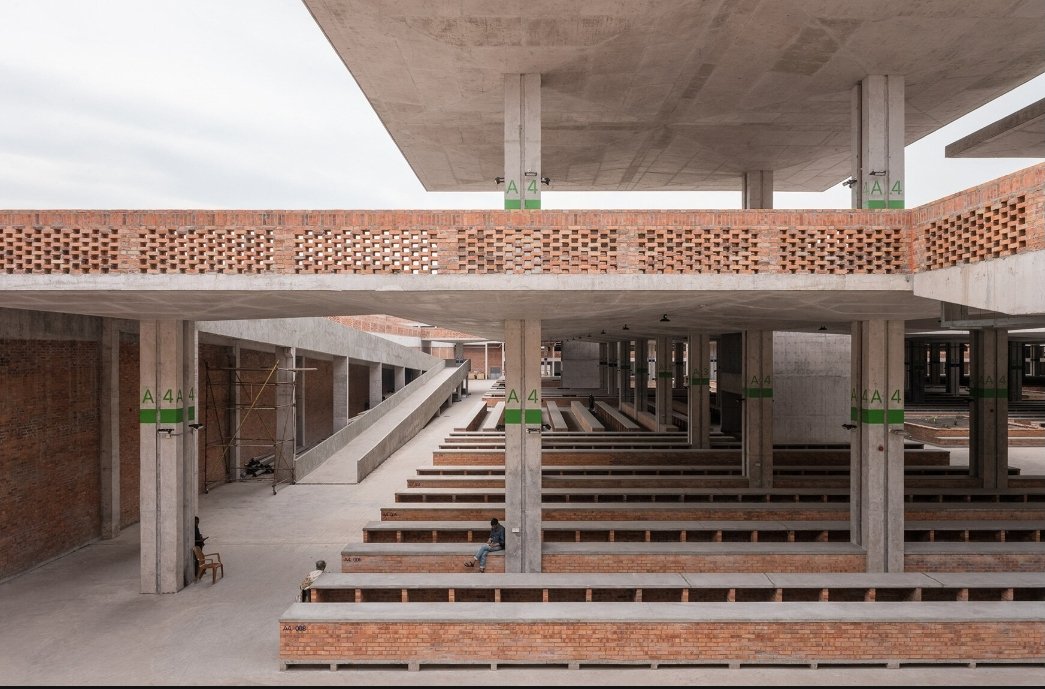
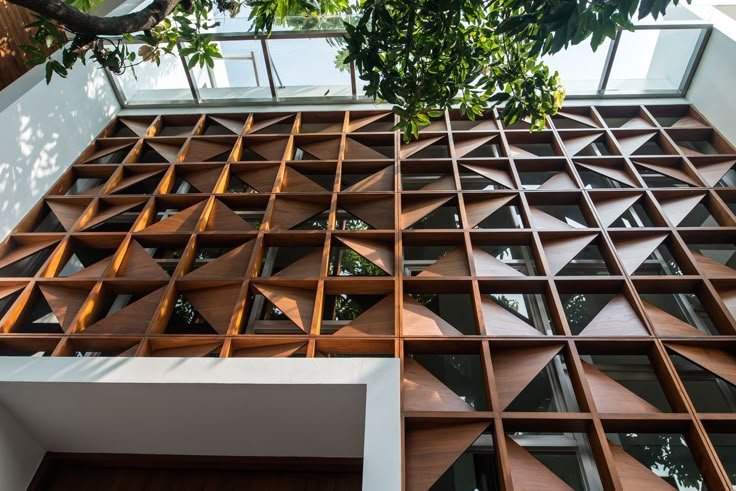
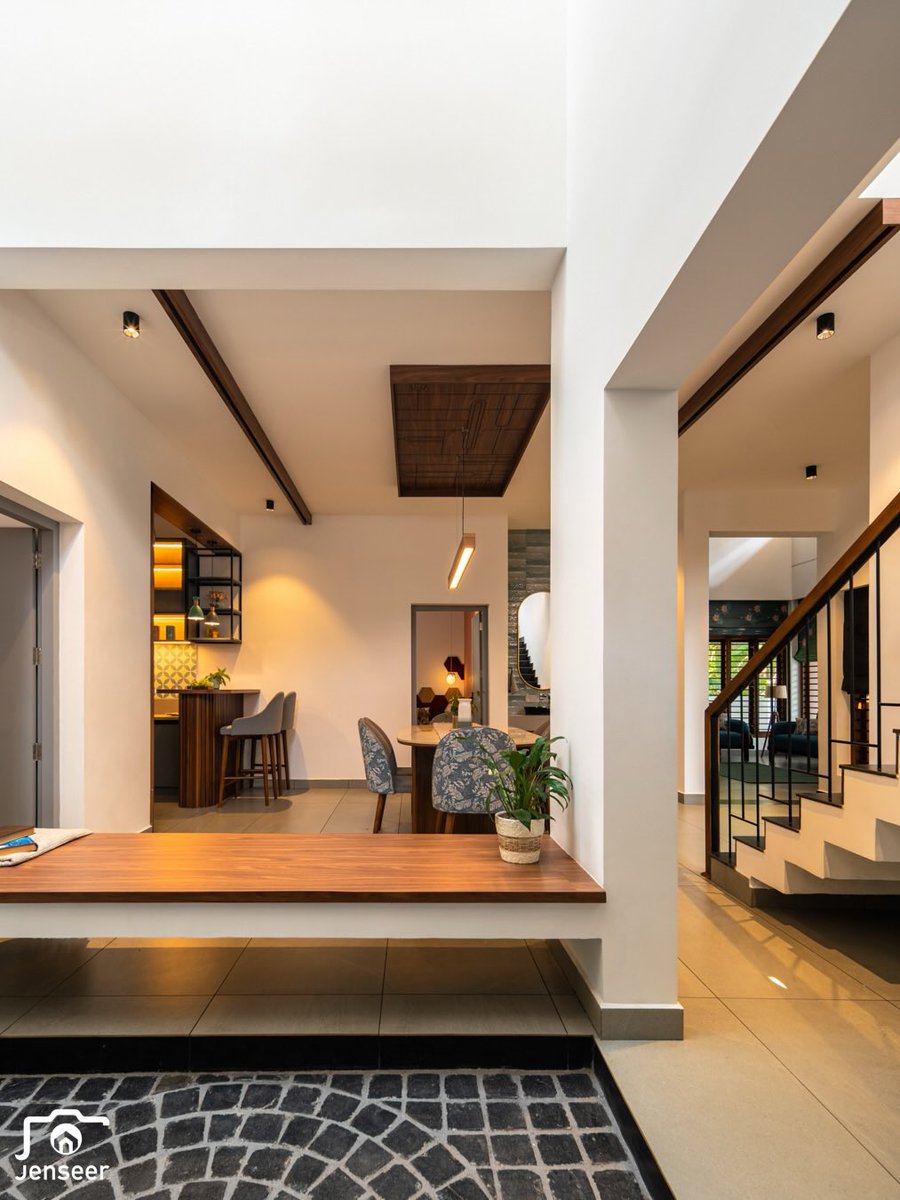
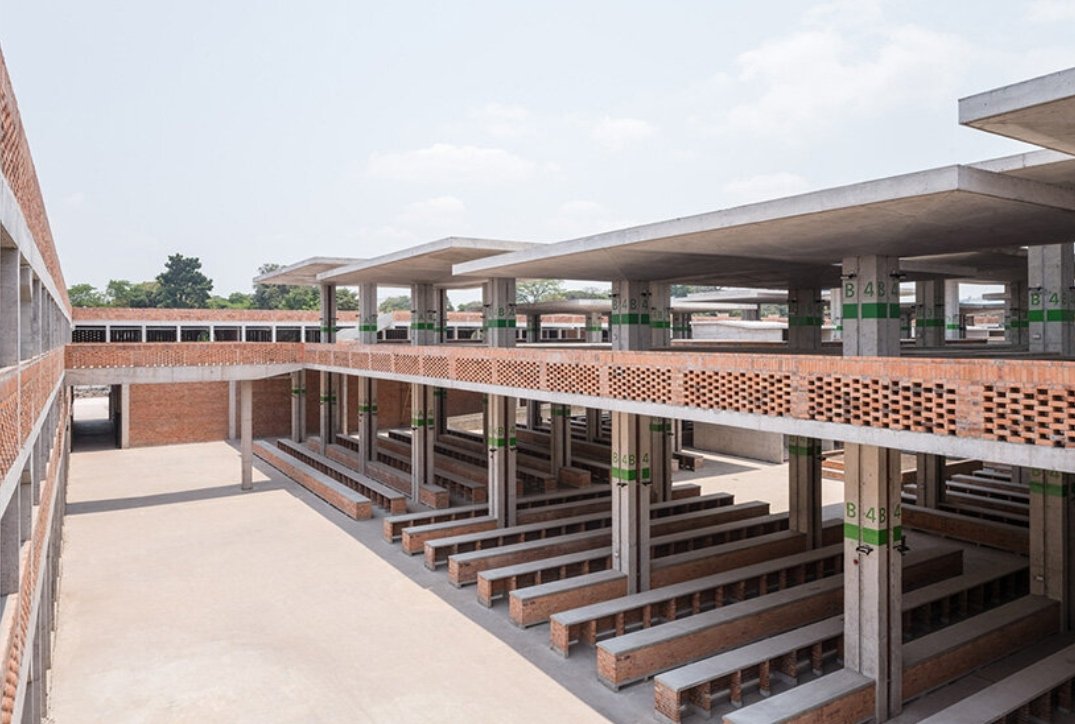
If opening all your windows still feels like you're inside an oven...
The problem isn't the weather.
It's the design.
Orientation, ventilation and shading matter.
Design sustainably today 🌿
Money advice nobody told you: The only way to make a lot of money is to create a lot of value. No one hands out money. No one is going to pay you just because they like you or think you're cool. That's not the way the world works. Money earned is a direct byproduct of value created. Create value, receive value. If money is the goal, value has to be the focus. This isn't just some vague idea: The only way to get rich is to create an enormous amount of value for others, and capture a small portion of that along the way. It's not talking about the thing, it's not brainstorming about the thing, it's not asking about the thing, it's not thinking about the thing. The only way to create value is by doing the thing. And if you don't know where to start, look around you. Customers, colleagues, bosses, shareholders, employees. Every single one of them has a problem. What problems can you solve for the people around you? Figure them out, solve them, scale that solution. That's how you make money.
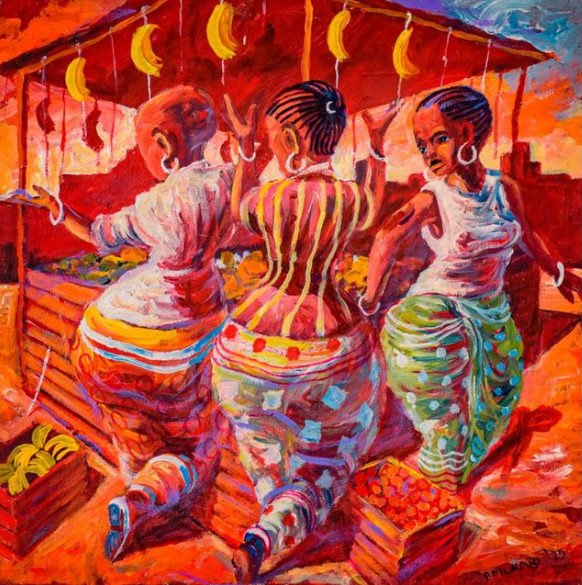
Patrick Mukabi (1969-2026) 🇰🇪🎨
Few Kenyan institutions captured the cheerful bustle of middle-class aspiration quite like Java House. Its walls, adorned with the robust, kanga-clad women of Patrick Mukabi, offered a visual anthem to everyday resilience: market traders with baskets balanced on heads, mothers whose ample forms suggested both abundance and endurance. Mukabi, who died this month after a long battle with diabetes that culminated in amputation and intensive care, painted a Kenya that was neither idealised nor pitied but simply observed.. with warmth, volume, and unapologetic colour.
Born in Nairobi in 1969, the fourth of seven children, Mukabi (known affectionately as “Panye”) began drawing young, inspired by Catholic imagery and encouraged by a father who worked for Kenya Railways. After a certificate in graphic design at what is now the Technical University of Kenya, he returned to his first love: painting, mostly in acrylic on canvas. His focus was the human figure, above all women engaged in the ordinary commerce of life.. hawking, carrying, conversing. Layers remained visible; the process was transparent, much like the man.
His style was instantly recognisable: voluptuous forms rendered with directness and dignity, sunlight suggested rather than depicted, movement captured without fuss. Critics sometimes called it accessible; in truth, it was democratic. Art, for Mukabi, belonged not in rarefied galleries but on the walls of cafés where ordinary Kenyans met over coffee. Java House commissioned him extensively; his work also graced airports and private collections. He exhibited in more than 20 countries, yet never lost the habit of teaching.
At Dust Depo, his studio beside the old Railway Museum.. practically on the tracks of his family’s history.. he ran an open-door academy. Aspiring artists, local and foreign, found space, advice, and often materials. Children’s classes on Saturday mornings (some televised as “Uncle Supuu” on Citizen TV) introduced a generation to brushes and bold hues. Many of Kenya’s younger painters passed through his mentorship; he was, as one curator put it, the closest thing the scene had to a godfather. Generosity came naturally, sometimes to his financial detriment. He gave works away cheaply or for free, undervaluing his own output in a market that rarely rewarded seniority.
Mukabi’s own life had railway rhythms: travel, teaching, exhibition. He spoke of Michelangelo as a mentor across centuries and painted from live models in later series such as “Cover Girls,” celebrating fuller-figured women who would never grace magazine covers but possessed their own majestic presence. Barefoot in the studio, he claimed he could not think with shoes on.. a small eccentricity that fitted the man who taught toddlers to slather paint “like jam on bread.”
In recent years illness confined him to Kenyatta National Hospital. Fellow artists organised benefit exhibitions, “Mali Safi” among them, to cover mounting bills. The shows celebrated his legacy while quietly underscoring a familiar Kenyan story: a towering talent who gave more than he received.
Patrick Mukabi leaves behind a visual vocabulary that has become part of Nairobi’s everyday scenery. His women endure.. self-assured, labouring, luminous.. on café walls where new generations sip coffee and, perhaps, notice the art for the first time. In a country still learning to value its own makers, he painted abundance where others saw only survival. Kenya’s art world is poorer for his passing; its walls, richer for his brush.
Kenyan basketball prospect Madina Okot was selected 13th overall by the Atlanta Dream in the 2026 WNBA Draft held in New York City.
Okot becomes the first Kenyan to be picked in the first round of the WNBA Draft.
WHAT DIFFERENT COUNTRIES TEACH YOU ABOUT LIFE:
Japan — Patience and precision are a form of deep respect
Italy — Slowing down is not laziness, it is living
Germany — Systems and discipline create real freedom
Brazil — Joy is not earned, it is chosen every single day
India — Chaos and beauty can exist in the exact same moment
Iceland — Silence is not empty, it is full of answers
Morocco — Hospitality is not a gesture, it is a philosophy
Mexico — Family is not an obligation, it is the whole point
Norway — Simplicity is the most underrated form of wealth
Greece — Food and conversation are never meant to be rushed
New Zealand — Nature is not a backdrop, it is the main event
South Korea — Reinvention at any age is not just possible, it is expected
USA — Ambition is a language everyone around you speaks fluently
Nigeria — Resilience is not a trait, it is a birthright
France — Self respect is non negotiable and style is a state of mind
Argentina — Passion without apology is the only way to truly live
Kenya — Community is not a safety net, it is the foundation
Portugal — Nostalgia is not weakness, it is how you honour what shaped you
China — Patience across generations builds what one lifetime cannot
Australia — Life is too short to take yourself too seriously
Spain — Rest is not a reward, it is a right built into the culture
Thailand — Kindness given freely costs nothing and changes everything
Cuba — Music and survival have always walked hand in hand
Netherlands — Equality is not an ideal, it is a daily practice
Ethiopia — Ancient pride reminds you that greatness did not start with the west
Ghana — Celebration is not reserved for big moments, every day deserves one
Turkey — Every city has layers and so does every person you meet
Colombia — Transformation is possible for a people, a city and a person
Switzerland — Precision and peace can absolutely coexist in the same life
Saudi Arabia — Tradition and ambition are not opposites, they are partners
Philippines — Warmth is a superpower and Filipinos wield it effortlessly
Ukraine — Strength is quiet until the moment it has no choice but to roar
Jamaica — Rhythm, faith and roots will carry you further than pressure ever will
Peru — Ancient wisdom does not expire just because the world moved on
Poland — Dignity in hardship is one of the rarest forms of human strength