A PEACE and Developmental Advocate, Social Media personnel and Legislative Aide to Hon Chief Dr. Billy Adesuwa Osawaru, the Honourable Rep for Orhionmwon/Uhuwun
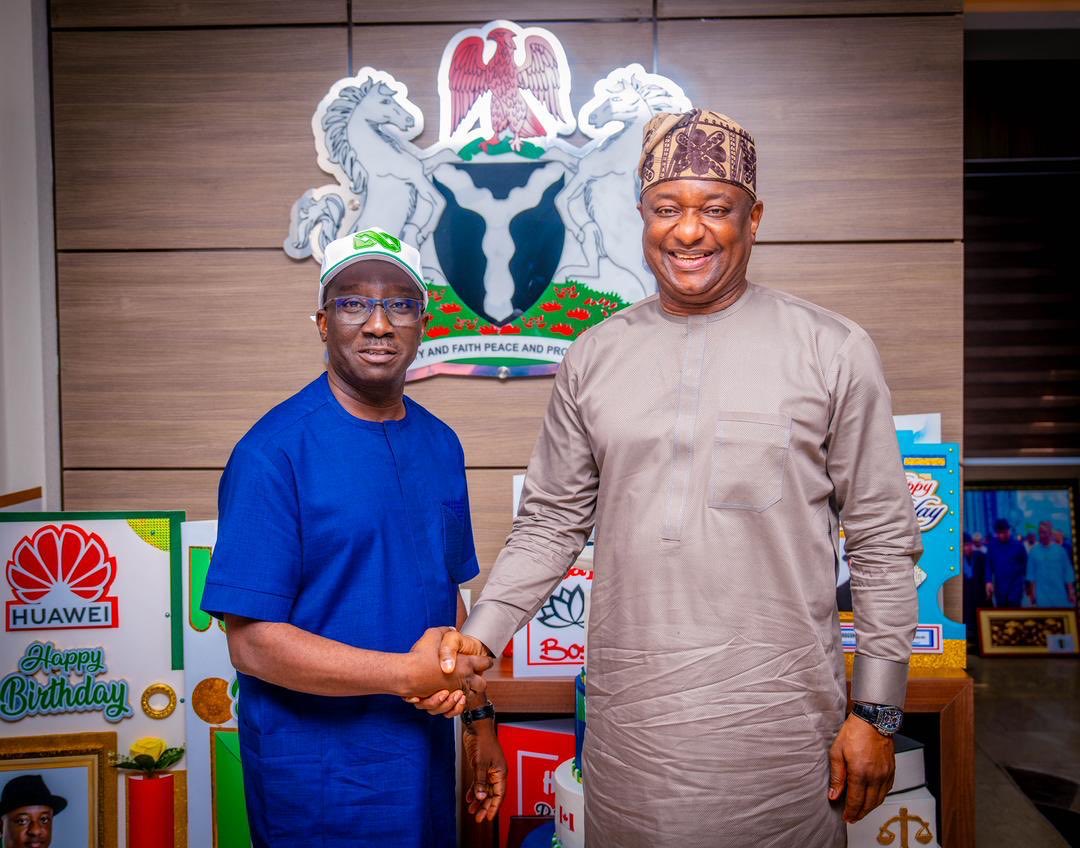
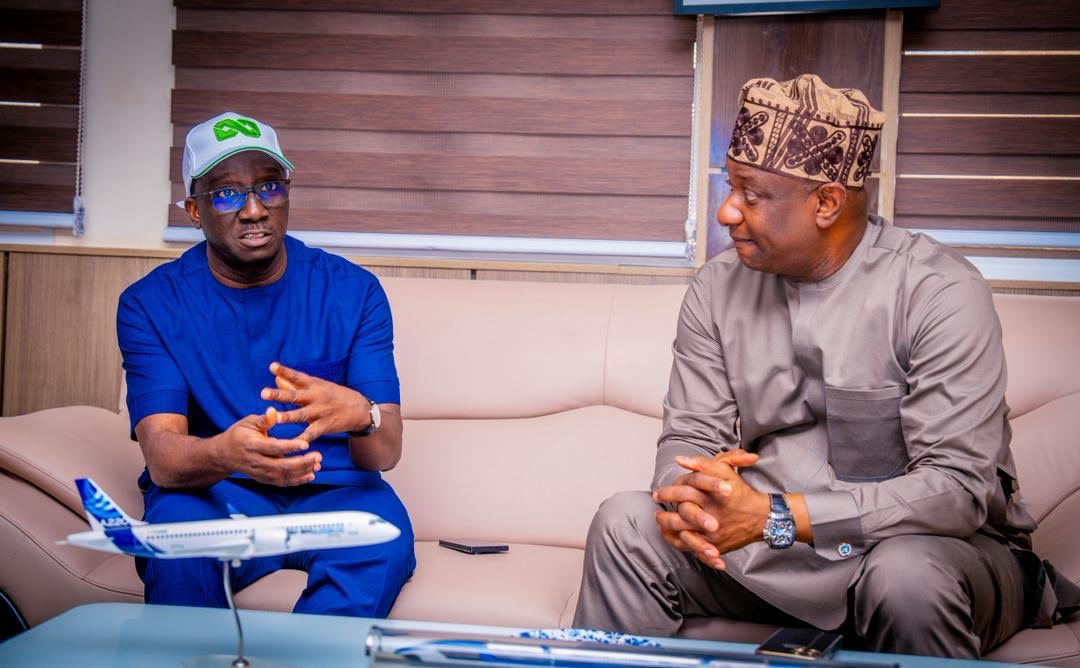
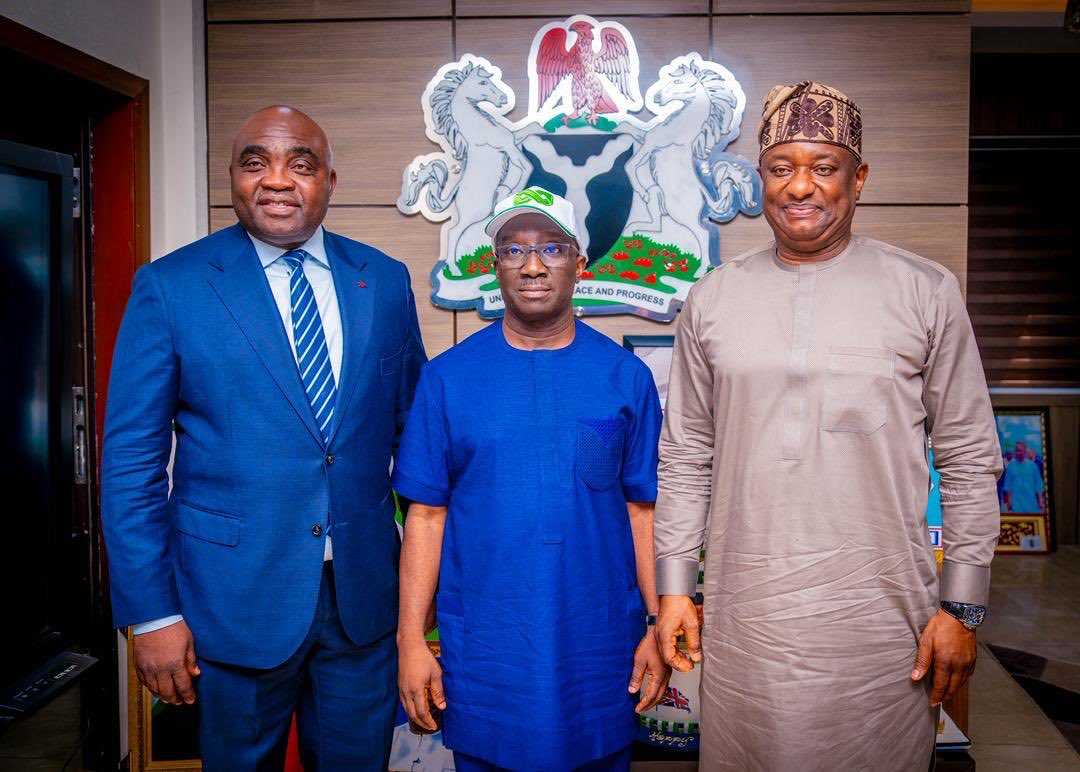
Today, I paid a courtesy visit to the Honourable Minister of Aviation and Aerospace Development, @fkeyamo Mr. Festus Keyamo, SAN, in Abuja, where we had productive discussions on the proposed Edo Air initiative.
Edo Air is a strategic step aimed at strengthening our aviation ecosystem, boosting economic activities, enhancing tourism, and improving connectivity within Edo State and beyond. This initiative aligns with our broader vision of driving growth, attracting investment, and positioning Edo as a competitive destination for business and leisure.
The Honourable Minister recalled Benin City’s history as a major aviation hub during the era of the defunct Okada Air and welcomed our deliberate efforts to revive the sector. He assured us of the Federal Government’s full support towards the actualisation of Edo Air.
This engagement reinforces our strong collaboration with the Federal Government as we continue to advance infrastructure development and economic transformation in Edo State.
#SHINEagenda
#ANewEdoHasRisen
#PracticalGovernance
#EdoAir
MOWAA Part Two: Obaseki, Iheanacho, and the Moment Counterpart Funding Became the Project
The numbers around MOWAA tell a story that refuses to stay quiet.
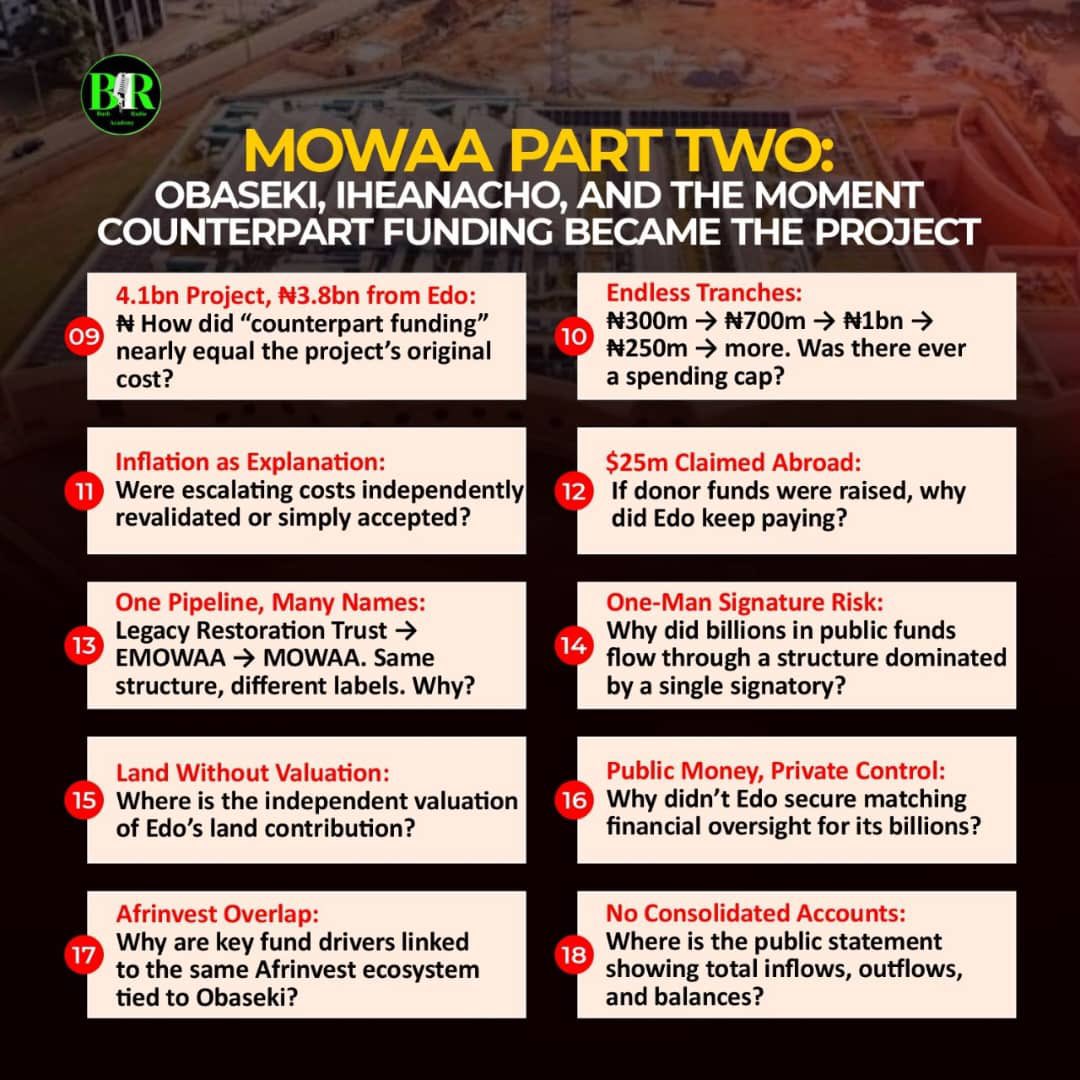
The pavilion at the heart of the project was initially valued at ₦4.1 billion. Edo State’s role was described as straightforward: provide land and offer counterpart funding, while international donors supplied the bulk of the capital.
But that balance never held.
Edo State began paying in tranches.
₦300 million.
₦700 million.
Subsequent documents show that ₦1.5 billion had already been paid, followed by another request for ₦1 billion. More demands came after that, each justified by inflation, foreign exchange pressures, and rising construction costs. The numbers kept changing. The appeals did not stop. By the time payments finally slowed, Edo State’s exposure had ballooned to roughly ₦3.8 billion — nearly the full original cost of the pavilion.
At the same time, a different figure was being spoken of in public forums — over $25 million raised internationally for MOWAA, according to statements made by Philip Iheanacho and Ike Chioke, who were presented as the key drivers of the project’s fundraising efforts.
That is where the contradiction hardens.
If tens of millions of dollars were flowing in, why did Edo keep paying?
Why was counterpart funding treated as an open-ended tap?
And why did public funds nearly equal the project’s starting value?
Every naira paid by Edo moved through the same structure — Legacy Restoration Trust, later renamed EMOWAA, and now MOWAA. Different names, same pipeline. And within that pipeline, financial control appears tightly concentrated, raising uncomfortable questions about safeguards, oversight, and accountability for billions in public funds.
Edo also contributed prime land, yet there is no clear public valuation showing how that asset was counted, protected, or reflected in the project’s financial architecture.
This is no longer about art.
It is no longer about architecture.
It is about power and propriety — a moment when counterpart funding quietly became the main funding, while donor money stayed largely at the level of headlines, and billions in public funds flowed through a structure controlled by a single dominant signatory. In any public-facing heritage institution, morality demands safeguards, shared authority, and transparent controls. When one man signs, decides, and directs, the question is no longer just where the money went, but whether such concentration of financial power is defensible in a project built with public trust.
And this is where the circle closes: when a heritage project funded with Edo’s billions is administered through a structure dominated by directors drawn from the same Afrinvest ecosystem that shaped Godwin Obaseki’s professional career, the claim of independence can no longer be assumed — it must be proven. Until that proof is laid bare, the questions remain, and Truth Unveiled does not end here.
Truth Unveiled — Part Two
Part Three will name donors, track FX inflows, and follow the money to its final destinations.
Osigwe Omo-Ikirodah is the Principal and CEO of Bush Radio Academy.
#MOWAA
#EdoMustKnow
HE was not elected to speak the smoothest English.
(The people were done with all that empty showmanship and needed a different approach).
He was elected to provide solutions to the problems faced by the majority of the people, not the minute elites.
@m_akpakomiza
Watch this short documentary highlighting the ongoing infrastructure revolution across Edo State under my leadership.
These are just a glimpse of many remarkable achievements recorded by this administration.
As we celebrate 365 Days of Practical Governance, one truth stands tall "A New Edo Has Risen".
#PracticalGovernance #ANewEdoHasRisen
#SHINEAgenda #Okpebholo365Days